
Responsible Tourism in Galapagos
How travel helps protect wildlife, fund conservation, and support local communities
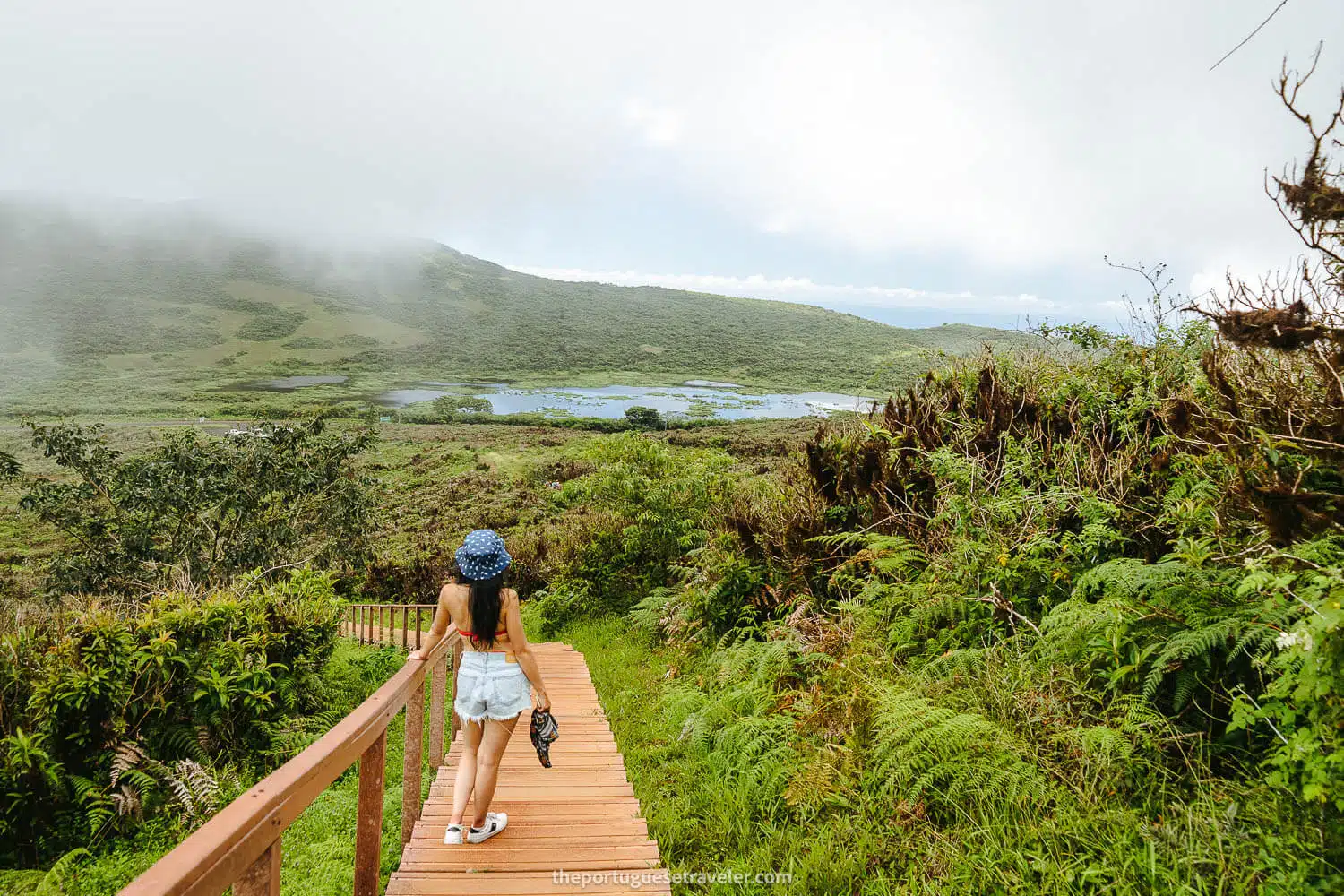
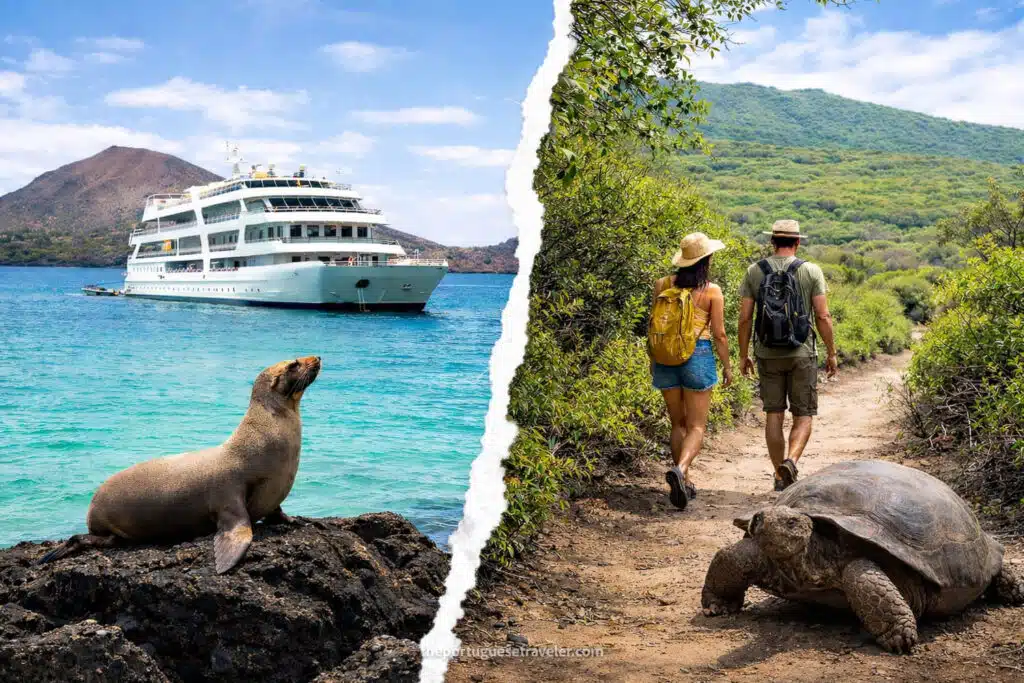
The Galapagos are often described as untouched, but that’s a dangerous oversimplification. In reality, responsible tourism in Galapagos exists precisely because these islands must be protected, regulated, and carefully managed to survive. From giant tortoises roaming freely to seabirds nesting just steps from marked trails, everything visitors experience today is the result of strict conservation systems designed to limit human impact.
Travel itself is not the problem — instead, how it’s managed is the solution. Visitor limits, certified naturalist guides, park regulations, and conservation fees ensure tourism actively protects the islands rather than slowly eroding them. When travelers understand this balance, they help support the ecosystems and communities that keep the Galapagos one of the most extraordinary places on Earth.
Table of Contents
Your Galapagos Islands Essentials - Quick Guide
Short on time? This quick Galapagos guide will help you plan!
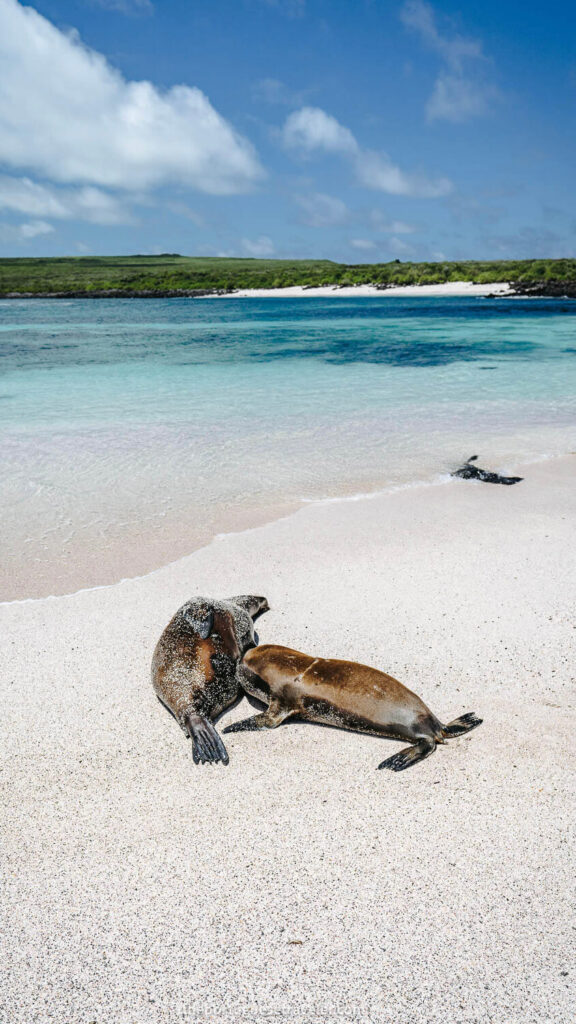
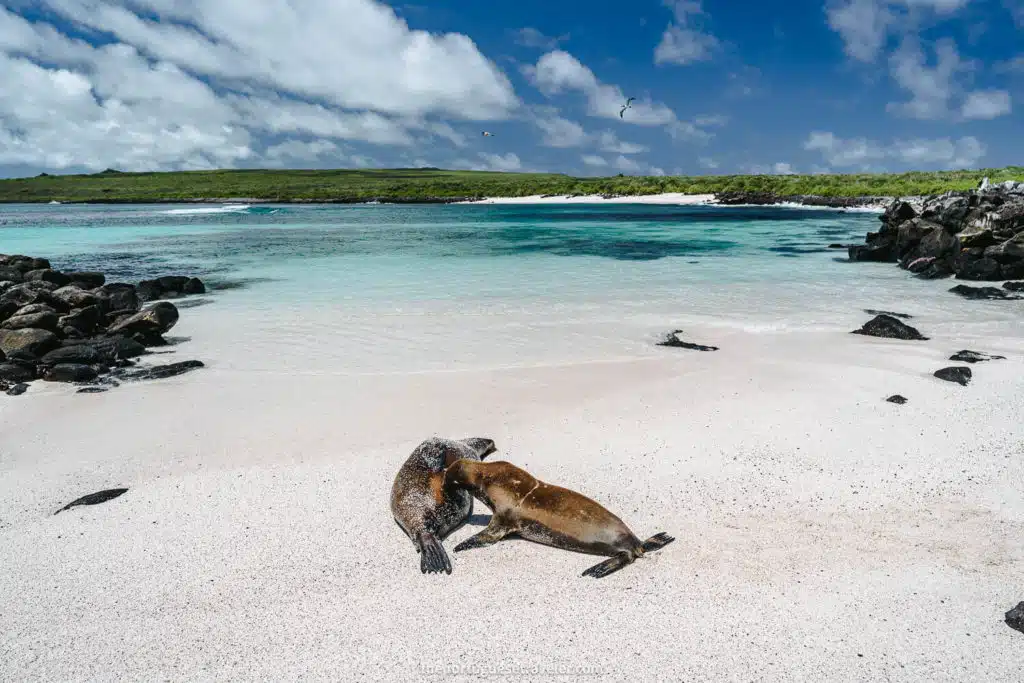
Where to Stay:
– Finch Bay Hotel (Santa Cruz Island)
– Hotel Indigo by IHG (San Cristobal Island)
– Hotel Iguana Crossing (Isabela Island)
Must-Do Experiences:
– 360 Tour (San Cristobal highlights by boat)
– Kicker Rock Tour (Top snorkeling with big wildlife)
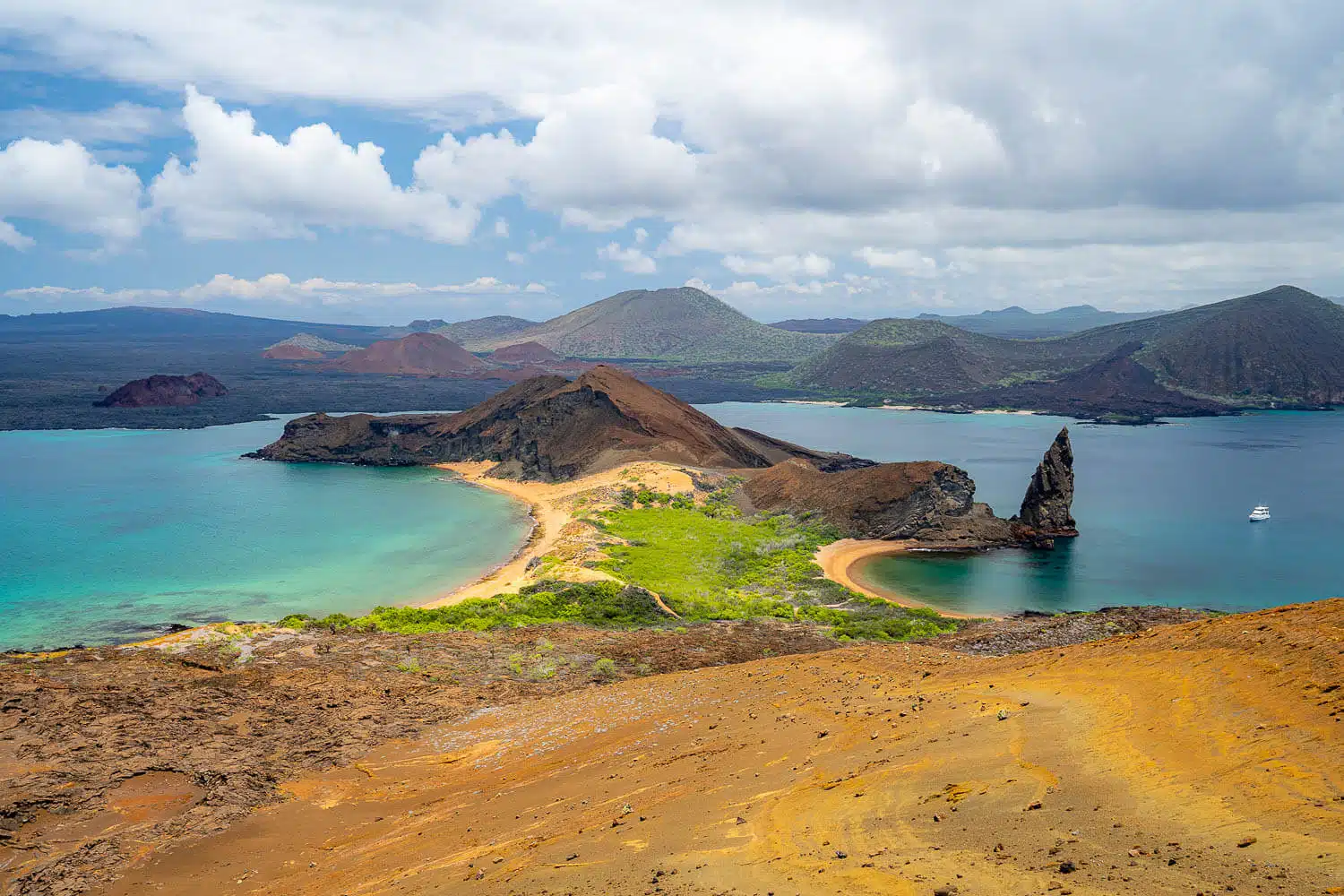
– Bartolome Island Tour (Iconic views & marine life)
– Floreana Island Tour (Snorkel, fishing & history)
– Sierra Negra Volcano Tour (Epic volcano hike)
– Los Tuneles Tour (Galapagos’ best snorkeling)
Extras you’ll Need:
– Travel Insurance with Heymondo (5% discount).
– Mobile eSim with Holafly (5% discount) or Airalo
Responsible Tourism in Galapagos: Why It Matters
Responsible tourism in Galapagos is not a marketing label — it’s a survival strategy. For this reason, the islands are governed by some of the strictest environmental regulations in the world. These rules are not designed to limit travelers, but to protect ecosystems that evolved in isolation over millions of years.
Unlike many destinations, conservation in Galapagos is preventative rather than reactive. Visitor numbers are capped, movements are controlled, and tourism revenue is reinvested into research, biosecurity, and habitat restoration. As a result, people can experience wildlife up close — but never at the cost of its future.
Why the Galapagos Are So Fragile
What makes the Galapagos extraordinary also makes them fragile. Species here evolved without predators, without human disturbance, and often without fear. Because of this, a single introduced insect, plant, or rodent can unravel an entire ecosystem.
History offers sobering lessons. Rats once prevented giant tortoises from reproducing on some islands for decades. Goats stripped landscapes bare and collapsed food chains. Today, invasive flies threaten endemic bird species by attacking chicks in their nests. Without intervention, many species simply wouldn’t survive modern pressures.
For this reason, responsible tourism exists — because these islands cannot absorb mistakes, and because prevention is far less destructive than recovery.
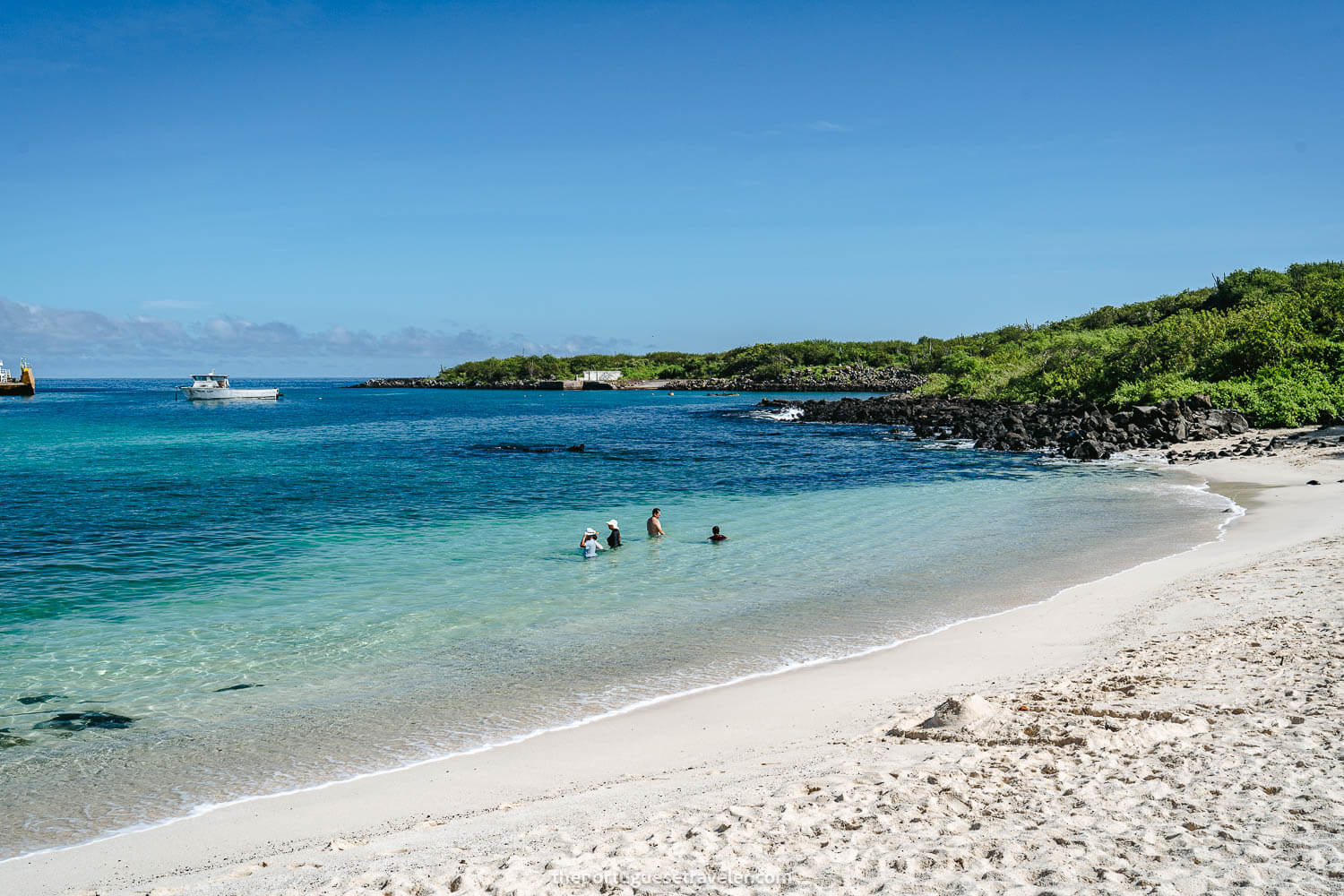
The Biggest Threats to the Galapagos Ecosystem
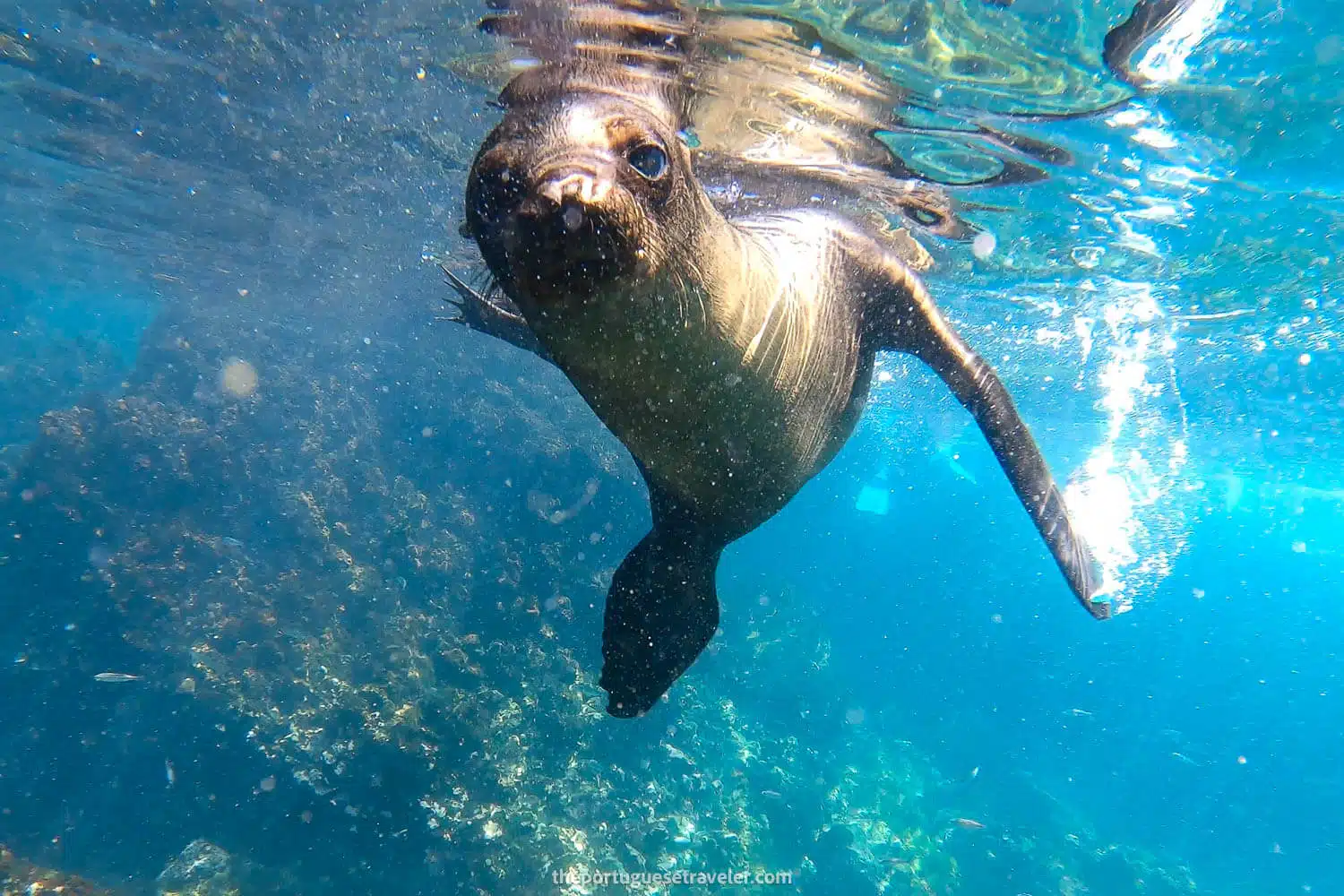
Despite its protected status, the Galapagos faces mounting pressure from invasive species, climate change, overfishing, pollution, and habitat loss. As a result, many endemic species now fall into threatened categories — from critically endangered birds like the Mangrove Finch and Floreana Mockingbird to vulnerable marine species such as sea lions and fur seals.
What makes these threats especially dangerous is how quickly they can cascade. A single invasive insect, a warming ocean current, or unmanaged waste can disrupt food chains that took thousands of years to form. Ultimately, responsible tourism in Galapagos exists because prevention is far more effective than trying to reverse damage after it’s done.
Travel Guide, Itineraries, Map, Local Tips
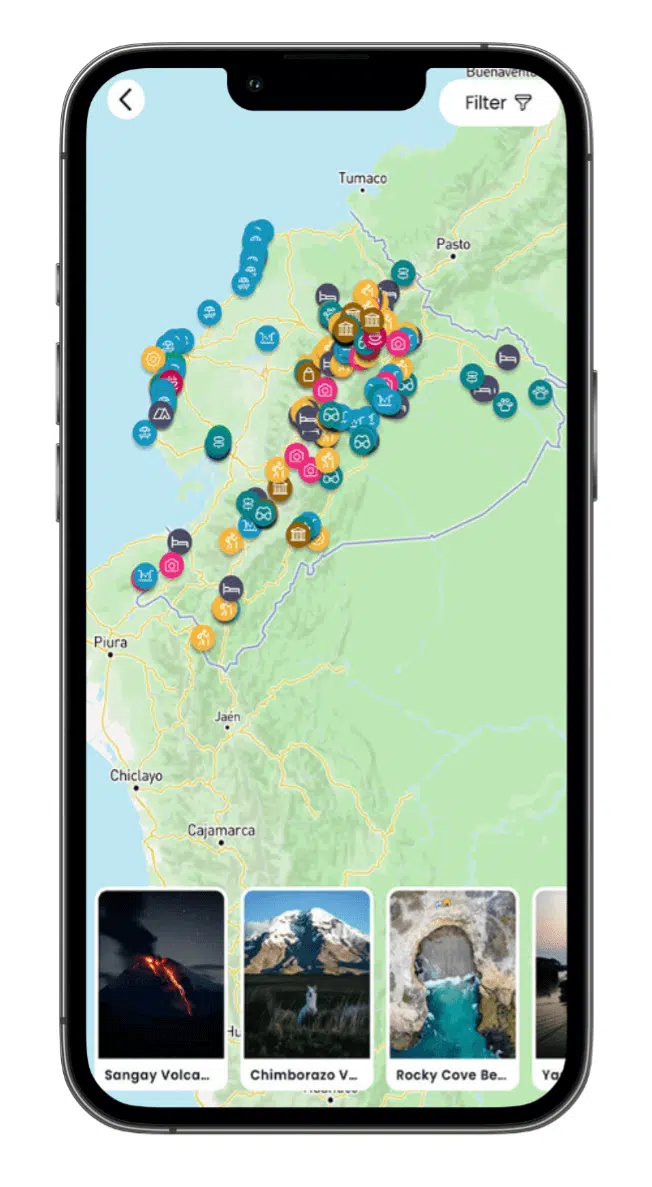
Get access to my curated list of all the best viewpoints, hiking trails, secret waterfalls, diving spots, wildlife tours, accommodations, and more, that will make your trip to Ecuador and The Galapagos unforgettable.
All of this, in an interactive guide featuring a mobile-friendly map, pre-designed itineraries, all my favourite photos, and helpful travel tips to guide your journey in this amazing unexplored country.
If you want personalized advice write me in-app and we can plan it together.

Plan Your Galapagos & South America Trip (Free Quote)
Rules That Protect the Islands
Visitors quickly notice that Galapagos travel feels different. You don’t wander freely. You don’t touch wildlife. You don’t explore alone. These rules aren’t about restriction — they’re about restraint.
Certified naturalist guides ensure that visitors stay on marked trails, maintain distance from animals, and understand why even small actions matter. Group sizes are limited. Landing sites rotate to prevent overuse. Biosecurity checks reduce the risk of invasive species arriving with luggage or food.
This system works. It’s one of the reasons Galapagos remains one of the few places on Earth where wildlife still behaves as if humans are simply passing through.
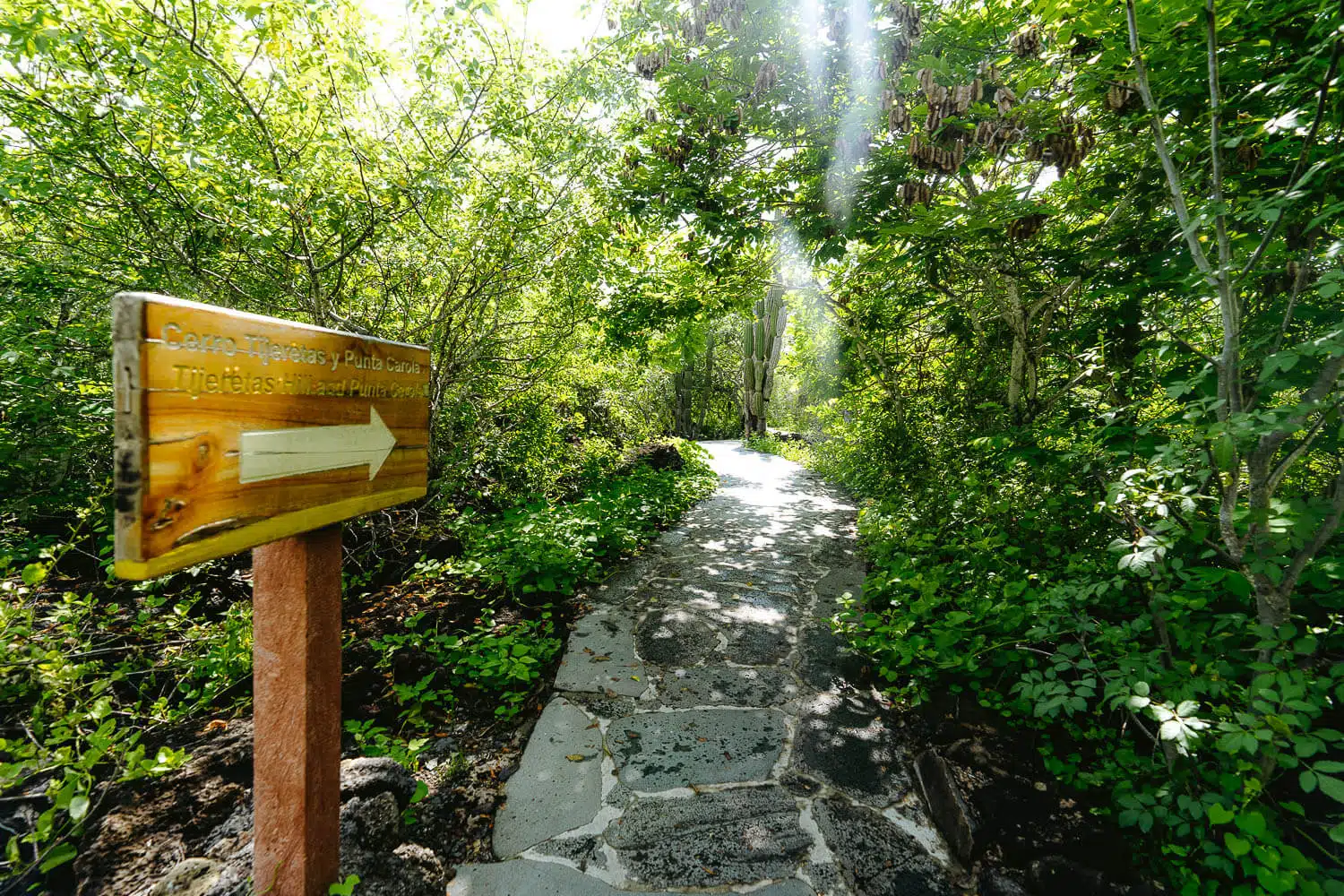
Responsible Tourism in Galapagos and Conservation Success Stories
Responsible tourism in Galapagos has helped fund one of the most successful conservation stories in the world.
Giant tortoises are the most iconic example. Once pushed toward extinction by introduced predators, captive breeding programs initiated in the 1960s have since reintroduced over 8,000 tortoises back into the wild. Islands like Pinzón, once silent, now support recovering tortoise populations again.
Large-scale invasive species eradications — such as Project Isabela, which removed goats, pigs, and donkeys from vast areas — allowed native vegetation and wildlife to return naturally. More recently, the Floreana Ecological Restoration Project is preparing to reintroduce species that disappeared nearly two centuries ago.
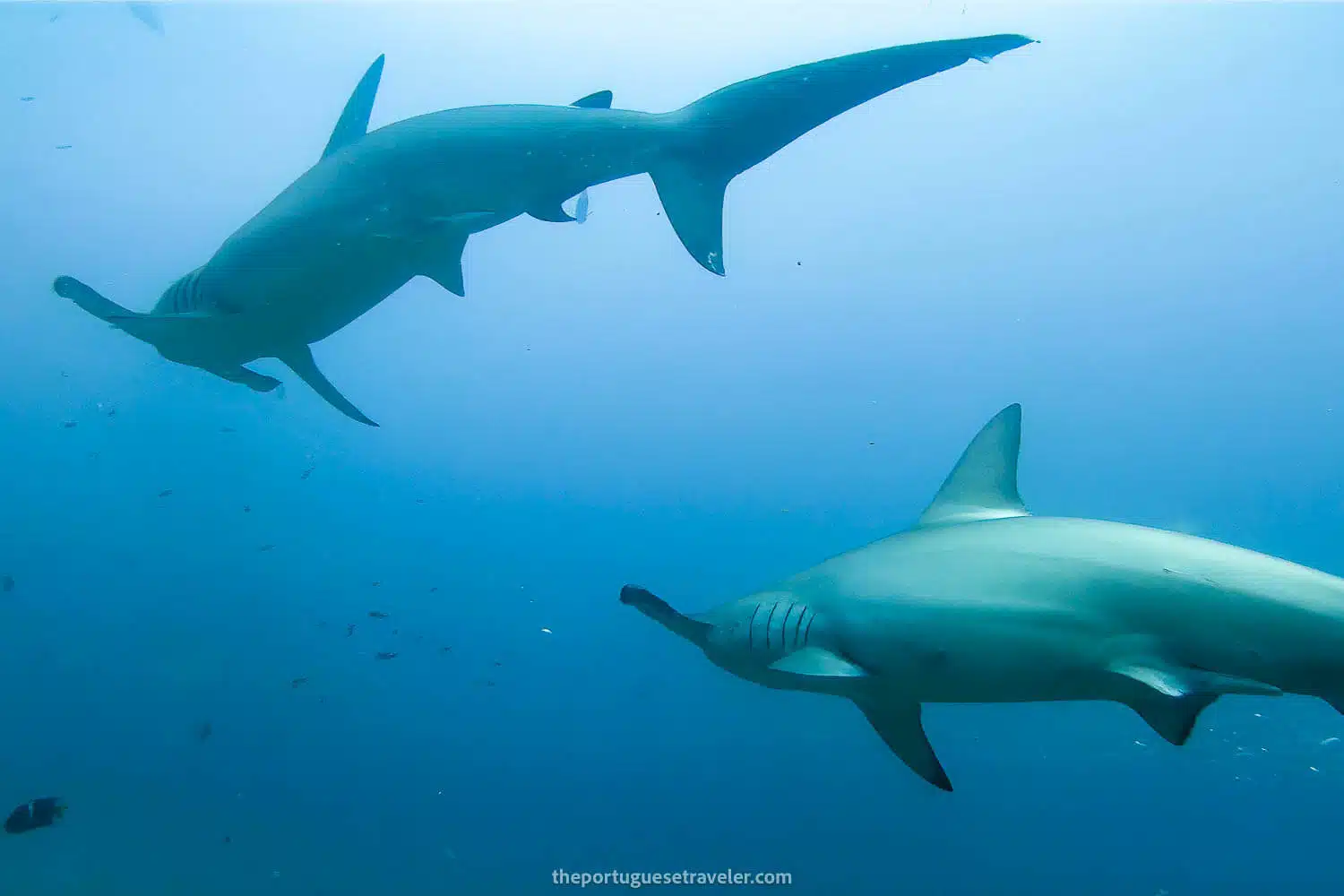
In the ocean, the expansion of the Galapagos Marine Reserve and the creation of the Hermandad Marine Reserve now protect critical migratory corridors for hammerhead sharks, whale sharks, sea turtles, and manta rays. Studies show shark biomass around Darwin and Wolf Islands is among the highest recorded anywhere on Earth.
These are not abstract wins — they are measurable recoveries made possible by long-term funding, much of it tied directly to tourism.
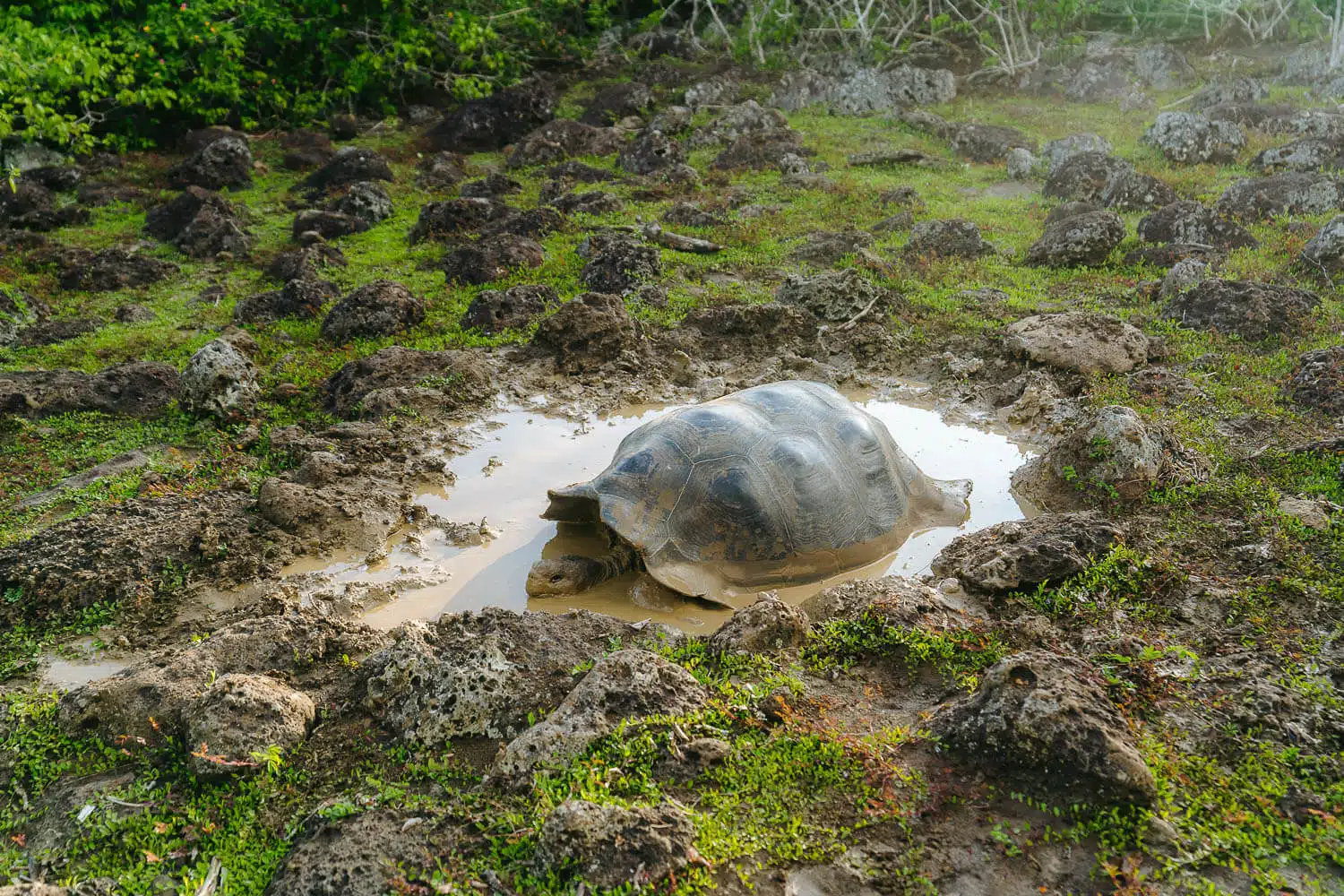
Protecting Endangered Species in Galapagos
Some of the most iconic animals in the Galapagos are also the most vulnerable. Around a third of endemic species fall into vulnerable, endangered, or critically endangered categories. Conservation efforts today focus on species whose survival depends entirely on human intervention — at least for now.
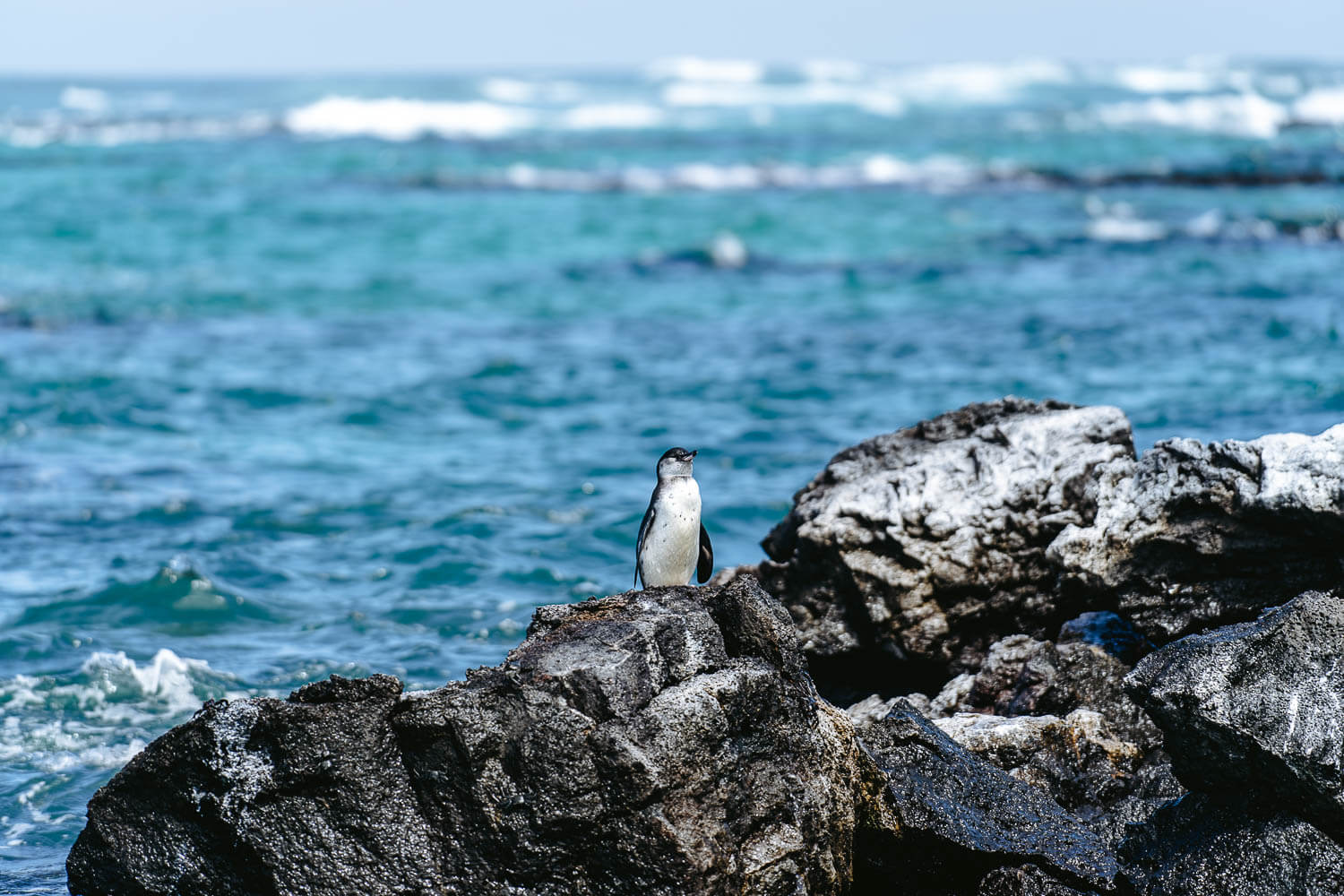
Projects protecting the Mangrove Finch, Galapagos Penguin, Flightless Cormorant, and Floreana Mockingbird combine habitat restoration, invasive species control, and long-term monitoring. These programs are slow, meticulous, and often uncertain — but they represent the last line of defense for species found nowhere else on Earth.

Restoring Habitats in Galapagos
Conservation in Galapagos isn’t just about saving individual species — it’s about restoring entire ecosystems. On land, large-scale projects like Project Isabela demonstrated that removing invasive species can allow native vegetation and wildlife to recover naturally. On islands where goats once stripped landscapes bare, forests have returned and tortoise populations rebounded.
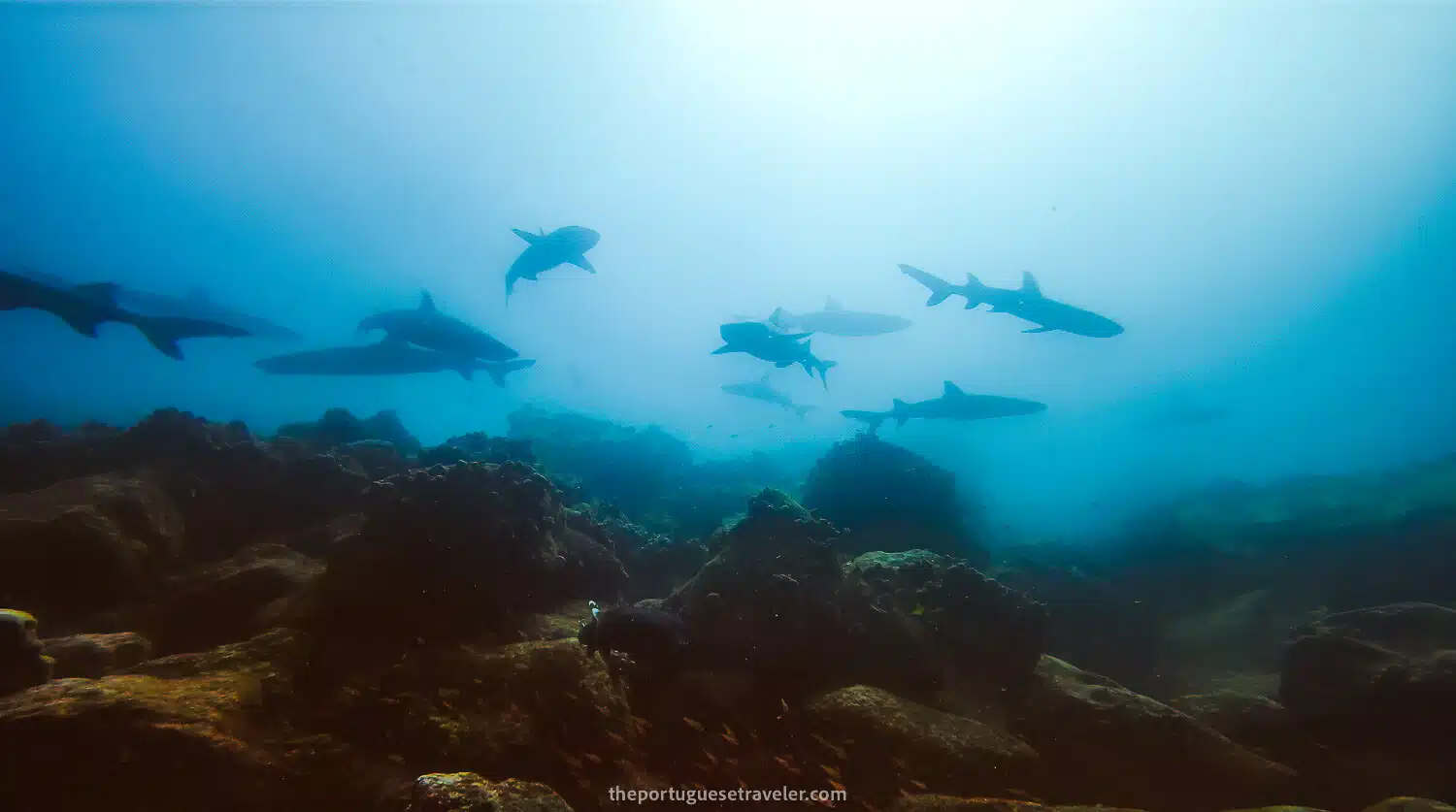
At sea, the Galapagos Marine Reserve and newer protected corridors safeguard feeding grounds, breeding sites, and migratory routes. Scientific monitoring has revealed shark biomass levels near Darwin and Wolf Islands that are among the highest ever recorded — a rare example of marine protection working at scale.
Preventing New Invasive Species
One of the most critical conservation battles in Galapagos happens before visitors even land. With hundreds of thousands of travelers arriving each year, strict biosecurity controls are essential. Luggage inspections, aircraft fumigation, food restrictions, and footwear cleaning between island visits are all designed to stop seeds, insects, and pathogens from spreading.
These measures may feel extreme, but history has shown that even a single invasive species can permanently alter an island’s ecosystem. Responsible tourism in Galapagos depends as much on prevention as it does on restoration.

How Responsible Tourism in Galapagos Protects Wildlife
Behind every rule is data. Behind every recovery is science.
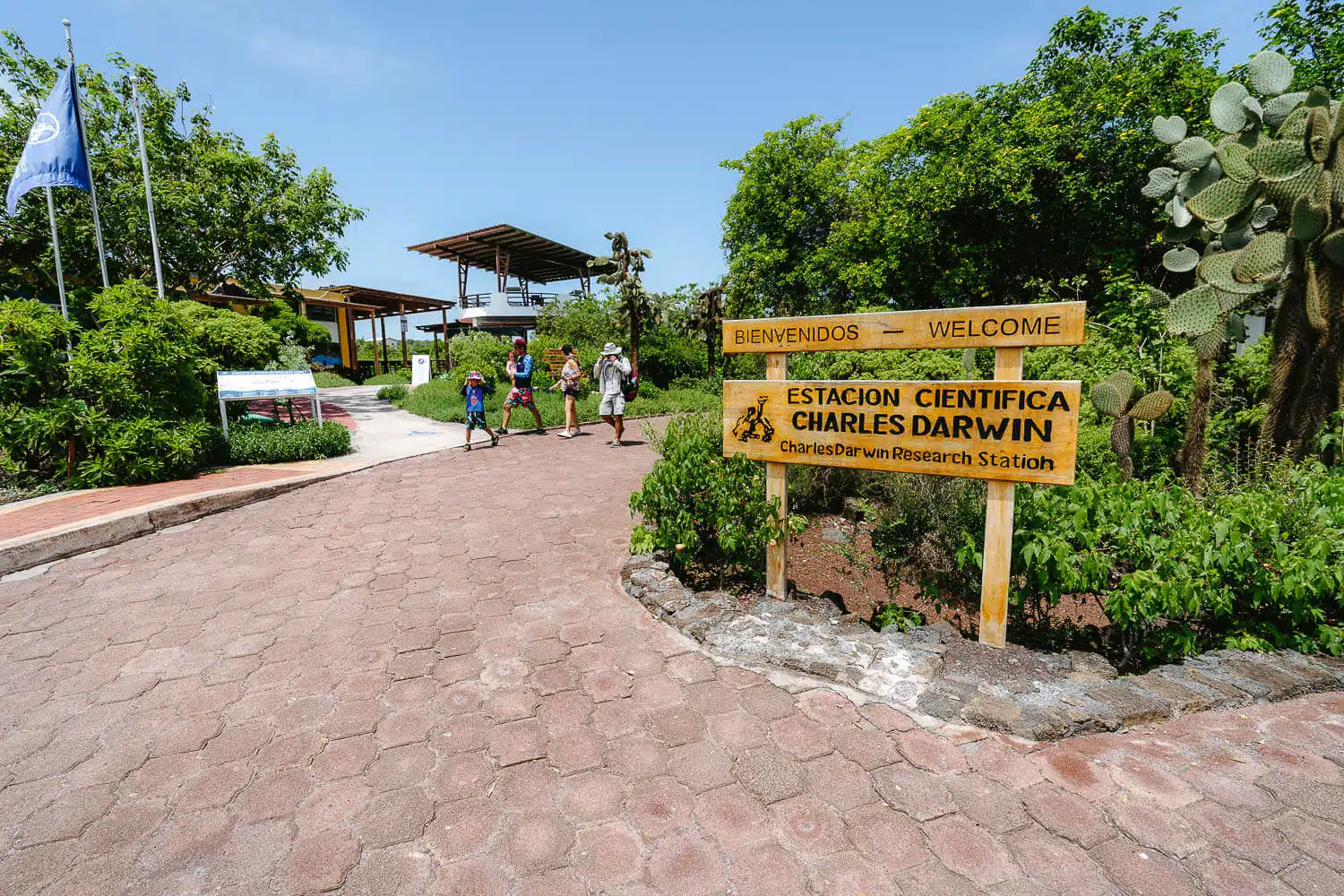
Tourism revenue supports institutions like the Charles Darwin Research Station, which has spent over six decades studying evolution, invasive species, climate change, and ecosystem resilience. From mapping the islands digitally to discovering new deep-sea coral reefs and previously unknown kelp forests, research here continues to reshape global understanding of conservation.
Programs tracking tortoise migration, monitoring shark populations, studying deep-sea ecosystems, and even using drones to survey marine iguanas rely on stable funding — funding that responsible tourism helps provide.
In Galapagos, visiting is not separate from conservation. It actively fuels it.
Supporting Local Communities Through Responsible Travel
Conservation only works when local communities benefit from protecting nature.
Responsible tourism in Galapagos supports education programs, scholarships for local students, and community-led sustainability initiatives — from urban family gardens to plastic reduction projects. These efforts reduce dependence on imported goods, limit environmental strain, and strengthen local stewardship.
When residents see wildlife thriving and livelihoods improving, conservation becomes shared responsibility rather than external enforcement.
Conservation and Life in Galapagos
Responsible Tourism in Galapagos: How You Can Travel Responsibly
Being a responsible traveler in Galapagos doesn’t require perfection — just awareness.
Choose licensed operators. Follow your guide’s instructions. Keep your distance from wildlife, even when animals approach you. Avoid single-use plastics. Support local businesses where possible.
Most importantly, understand that your presence is temporary — but its impact can last decades.
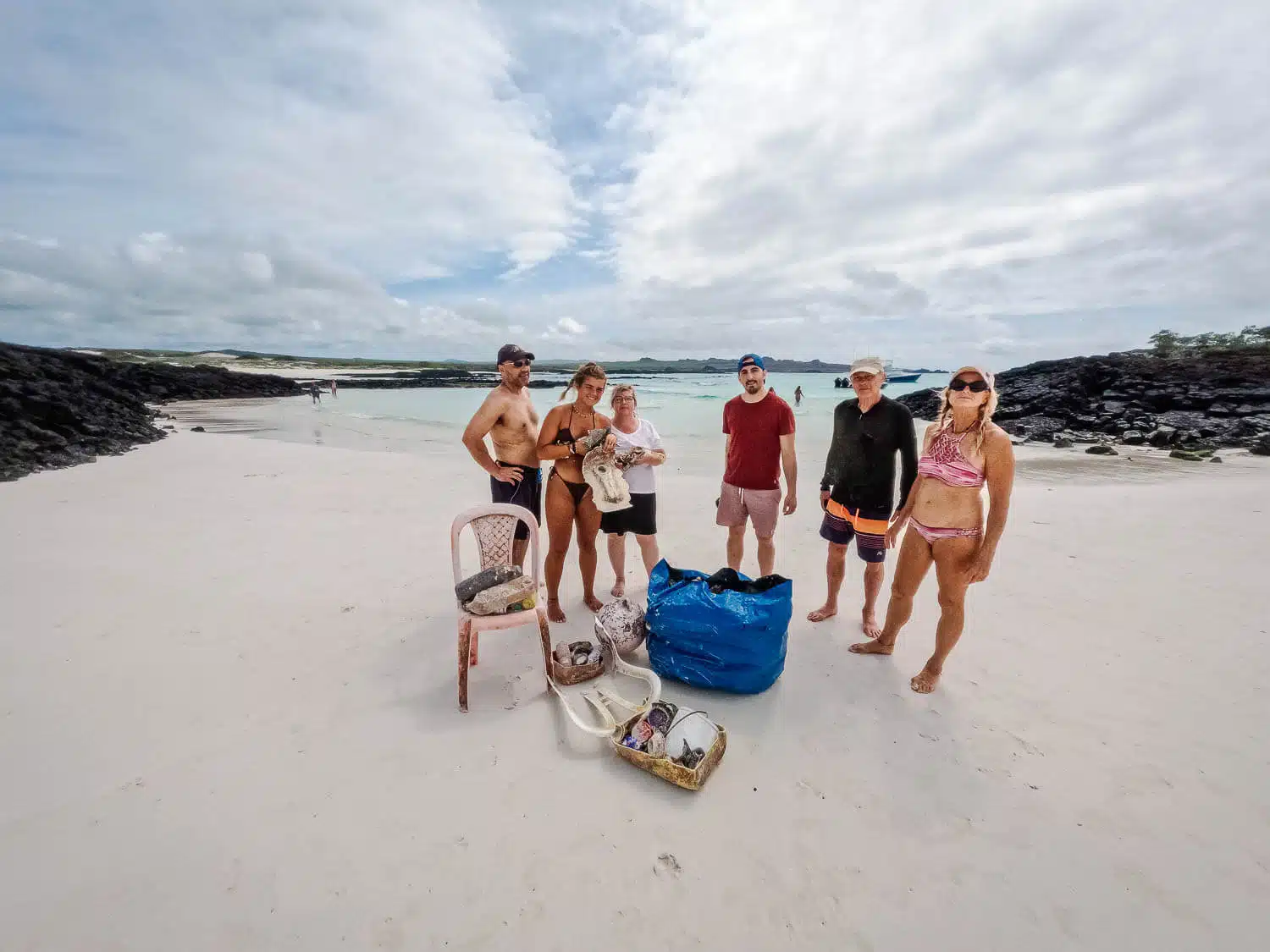
Tackling Plastic Pollution in Galapagos
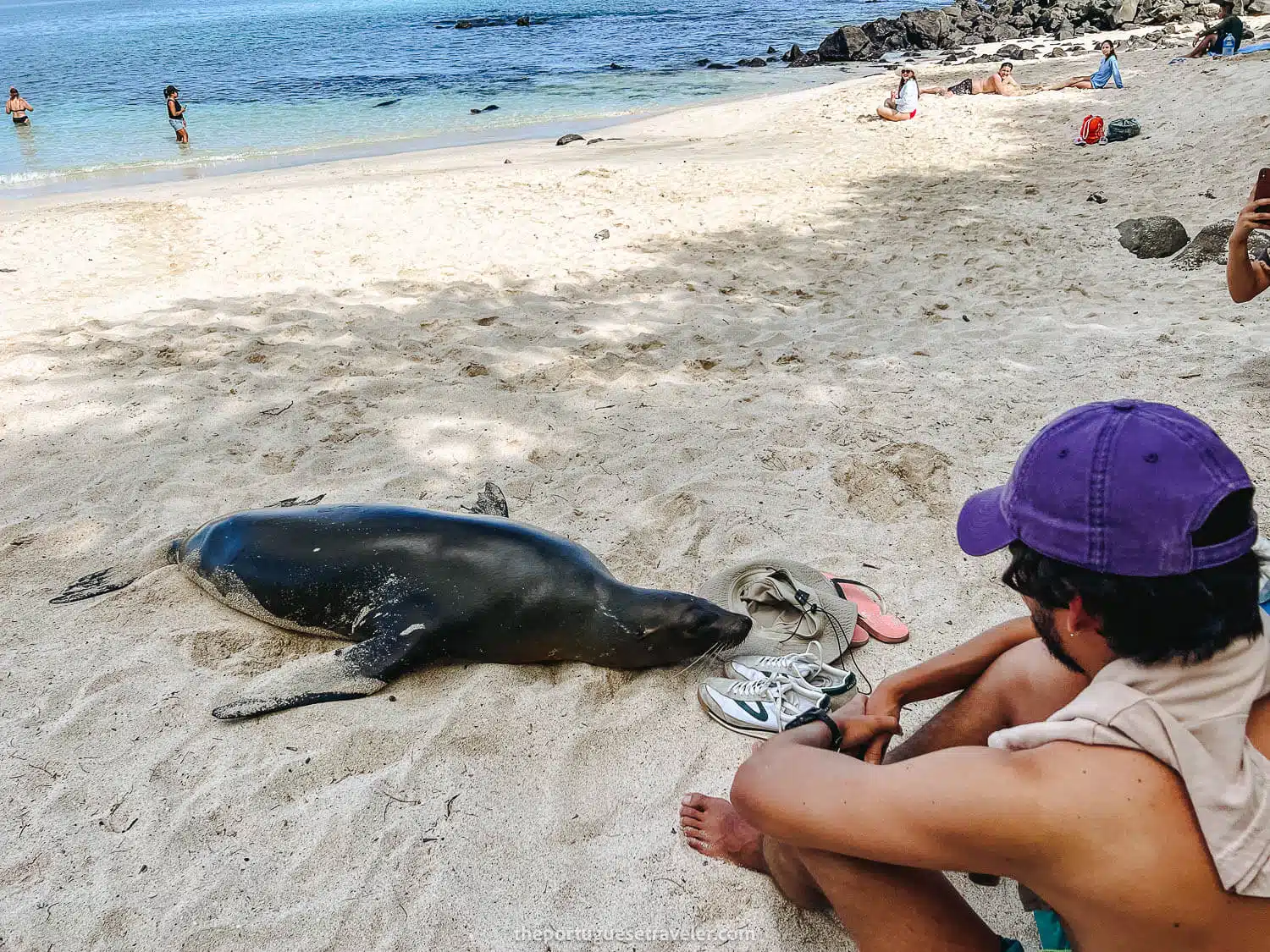
Plastic pollution has become one of the most visible threats to Galapagos wildlife. Beach cleanups have revealed plastic on every inhabited island and many remote shorelines, with devastating consequences for marine animals and seabirds.
In response, local authorities have phased out many single-use plastics, while conservation groups and tour operators promote refillable bottles, recycling initiatives, and waste reduction programs. For visitors, minimizing plastic use is one of the simplest yet most impactful ways to travel responsibly.
Conclusion: Why is Responsible Tourism in Galapagos so Important
The Galapagos are often described as a living laboratory, but they are also a living test. A test of whether humanity can visit extraordinary places without destroying them.
So far, Galapagos offers a rare answer: yes — if tourism is controlled, science-led, and rooted in long-term thinking. Responsible tourism in Galapagos proves that travel doesn’t have to be extractive. It can be regenerative, protective, and deeply meaningful.
Visiting these islands isn’t just a privilege. It’s participation in one of the most important conservation experiments on Earth.
Responsible Tourism in Galapagos: FAQ
This FAQ answers the most common questions about responsible tourism in Galapagos, explaining how travel rules, fees, and everyday choices help protect wildlife and support local communities.
What is responsible tourism in Galapagos?
Responsible tourism in Galapagos refers to a tightly regulated travel model designed to protect fragile ecosystems while allowing visitors to experience the islands safely. It includes strict visitor limits, certified naturalist guides, controlled landing sites, and conservation fees that directly fund wildlife protection, scientific research, and environmental management.
Is tourism harmful to the Galapagos Islands?
Tourism itself is not the main threat — unregulated tourism is. When managed responsibly, tourism in Galapagos plays a key role in conservation by funding national park operations, invasive species control, marine protection, and research programs. The current system exists precisely to prevent tourism from becoming destructive.
Why are there so many rules for visitors in Galapagos?
The rules exist because Galapagos species evolved without human pressure. Many animals don’t fear people, making them extremely vulnerable to disturbance. Staying on trails, keeping distance from wildlife, and traveling with licensed guides helps prevent long-term damage to habitats and animal behavior.
How does tourism help protect wildlife in Galapagos?
Visitor fees and tourism revenue support conservation initiatives such as giant tortoise breeding and reintroduction programs, invasive species eradication projects, marine reserve monitoring, and endangered species recovery efforts. Without tourism funding, many of these programs would not be possible.
Are cruises or land-based stays more responsible?
Both can be responsible when operated by licensed providers. Cruises help limit human impact by reducing pressure on inhabited islands and controlling visitor movement, while land-based stays can support local economies more directly. The key factor is choosing operators that follow park regulations and sustainability standards.
Can I explore the Galapagos without a guide?
No. Most visitor sites in the Galapagos National Park require a certified naturalist guide. This ensures both visitor safety and environmental protection, and helps travelers better understand the ecosystems they are visiting.
The only time you won’t need a guide is if you’re around town and not participating in a tour.
Do conservation fees really make a difference?
Yes. Conservation fees directly fund the Galapagos National Park, scientific research, invasive species control, marine protection, education programs, and community sustainability initiatives. These fees are one of the strongest tools keeping the islands protected today.
Is Galapagos an example of sustainable tourism done right?
While no system is perfect, Galapagos is widely considered one of the strongest examples of conservation-led tourism in the world. Its model shows that with strict regulation, science-based management, and traveler cooperation, tourism can actively protect — rather than threaten — natural ecosystems.
Where to Stay in The Galapagos Islands
Where you stay in the Galapagos can really shape your experience. You can choose a cruise, which doubles as your floating hotel, or land-based stays on islands like Santa Cruz, San Cristobal, and Isabela, ranging from cozy guesthouses to luxury hotels with ocean views.
Personally, I love staying on the islands—it’s magical to wake up to the sound of waves and explore nearby beaches or towns before heading out on day tours. No matter what you choose, booking early is key, especially in high season, to get the best spots and make the most of your trip.

My Experience Visiting the Galapagos Islands
I’ve been to the Galapagos several times, and by coincidence, always around April. The first time, I explored all three main islands, did almost every daily tour to the neighboring islands, and went on several dives. The second time, I stayed with Ecuadorian friends in San Cristobal—the coziest of the islands, like a small fishermen’s village full of sea lions. Honestly, I could have stayed there for a month; it was so calm and relaxed.
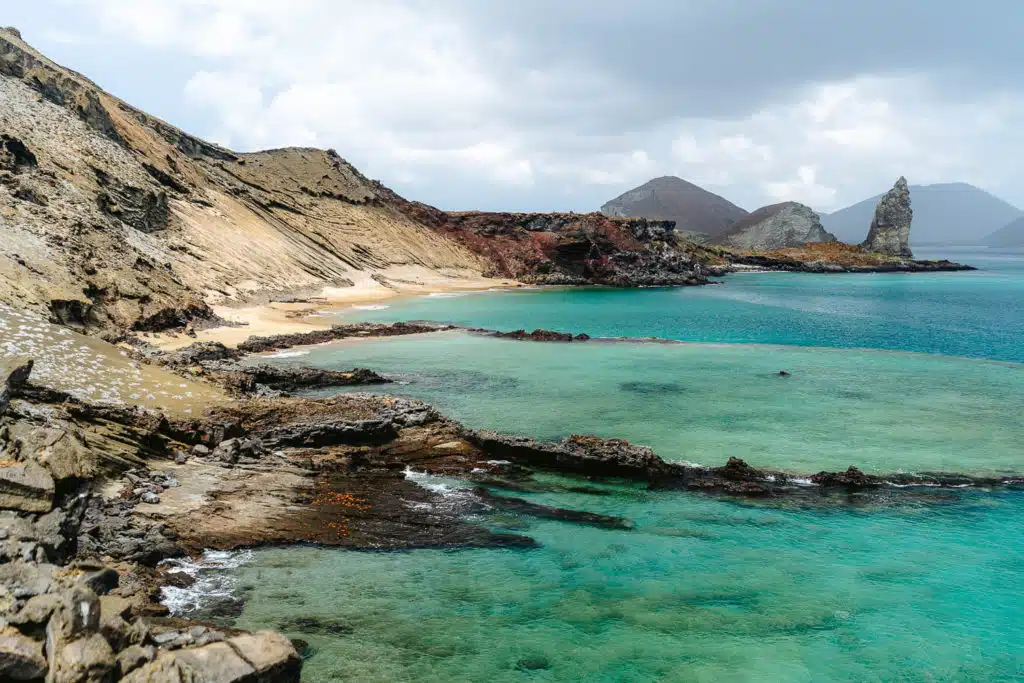
During that second trip, I finally saw hammerheads at Kicker Rock and enjoyed some stunning sunsets and clear skies on the beaches of San Cristobal, perfect for capturing the most beautiful turquoise water photos. I also loved soaking in the local vibe and simply relaxing on the island. I’ll be coming back in January 2026 with my mother, and I’m looking forward to experiencing the same wonderful climate as before, enjoying the islands at a slower pace, and truly appreciating the uniqueness and tranquility of this enchanted archipelago.
Plan your next adventure with us!
Here are the links we use and recommend to plan your trip easily and safely. You won’t pay more, and you’ll help keep the blog running!



Adventures in Sri Lanka - The Ancient Ceylon
Explore The Galapagos Islands
Hiking in Switzerland & Italy
The Hidden Worlds of Ecuador
ABOUT ME

I’m João Petersen, an explorer at heart, travel leader, and the creator of The Portuguese Traveler. Adventure tourism has always been my passion, and my goal is to turn my blog into a go-to resource for outdoor enthusiasts. Over the past few years, I’ve dedicated myself to exploring remote destinations, breathtaking landscapes, and fascinating cultures, sharing my experiences through a mix of storytelling and photography.
SUBSCRIBE
Don’t Miss Out! Be the first to know when I share new adventures—sign up for The Portuguese Traveler newsletter!
MEMBER OF

RECENT POSTS

COMMUNITY
GUIDES
Need help planning? Get our interactive Ecuador and Galapagos guides with curated itineraries. Learn more…
RELATED POSTS
TRAVEL INSURANCE
Lost luggage, missed flights, or medical emergencies – can you afford the risk? For peace of mind, I always trust Heymondo Travel Insurance.
Get 5% off your insurance with my link.