
Responsible Tourism in Galapagos

João Petersen · Last updated September 2, 2026
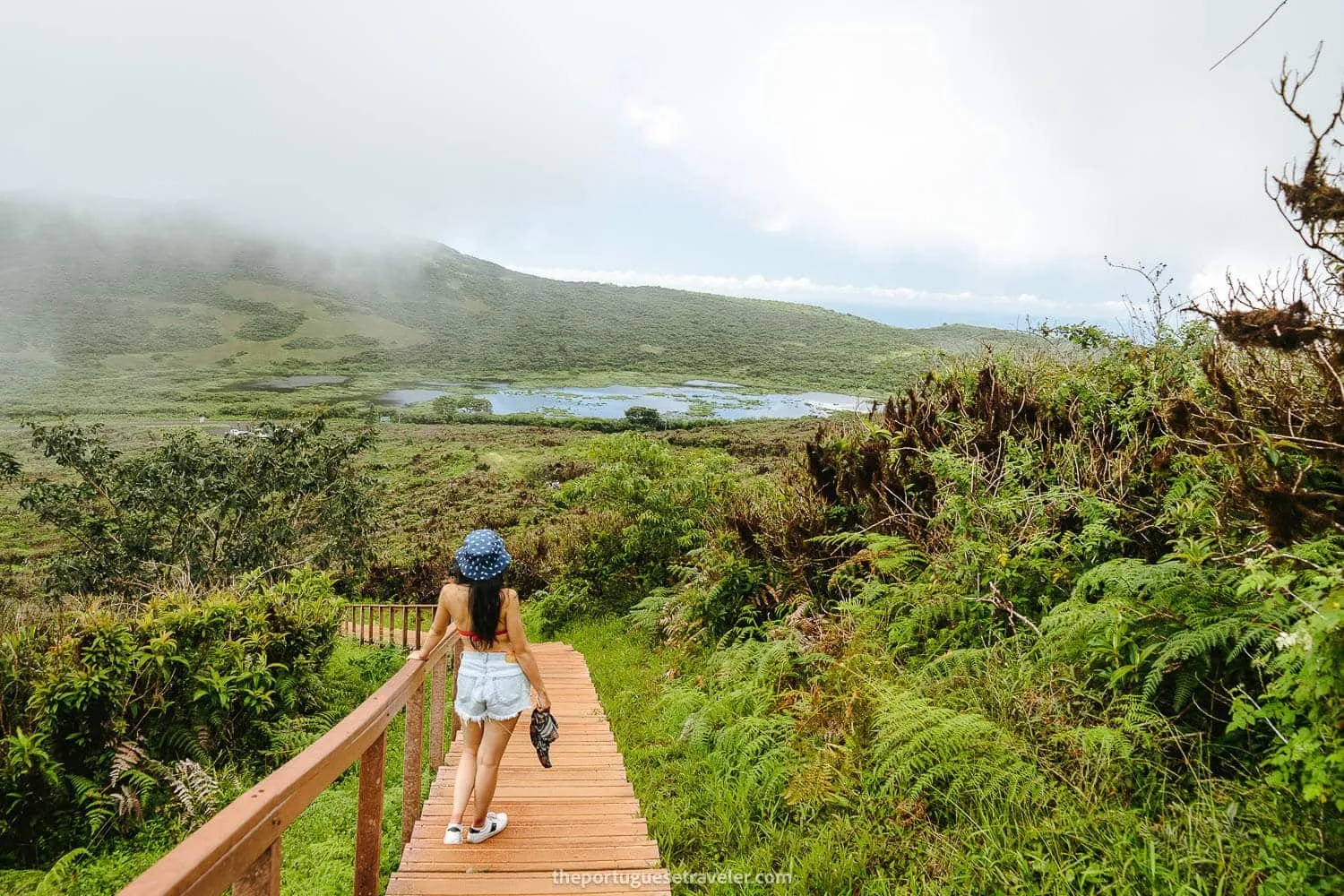
The Galapagos are often described as untouched, but that is not quite true. Responsible tourism in Galapagos exists because the islands have to be protected, regulated and carefully managed. The giant tortoises walking freely and the seabirds nesting next to marked trails are the result of strict conservation rules that limit human impact.
Travel is not the problem. How it is managed is what matters. Visitor limits, certified naturalist guides, park rules and conservation fees make tourism protect the islands instead of wearing them down. When travelers understand this, they help support the ecosystems and communities of the Galapagos.
Your Galapagos Islands Essentials - Quick Guide
Short on time? This quick Galapagos guide will help you plan.
Where to Stay:
- – Finch Bay Hotel (Santa Cruz Island)
- – Hotel Indigo by IHG (San Cristobal Island)
- – Hotel Iguana Crossing (Isabela Island)
Must-Do Experiences:
- – 360 Tour (San Cristobal highlights by boat)
- – Kicker Rock Tour (Full-day snorkeling tour to Kicker Rock)
- – Bartolome Island Tour (Iconic views and marine life)
- – Floreana Island Tour (Snorkel, fishing and history)
- – Sierra Negra Volcano Tour (Half-day guided hike on Isabela Island)
- – Los Tuneles Tour (Snorkeling tour on Isabela Island)
The links in this box are affiliate links.
Tours sell out fast. Book early and plan a backup day.
Responsible Tourism in Galapagos: Why It Matters
Responsible tourism in Galapagos is not a marketing label. The islands have strict environmental rules, and they exist to protect ecosystems that evolved in isolation over millions of years, not to limit travelers.
Conservation here is preventive rather than reactive. Visitor groups and landing sites are limited, movements are controlled, and tourism money goes into research, biosecurity and habitat restoration. As a result, people can see wildlife up close without harming its future. 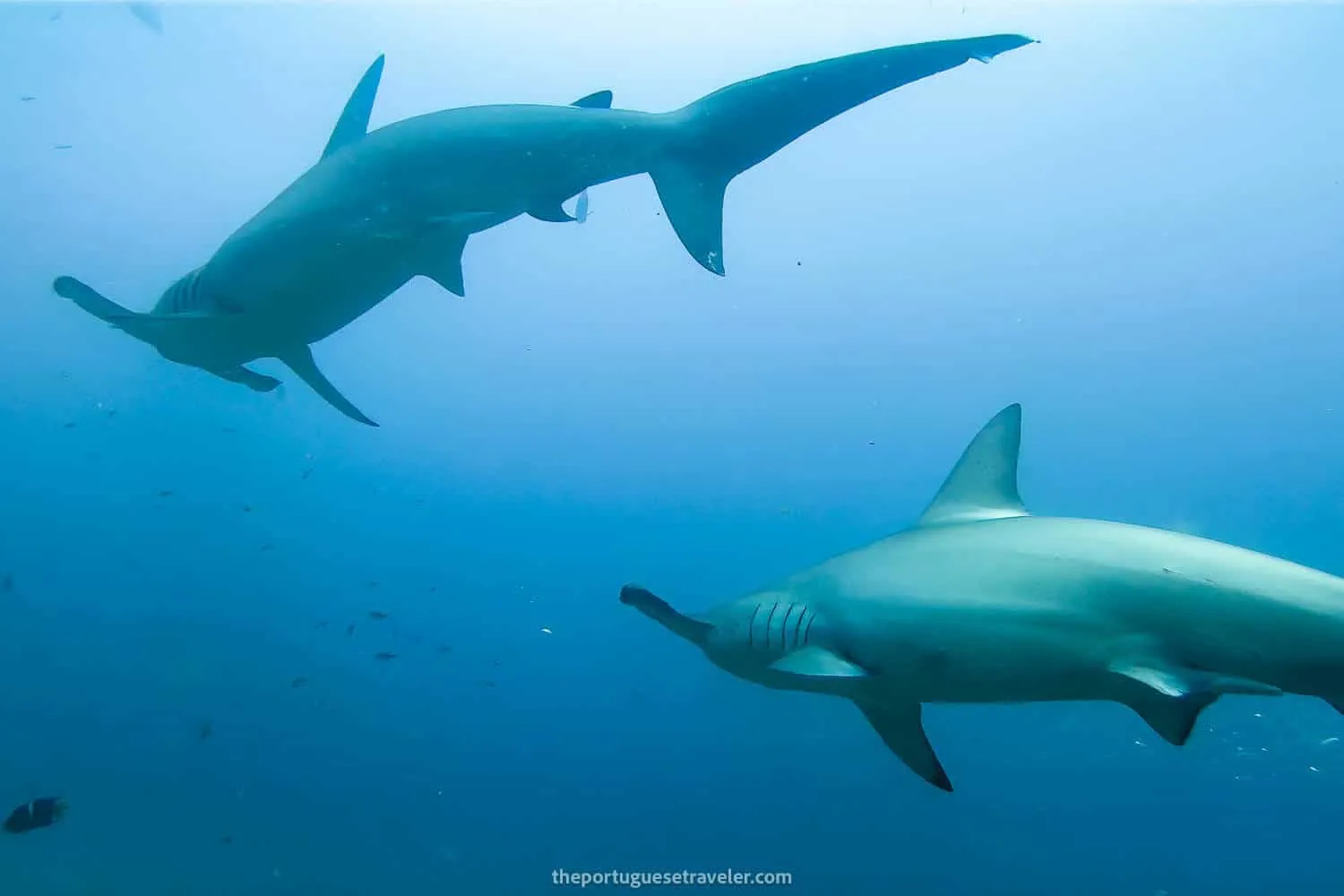
Why the Galapagos Are So Fragile
What makes the Galapagos special also makes them fragile. Species here evolved without predators, without disturbance from people and often without fear. A single introduced insect, plant or rodent can upset an entire ecosystem.
History shows why. Rats stopped giant tortoises from reproducing on some islands for decades. Goats stripped landscapes bare and broke food chains. Today, invasive flies attack the chicks of endemic birds in their nests. Without intervention, many species would not survive.
This is why responsible tourism exists. The islands cannot absorb mistakes, and prevention does less damage than recovery. 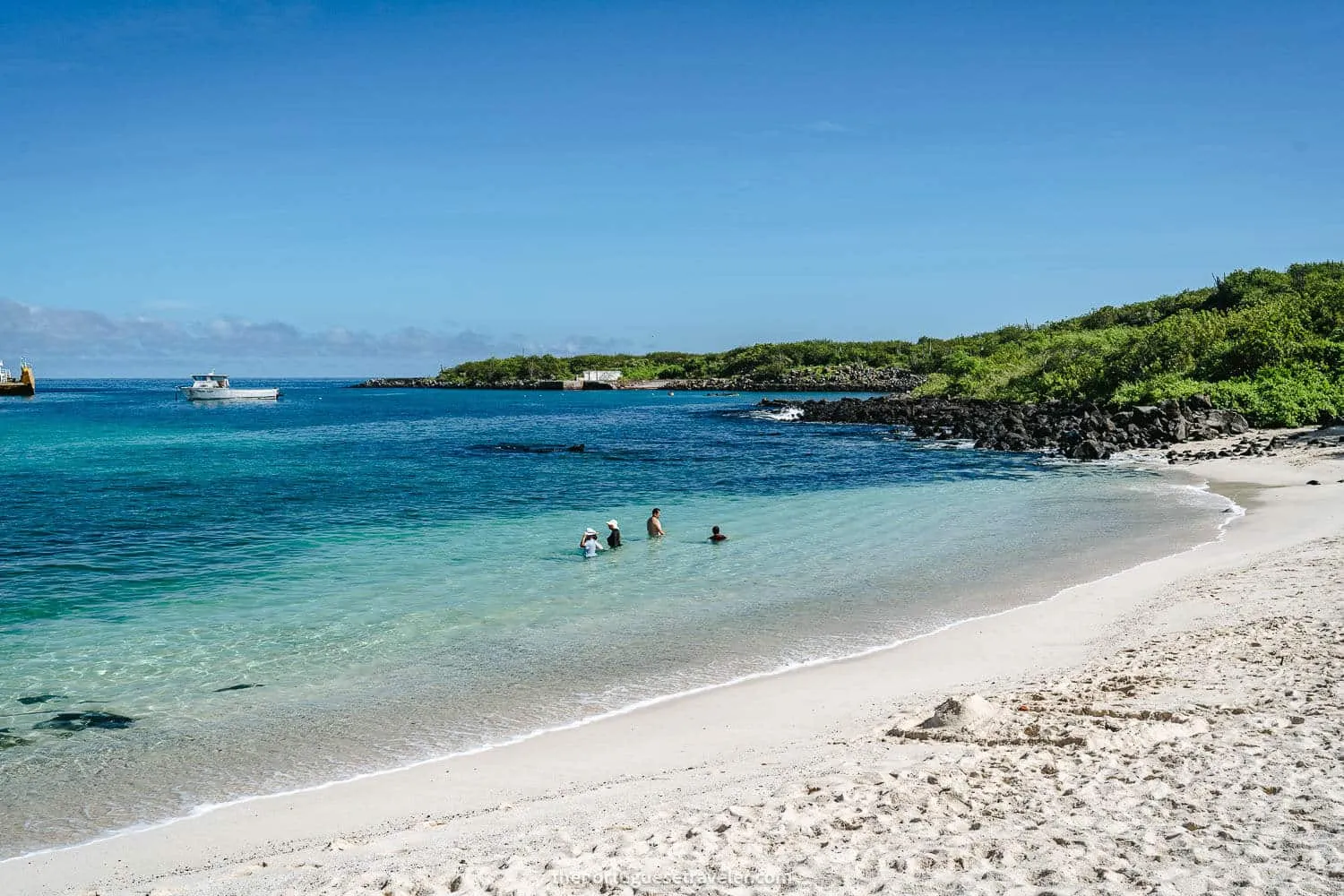
The Biggest Threats to the Galapagos Ecosystem
Even with protection, the Galapagos face pressure from invasive species, climate change, overfishing, pollution and habitat loss. Many endemic species are threatened. The Mangrove Finch is critically endangered, and the Floreana Mockingbird, the Galapagos sea lion and the Galapagos fur seal are endangered.
These threats can cascade quickly. One invasive insect, a warming ocean current or unmanaged waste can disrupt food chains that took thousands of years to form. Responsible tourism in Galapagos exists because prevention works better than reversing damage. 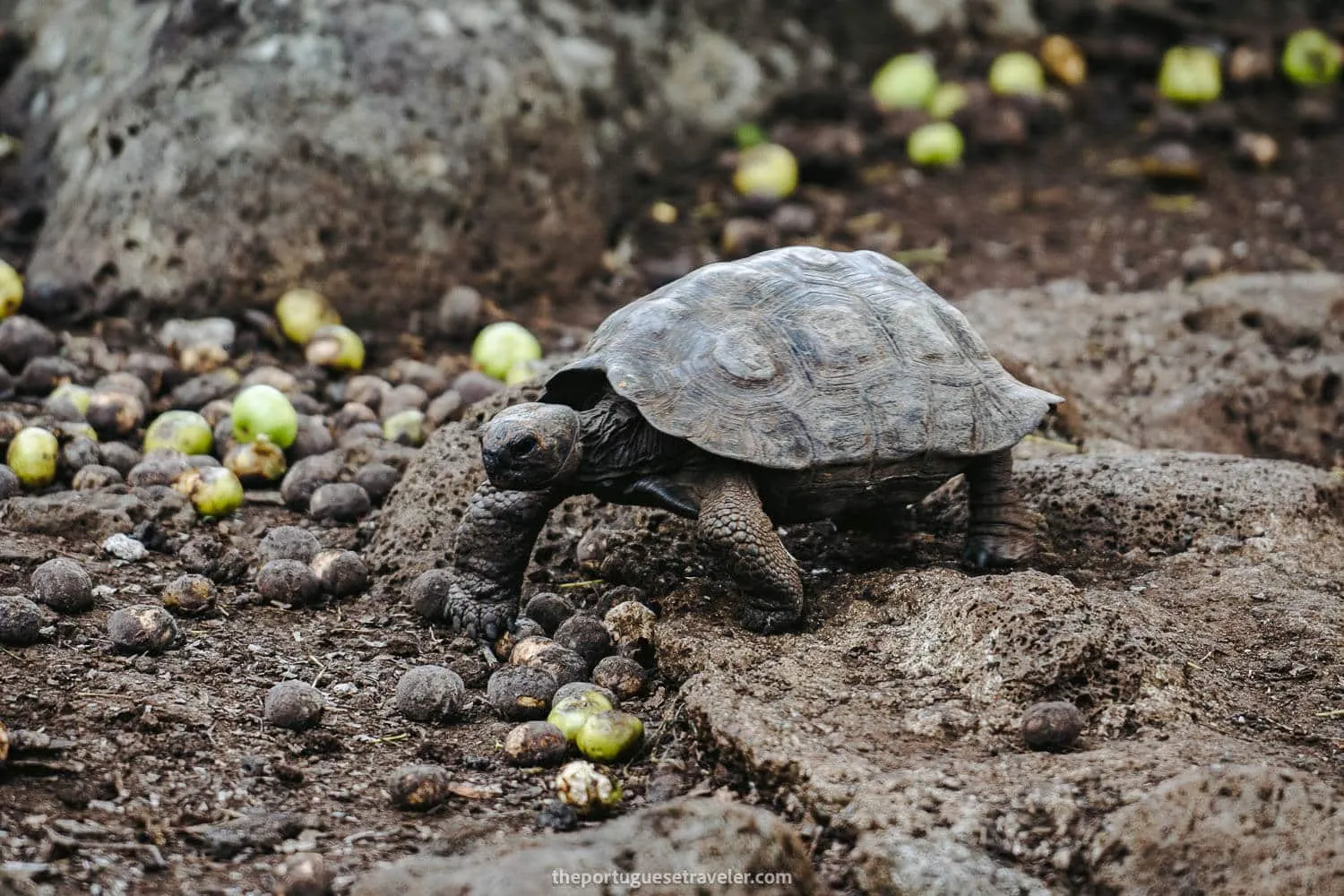
Plan Your Galapagos Trip (Free Quote)
We've had many readers ask us for help planning a Galapagos trip. While we don't handle trip reservations or bookings ourselves, we partnered with Happy Gringo, a trusted local agency we 100% recommend. Share your travel details, and their team will help plan and book everything for you.
 Get Free Quote
Rules That Protect the Islands
Galapagos travel feels different. You do not wander freely, you do not touch wildlife and you do not explore protected areas alone. These rules are about restraint, not restriction.
Certified naturalist guides make sure visitors stay on marked trails, keep their distance from animals and understand why small actions matter. On my first trip, the guides explained the rules on the tours. The groups on my tours were about 5 to 10 people, depending on whether it was a half-day tour or a diving tour. Landing sites rotate to prevent overuse, and biosecurity checks reduce the risk of invasive species arriving with luggage or food.
This system works. It is one of the reasons the Galapagos is one of the few places where wildlife still acts as if people are just passing through. 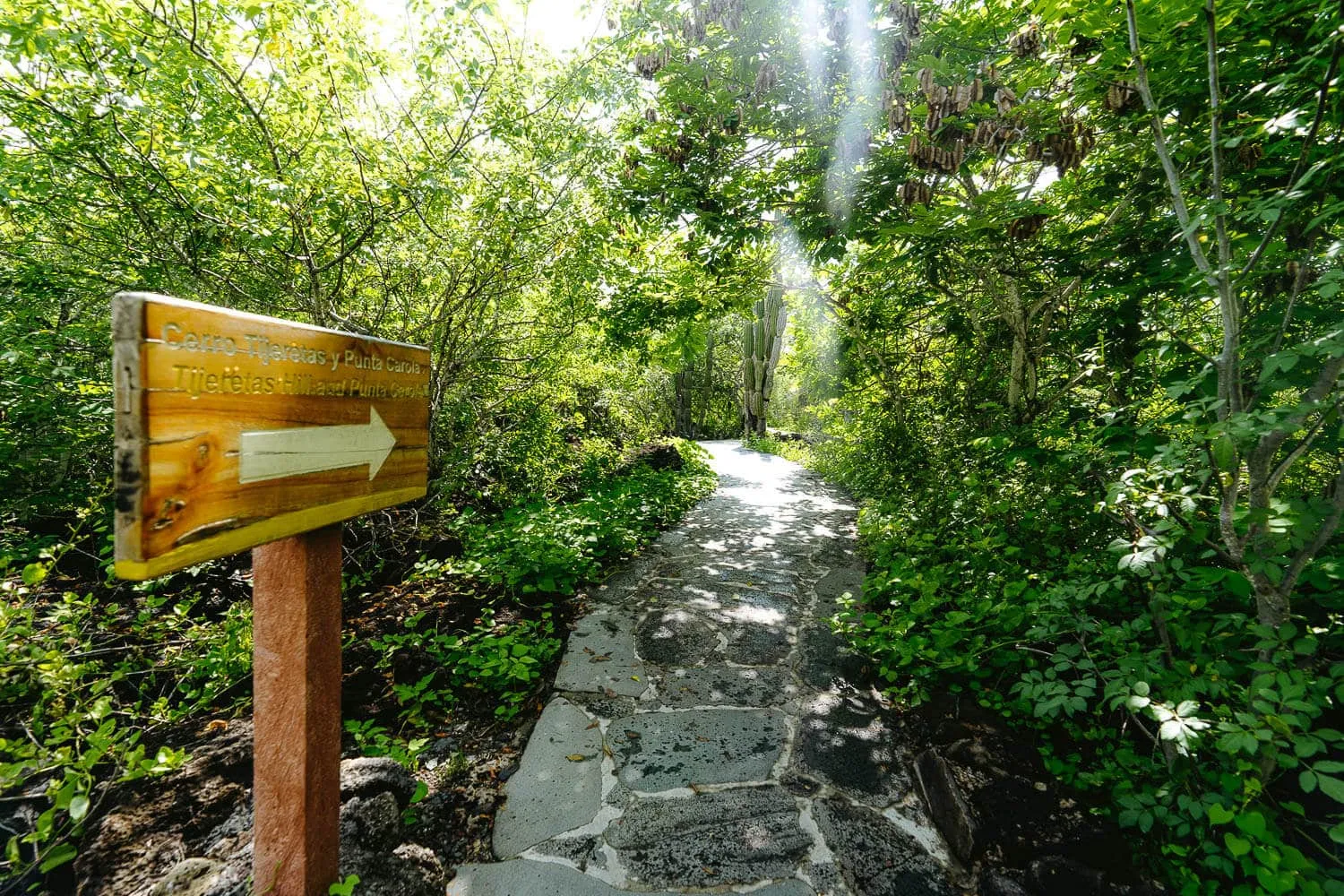
Responsible Tourism in Galapagos and Conservation Success Stories
Responsible tourism in Galapagos helps fund conservation work that has had real results.
Giant tortoises are the best-known example. Introduced predators pushed them toward extinction, and captive breeding programs started in the 1960s. By 2020, about 9,500 tortoises had been returned to the wild since 1965. On islands like Pinzón, tortoise populations are recovering.
Large invasive species eradications, such as Project Isabela, removed goats, pigs and donkeys from vast areas and let native vegetation and wildlife return. The Floreana Ecological Restoration Project is preparing to bring back species that disappeared from the island nearly two centuries ago.
At sea, the expansion of the Galapagos Marine Reserve and the creation of the Hermandad Marine Reserve protect key migratory routes for species such as the hammerhead shark. A 2016 study found the largest shark biomass recorded anywhere at Darwin and Wolf Islands.
These are measurable recoveries, made possible by long-term funding, much of it tied to tourism. At La Galapaguera in San Cristobal I walked around without a guide, and there are information boards on site. 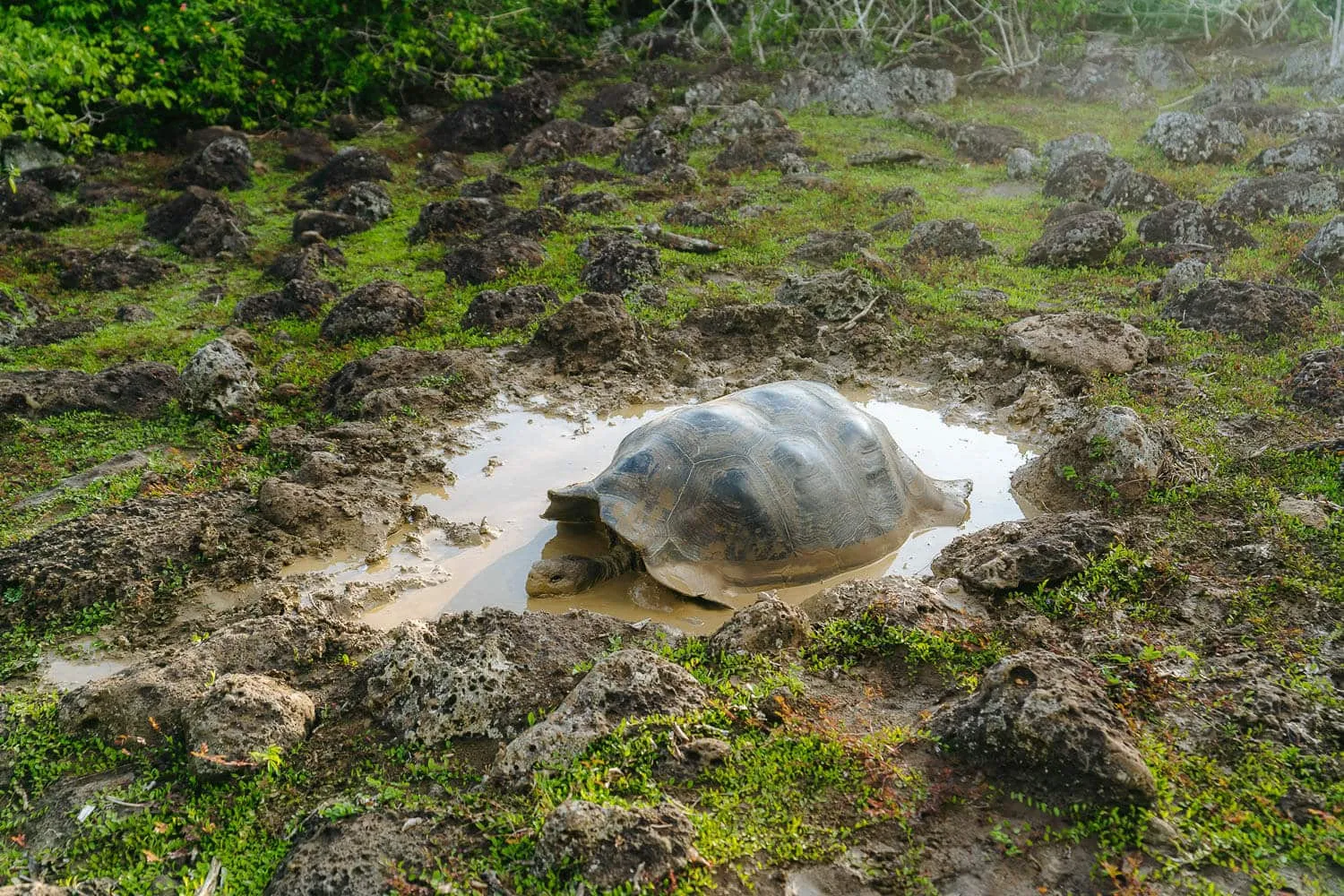
Protecting Endangered Species in Galapagos
Some of the best-known animals in the Galapagos are also the most vulnerable. Around a third of endemic species are vulnerable, endangered or critically endangered. Conservation work today focuses on species that depend on human help to survive, at least for now.
Projects protecting the Mangrove Finch, Galapagos Penguin, Flightless Cormorant and Floreana Mockingbird combine habitat restoration, invasive species control and long-term monitoring. These programs are slow, careful and often uncertain, but they are the last line of defense for species found nowhere else on Earth.  Read More: Take a look at our complete Galapagos Wildlife Guide - Find out which animals exist, on which islands, and how to spot them.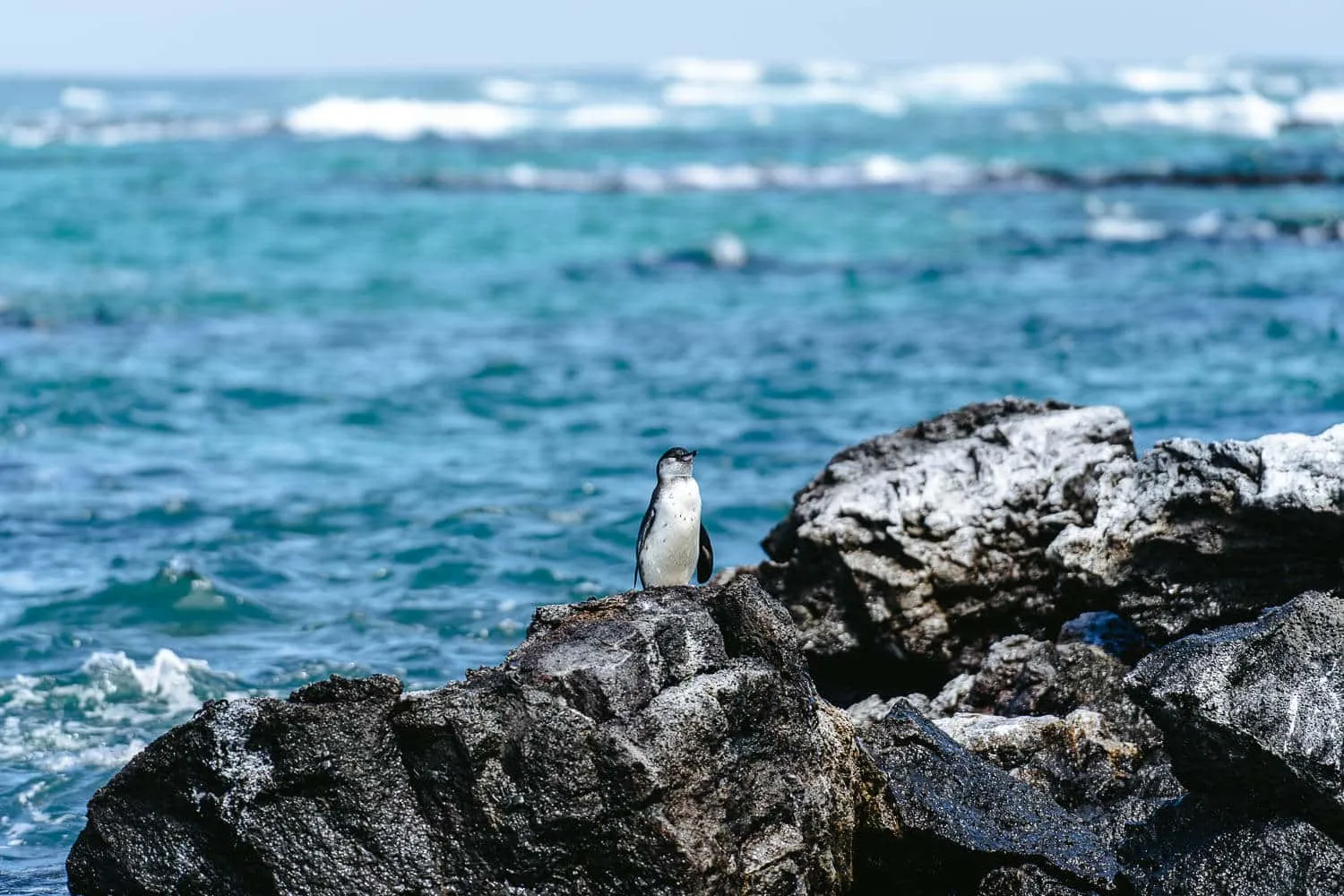
Restoring Habitats in Galapagos
Conservation in Galapagos is not only about saving individual species. It is also about restoring whole ecosystems. On land, large projects like Project Isabela showed that removing invasive species lets native vegetation and wildlife recover. On islands where goats once stripped the land bare, forests have returned and tortoise populations have grown.
At sea, the Galapagos Marine Reserve and the newer protected areas cover feeding grounds, breeding sites and migration routes. Monitoring at Darwin and Wolf Islands found some of the highest shark biomass ever recorded, which shows marine protection working at scale. 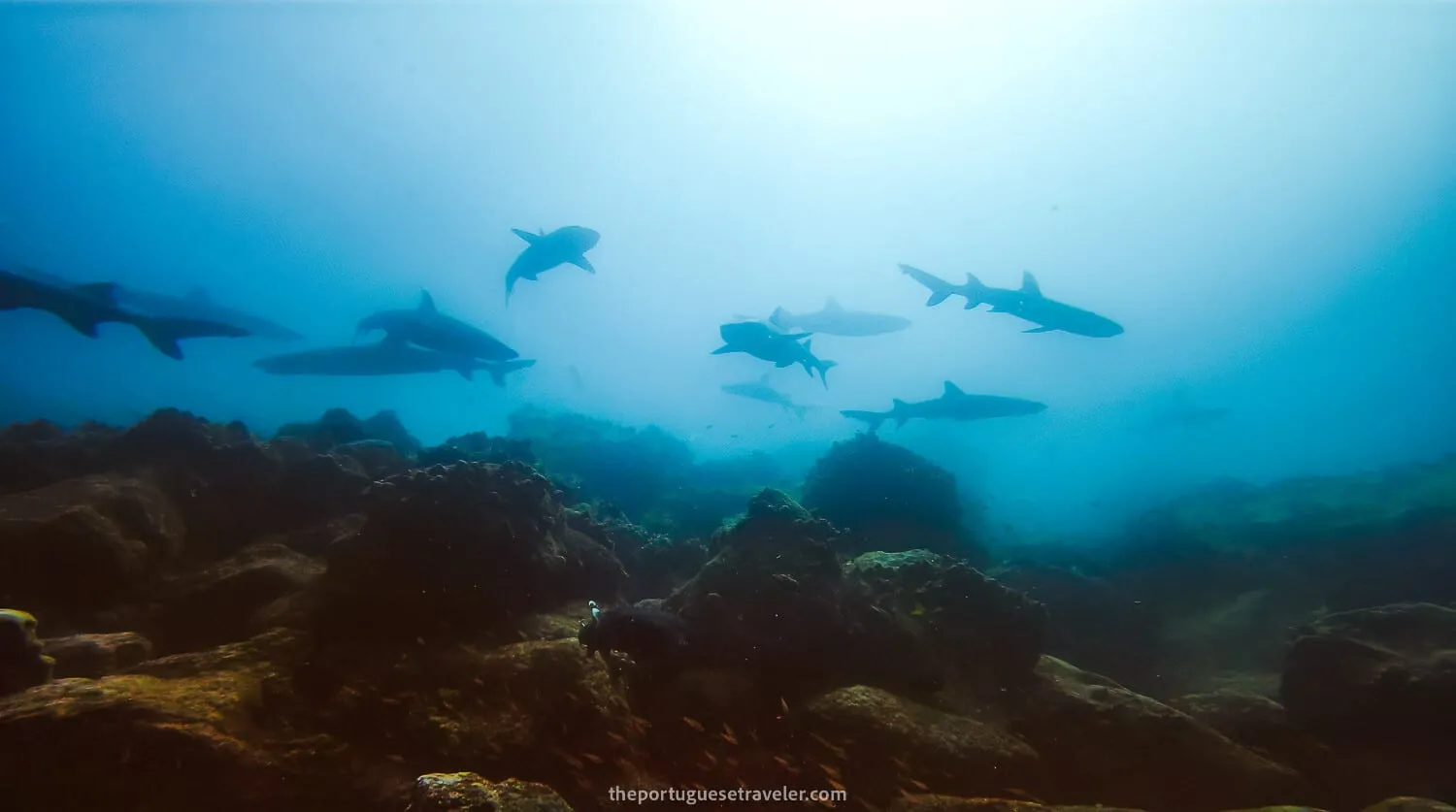
Preventing New Invasive Species
One of the most important conservation battles happens before visitors land. With hundreds of thousands of visitors a year, biosecurity controls have to be strict. Luggage inspections, aircraft fumigation, food restrictions and footwear cleaning between island visits are all meant to stop seeds, insects and pathogens from spreading.
These measures can feel extreme, but even one invasive species can permanently change an island’s ecosystem. Responsible tourism in Galapagos depends on prevention as much as on restoration. I cleaned my shoes on my trips, and at the pier in Santa Cruz they check hiking shoes and hiking sticks in particular. 
How Responsible Tourism in Galapagos Protects Wildlife
Behind every rule is data, and behind every recovery is science.
Tourism revenue supports institutions like the Charles Darwin Research Station, which has studied evolution, invasive species, climate change and ecosystem resilience for more than six decades. Its research includes digital mapping of the islands and the discovery of new deep-sea coral reefs and previously unknown kelp forests.
Programs that track tortoise migration, monitor shark populations, study deep-sea ecosystems and use drones to survey marine iguanas depend on stable funding, and responsible tourism helps provide it.
In Galapagos, visiting is part of conservation, because tourism helps pay for it. I walked around the Research Station without going into the museum or the store, and there are information boards on site. 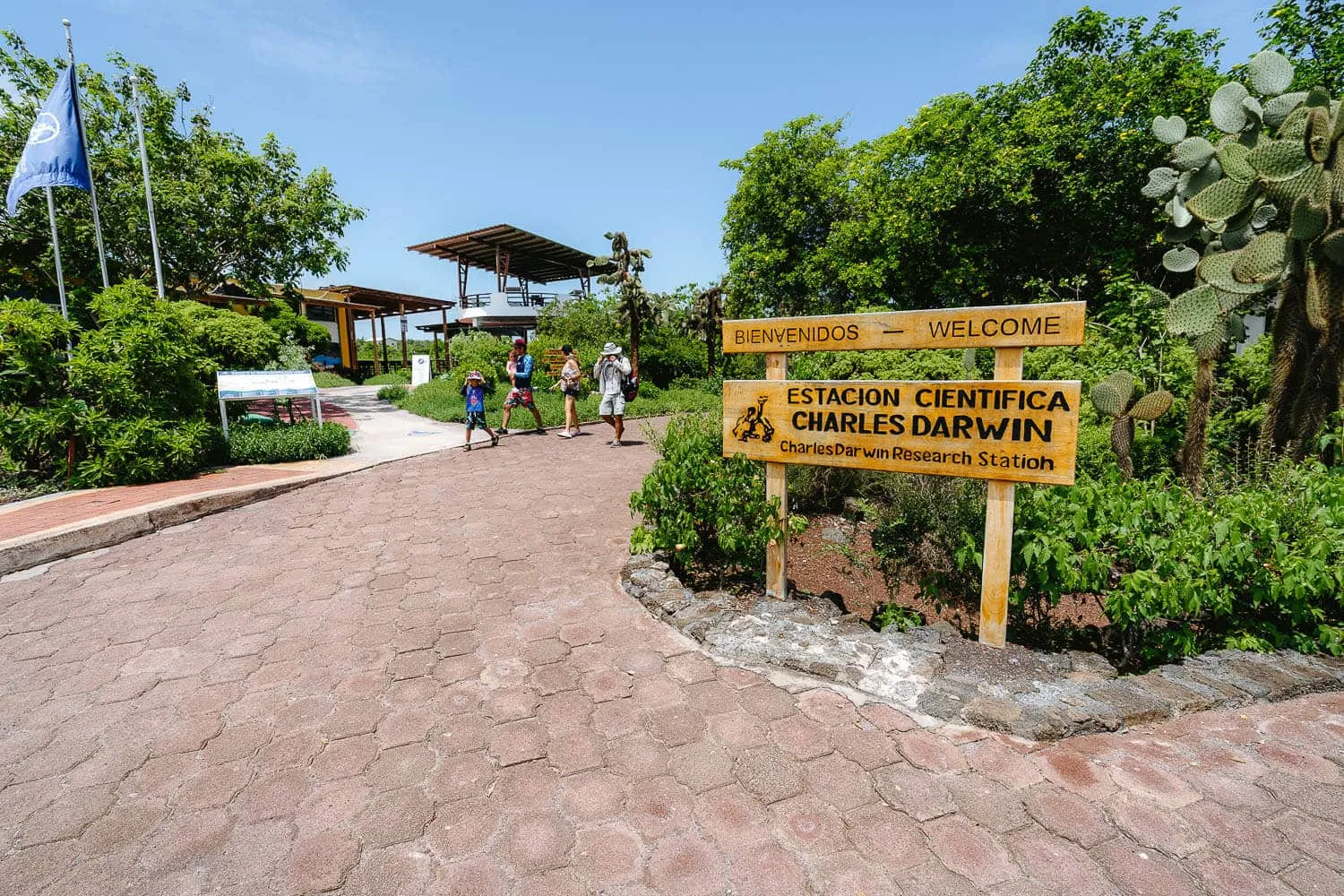
Supporting Local Communities Through Responsible Travel
Conservation works better when local communities benefit from protecting nature.
Responsible tourism in Galapagos supports education programs, scholarships for local students and community sustainability projects, from urban family gardens to plastic reduction. These efforts reduce dependence on imported goods, limit environmental strain and strengthen local stewardship.
When residents see wildlife doing well and livelihoods improving, protecting nature becomes a shared responsibility instead of something imposed from outside.
Conservation and Life in Galapagos
Only four islands in the Galapagos are inhabited, and residents depend largely on tourism and fishing. Balancing livelihoods with conservation has not always been easy. Overfishing once pushed key species toward collapse, and population growth strained waste systems and freshwater supplies. Today, regulated fishing zones, ecotourism, recycling programs and education projects help communities live without using up natural resources. Responsible tourism supports this balance, so conservation also benefits the people who live on the islands.
Responsible Tourism in Galapagos: How You Can Travel Responsibly
Being a responsible traveler in Galapagos does not require perfection, only awareness.
Choose licensed operators. Follow your guide’s instructions. Keep your distance from wildlife, even when animals come close to you. Avoid single-use plastics. Support local businesses where you can.
Most importantly, understand that your presence is temporary, but its impact can last decades.
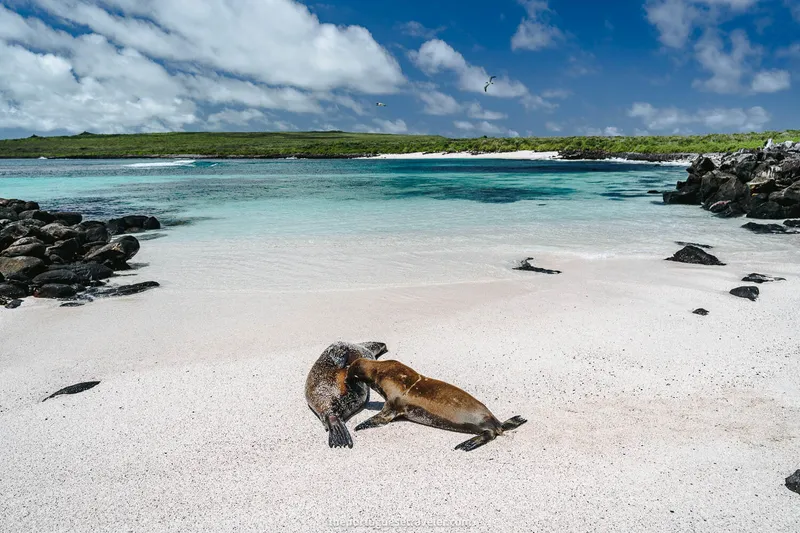
Sea lion pups will walk up to you and sit on your towel and shoes, as they did on my trips. Do not touch them. Touching wildlife is against park rules. 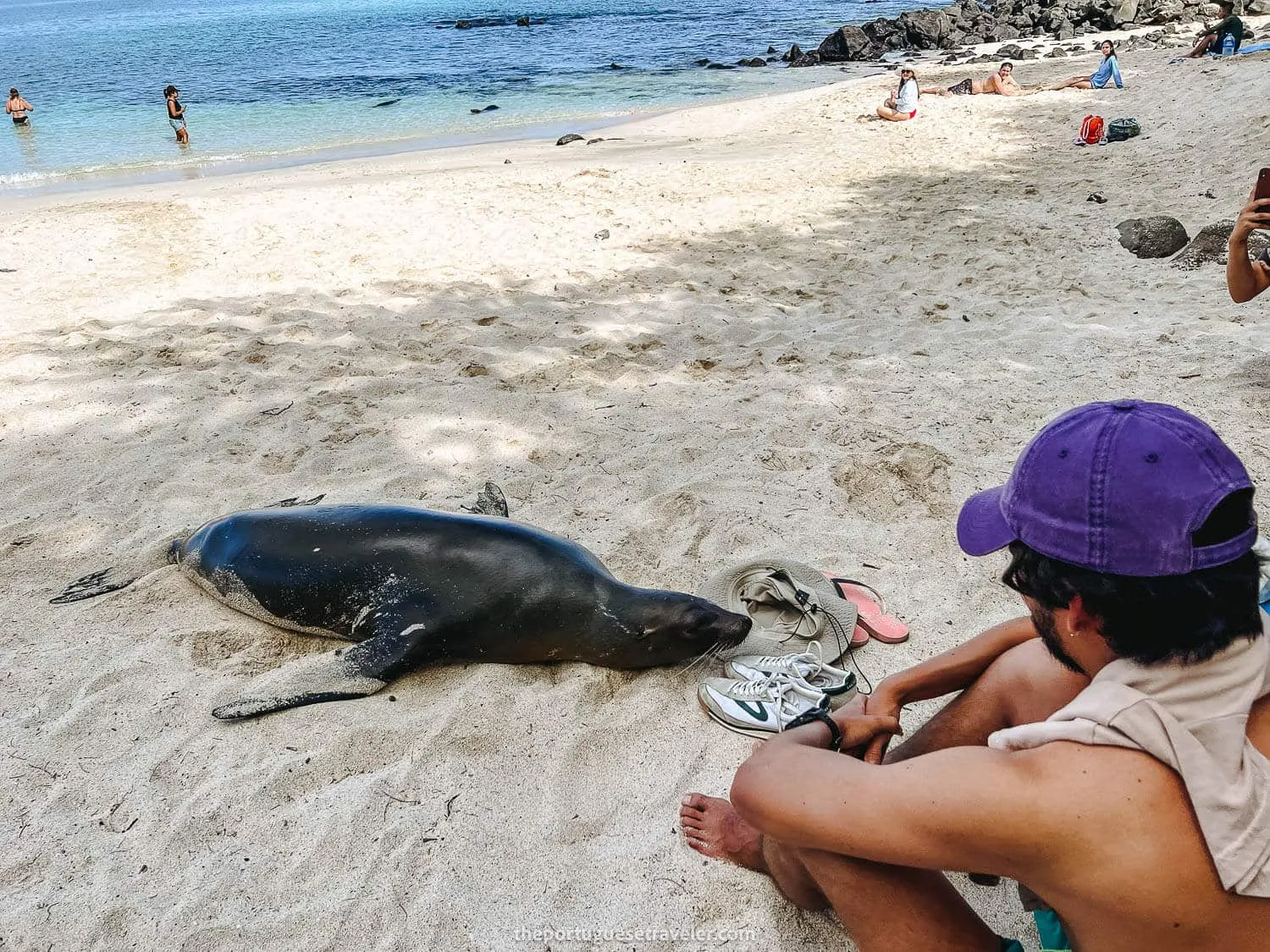
Tackling Plastic Pollution in Galapagos
Plastic pollution has become one of the most visible threats to Galapagos wildlife. Beach cleanups have found plastic on every inhabited island and on many remote shores, with serious consequences for marine animals and seabirds.
In response, local authorities have phased out many single-use plastics, and conservation groups and tour operators promote refillable bottles, recycling and waste reduction. Using less plastic is one of the simplest ways to travel responsibly. On my trips I noticed cardboard or metal straws in a few places, and some of the more expensive hotels offer free water refills. On the 360 tour in San Cristobal, the group picked up garbage from Bahia Rosa Blanca beach. 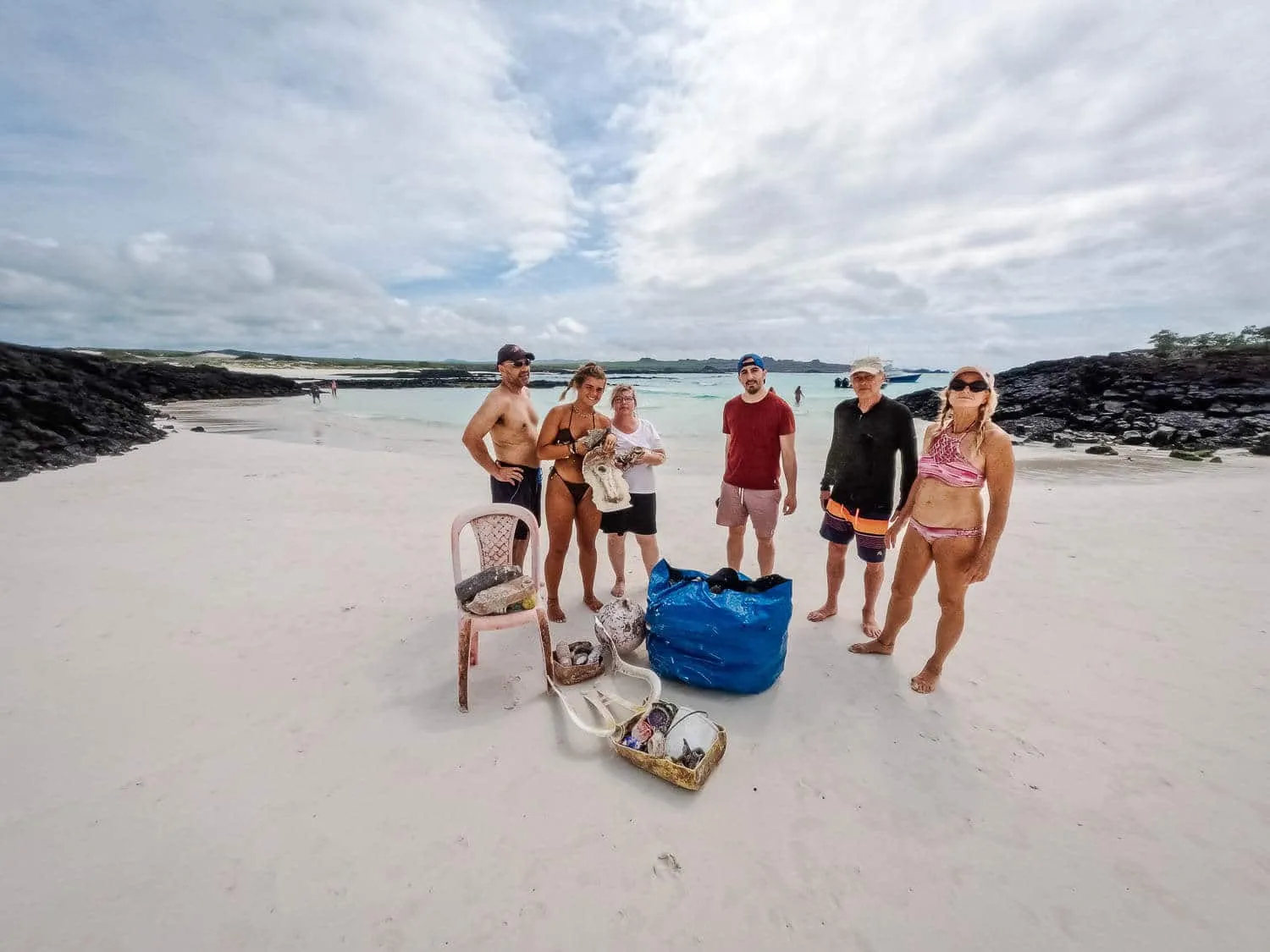
Conclusion: Why is Responsible Tourism in Galapagos so Important
The Galapagos are often called a living laboratory, but they are also a test: can people visit extraordinary places without destroying them?
So far the answer in Galapagos is yes, if tourism is controlled, based on science and planned for the long term. Responsible tourism in Galapagos shows that travel does not have to take more than it gives back. It can protect the places it visits.
Visiting these islands is a privilege. It also makes you part of a long-running conservation effort. 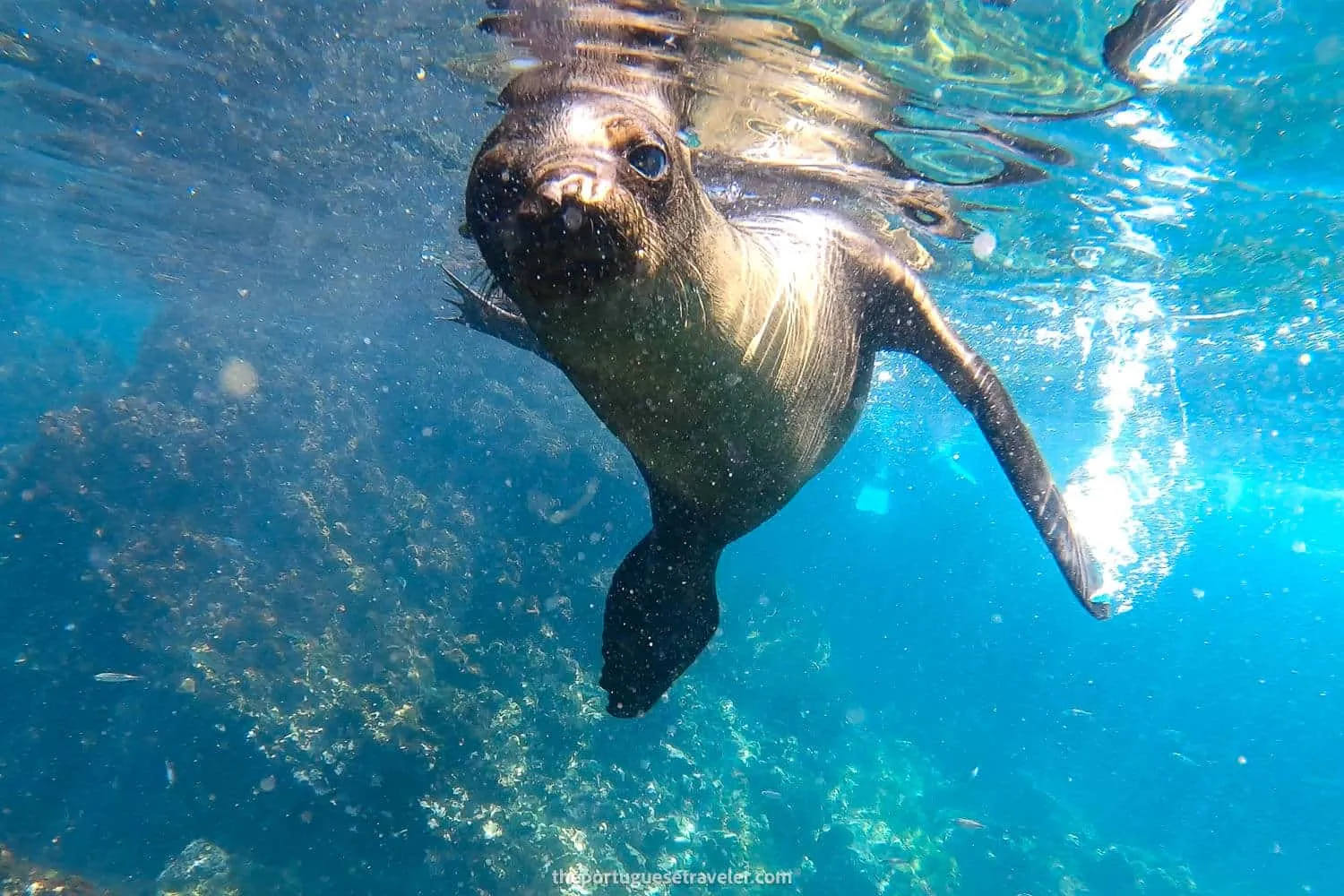
Responsible Tourism in Galapagos: FAQ
These are common questions about responsible tourism in Galapagos, and how rules, fees and everyday choices help protect wildlife and support local communities.
What is responsible tourism in Galapagos?
Responsible tourism in Galapagos is a tightly regulated way of visiting that protects fragile ecosystems while letting people see the islands safely. It includes limits on visitors, certified naturalist guides, controlled landing sites and conservation fees that fund wildlife protection, scientific research and environmental management.
Is tourism harmful to the Galapagos Islands?
Tourism is not the main threat; unregulated tourism is. Managed well, tourism in Galapagos helps conservation by funding national park operations, invasive species control, marine protection and research. The current system exists to keep tourism from becoming destructive.
Why are there so many rules for visitors in Galapagos?
The rules exist because Galapagos species evolved without human pressure. Many animals do not fear people, so they are easily disturbed. Staying on trails, keeping your distance from wildlife and traveling with licensed guides prevent long-term damage to habitats and animal behavior.
How does tourism help protect wildlife in Galapagos?
Visitor fees and tourism revenue support giant tortoise breeding and reintroduction, invasive species eradication, marine reserve monitoring and recovery work for endangered species. Many of these programs would be much harder to fund without tourism.
Are cruises or land-based stays more responsible?
Both can be responsible when run by licensed providers. Cruises can reduce pressure on inhabited islands and control visitor movement, and land-based stays can support local businesses more directly. I have always stayed on land. What matters most is choosing operators that follow park rules and sustainability standards.
Can I explore the Galapagos without a guide?
Not at most park sites. Most visitor sites in the Galapagos National Park require a certified naturalist guide, which protects both visitors and the environment and helps you understand what you are seeing.
The beaches I visited were free to enter without a guide. Las Grietas was with a guide when I went. On the highlands tour in San Cristobal I had a taxi driver, not a guide.
Do conservation fees really make a difference?
Yes. Conservation fees fund the Galapagos National Park, scientific research, invasive species control, marine protection, education programs and community sustainability projects. They are one of the main tools keeping the islands protected.
Is Galapagos an example of sustainable tourism done right?
No system is perfect, but Galapagos is widely seen as one of the strongest examples of conservation-led tourism. Strict rules, science-based management and traveler cooperation show that tourism can protect natural ecosystems instead of threatening them.
Where to Stay in The Galapagos Islands
You can stay on a cruise, which is also your hotel, or on land on Santa Cruz, San Cristobal or Isabela, in guesthouses or hotels.
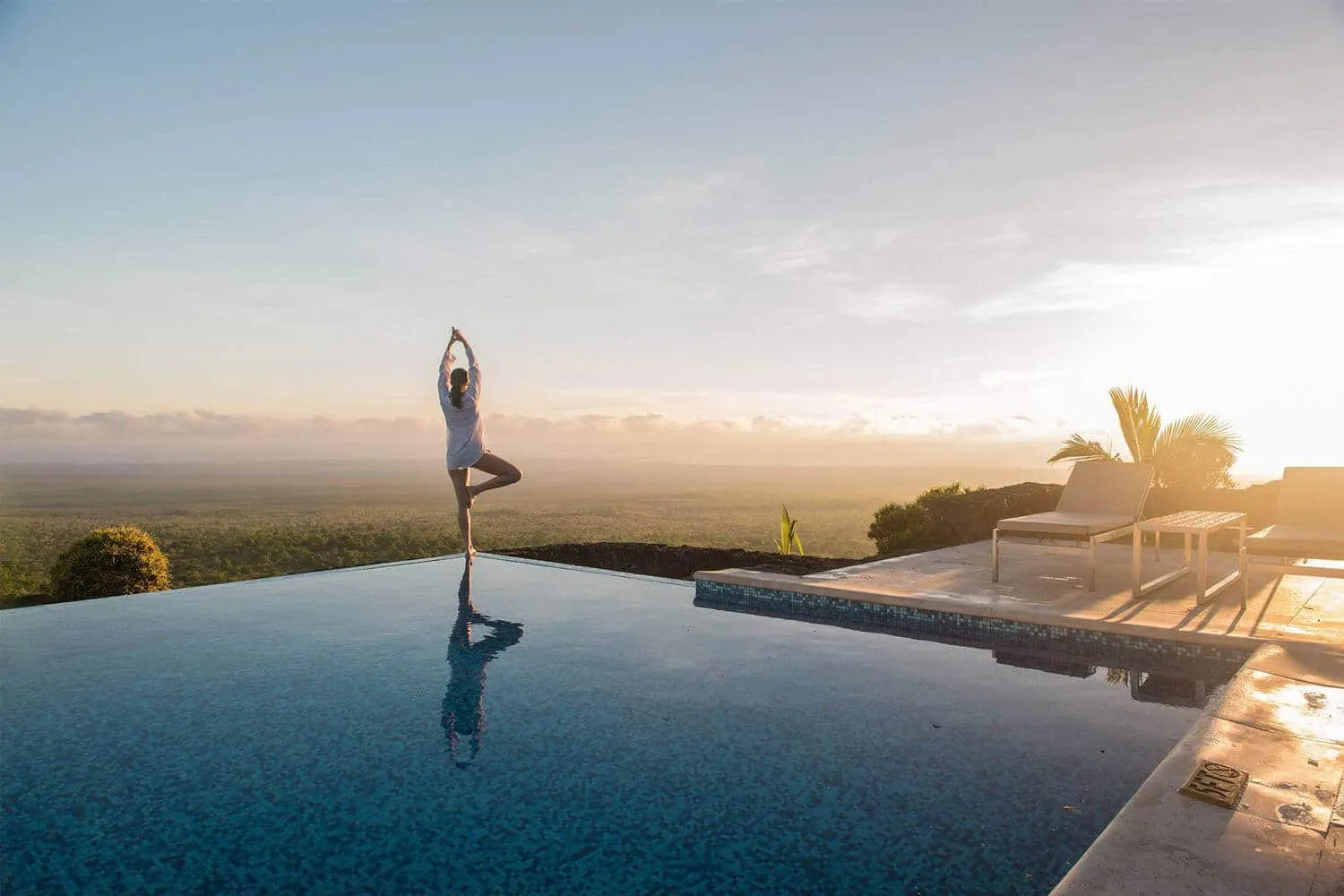
I like staying on the islands and waking up to the sound of the waves, then walking to a nearby beach or town before a day tour. Book early, especially in high season.  Accommodation: Where to stay and the best hotels and hostels on the three main islands (Santa Cruz, San Cristobal, and Isabela)
My Experience Visiting the Galapagos Islands
I’ve been to the Galapagos several times, and by coincidence, always around April. The first time, I explored all three main islands, did almost every daily tour to the neighboring islands, and went on several dives. The second time, I stayed with Ecuadorian friends in San Cristobal, the coziest of the islands, like a small fishermen’s village full of sea lions. Honestly, I could have stayed there for a month; it was so calm and relaxed.
During that second trip, I finally saw hammerheads at Kicker Rock and enjoyed some stunning sunsets and clear skies on the beaches of San Cristobal, perfect for capturing the most beautiful turquoise water photos. I also loved soaking in the local vibe and simply relaxing on the island. I went back in January 2026 with my mother and wife, and the climate was wonderful; we enjoyed San Cristobal and Santa Cruz at a slower pace and truly appreciated the uniqueness and tranquility of this enchanted archipelago.
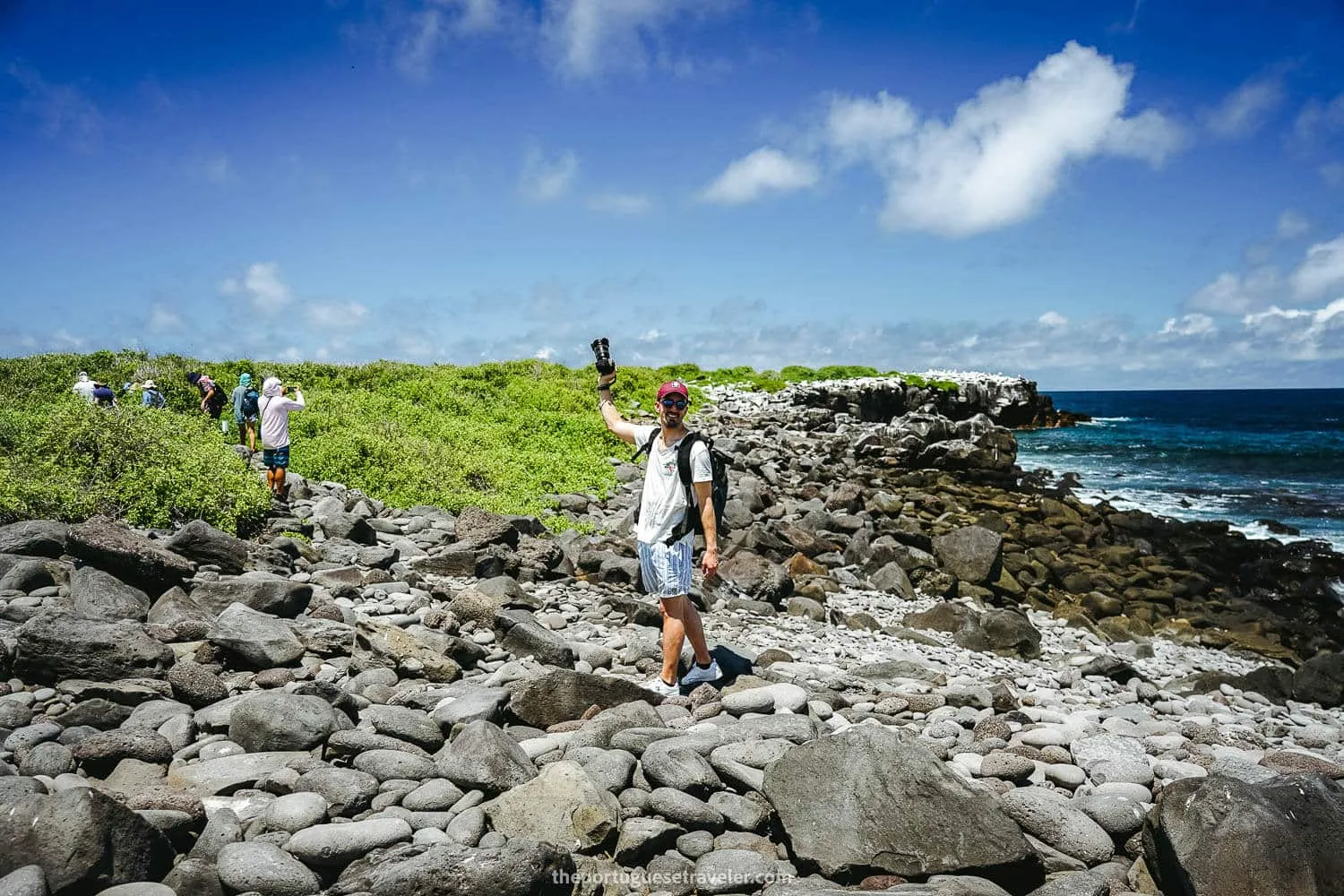
The Cliffs of Punta Suarez
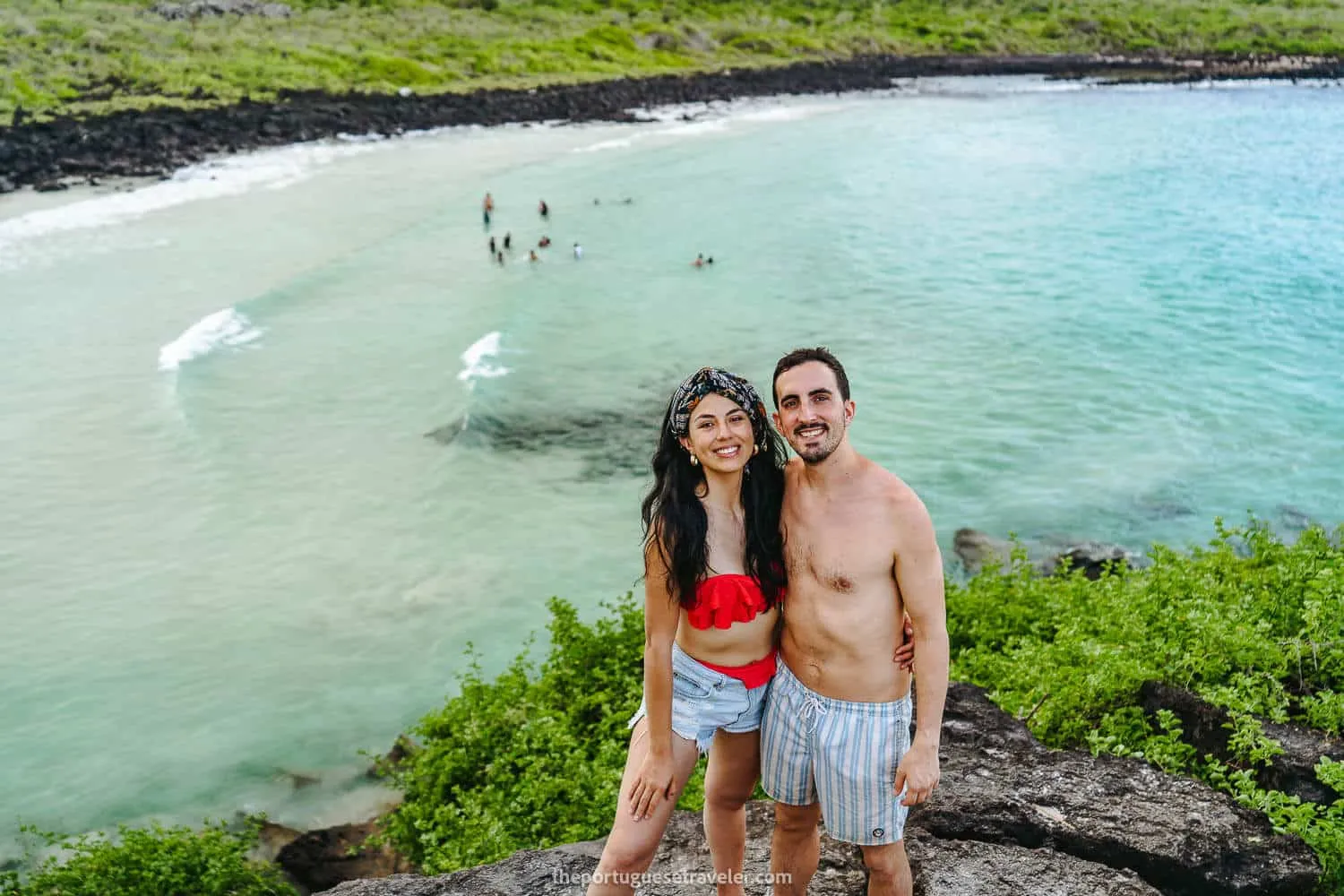
Me and Jhos at the viewpoint
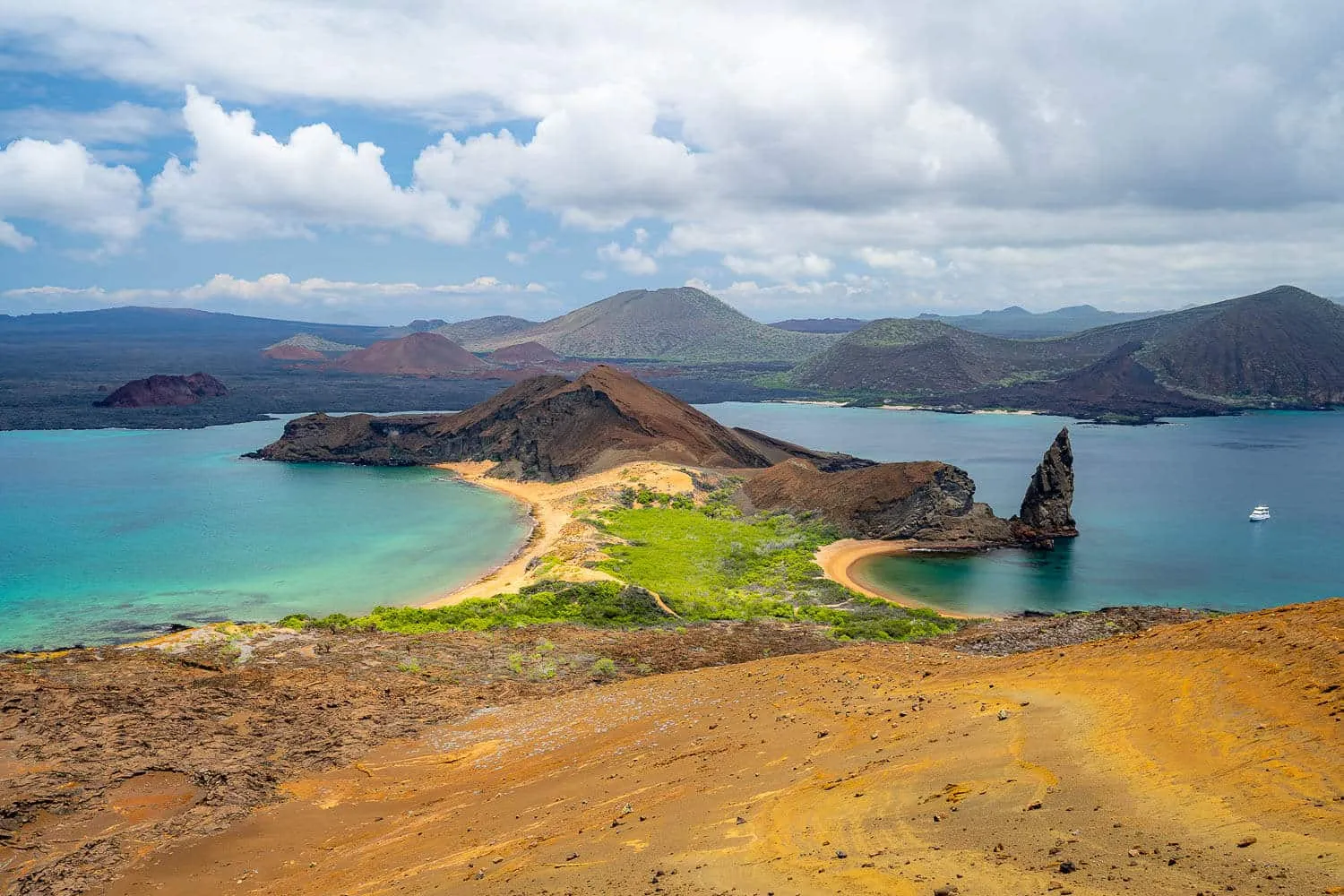
The viewpoint at Bartolomé Island
Plan Your Next Adventure With Us
The links in this box are affiliate links. You won't pay more, and they help keep the blog running. Each line says whether I have used the product.

Car Rental: Discovercars compares car rental offers from many companies.

Accommodation: Book your hotels with Booking.com or Expedia. I used Agoda in Southeast Asia.

Flights: Trip.com sells flights, hotels, train tickets, attractions and car rental. Airhelp handles compensation claims for delayed, canceled or overbooked flights and charges a 35% fee only if the claim succeeds.

Trains and Buses: I have booked with Omio several times, including from Lisbon to San Sebastian. 12Go sells tickets for trains, buses, ferries, transfers and flights across Asia and some other regions. Busbud sells bus and train tickets in more than 80 countries.

Tours and Tickets: I have used GetYourGuide on some trips. Viator sells tours, activities and tickets, and most have free cancellation up to 24 hours before.

Mobile eSIM: Holafly sells eSIM data plans for travel, delivered by email (5% discount). I have used Airalo, not in the Galapagos.

Travel Insurance: Heymondo sells travel insurance that covers medical issues, lost luggage, transport delays and trip cancellation, with an app that offers medical chat and 24/7 assistance. It is well reviewed, and this link gets you 5% off. Safetywing sells subscription health and travel insurance for people who travel or live abroad, covering medical treatment, emergency dental care and travel problems such as lost luggage and delays.
Loading comments…