
Galapagos with Kids: How to Plan It, and Why You're Gonna Love It
Everything you need to know before taking your family to the Galapagos
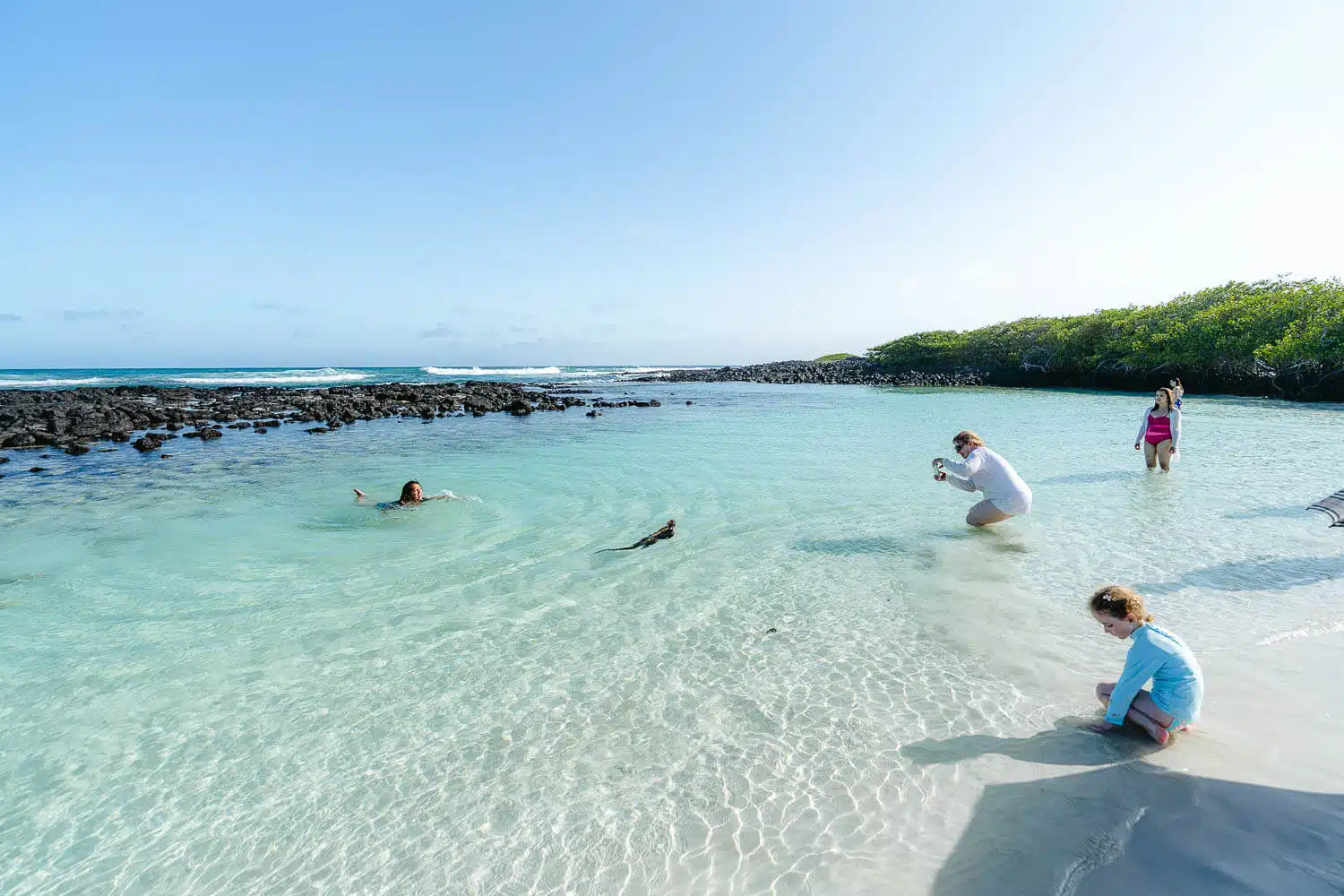
Traveling to the Galapagos with kids is the kind of trip that quietly becomes a family milestone. It’s the moment when animals stop being something you see in books and start showing up right in front of you — sea lions sprawled across walkways, iguanas sunbathing beside the trail, turtles gliding past while you snorkel together. There’s a sense of wonder here that doesn’t need to be manufactured, and that’s what makes it such a special place to experience as a family.
What makes the Galapagos so unforgettable for kids is how naturally it invites curiosity. Nothing feels rushed or overly planned; the islands have their own rhythm, and kids tend to fall right into it. Days are filled with simple but powerful moments — spotting wildlife on the way to breakfast, floating quietly in clear water, asking questions you didn’t expect. It doesn’t feel like a lesson or a checklist of sights, but like shared discovery, and those are the memories that tend to stick long after the trip is over.
Table of Contents
Your Galapagos Islands Essentials - Quick Guide
Short on time? This quick Galapagos guide will help you plan!
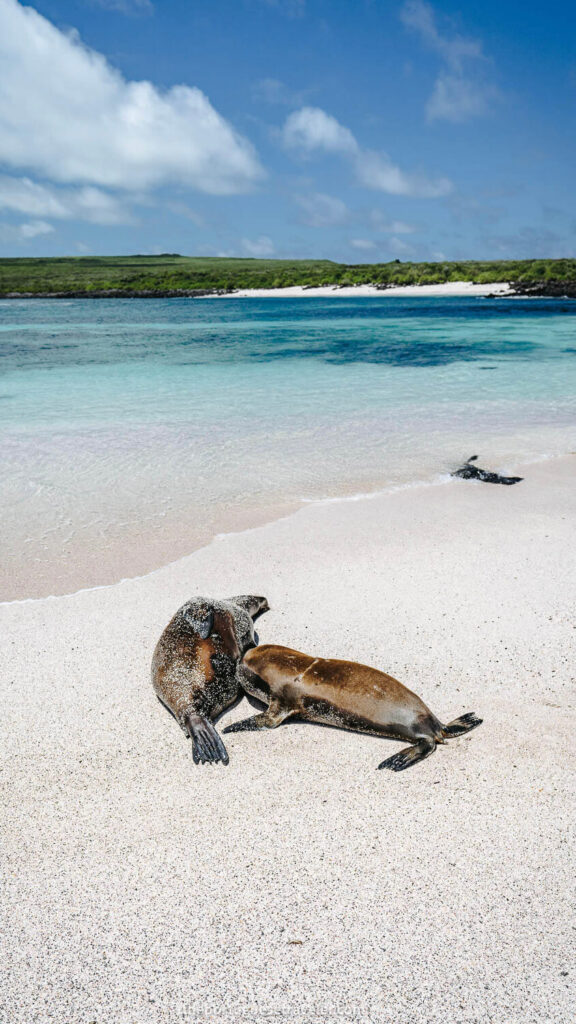
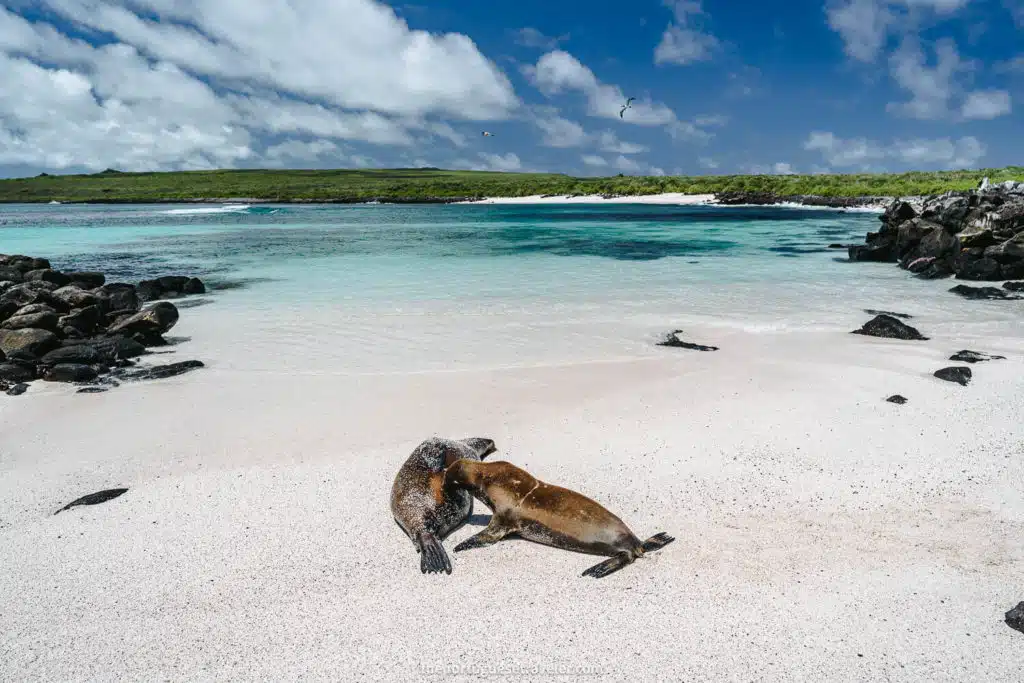
Where to Stay:
– Finch Bay Hotel (Santa Cruz Island)
– Hotel Indigo by IHG (San Cristobal Island)
– Hotel Iguana Crossing (Isabela Island)
Must-Do Experiences:
– 360 Tour (San Cristobal highlights by boat)
– Kicker Rock Tour (Top snorkeling with big wildlife)
– Bartolome Island Tour (Iconic views & marine life)
– Floreana Island Tour (Snorkel, fishing & history)
– Sierra Negra Volcano Tour (Epic volcano hike)
– Los Tuneles Tour (Galapagos’ best snorkeling)
Extras you’ll Need:
– Travel Insurance with Heymondo (5% discount).
– Mobile eSim with Holafly (5% discount) or Airalo
Is the Galapagos a Good Destination for Kids?
At first glance, the Galapagos can sound intimidating for families — remote islands, protected wildlife, and a reputation for serious nature travel. In reality, it’s one of the most surprisingly kid-friendly destinations we’ve visited.
The islands are small, towns are walkable, and wildlife is everywhere without long drives or strenuous hikes. Kids don’t need patience or silence here — sea lions nap on benches, iguanas cross walking paths, and birds nest just a few steps from the trail. Because encounters happen so naturally, children stay engaged without feeling like they’re being “taught” something.
For families who enjoy the outdoors, water activities, and learning by doing rather than sitting still, the Galapagos works exceptionally well.
Best Ages for Visiting the Galapagos with Kids
The Galapagos works well for a wide range of ages, from toddlers to teenagers, but the experience changes depending on how you travel.
Land-based trips are ideal for families with younger children. They offer flexibility, downtime, and easy access to towns, beaches, and playgrounds — which makes a big difference when kids need breaks or early nights.
Cruises, on the other hand, usually have minimum age requirements (commonly 6 or 8 years old) and follow fixed schedules with multiple excursions per day. They’re best suited to school-age kids who can handle longer days, early mornings, and boat-based activities.
Many families say younger kids may not remember island names — but they absolutely remember the feeling of swimming with sea lions or walking past giant tortoises.
What Kids Enjoy Most in the Galapagos
What kids love most about the Galapagos is how immediate everything feels. There’s no waiting, hiding, or long transfers — animals are simply there.
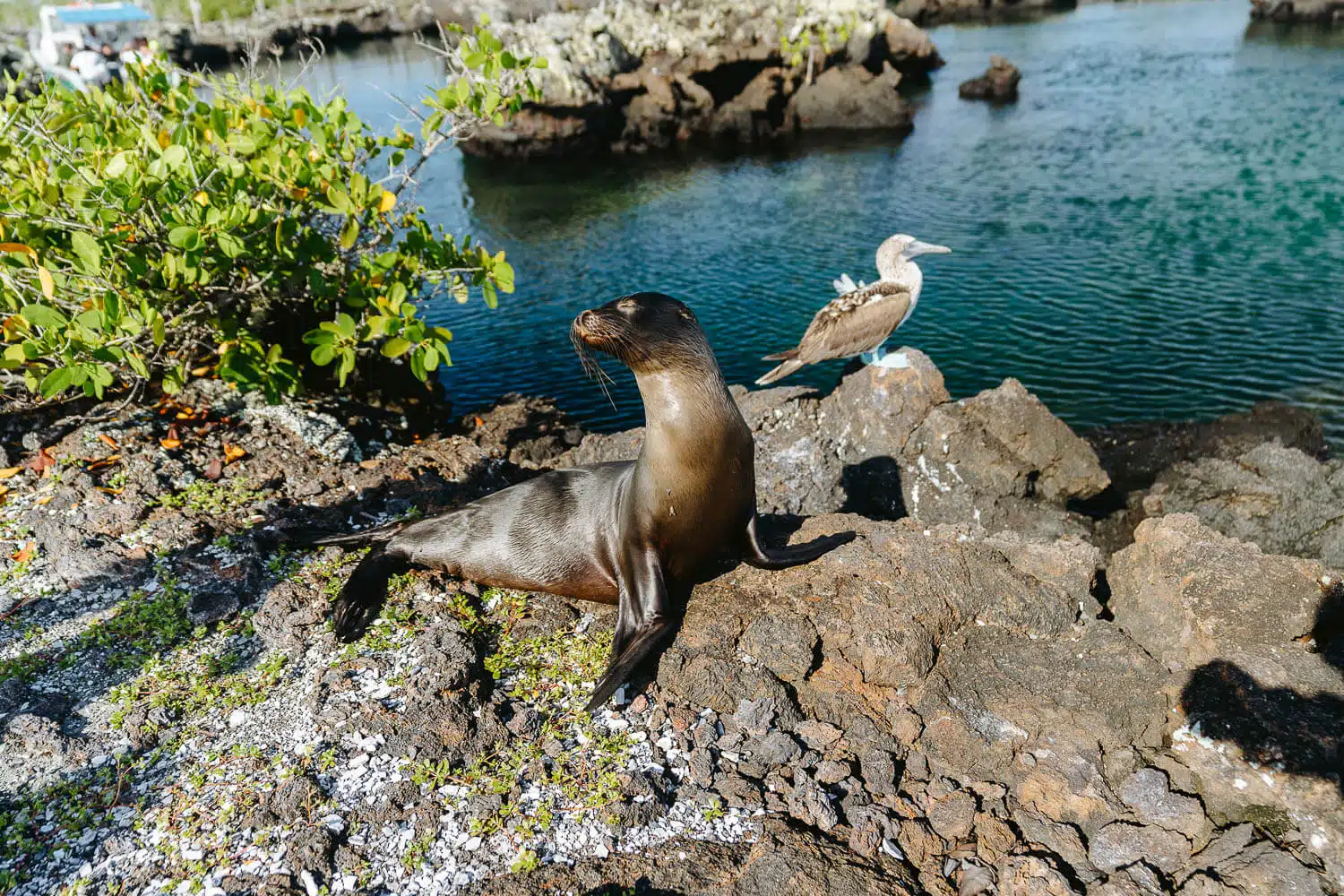
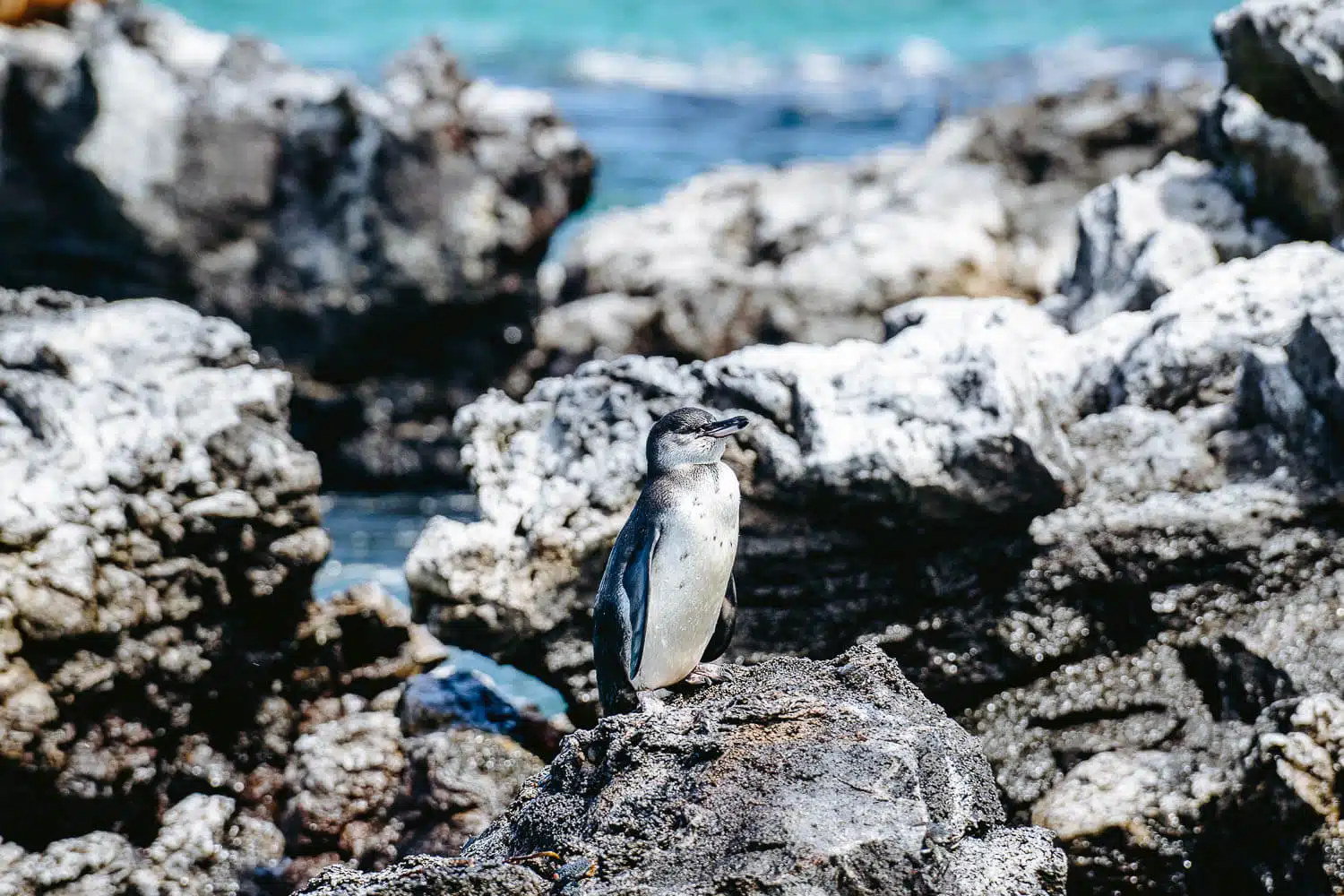
Snorkeling with playful sea lions, watching blue-footed boobies dive headfirst into the ocean, seeing penguins zip past underwater, or laughing at marine iguanas sneezing salt are moments that tend to stick. Because activities are active and hands-on, kids stay engaged naturally, without parents having to push or explain too much.
Across most family trips, sea lion encounters end up being the most talked-about memory long after the trip is over.
Safety, Comfort & Pace in the Galapagos with Kids
Despite its wild reputation, the Galapagos is extremely well regulated and feels very safe for families. Tours are tightly controlled, licensed guides are attentive, and safety rules are taken seriously.
Life jackets are mandatory and always provided, snorkeling is supervised, and guides routinely adjust activities for family groups — shortening swims, slowing the pace, or offering Zodiac-only options if kids get tired.
That said, the sun is strong, paths can be uneven, and full tour days can be tiring. Families tend to have the best experience by slowing things down: fewer activities per day, regular breaks, and alternating active days with calmer ones.
The Galapagos feels wild — but it’s one of the most carefully managed natural tourism destinations in the world.
Travel Guide, Itineraries, Map, Local Tips
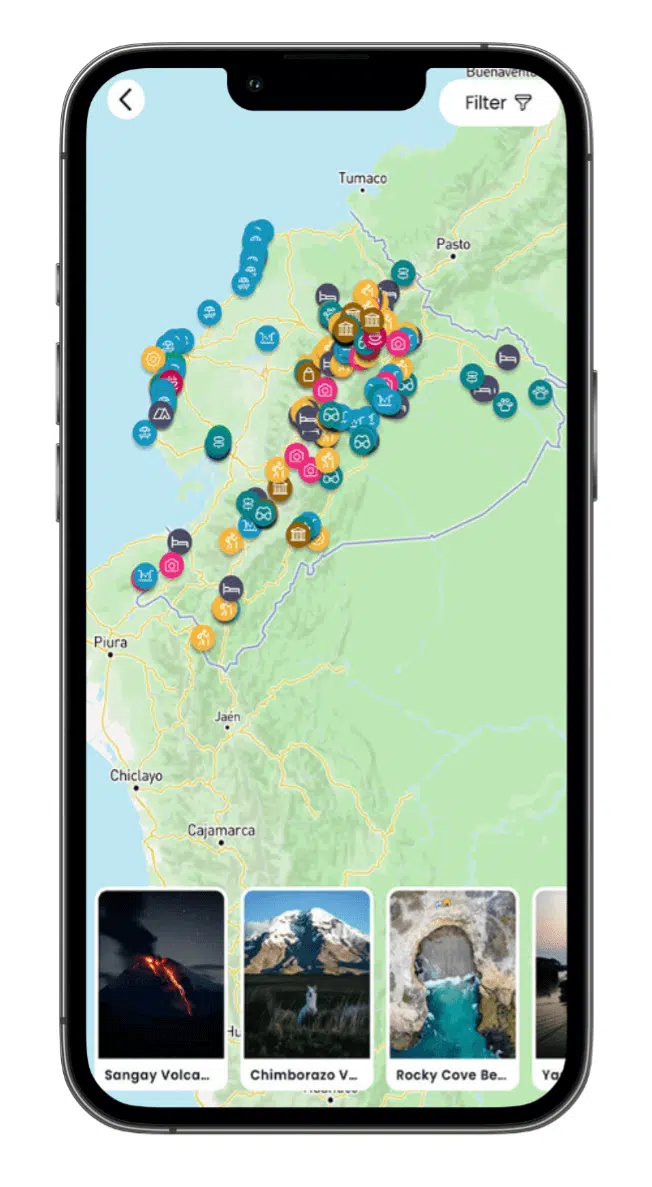
Get access to my curated list of all the best viewpoints, hiking trails, secret waterfalls, diving spots, wildlife tours, accommodations, and more, that will make your trip to Ecuador and The Galapagos unforgettable.
All of this, in an interactive guide featuring a mobile-friendly map, pre-designed itineraries, all my favourite photos, and helpful travel tips to guide your journey in this amazing unexplored country.
If you want personalized advice write me in-app and we can plan it together.

Plan Your Galapagos & South America Trip (Free Quote)
How to Plan a Galapagos with Kids Trip
Best Time of Year to Visit with Kids
There’s no bad time to visit the Galapagos, but some seasons are easier with kids.
From December to May, warmer water and calmer seas make snorkeling more comfortable, especially for younger swimmers. This is often the easiest period for families traveling with small children.
From June to November, marine life is especially rich, but water temperatures are cooler and seas can be rougher. Wetsuits are strongly recommended for kids, and families with motion-sensitive children may want to plan lighter boat days.
There’s no wrong choice — just different packing lists and expectations.

How Many Days You Need for the Galapagos with Kids
For families, 7–10 days is the sweet spot. This allows enough time to experience wildlife, enjoy beach days, and move between islands without feeling rushed.
Shorter trips are possible, but travel days — ferries, flights, and transfers — can eat into your time, especially when traveling with kids. A slightly longer stay gives everyone more breathing room.
Flights, Entry Requirements & National Park Fees
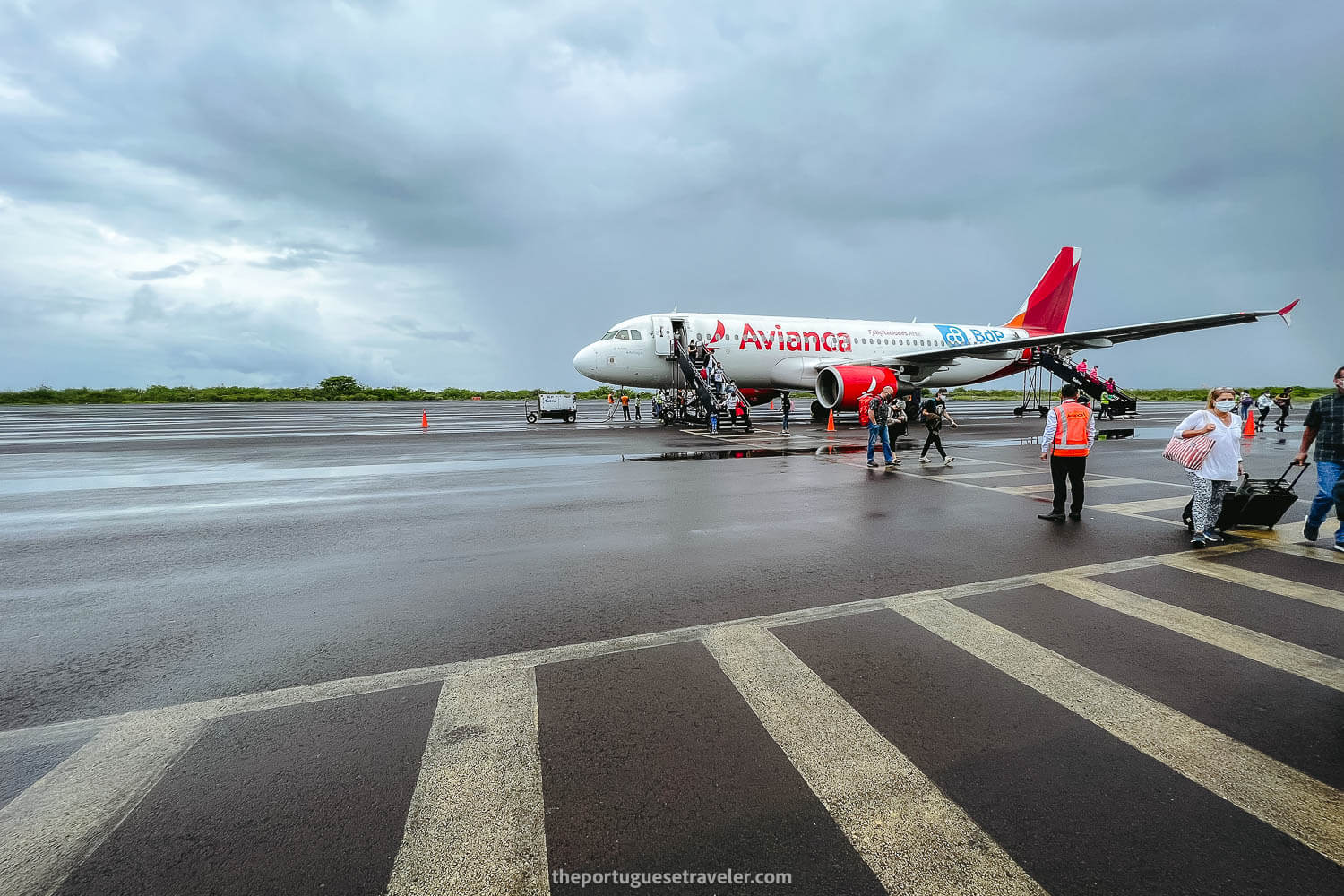
Getting to the Galapagos requires a flight from mainland Ecuador, usually via Quito or Guayaquil. Families should be prepared for the Galapagos Transit Control Card and the national park entrance fee, both paid per person (including children).
When budgeting, it helps to know that kids don’t pay the same fees as adults. For most international travelers, the Galapagos National Park entrance fee is around US $200 per adult, while children under 12 pay about US $100, and babies usually enter for free. The Transit Control Card costs about US $20 per person, regardless of age.
Typical arrival costs per person:
- Transit Control Card: US $20
- National Park Fee: US $200 adults / US $100 children under 12
- Airport bus: US $5
- Channel boat: US $1
- Taxi to Puerto Ayora: about US $25 per car
Having the exact cash ready makes the first hour feel calm instead of chaotic — especially after a long travel day with kids.
When to Book Tours and Accommodation
If you’re traveling during school holidays or peak seasons, booking ahead is important. Family‑friendly hotels, specific room types, and popular day tours can fill up quickly. Planning in advance also gives you more flexibility to choose tours that match your kids’ energy levels.
Where to Stay in the Galapagos with Kids
Best Islands for Families
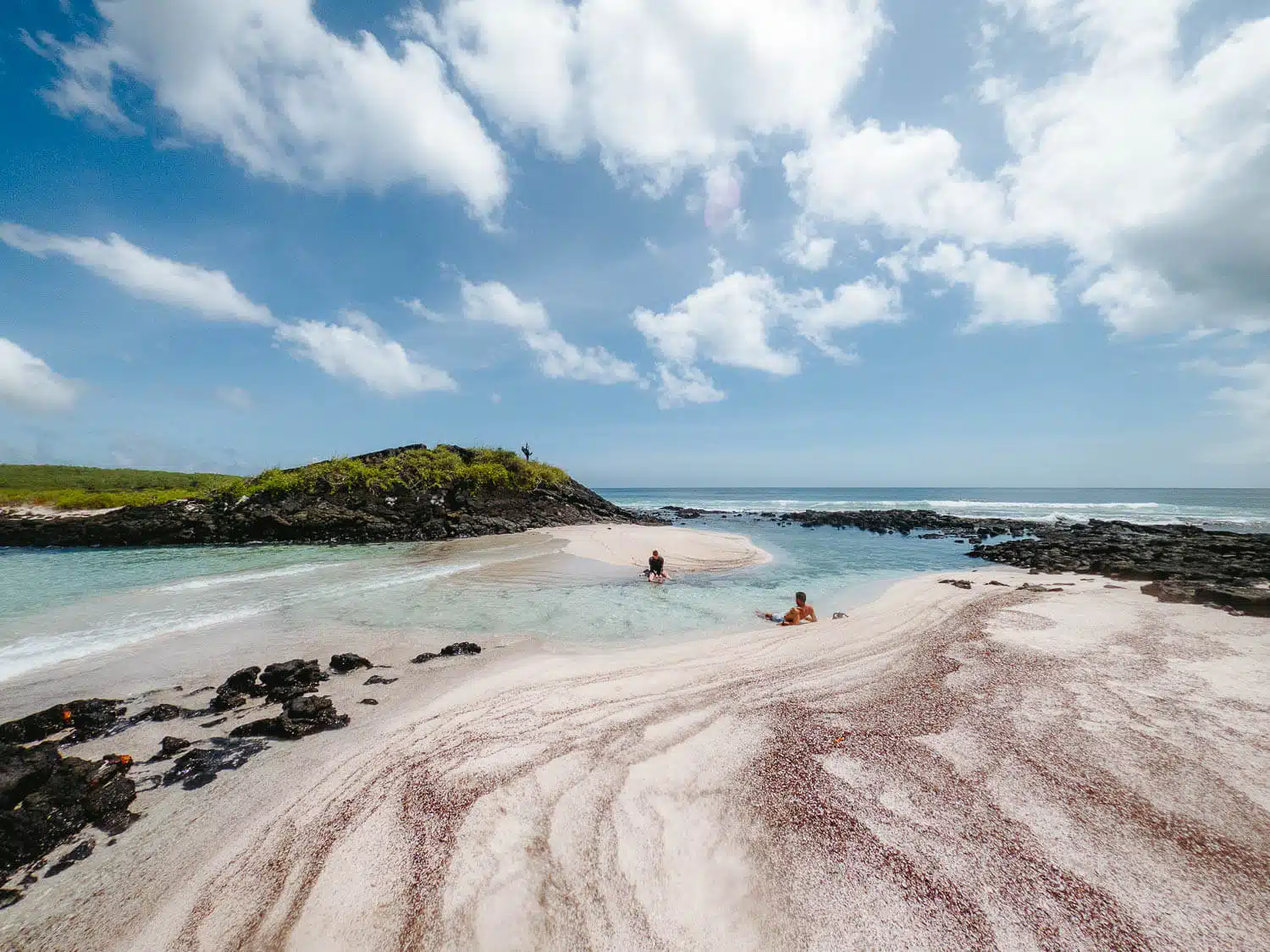
Santa Cruz is the most popular base for families thanks to its infrastructure, beaches, restaurants, playgrounds, and a wide range of tours.
Isabela offers a slower, quieter pace with open space, calm snorkeling spots, and excellent wildlife encounters right from shore.
San Cristobal sits somewhere in between — local, relaxed, and very easy for wildlife viewing without long excursions.
Many families choose two islands rather than trying to see everything.
Land-Based Travel vs Cruises for Families
Land-based travel is often the preferred option for families, especially with younger kids. Returning to the same room each night, choosing your own pace, and mixing activity days with rest days makes the experience much smoother.
Cruises offer access to remote islands and simplify logistics, but the fixed schedule can feel intense for children who need downtime. Some families opt for a hybrid approach — land-based travel with a short cruise added in.

What to Look for in Kid-Friendly Hotels
Space, location, and simplicity matter most. Look for family rooms, easy access to town centers, and accommodations close to beaches or tour departure points. Pools, shaded areas, and included breakfasts can make mornings much smoother with kids.

Best Things to Do in the Galapagos with Kids
Snorkeling with Sea Lions, Turtles & Fish
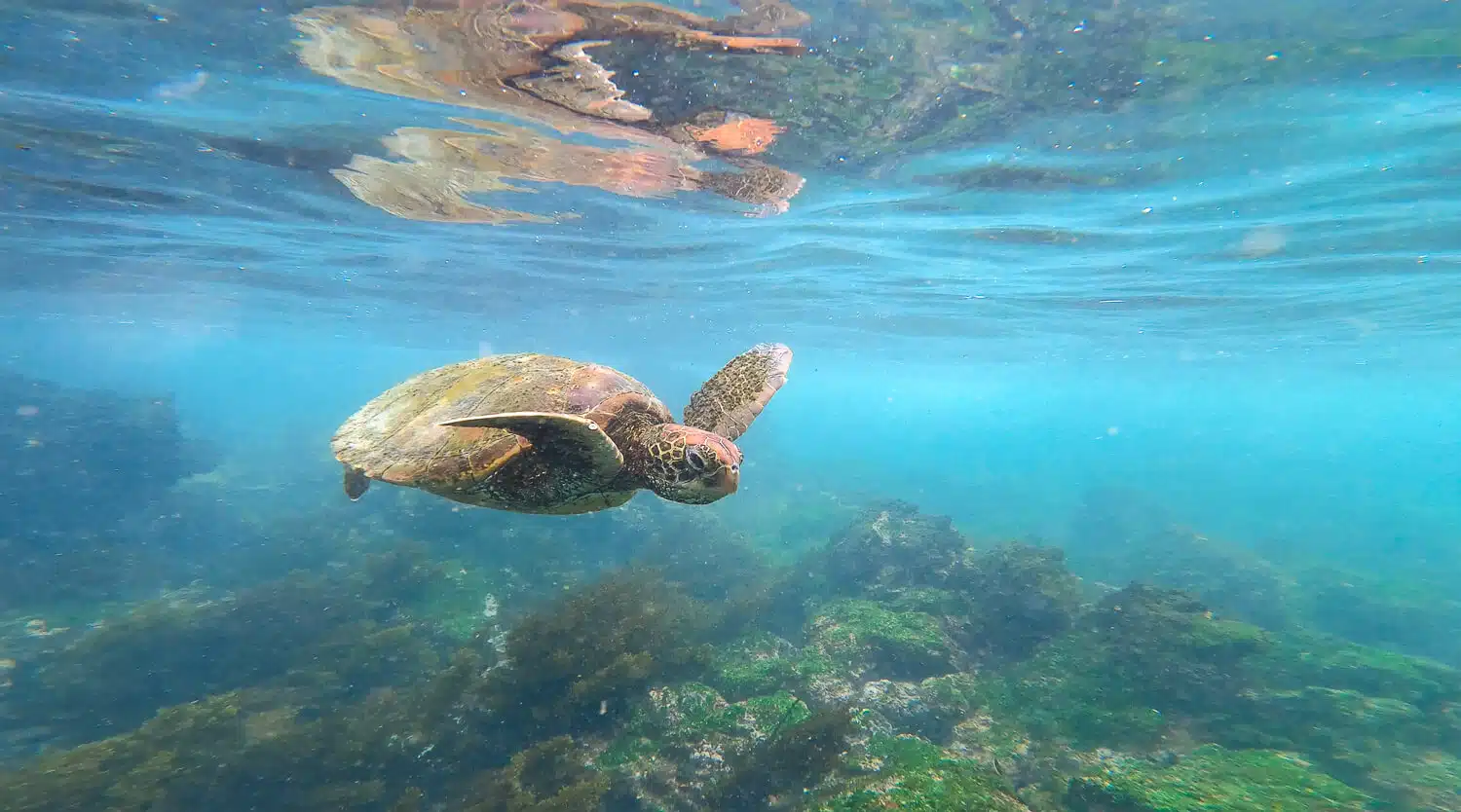
Snorkeling is often the highlight for kids. Many family-friendly spots are accessible directly from shore or in calm bays, with excellent visibility and abundant marine life.
Sea lions are playful and curious, often swimming directly toward snorkelers — a moment kids rarely forget. Calm spots like Concha de Perla, Muelle Tijeretas, and Las Grietas are especially good for younger swimmers.

Easy Walks, Wildlife Encounters & Nature Trails
Not every Galapagos visit involves long hikes or tough terrain, and this is where traveling with kids really shines. Many wildlife encounters happen along short, clearly marked trails that are well-suited to families.
On islands like Santa Cruz and San Cristobal, walks are often under 1–2 km, mostly flat, and broken up with frequent wildlife stops. Kids can see giant tortoises wandering freely in the highlands, marine iguanas piled on lava rocks, and blue-footed boobies nesting just a few steps from the path.
That close proximity is what keeps kids engaged — there’s no need for binoculars, patience, or long explanations. Guides are also excellent at adapting their storytelling, turning walks into interactive experiences rather than lectures.
Good family-friendly trail examples:
- Tortuga Bay (Santa Cruz): flat, sandy access with optional swimming
- Interpretation Center trails (San Cristobal): short, educational, shaded
- Highlands tortoise reserves: boardwalks and wide dirt paths

Family-Friendly Beaches
Beaches in the Galapagos aren’t just for relaxing. They double as outdoor classrooms, where kids can watch sea lions, iguanas, and birds while playing in the sand.
Playa Mann, Punta Carola, Tortuga Bay’s “Playa Mansa”, and Puerto Chino are favorites for families thanks to calmer water and easy access.
Kayaking, Panga Rides & Boat Excursions
Kayaking and panga (Zodiac) rides are often a favorite surprise for kids. These activities feel adventurous but are generally low risk and well supervised.
Kayaking is usually done in calm bays or mangroves, often in double kayaks where younger kids can ride with a parent. It’s common to paddle alongside sea turtles, rays, and resting sea lions, without needing prior experience.
Panga rides are short coastal trips used to explore cliffs, nesting birds, and lava formations. Kids enjoy the speed and the feeling of being close to the water, while parents appreciate that these outings don’t require endurance or technical skills.
Important notes for families:
- Life jackets are mandatory and provided
- Activities are skipped or shortened if sea conditions aren’t ideal
- Guides adjust pace automatically for family groups
Educational & Conservation Experiences
Visits to places like the Charles Darwin Research Station, or the San Cristobal’s Interpretation Centre, help kids understand why the Galapagos is so carefully protected. Seeing conservation in action adds depth to the experience without feeling heavy or overly academic.
Getting Around the Galapagos with Kids
Inter-Island Ferries vs Flights
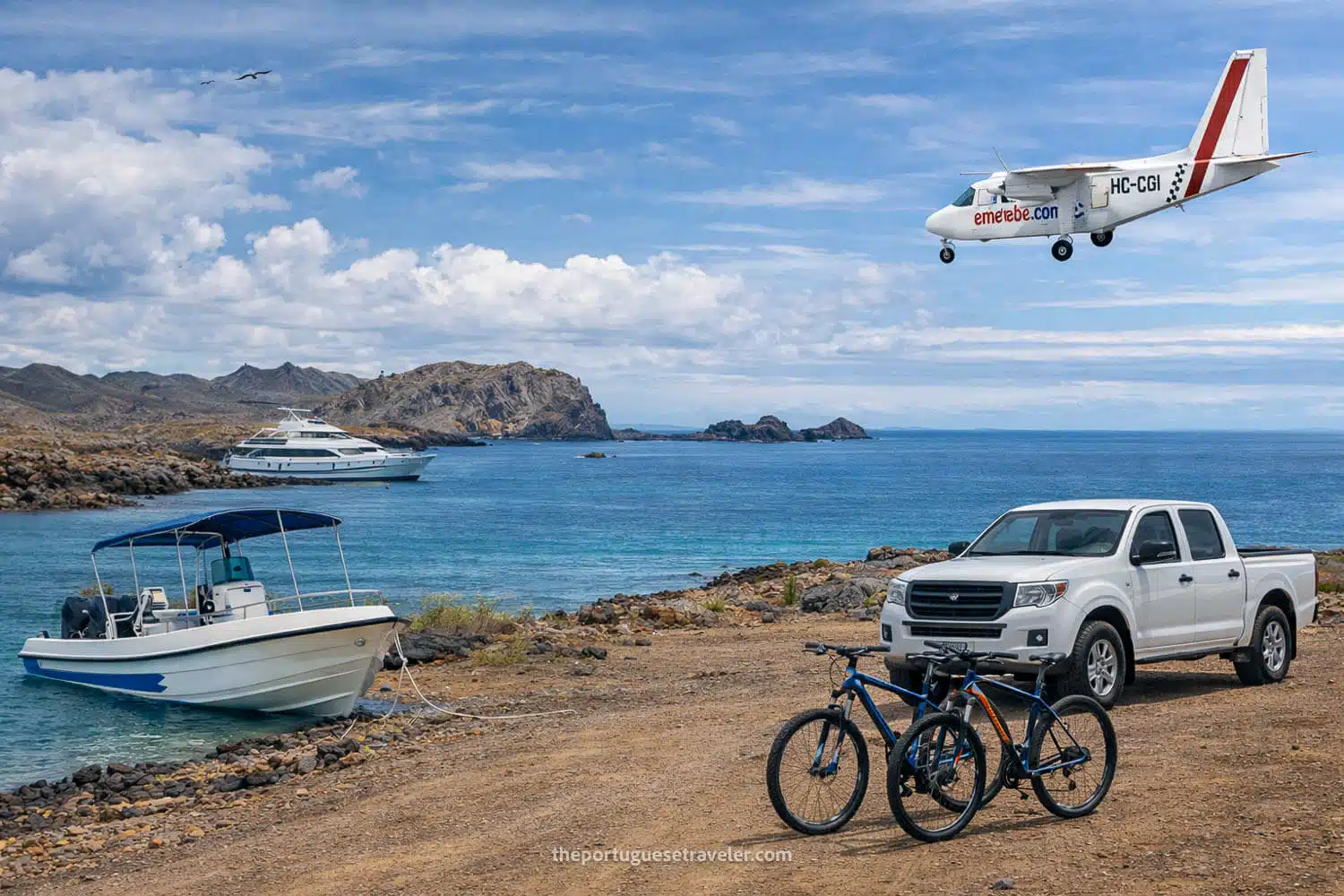
Ferries are affordable and commonly used, but they can be rough depending on sea conditions. Flights are quicker and more comfortable, though more expensive. Families often mix both depending on budget and tolerance for long boat rides.
Taxis, Water Taxis & Local Transport
Taxis are easy to use in towns and often pickup trucks, which kids tend to find fun. Water taxis are short and frequent, and getting around is generally simple and safe.
Tips for Managing Travel Days with Children
Travel days can be long, so snacks, sun protection, and flexible expectations go a long way. Planning lighter activities on transfer days helps keep everyone happy.

Packing Tips for Traveling to the Galapagos with Kids
What to Pack for Kids
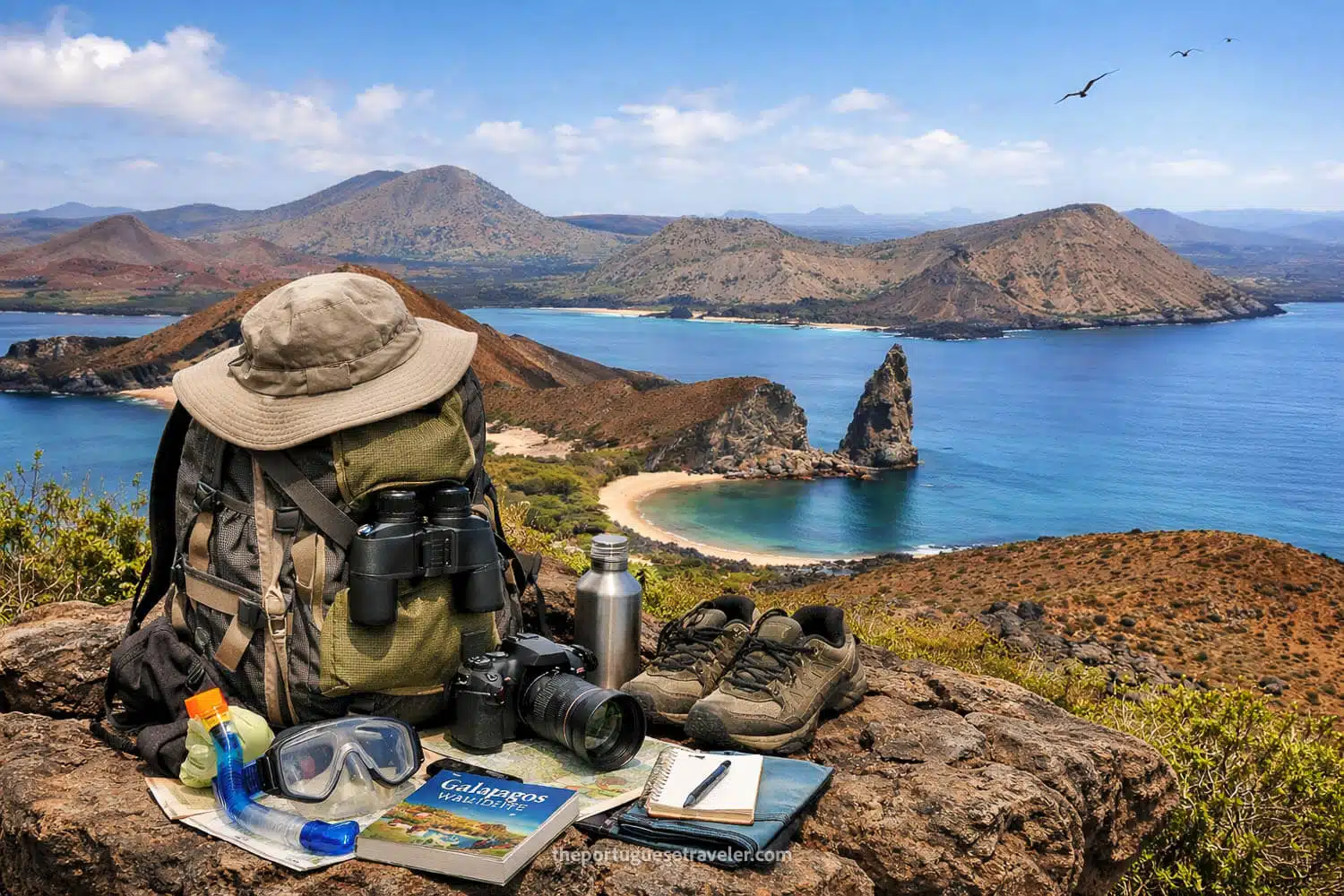
Light, breathable clothing, sun hats, and comfortable shoes are essential. Reef-safe sunscreen, rash guards, and reusable water bottles are must-haves for daily outings.
One thing that reassures many parents: everything essential for babies and toddlers is available on the islands. Supermarkets sell diapers, wipes, baby food, and formula, and pharmacies are well stocked. Very specific items (like specialty formulas) may be harder to find, so bring those if needed — but for everyday essentials, overpacking isn’t necessary.
Snorkel gear can be rented locally, but bringing well-fitting masks and wetsuits for kids often makes a big difference in comfort, especially for younger children. Rental gear is usually sized for adults, and poor fit can quickly turn snorkeling into a frustrating experience.
Strollers are also surprisingly practical in the Galapagos. Families regularly use lightweight travel strollers around towns, while hiking carriers or baby carriers are useful for beach walks and short trails.
Clothing, Shoes & Sun Protection
The Galapagos sun is stronger than most parents expect — even on cloudy days — due to its equatorial location. Lightweight, breathable clothing matters more than style here.
Most families find that long-sleeve rash guards and UV shirts work better than constant sunscreen reapplication. Hats are essential, especially wide-brim or legionnaire-style hats that stay on during boat rides and beach time.
For shoes, kids don’t need heavy hiking boots. Comfortable sneakers or trail shoes are enough for most walks, plus sandals or water shoes for beaches and boat days.
What parents consistently mention as helpful:
- A sun hat that actually stays on
- Lightweight layers for breezy boat rides
- One warmer layer for evenings or visits to the highlands
- Shoes that can get wet and dry quickly
Snorkel Gear, Medications & Essentials
Snorkel gear is included on most tours, but kids’ fit really matters. Many parents recommend bringing their own mask and wetsuit for children to avoid leaks, cold swims, or discomfort that can cut water time short.
Wetsuits are especially useful for kids — even in warmer months — as they:
- Extend time in the water
- Prevent chills
- Add sun and scratch protection
Also worth packing:
- Motion sickness remedies (bands or medication)
- Reef-safe sunscreen (mandatory in protected areas)
- A small dry bag for boat trips
- Basic first aid (band-aids, antiseptic, pain relief)
Car seats are not required in the Galapagos, and most families don’t bring them. Driving is slow and cautious, and many vehicles don’t have seatbelts. Infant car seats, when seen, are usually used on boats as a safe place to set babies down.

Galapagos with Kids Itinerary Ideas
5–7 Day Galapagos with Kids Itinerary
Focus on one or two islands, combining snorkeling, easy hikes, and beach time. This keeps travel days minimal and energy levels high:
Day 1: Arrival & Tortuga Bay (Santa Cruz)
- Arrive into Baltra airport → transfer through Itabaca Channel to Puerto Ayora.
- Light activity day to recover: walk or water taxi to Tortuga Bay (flat ~1.5-mile trail; marine iguanas, pelicans, reef sharks visible at edge of the swimming cove “Playa Mansa”).
- Relax on the protected swimming cove at the far end — gentle snorkeling and beach play.
- Sunset walk along the shoreline and dinner in town.
Why this works: Short first day, immediate wildlife viewing, minimal travel stress.
Day 2: Highlands & Giant Tortoises + Las Grietas
- Morning: Explore the Santa Cruz Highlands — walk through pastures with giant tortoises, lava tubes, volcanic tunnels, and crater viewpoints.
- Afternoon: Visit Las Grietas — a flooded lava fissure with crystal-clear water perfect for calmed-down snorkeling or a wade.
- Dinner at a family-friendly restaurant in Puerto Ayora.
Good for kids because: giant tortoises are visible everywhere (no long hikes), and Las Grietas is a unique, very kid-memorable swim spot.
Day 3: Santa Fe Island Day Tour
- Full‐day boat excursion to Santa Fe Island (typical day tour):
- Secret Beach stop (shallow snorkeling with rays & iguanas).
- First snorkel site: calm cove with sea lions and fish.
- Second snorkel: deeper marine life and reef fish.
- Lunch on board or beach picnic.
- Return to Puerto Ayora late afternoon.
What kids love most: playful sea lions in the water and the secret beach.
Day 4: Transit to Isabela + Concha de Perla
- Morning ferry to Isabela Island (~2 hours).
- Rest + lunch in sleepy Puerto Villamil.
- Easy first activity: snorkel or swim at Concha de Perla — calm protected lagoon with sea lions, rays, iguanas, and colorful fish.
- Dinner by the water and an early night.
Best of this day: minimal scheduled tours = slower pace mid-trip.
Day 5: Kayaking at Tintoreras + Beach Time
- Morning kayak tour around Tintoreras Islets — see penguins, turtles, iguanas, rays, and sharks from close but safe distances.
- Afternoon beach time or optional boardwalk bike ride to Giant Tortoise Breeding Center & Flamingo Lagoon (flat ride, great kid pace).
- Sunset on Playa del Amor with sea lions.
Why this is kid-friendly: short excursions + abundant wildlife without big hikes.
Day 6: Optional Snorkel or Free Day
Pick one big activity or take it easy:
- Los Tuneles Tour — surreal lava tunnels & snorkeling with tropical fish, rays & turtles.
- OR free day to swim, explore town, or relax on the beach.
- Parents might book a short surfboard rental while kids splash in shallow water.
Day 7: Flamingos, Farewell Beach + Departure
- Morning visit to Flamingo Lagoon (easy and free) and shallow water wading.
- If time allows, an extra quick dip at Concha de Perla or sand play.
- Afternoon ferry/flight back to Baltra and departure.
8–10 Day Galapagos with Kids Island-Hopping Itinerary
With more time, families can explore multiple islands at a relaxed pace, mixing guided tours with free afternoons:
Day 1: Arrival & Puerto Ayora Wildlife Introduction
- Transfer to Puerto Ayora and light exploration
- Sea lions lounging on benches
- Birds & crabs around the docks
Great for: jet-lagged kids and a gentle first look at the Galapagos.
Day 2: Giant Tortoises & Highlands Exploration
- Highlands tour for tortoise sightings at close range
- Consider DIY taxi/hired driver for highlands + lava tube stops
Day 3: Shared Boat Tour (North Seymour or Bartolomé)
- Choose a tour with shallow snorkeling
- North Seymour has blue-footed boobies & frigatebirds
- Bartolomé has scenic views and manageable beach landings
Tip: book shared tours early; they fill quickly on busy dates.
Day 4: Las Grietas & Beach Play
- DIY morning at Las Grietas
- Afternoon pool time or slow beach stroll
- Perfect relaxation day.
Day 5: Transfer to Isabela
- Ferry to Isabela
- Easy afternoon swim/snorkel at Concha de Perla
Day 6: Tintoreras + Kayak Wildlife
- Kayak or boat tour around Tintoreras
- See sea lions, penguins, rays close from your paddle
Day 7: Los Tuneles Adventure
- Full-day boat/snorkel combo exploring lava channels
- Watch for sea turtles, sharks, and abundant reef fish
Day 8: Fly to San Cristobal (Short Flight)
- Fly from Isabela to San Cristobal
- Acclimate with a calm afternoon at La Loberia Beach (sea lions & snorkeling).
Day 9: Tijeretas Hill + Interpretation Center
- Hike or easy walk up Tijeretas Hill for nesting frigatebirds and superb views (and possible snorkel with sea lions at Muelle Tijeretas)
- Visit the Interpretation Center to tie all your wildlife learning together
Day 10: Last calm morning and flight home
- Morning beach time in Playa Mann, Punta Carola, or
- Morning snorkel with sea lions in Muelle Tijeretas
- Afternoon flight back to the mainland
Tips Based on Real Family Feedback
After reading dozens of family trip reports and talking to parents who’ve done this trip with kids of all ages, the same practical tips come up again and again — small choices that make the experience noticeably smoother:
- Rotate high-energy days with chill days. Families report smoother trips when not every day is a full tour.
- Book Los Tuneles early — it’s a highlight that gets busy.
- Concha de Perla is free and huge for kids — calm water, fish everywhere.
- Sea lion encounters are everywhere — kids often remember these most.
Quick Logistics for Itineraries
These are the kind of logistical details that don’t always show up in brochures, but matter a lot once you’re traveling with kids and trying to keep days running smoothly:
- Ferries vs flights: Ferries are cheaper but slower (~ferry ~2 hrs). Flights are faster but costs vary and seats are limited — book ahead.
- Transfers from Baltra: arrive → bus → water taxi → bus/taxi to town — about one hour total but wildlife sightings often start immediately.
- Minimum cruise age: most cruises require kids 6–8+, land-based gives more flexibility for younger children.
Is a Family Cruise Worth It?
A Galapagos cruise can be incredible for families — but it’s not automatically the best choice.
Cruises work best when:
- Kids are 6–8+ years old
- They enjoy structure and routine
- The family is comfortable with full, activity-packed days
The advantages are clear: you see more remote islands, reduce transit planning, and everything is handled for you. The downside is the fixed schedule — early mornings, multiple excursions per day, and limited downtime.
Land-based trips tend to work better for:
- Younger children
- Families who want flexibility
- Parents who value rest days and familiar routines
Many families choose a hybrid approach: a short cruise paired with land days before or after.
How Much Does a Galapagos with Kids Trip Cost?
The Galapagos isn’t cheap — but it’s also far more flexible than most families expect. Costs vary hugely depending on whether you travel by land or cruise, how many tours you book, and how comfortable you want things to feel.
For families, land-based travel almost always offers the best value, without sacrificing wildlife experiences. You’ll still snorkel with sea lions, see turtles up close, and explore multiple islands — just at your own pace.
Typical Family Travel Costs
These are realistic ranges families commonly report when traveling independently by land:
- Accommodation: US $80–120 per night (family rooms or guesthouses)
- Meals: US $9–12 at local restaurants / US $15–25 at sit-down places
(lobster is usually the most expensive option) - Day tours: US $80–230 per person, depending on the excursion
- Child discounts on tours: rare after age 2
Many beaches, snorkeling spots, and nature areas are completely free or cost under $10, which helps balance out the more expensive boat tours.
Budget vs Comfort Travel
There’s a wide gap between budget and comfort travel in the Galapagos, and families feel it quickly.
Budget-style family trips usually involve:
- Land-based stays
- Day tours with local operators
- Public ferries
- Simple hotels or guesthouses
Comfort-focused family trips add:
- Flights between islands
- Private or semi-private tours
- Larger hotel rooms or suites
- Less rushed itineraries
Both styles offer excellent wildlife experiences — the difference is mostly in pace, privacy, and convenience, not what you see.
Tips to Keep Costs Under Control

Why You’re Gonna Love Visiting the Galapagos with Kids
Wildlife Experiences Kids Never Forget
Kids don’t remember dates or island names — they remember moments.
Across nearly every family account, the same experiences come up again and again:
- Sea lions swimming directly toward them while snorkeling
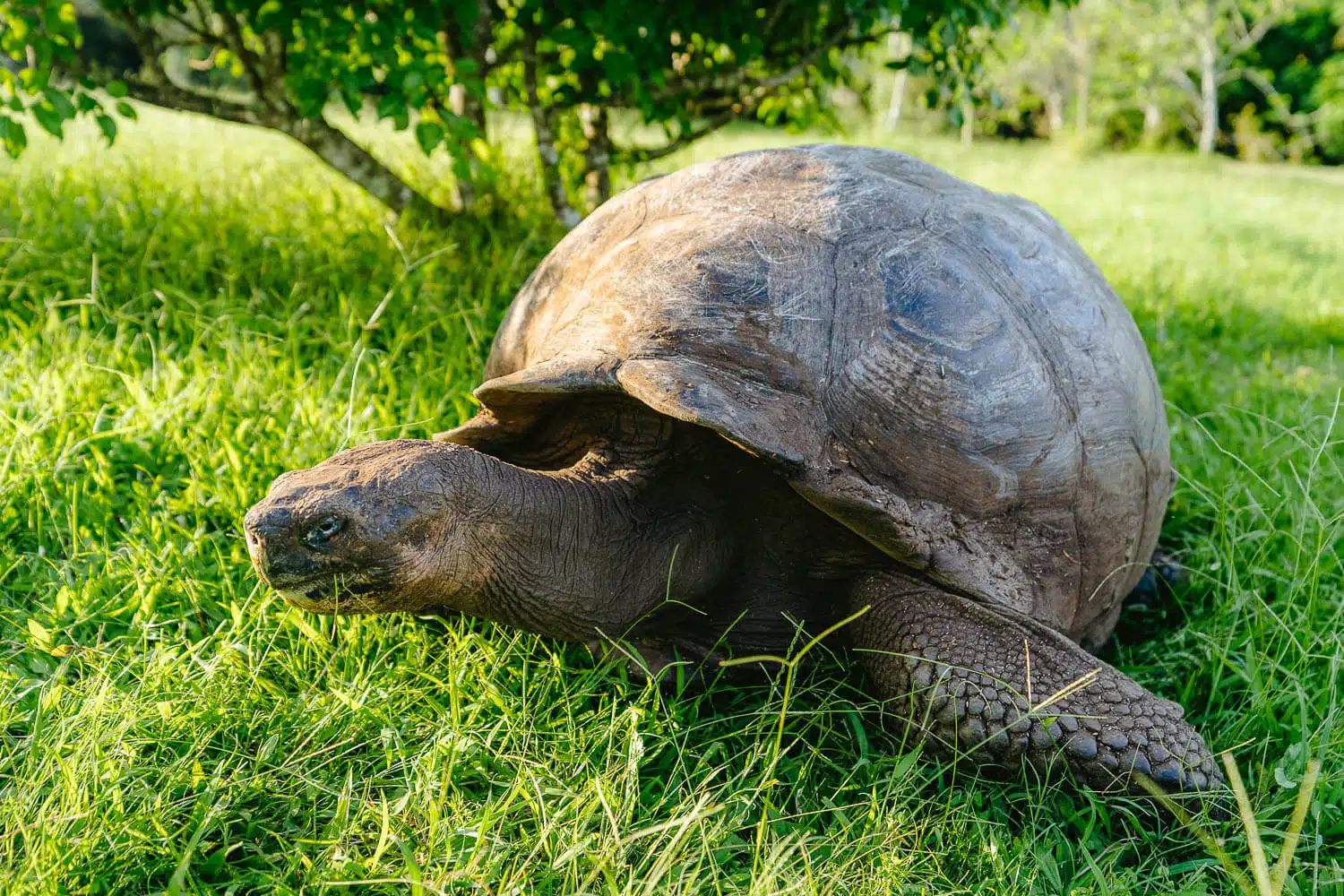
- Giant tortoises slowly crossing the path in front of them
- Baby blue-footed boobies up close
- Iguanas sneezing salt and making everyone laugh
Because wildlife in the Galapagos isn’t afraid of humans, kids feel like they’re inside a documentary, not observing from a distance. That immediacy is what makes the experience stick.

Learning Through Nature & Conservation
The Galapagos is one of the few places where conservation doesn’t feel abstract to kids.
Seeing:
- Breeding programs
- Habitat protection zones
- Strict visitor rules
- Guides enforcing wildlife distance
…helps children understand why rules exist, not just that they do.
Places like the Charles Darwin Research Station or tortoise reserves turn abstract ideas into real-world examples, without overwhelming younger travelers.
Why This Trip Stays with Kids Long After You Leave
Many parents mention that their kids talk about the Galapagos months or even years later.
Not because it was luxurious — but because it was:
- Physical
- Curious
- Screen-free
- Shared as a family
It’s a rare trip where learning happens naturally, without pressure, and where parents and kids experience things together for the first time.
Final Tips & FAQs for Visiting the Galapagos with Kids
Common Questions from Parents
Is it safe?
Yes. The Galapagos is one of the safest destinations in Latin America, with strict tourism regulations and strong guide oversight.
Is it too active?
It can be — but only if you plan it that way. Choosing fewer islands and spacing activities makes a big difference.
Is it worth the cost with kids?
Most families say yes, especially when focusing on land-based travel and longer stays rather than rushing.
Final Advice for a Smooth Family Trip
Plan less, pace slower, and trust that you don’t need to “do it all.”
The Galapagos rewards curiosity, not checklists — and when kids are involved, that’s exactly what makes it magical.
My Experience Visiting the Galapagos Islands
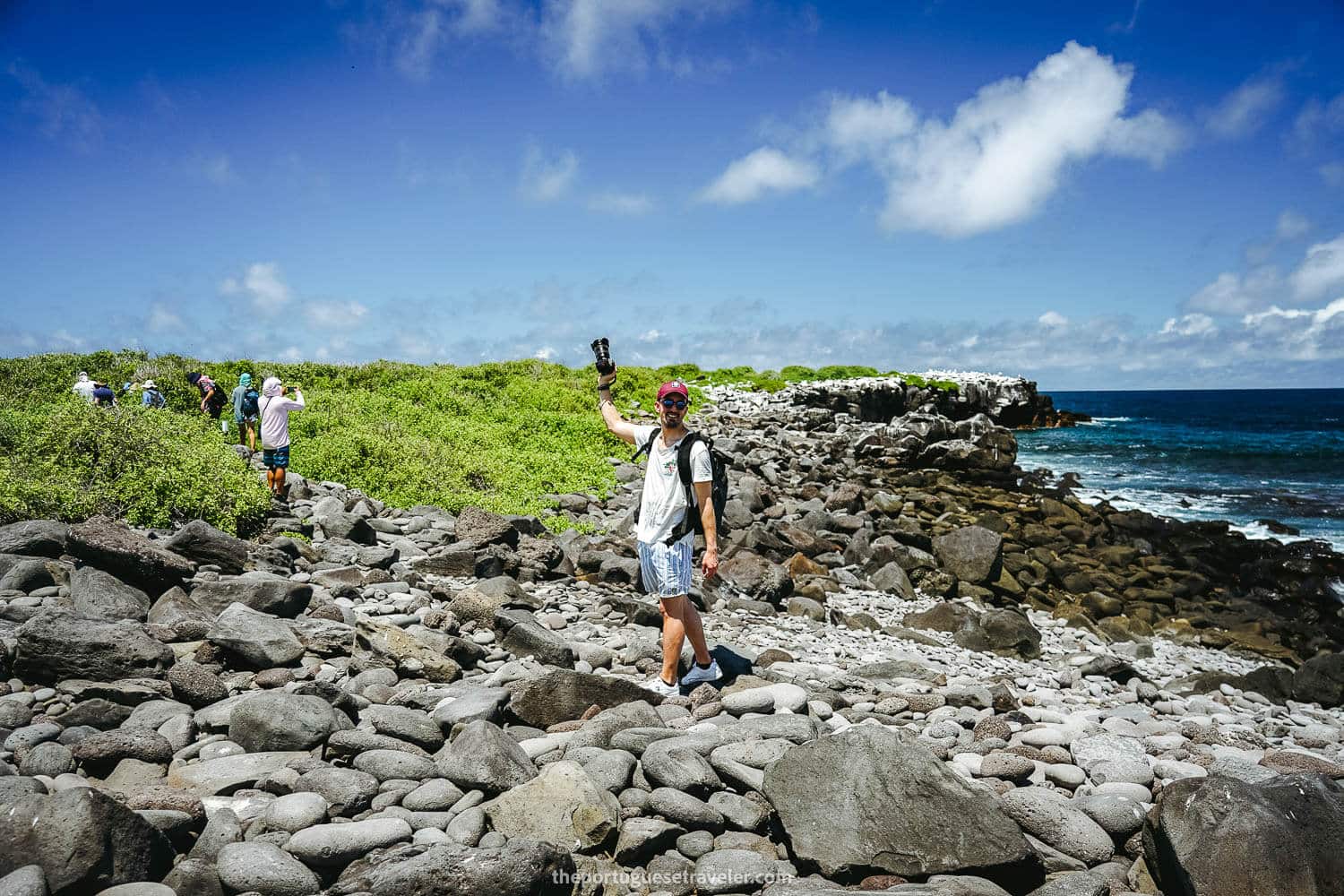
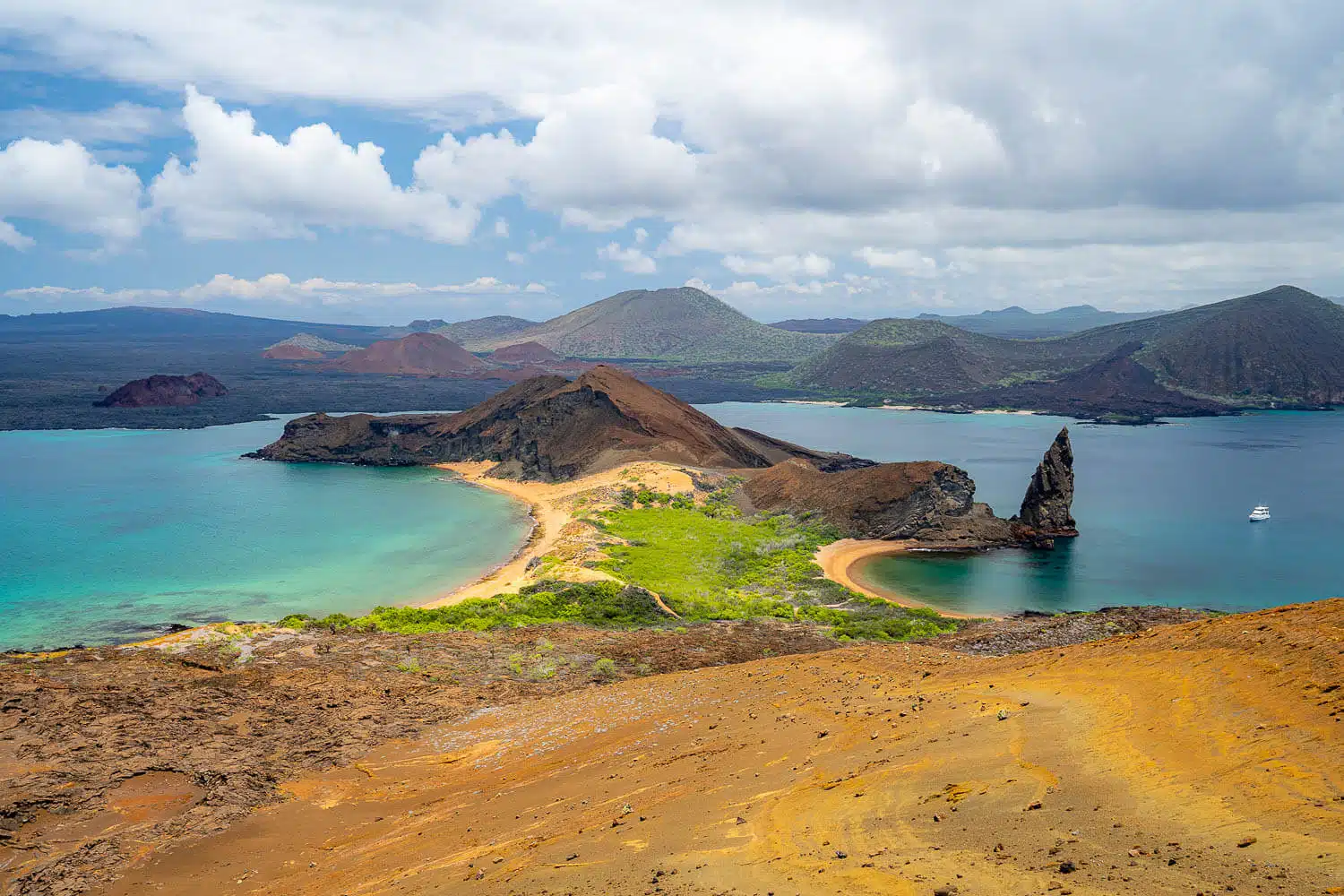
I’ve been to the Galapagos several times, and by coincidence, always around April. The first time, I explored all three main islands, did almost every daily tour to the neighboring islands, and went on several dives. The second time, I stayed with Ecuadorian friends in San Cristobal—the coziest of the islands, like a small fishermen’s village full of sea lions. Honestly, I could have stayed there for a month; it was so calm and relaxed.
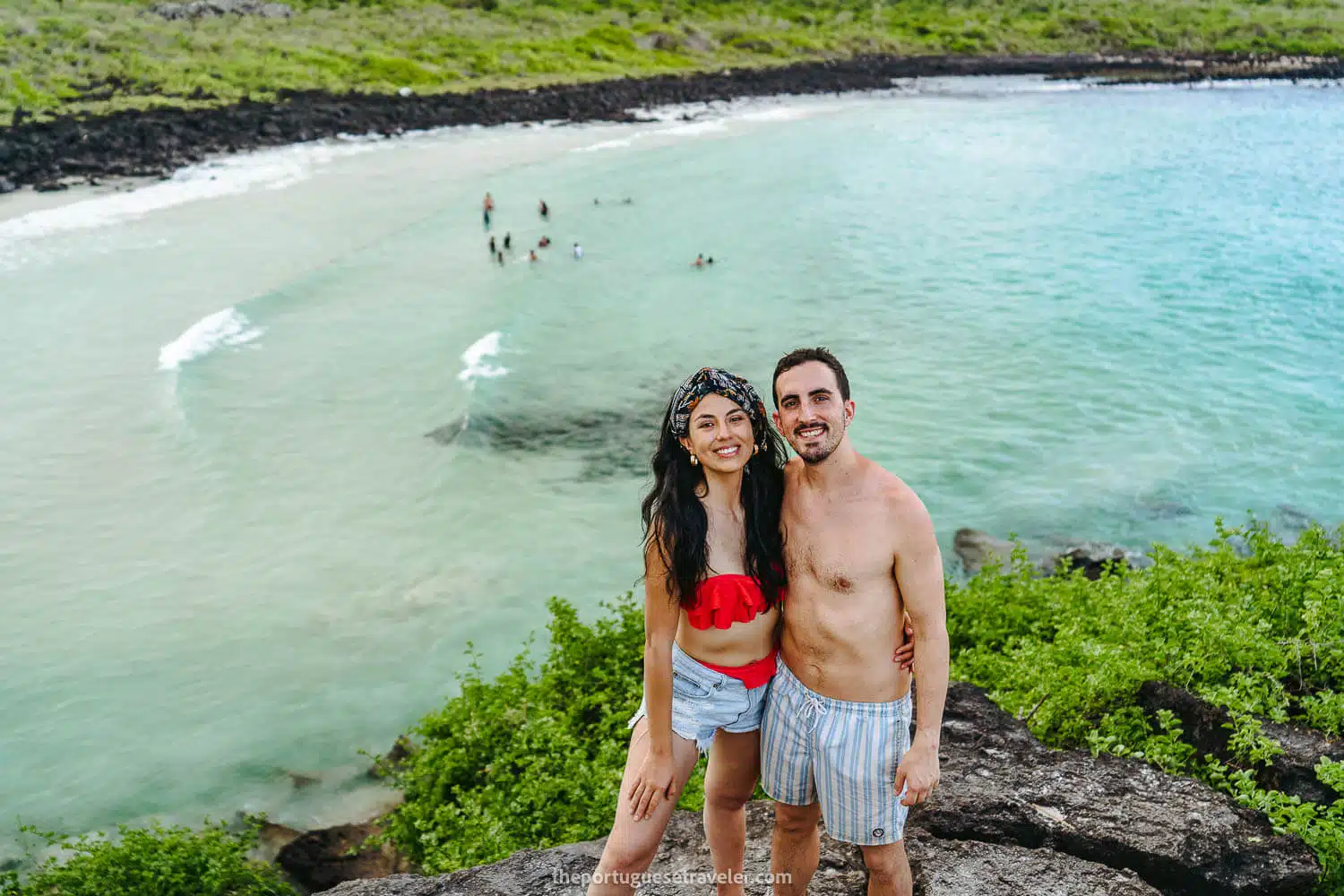
During that second trip, I finally saw hammerheads at Kicker Rock and enjoyed some stunning sunsets and clear skies on the beaches of San Cristobal, perfect for capturing the most beautiful turquoise water photos. I also loved soaking in the local vibe and simply relaxing on the island. I’ll be coming back in January 2026 with my mother, and I’m looking forward to experiencing the same wonderful climate as before, enjoying the islands at a slower pace, and truly appreciating the uniqueness and tranquility of this enchanted archipelago.
Plan your next adventure with us!
Here are the links we use and recommend to plan your trip easily and safely. You won’t pay more, and you’ll help keep the blog running!



Adventures in Sri Lanka - The Ancient Ceylon
Explore The Galapagos Islands
Hiking in Switzerland & Italy
The Hidden Worlds of Ecuador
ABOUT ME

I’m João Petersen, an explorer at heart, travel leader, and the creator of The Portuguese Traveler. Adventure tourism has always been my passion, and my goal is to turn my blog into a go-to resource for outdoor enthusiasts. Over the past few years, I’ve dedicated myself to exploring remote destinations, breathtaking landscapes, and fascinating cultures, sharing my experiences through a mix of storytelling and photography.
SUBSCRIBE
Don’t Miss Out! Be the first to know when I share new adventures—sign up for The Portuguese Traveler newsletter!
MEMBER OF

RECENT POSTS


COMMUNITY
GUIDES
Need help planning? Get our interactive Ecuador and Galapagos guides with curated itineraries. Learn more…
RELATED POSTS
TRAVEL INSURANCE
Lost luggage, missed flights, or medical emergencies – can you afford the risk? For peace of mind, I always trust Heymondo Travel Insurance.
Get 5% off your insurance with my link.