
Things to Know Before Visiting the Galapagos Islands
A practical guide to planning your Galapagos adventure
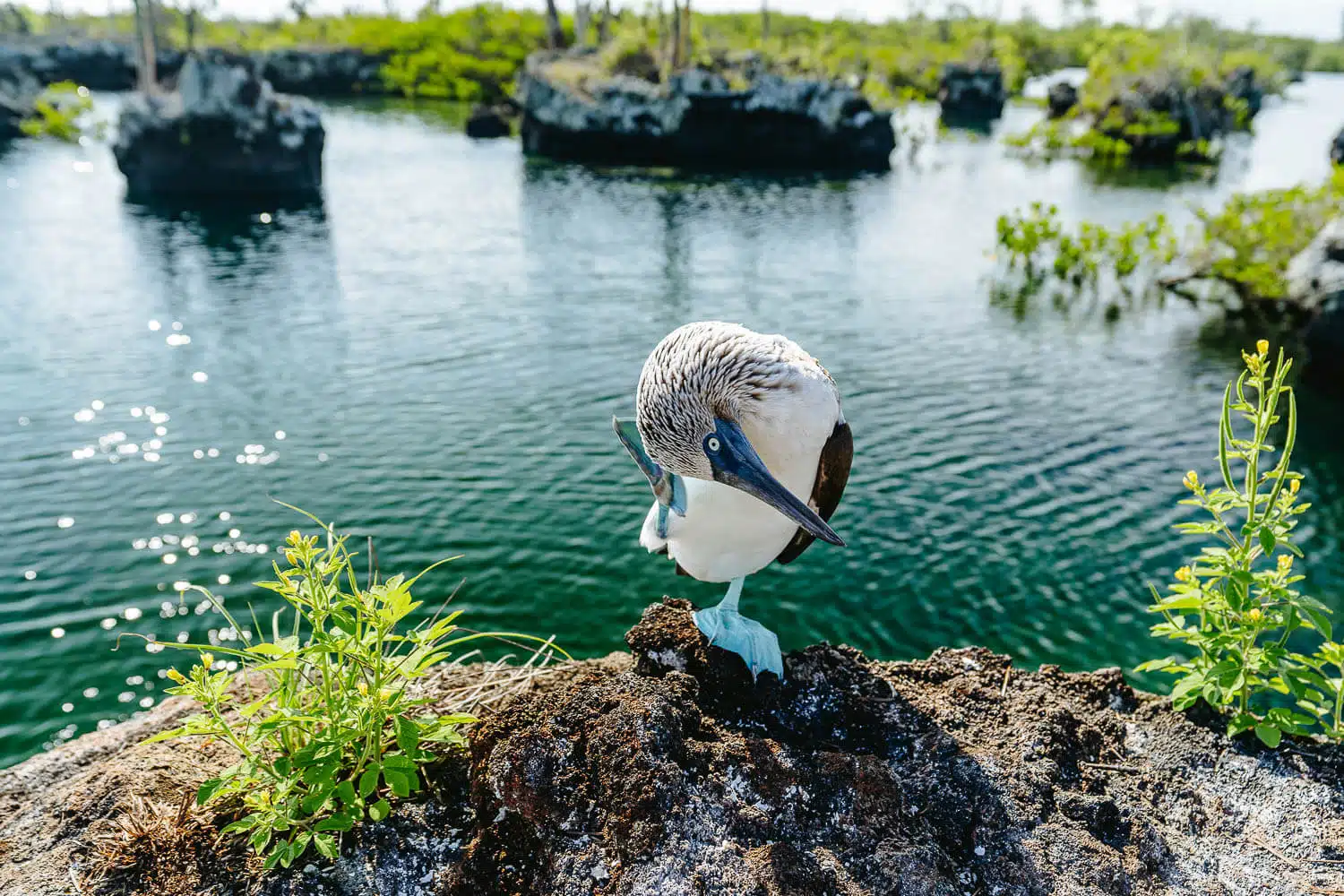
There are so many things to know before visiting the Galapagos Islands that it can feel a little overwhelming at first. When I started planning my trip, I quickly realized how many small details can shape the entire experience—from figuring out the best time to go and how to get between the islands, to knowing what to pack for life in such a remote place.
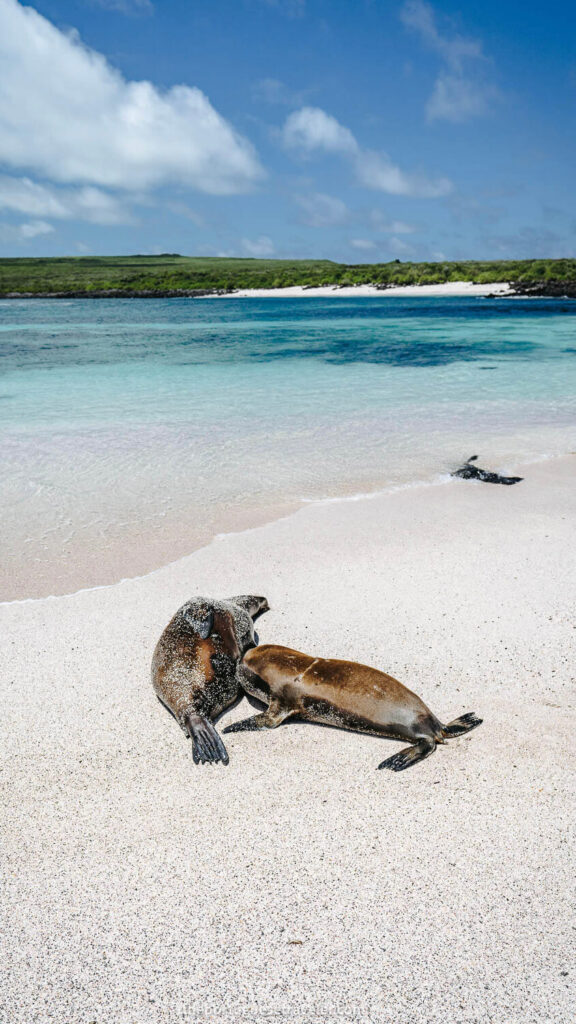
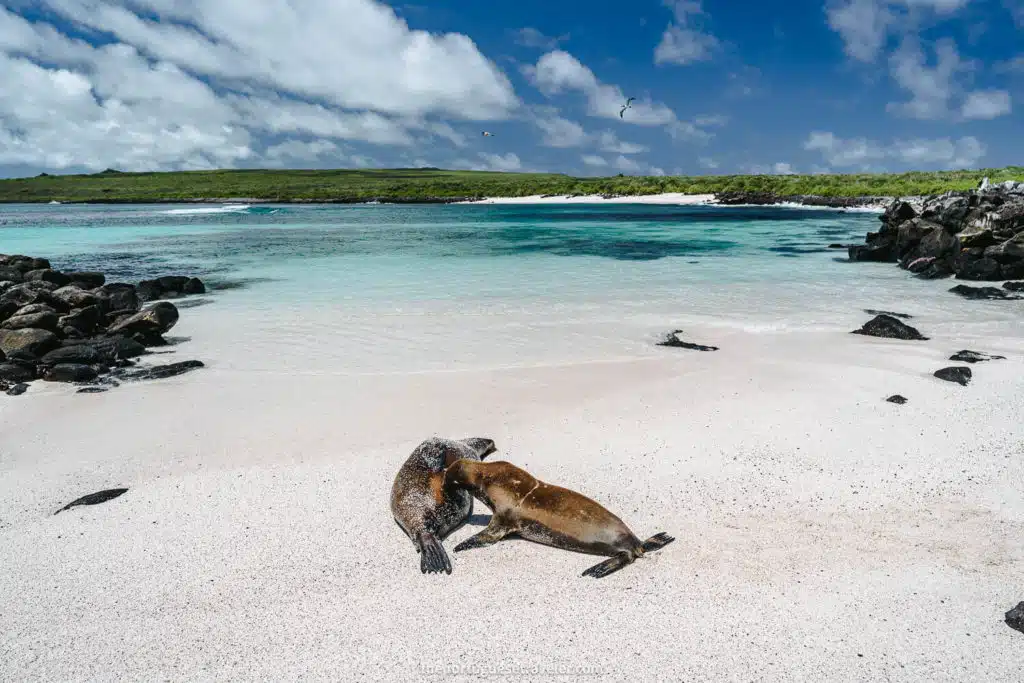
But once you’re there, watching sea lions waddle down the beach and blue-footed boobies dive into turquoise waters, you’ll be glad you took the time to prepare. Here’s everything I learned along the way to help make your own Galapagos adventure smoother, easier, and even more magical.
Table of Contents
Your Galapagos Islands Essentials - Quick Guide
Short on time? This quick Galapagos guide will help you plan!
Where to Stay:
– Finch Bay Hotel (Santa Cruz Island)
– Hotel Indigo by IHG (San Cristobal Island)
– Hotel Iguana Crossing (Isabela Island)
Must-Do Experiences:
– 360 Tour (San Cristobal highlights by boat)
– Kicker Rock Tour (Top snorkeling with big wildlife)
– Bartolome Island Tour (Iconic views & marine life)
– Floreana Island Tour (Snorkel, fishing & history)
– Sierra Negra Volcano Tour (Epic volcano hike)
– Los Tuneles Tour (Galapagos’ best snorkeling)
Extras you’ll Need:
– Travel Insurance with Heymondo (5% discount).
– Mobile eSim with Holafly (5% discount) or Airalo
Basics & Entry Requirements
Before you head to the Galapagos, it’s helpful to understand the entry process and what documents or fees are required. From visa rules to park permits and travel insurance, there are a few key details to organize in advance to ensure your trip runs smoothly. These are important things to know before visiting the Galapagos Islands.
Do I Need a Visa for the Galapagos Islands? — Things to Know Before Visiting
Whether you need a visa depends on your nationality and how long you plan to stay in Ecuador. For many travellers (including citizens of the US, Canada, the EU, and several other countries), a separate tourist visa is not required for stays up to 90 days — you simply need a valid passport. However, some countries have specific visa rules (Ecuador has modified visa arrangements with some nationalities), so always check embassy or consulate guidance for your passport before traveling.
Even if you don’t need a visa for mainland Ecuador, the Galapagos has extra administrative steps (the Transit Control Card and park entrance fee below), and you must meet passport-validity and entry requirements. Treat the visa question practically: confirm your visa status with the nearest Ecuadorian consulate, ensure your passport has at least six months’ validity, and keep printed copies of your return tickets and accommodation bookings — these are commonly requested at check-in for flights to the islands.

What Documents Do I Need Before Visiting the Galapagos Islands?
Before boarding your flight, have these documents ready: your passport (with the required validity), a printed or digital copy of your return flight, and proof of accommodation (hotel reservation or cruise details). At mainland airports, you must obtain the Galapagos Transit Control Card (TCT). This mandatory card requires your personal details, accommodation, and return-flight info. Expect to present the TCT when checking in.
Be prepared to pay the park entrance fee on arrival (cash is commonly requested for part or all of it — see below for amounts). Carry any documents your airline requests. Many operators recommend travel medical insurance that covers the Galapagos (sometimes proof is required — see below). Keep copies of your ID, emergency contacts, and reservation confirmations handy; biosecurity checks upon arrival often ask for exact accommodation names and return flight details.
How Much Does the Galapagos Entry Fee Cost?
There are two mandatory charges: the Transit Control Card (TCT) and the Galapagos National Park entrance fee. The TCT usually costs US$20 per person. The park entrance fee for most international adults increased to US$200 per person (with lower rates for children and Ecuadorian nationals). These fees support conservation and local services and are payable on arrival.
Bring US dollars cash to cover at least the park fee — card acceptance is not guaranteed everywhere and fees may change. Also, check if any discounts apply to your party (children, students, or Ecuadorian nationals). Confirm current rates before traveling.

Do I Need Travel Insurance to Visit the Galapagos Islands?
Yes — travel medical insurance for the Galapagos is commonly required and strongly recommended. While mainland Ecuador doesn’t always require insurance, Galapagos authorities and many tour operators expect visitors to have coverage for emergency medical treatment and evacuation. Some providers and travel sources note that proof may be requested. This coverage is practical given the islands’ remote location and limited medical facilities.
From an expert perspective: buy a policy covering emergency medical expenses, evacuation, and trip interruption/cancellation if taking a cruise or booking activities. Keep digital and printed copies of your policy and emergency contacts with you. Even if not requested at airports, valid insurance offers peace of mind — medical transport from the islands can be costly otherwise.

Travel Guide, Itineraries, Map, Local Tips
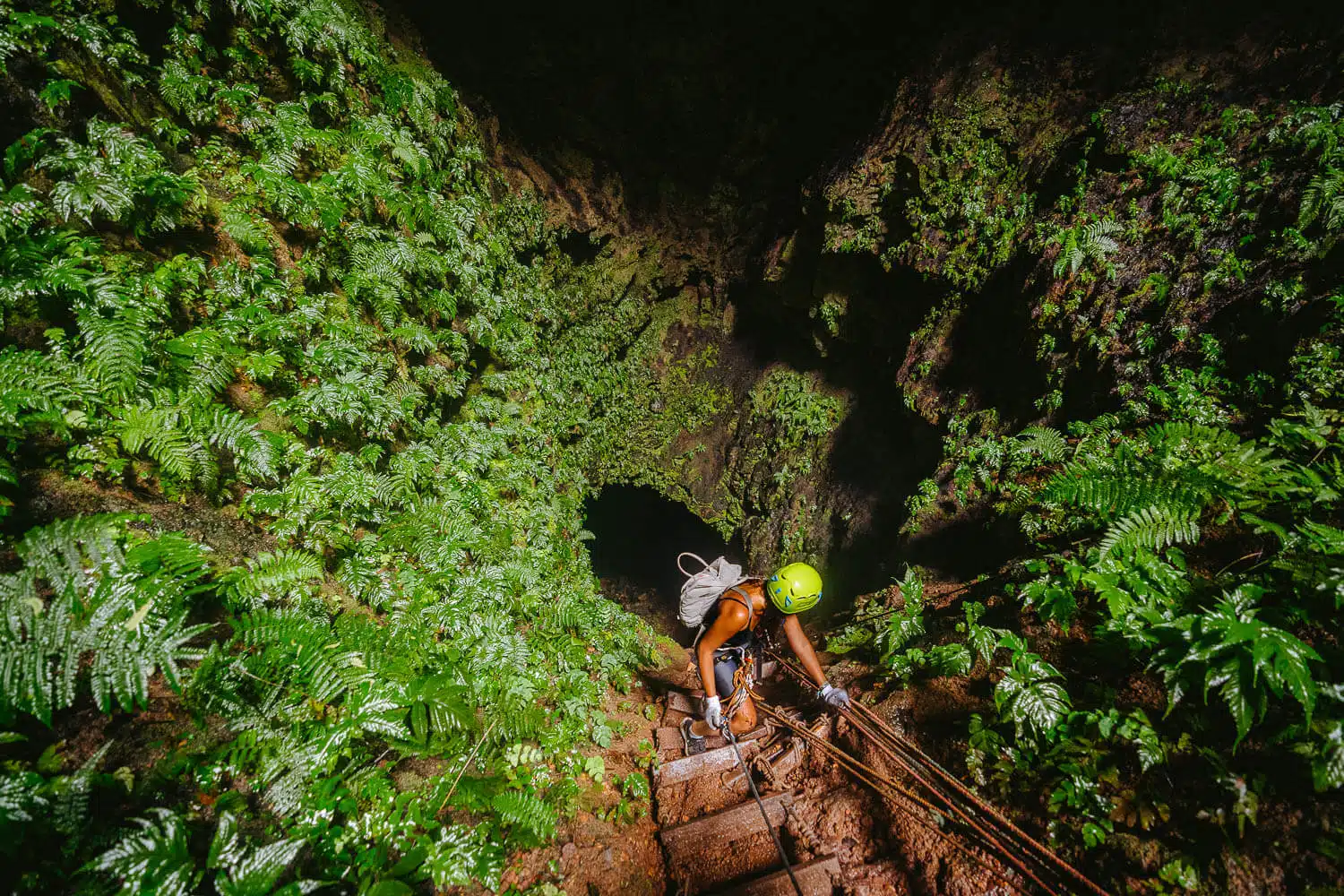
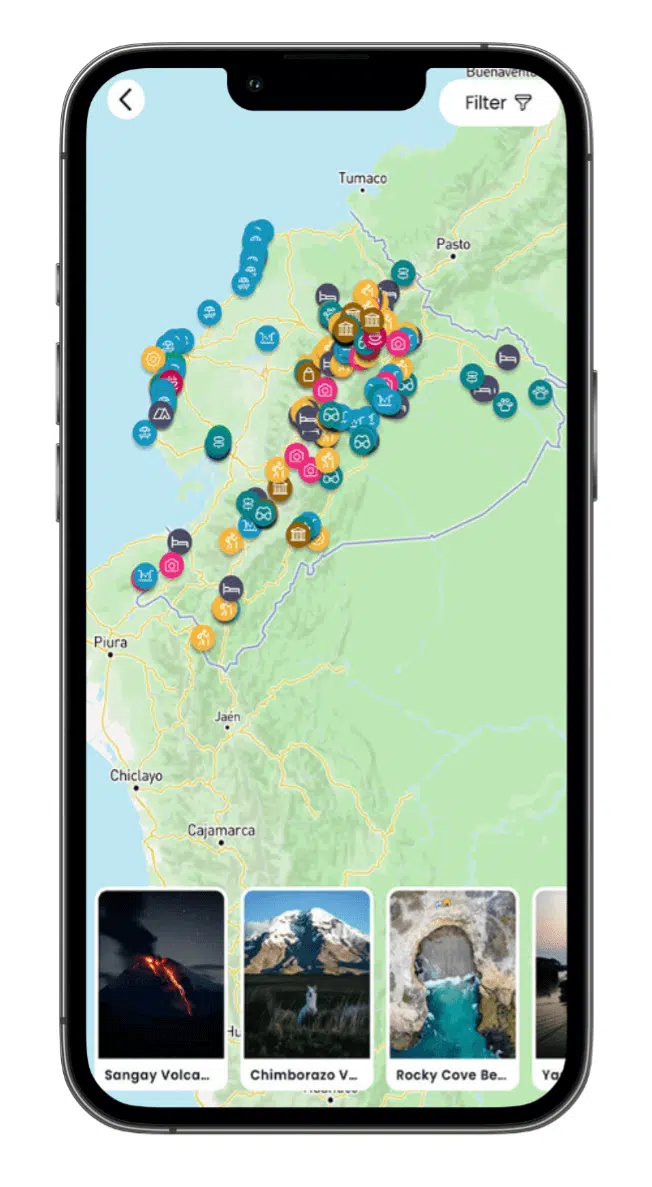
Get access to my curated list of all the best viewpoints, hiking trails, secret waterfalls, diving spots, wildlife tours, accommodations, and more, that will make your trip to Ecuador and The Galapagos unforgettable.
All of this, in an interactive guide featuring a mobile-friendly map, pre-designed itineraries, all my favourite photos, and helpful travel tips to guide your journey in this amazing unexplored country.
If you want personalized advice write me in-app and we can plan it together.

Plan Your Galapagos & South America Trip (Free Quote)
Getting There & Around
Planning how to get to and move between the islands is another important set of things to know before visiting the Galapagos Islands. Flights, ferries, and local transport connect the archipelago, so knowing your options in advance makes navigation easier.
How to Get to the Galapagos Islands from Mainland Ecuador — Things to Know Before Visiting
You first travel to Quito (in the highlands) or Guayaquil (on the coast). From there, take a domestic flight to Baltra Island or San Cristobal Island. The flight takes about 2 hours from Guayaquil or 2.5 hours from Quito (sometimes including a Guayaquil stop if flying from Quito).
All visitors pass through a Galapagos inspection at departure airports to purchase the Transit Control Card and have luggage scanned to protect the ecosystem. Book flights early, especially when connecting to cruises; LATAM and Avianca operate most routes. Plan at least one overnight on the mainland before your Galapagos flight — international delays might cause missed connections. The Galapagos isn’t a place to catch last-minute boats or planes, so this buffer is a vital thing to know before visiting the Galapagos Islands.

Which Airport Is Best to Fly to the Galapagos: Quito or Guayaquil?
Both Quito’s Mariscal Sucre International and Guayaquil’s José Joaquín de Olmedo International offer direct flights. Guayaquil usually provides shorter, cheaper flights and often fewer delays due to altitude weather. If your international flight lands in Guayaquil, connecting to Galapagos can happen the next morning without an overnight stay.
Quito suits those wanting to explore Ecuador’s capital or nearby destinations like Otavalo or Cotopaxi before heading to the islands. Many visitors fly into Quito for sightseeing, then take a short domestic flight to Guayaquil before onward travel to Galapagos. Both airports serve as reliable gateways; your choice depends on route, timing, and sightseeing preferences.
Can You Rent a Car in the Galapagos Islands?
No. Car rentals are prohibited due to strict environmental protections aimed at limiting pollution and traffic. Most towns are small, walkable, or accessible by bike or local taxi — for example, small white pickup trucks function as taxis in Puerto Ayora (Santa Cruz Island). These trucks are affordable and easy to flag down.
If visiting nearby attractions, guided tours or private transfers can be arranged. San Cristóbal and Isabela have equally simple transport options, such as walking or short taxi rides to beaches and ports.
Can You Travel Between Galapagos Islands on Your Own?
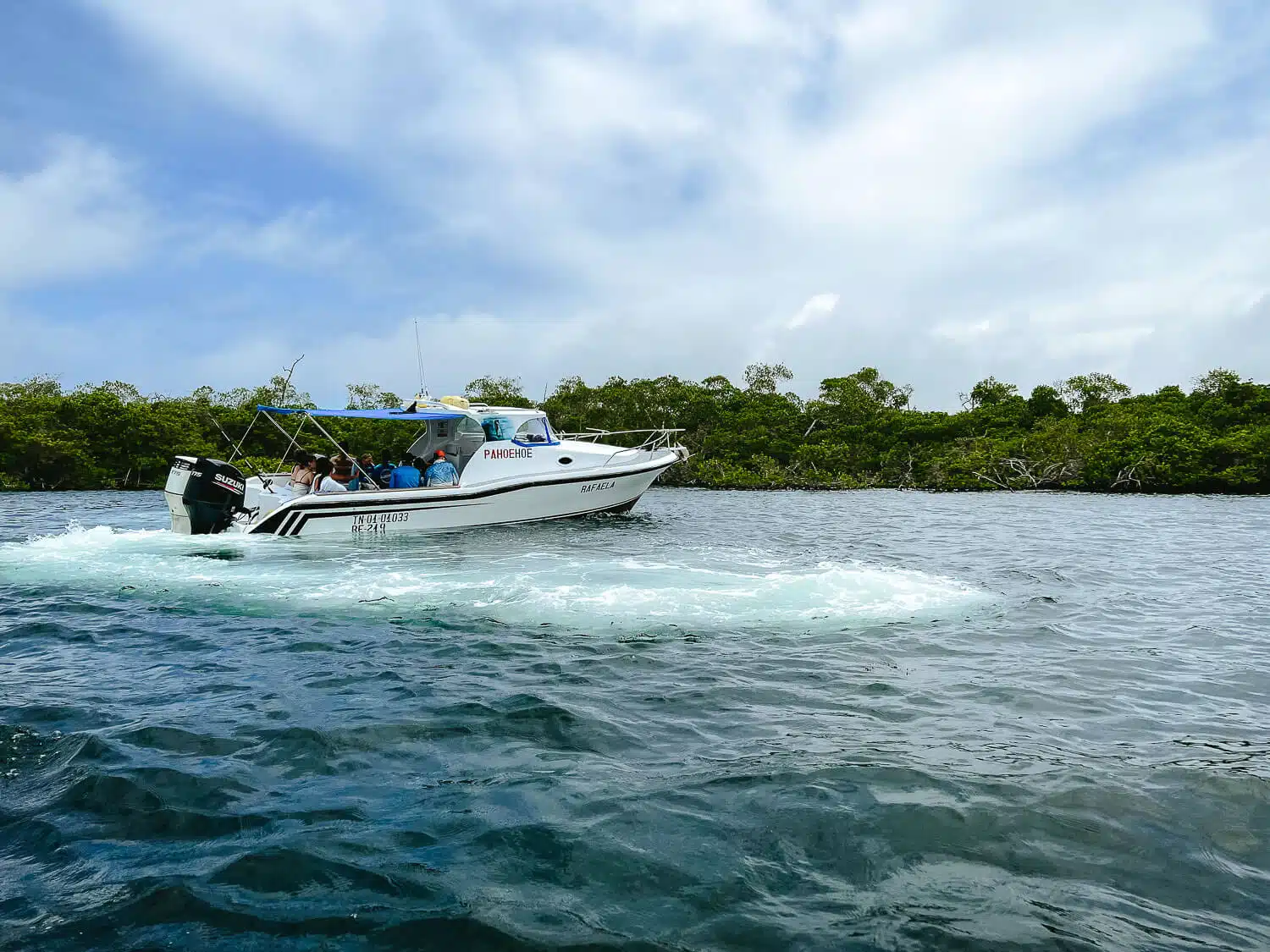
Yes, but with limitations. Independent travel is allowed only between Santa Cruz, Isabela, and San Cristóbal, via registered speedboats or local flights. Ferries run daily, usually early morning and mid-afternoon, taking 2–2.5 hours. Tickets must be bought in advance through hotels, tour offices, or dockside. Rough seas mean a bumpy ride, so motion-sickness medication is advisable.
Uninhabited islands can only be visited on authorized tours with licensed naturalist guides to protect wildlife and ecosystems. Thus, independent travel between the main islands is possible, but exploring the pristine remote areas requires a guided excursion.
Are There Ferries Between the Islands? What to Know Before Visiting
Yes. Ferries (mid-sized motorboats carrying ~20 passengers) operate daily between Santa Cruz, Isabela, and San Cristóbal. They are safe but can be choppy, especially in bad weather. Prices typically range $30–$40 per trip, lasting 2–2.5 hours. Bring water, sunscreen, and protect belongings from spray.
If seasickness is an issue, consider inter-island flights. Emetebe operates small planes that connect the main islands. These flights are faster and provide spectacular aerial views but cost more. Ferry schedules may change due to weather or maintenance, so always recheck your departure time the day before. Planning not to depend on same-day transfers is a smart thing to know before visiting the Galapagos Islands.
When to Visit
The Galapagos can be visited any time of year, but the experience changes with the seasons. Understanding when to go based on weather, wildlife activity, and ocean conditions helps you plan a trip matching your interests and comfort. These are among the most useful things to know before visiting the Galapagos Islands.
What Is the Best Time to Visit the Galapagos Islands? — Things to Know Before Planning
The Galapagos is a year-round destination — there’s no true “off season.” Broadly, there are two main seasons: the warm and wet season (December to May) and the cool and dry season (June to November). The warm season brings calmer seas, warmer water perfect for snorkeling, and clear skies with occasional brief rains. The dry season, influenced by the Humboldt Current, brings cooler weather and nutrient-rich waters that attract abundant marine life.
If you love swimming, snorkeling, and seeing wildlife courtship displays, December through May is ideal — water temperatures are warmer and visibility clearer. For fewer crowds, more active wildlife, and dramatic marine encounters like sea lions and penguins feeding, June through November may suit you better. Both seasons have rewards; it’s more about which natural spectacle you want to prioritize.

Can You Visit the Galapagos During the Rainy Season?
Yes, many travelers prefer the “rainy season” (December to May). Despite its name, rainfall usually arrives in short bursts followed by sunshine. The islands turn greener and more vibrant, making it a great time for photography with clear skies and blooming flowers. Wildlife activity increases as many species begin mating.
The key benefit is comfort: sea temperatures reach 25–28°C (77–82°F), making snorkeling and swimming more enjoyable. Calm seas mean smoother cruising if joining a liveaboard trip. Just pack a lightweight rain jacket and quick-drying clothes—you’ll barely notice the showers. The trade-off is higher visitor numbers, especially around Christmas, New Year, and Easter. Booking early is essential.
When Is the Best Time for Wildlife Watching in the Galapagos Islands?
Wildlife is active year-round, a truly magical quality. Specific species and behaviors, however, vary by season. Between December and May, expect to see sea turtles nesting, land iguanas and frigatebirds displaying breeding behaviors, and sea lions nursing pups. The islands are lush and full of life — a photographer’s dream.
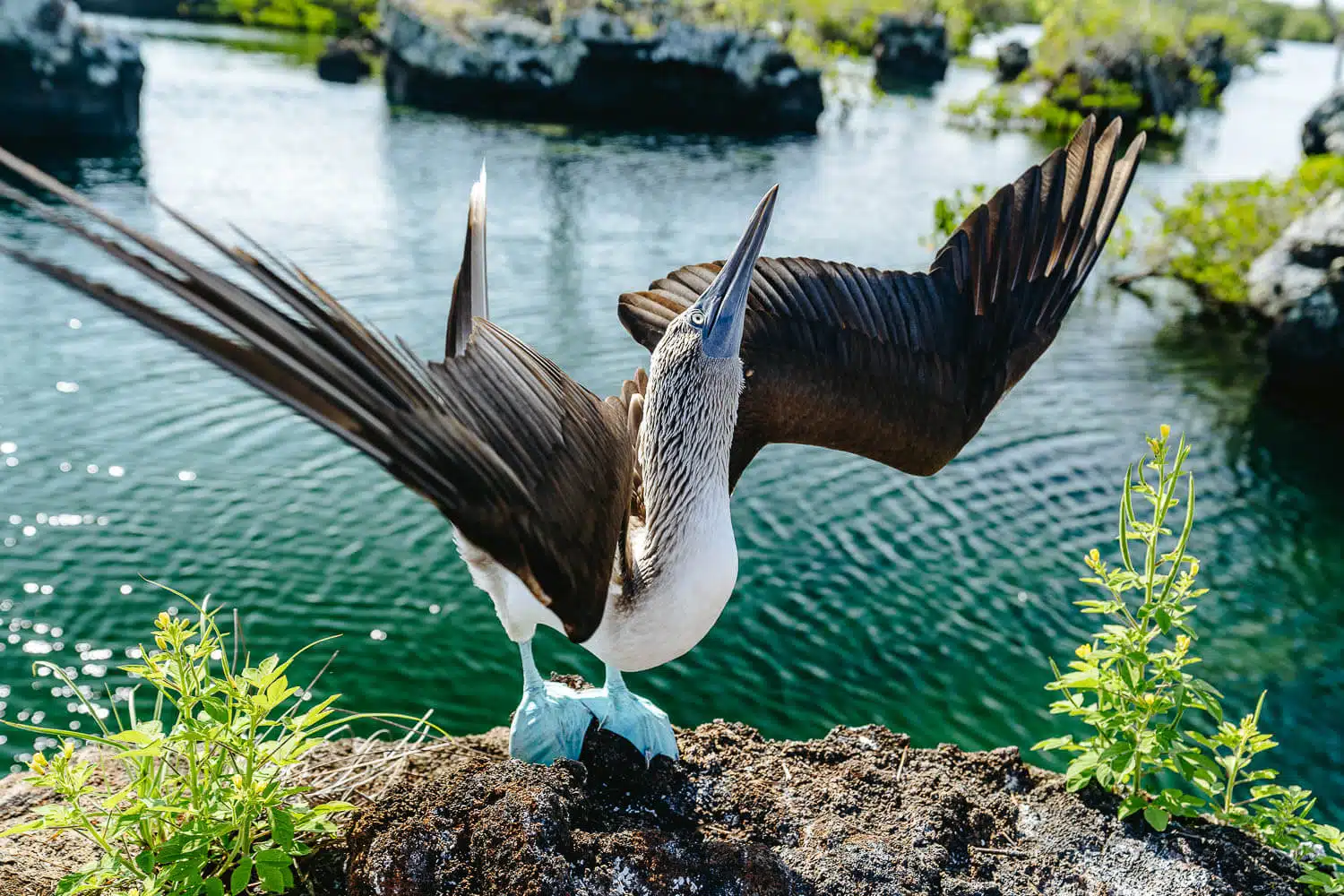
From June to November, cooler waters bring an explosion of marine activity: penguins dart through schools of fish, dolphins follow boats, and whales migrate nearby. Blue-footed boobies begin their colorful mating dances. Nutrient-rich seas attract sharks, rays, and countless fish. Snorkelers and divers find this season unbeatable. Those focusing on land-based wildlife, like tortoises or nesting birds, might prefer the warmer months. There’s no wrong time, only different experiences.
Accommodation & Tours
Where you stay and how you explore can shape your entire Galapagos experience. From cruises to island-based hotels and guided tours, it’s worth comparing styles of travel to find what best fits your budget and preferences.
Should I Take a Galapagos Cruise or Stay on Land? — Things to Know Before Visiting
This is one of the most common and important decisions when planning a trip to the Galapagos, and there’s no single right answer — it depends on your travel style. A Galapagos cruise is ideal if you want to visit multiple remote islands and see diverse wildlife in a short time. Cruises are tightly regulated, follow approved routes, and provide access to protected areas day tours can’t reach. They’re more expensive but incredibly efficient — you travel while you sleep and wake up in a new location every day. Plus, cruises offer comfortable, all-inclusive experiences with meals, guides, and excursions covered.
On the other hand, staying on land (known as an “island-hopping” or “land-based” trip) offers more flexibility and freedom. You can base yourself on any of the three main islands — typically Santa Cruz, San Cristóbal, or Isabela — and take day trips to nearby sites. This generally costs less and offers a deeper connection with local life. You can dine at small restaurants, stroll the waterfront at sunset, and explore at your own pace. Many travelers combine both styles — a short cruise followed by a few relaxing days on land — enjoying the best of both. This is a popular consideration among things to know before visiting the Galapagos Islands.

Where Should I Stay in the Galapagos Islands (Santa Cruz, Isabela, San Cristobal)?
Each of the three inhabited islands offers a unique atmosphere. Santa Cruz is the most developed and the main hub for tours, hosting Puerto Ayora — the largest town on the islands. You’ll find a wide range of hotels, restaurants, and day trips to places like Bartolomé or North Seymour. It’s probably the most convenient choice for first-time visitors.
Isabela Island feels far more remote and laid-back. It’s the largest island but maintains a small-town charm. It’s perfect if you want to relax, walk long beaches, and enjoy snorkeling right from the shore. San Cristóbal strikes a balance — lively but less crowded than Santa Cruz, with incredible wildlife encounters just minutes from town (sea lions are practically the town’s unofficial residents). Spending a few days on more than one island can give you a richer perspective of the archipelago’s diversity.

Costs & Money
A trip to the Galapagos involves a mix of expenses that are important to plan for. Knowing what costs to expect, how to handle money, and the level of credit card acceptance can help you budget confidently. Understanding these is among essential things to know before visiting the Galapagos Islands.
Are There Budget Options for Visiting the Galapagos Islands?
Yes, you can visit the Galapagos on a budget, although it requires planning and flexibility. Main expenses include flights, park fees, and accommodation, but staying on land rather than cruising can reduce costs significantly. Many locally owned guesthouses, hostels, and mid-range hotels on Santa Cruz, Isabela, and San Cristóbal offer excellent value, especially when booked directly.
Meals at small local eateries (called “comedores”) cost far less than tourist-focused restaurants. Free attractions such as Tortuga Bay, Las Grietas, or La Lobería provide enjoyable experiences without spending a cent. Budget travelers can also join shared day tours, rent snorkeling gear instead of paid dives, and use local ferries between islands.
Even budget travelers should plan for roughly $100–$200 per day because independent travel in the Galapagos isn’t “cheap,” due to the islands’ remoteness. However, if you balance paid tours with self-guided adventures and focus spending where it matters most, it’s very possible to have an unforgettable trip without breaking the bank.

Is a Trip to the Galapagos Islands Expensive? — Things to Know Before Visiting
In short, yes — the Galapagos is generally considered an expensive destination, but it’s important to understand why. Higher costs stem from the islands’ isolation and strict conservation controls. Virtually everything — from food to fuel — must be imported from mainland Ecuador. Visitor numbers are tightly limited to protect ecosystems, naturally driving up prices for accommodation, tours, and flights.
That said, you’re paying for an extraordinary experience: visiting one of the most pristine natural environments on Earth where wildlife roams freely and conservation is paramount. The good news is you can adjust your trip to your budget. Luxury cruises and eco-lodges can cost thousands, but independent, land-based travel can make the Galapagos surprisingly accessible. Simple hotels, local eateries, and self-guided walks can provide world-class wildlife encounters.

How Much Money Should I Budget Per Day in the Galapagos?
Daily budgets vary widely by travel style. Budget travelers should plan to spend $100–$200 per day to cover accommodation, meals, a ferry trip or two, and occasional guided tours. Mid-range travelers can expect $250–$400 daily, with more comfortable hotels and extra excursions. Luxury or cruise-based travelers often spend $500–$1,000 or more per day, depending on the cruise or lodge.
Remember to factor in one-time fees like the Transit Control Card ($20) and National Park entrance fee ($200), plus flights to and from the islands (about $250–$400 round trip from Quito or Guayaquil). Most agree the Galapagos is worth every penny. Few travel destinations let you swim with sea lions, walk beside giant tortoises, and snorkel over volcanic reefs in one day.
Can You Use Credit Cards in the Galapagos Islands?
Credit cards are accepted in many hotels, restaurants, and tour agencies, especially on Santa Cruz and San Cristóbal. However, cash remains essential. Smaller shops, local eateries, and ferries often accept no cards or charge 5–10% surcharges on card payments.
ATMs are available in Puerto Ayora (Santa Cruz) and Puerto Baquerizo Moreno (San Cristóbal), but machines can run out of cash or go offline. It’s best to withdraw needed money before traveling to Isabela, where ATM access is very limited.
Carrying a mix of small bills ($5s, $10s, $20s) helps with taxis, snacks, and tips. A special tip — locals love $2 bills, so bring plenty. Don’t rely entirely on cards, especially in remote areas. Keep your cash secure and waterproofed, as you’ll often be near boats. While card acceptance is growing, the Galapagos still runs largely on cash and simplicity.
What Currency Is Used in the Galapagos Islands?
The Galapagos uses the US dollar (USD), same as mainland Ecuador. This simplifies budgeting for US travelers—no currency exchange is needed. Bills and coins match those used in the US, though Ecuador mints its own centavo coins equivalent to US cents, which circulate interchangeably.
Small denominations are in demand; bring smaller bills when possible. Most businesses won’t accept $50 or $100 notes, especially for small purchases. If traveling from outside the US, it’s best to withdraw dollars in Ecuador before arrival or bring clean, undamaged notes from home. Using USD can make prices feel high compared to other South American spots, but it simplifies expense tracking.
Wildlife & Nature
Wildlife is the heart of any Galapagos journey, and understanding how to experience it responsibly is key. These topics explore what makes the islands’ animals unique and how close you can safely get while respecting their natural behavior.
Can You Touch or Feed the Animals in the Galapagos Islands? — Things to Know Before Visiting
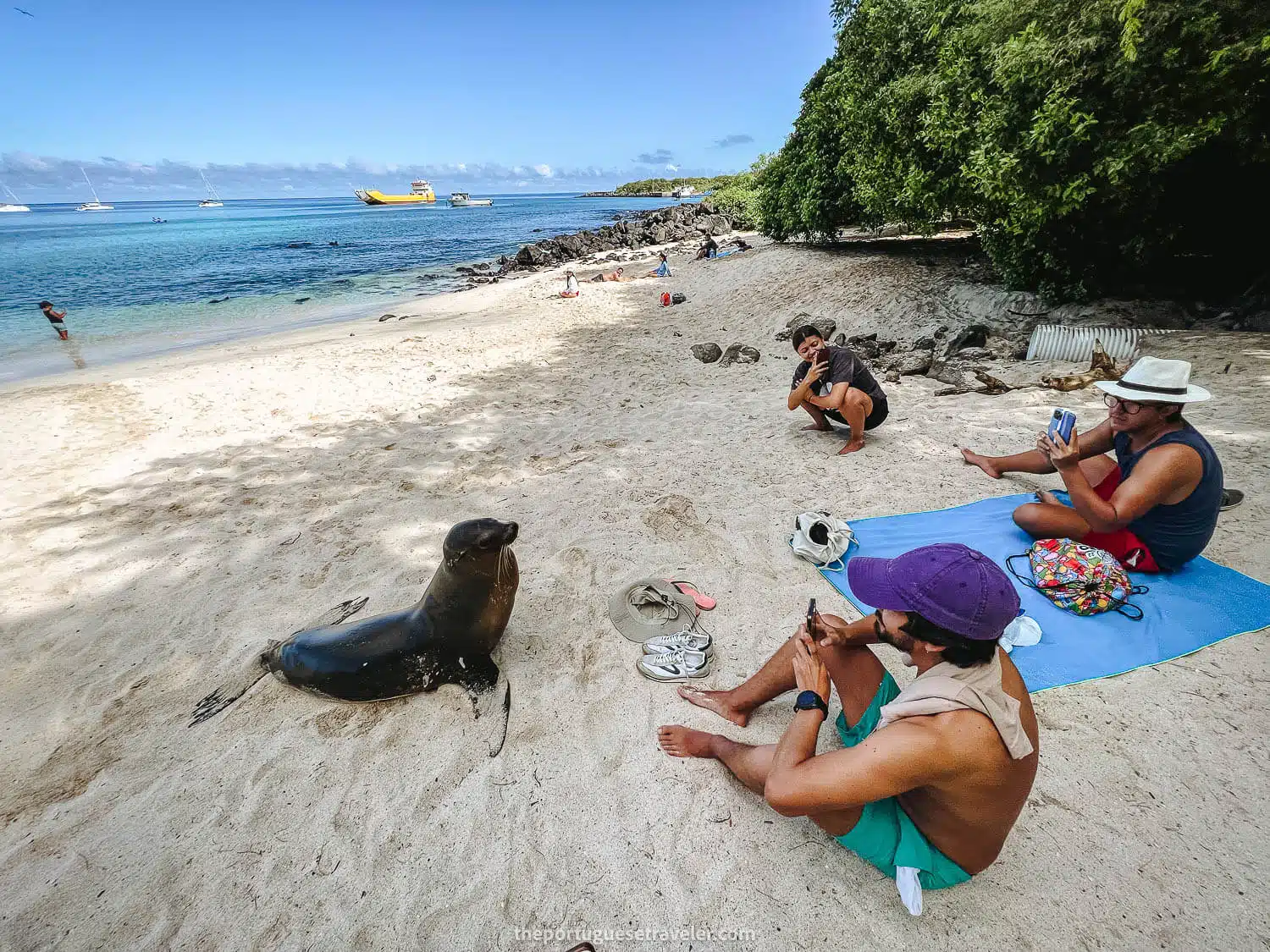
No — touching or feeding wildlife in the Galapagos is strictly prohibited. The animals are naturally fearless because they evolved without predators, which makes encounters special. To protect their behavior, visitors must keep at least two meters (about six feet) distance from all animals. Feeding them, even harmless foods like bananas or crumbs, disrupts their diet, instincts, and can introduce diseases.
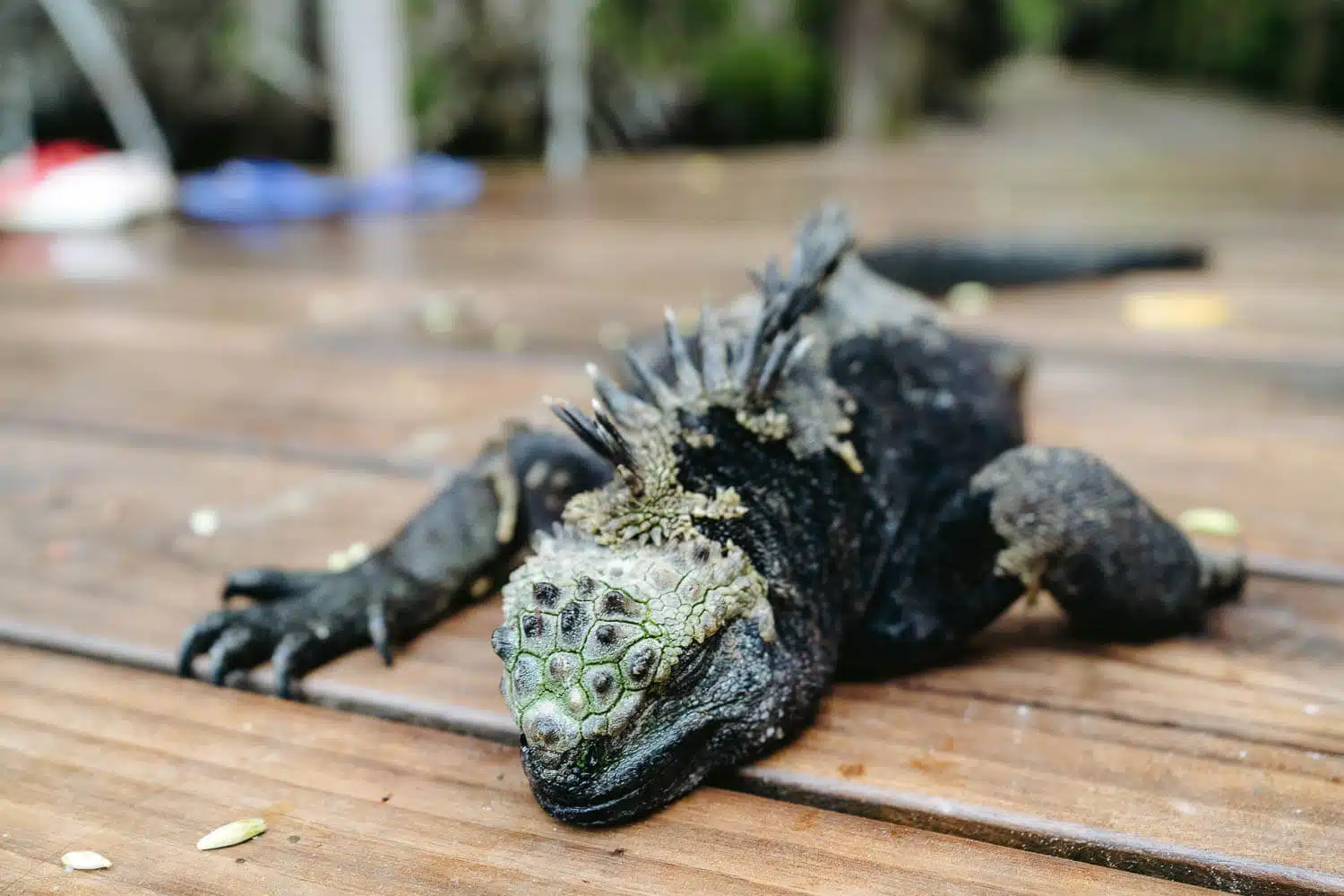
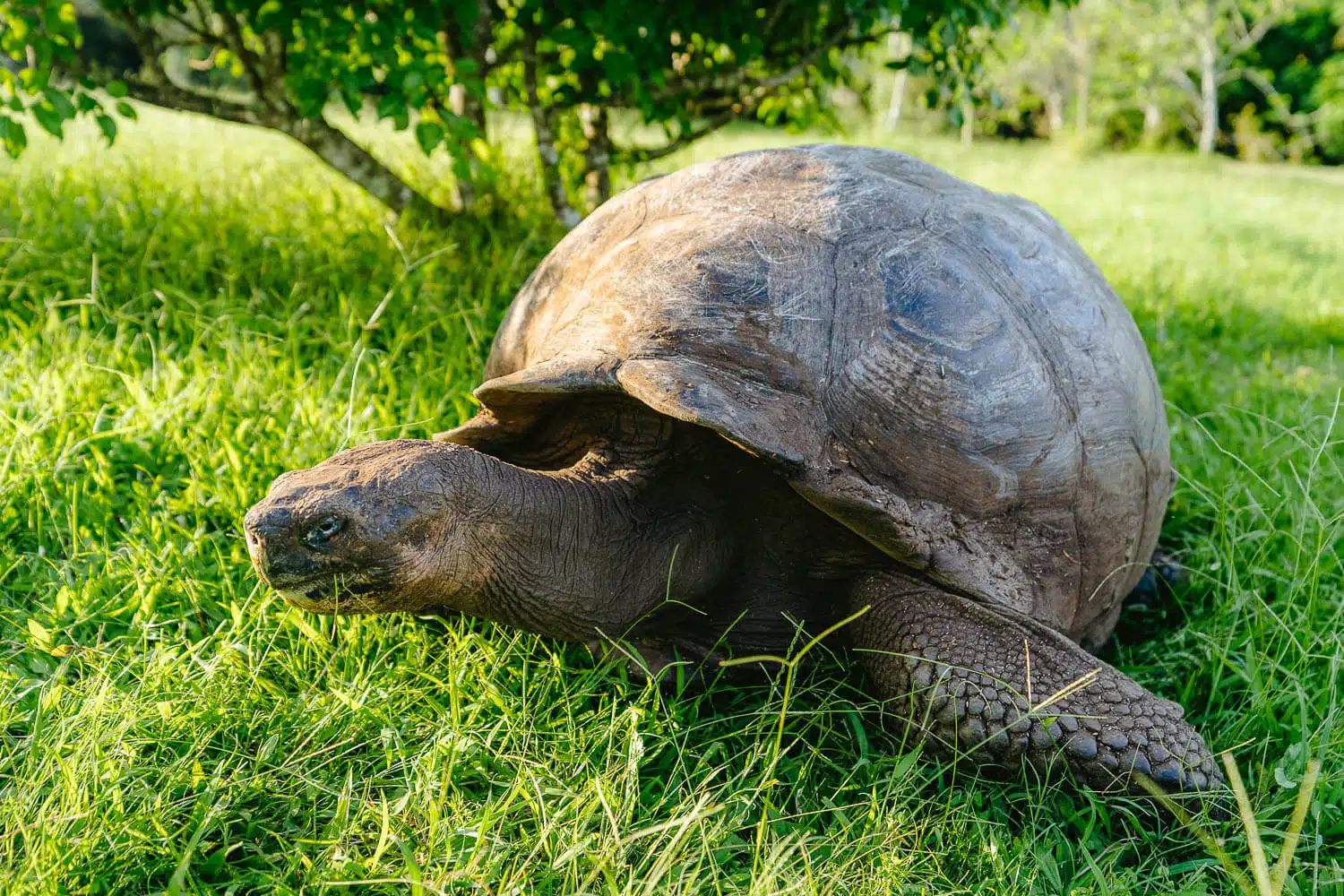
Park rangers and guides rigorously enforce these rules, and penalties can be severe. The beauty of the Galapagos is you don’t need to touch or feed animals to have unforgettable experiences. Sea lions nap beside benches, marine iguanas cross like little dinosaurs, and blue-footed boobies dive meters away. Watching them behave naturally is the essence of visiting — a privilege depending on every visitor respecting this invisible boundary.
How Close Can You Get to Wildlife in the Galapagos Islands?
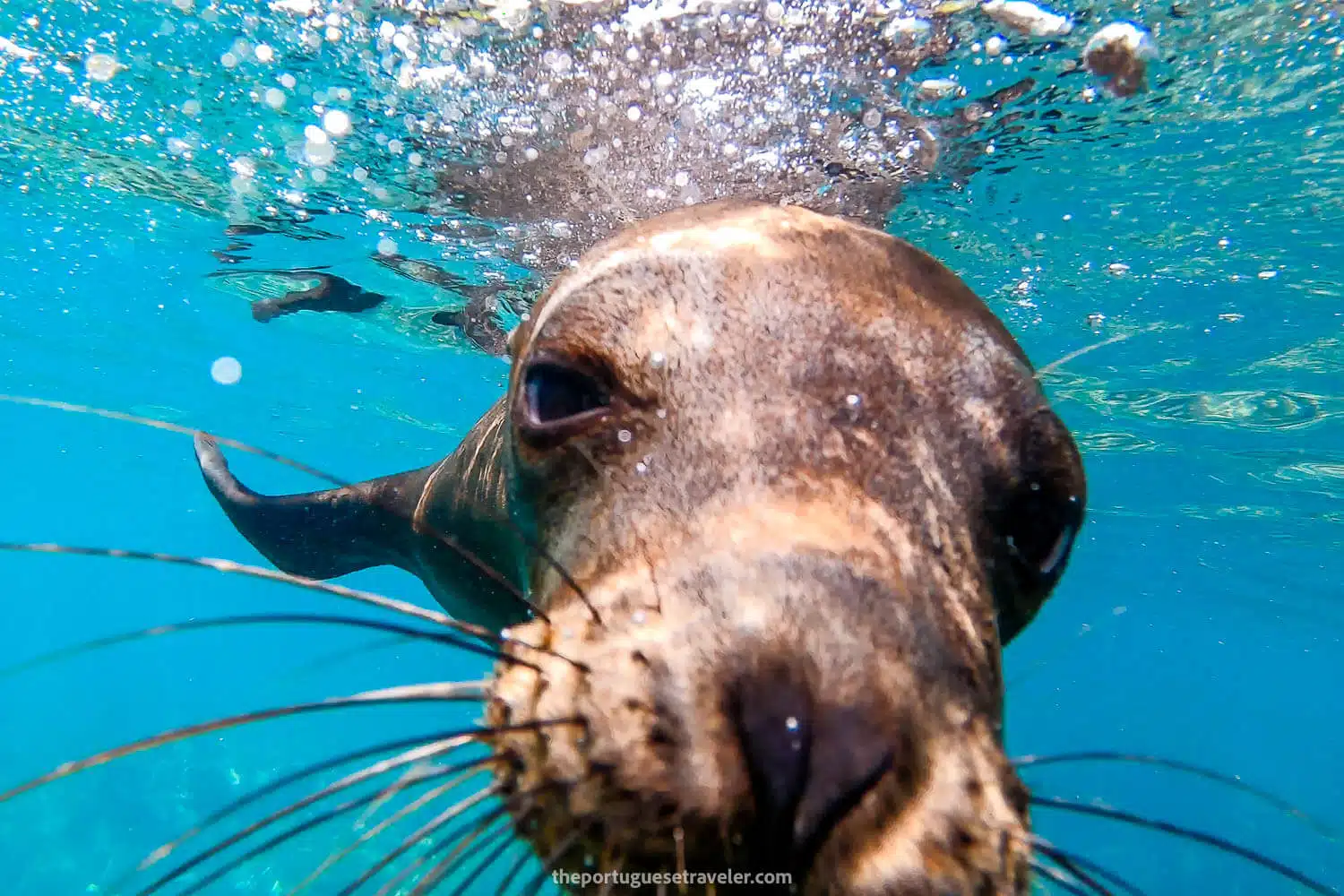
Closer than almost anywhere else, but always at a respectful distance. The minimum recommended distance is two meters, yet animals often approach on their own. Sea lions might waddle over curiously, finches land near your feet, and penguins dart around you in the water. It feels magical — you’re coexisting without intrusion.
Strict park rules keep wildlife relaxed and visitors safe. Certified naturalist guides provide extra security and education. They teach how to spot animal stress, where to stand for photos without disturbing nests, and how to enjoy every encounter ethically. This close and respectful interaction is a once-in-a-lifetime experience and an important thing to know before visiting the Galapagos Islands.
What Animals Are Unique to the Galapagos Islands?
Galapagos hosts an incredible array of endemic species found nowhere else. The most famous is the Galapagos giant tortoise, with its massive shell and gentle nature — a symbol of the islands. You’ll also find the marine iguana, the world’s only sea-going lizard, the Galapagos penguin, the only penguin north of the equator, and the flightless cormorant, whose stubby wings show evolution in progress.
Bird species like Darwin’s finches and mockingbirds inspired Darwin’s theory of natural selection, each adapted uniquely by island. The diversity extends underwater with sea turtles, rays, sharks, and hundreds of colorful fish. The islands serve as a natural evolutionary laboratory, where species vary even by island habitat.
Whether watching frigatebirds inflate their red throat pouches or lava lizards doing push-ups, you’re witnessing a world shaped by nature’s laws.

Practical Travel Tips
The Galapagos Islands are remote, but with practical details in mind, your visit can be comfortable and seamless. These tips cover safety, health, connectivity, power, and packing essentials. Understanding these is among important things to know before visiting the Galapagos Islands.
Is It Safe to Travel to the Galapagos Islands? — Things to Know Before Visiting
The Galapagos are generally among South America’s safest destinations for personal safety and health. Violent crime is rare, and locals welcome visitors warmly. Petty theft can occur, especially in larger towns like Puerto Ayora, so basic precautions apply: secure valuables, avoid leaving belongings unattended, and use hotel safes when possible.
Health-wise, the main concerns arise from natural environment risks. Medical facilities are limited, notably on smaller islands. Carry medications, use plenty of sunscreen, and exercise caution during hikes or snorkeling. Wildlife is famously unafraid of humans, but visitors must maintain respectful distance for safety and animal protection.
Do I Need Vaccinations Before Visiting the Galapagos Islands?
No specific vaccinations are required beyond those recommended for mainland Ecuador travel. It’s advisable to be current on routine immunizations like measles, mumps, rubella, tetanus, hepatitis A and B. If you visit rural or jungle areas before or after, consider yellow fever vaccine and malaria prevention, though these are unnecessary for Galapagos itself.
Because the islands have limited medical access, bring a travel health kit with prescription meds, motion sickness tablets, first aid supplies, and remedies for insect bites or mild stomach upset. Consult a travel health clinic weeks before departure to tailor advice to you.
Is There WiFi or Cell Service in the Galapagos?
Internet and mobile service exist but are limited. WiFi is usually available in hotels, cafes, and some tour boats, though often slow or unreliable. The larger islands — Santa Cruz, San Cristóbal, and Isabela — have the best connectivity; smaller or uninhabited islands generally have none. If connectivity matters, download maps, guides, and entertainment before arrival.
Cell service uses Ecuadorian providers like Claro and Movistar. International roaming sometimes works but is costly and coverage can be patchy outside town centers. Some hotels have installed Starlink, which you may see noted on Booking or Expedia. Many travelers choose to disconnect and enjoy the Galapagos’ isolation — a distinctive thing to know before visiting the Galapagos Islands.

Do I Need a Power Plug Adapter for the Galapagos?
Galapagos uses the same 110-volt electricity and 60 Hz frequency as mainland Ecuador. Outlets accept North American Type A and B plugs (two flat pins, sometimes grounding). Visitors from the US and Canada typically don’t need adapters. Those from Europe, Australia, or elsewhere should bring appropriate adapters.
If you bring electronics like cameras and laptops, verify they handle 110 volts (most modern devices are dual voltage). Power outages happen occasionally, especially in remote settlements or boats, so carrying a power bank for charging devices during day trips or excursions is highly recommended.
What Should I Pack Before Visiting the Galapagos Islands?
Pack lightweight, breathable, and quick-drying clothing for land and sea activities. Essentials include comfortable walking or hiking shoes, a wide-brimmed hat, sunglasses, and reef-safe sunscreen. Swimsuits and snorkeling gear (if you prefer your own) plus a light rain jacket are useful too. Layered clothing works well since weather changes quickly between sun, breeze, and cool spells.
Bring practical extras like reusable water bottles, insect repellent, dry bags for electronics, and a small daypack. The islands have strict rules about what you can bring — disposable plastics and non-biodegradable toiletries are banned. Due to limited and pricier island shopping options, it’s smart to bring any personal essentials or specialized gear from the mainland.
Environmental Rules & Sustainability
What Are the Rules for Visiting the Galapagos National Park? — Things to Know Before Visiting
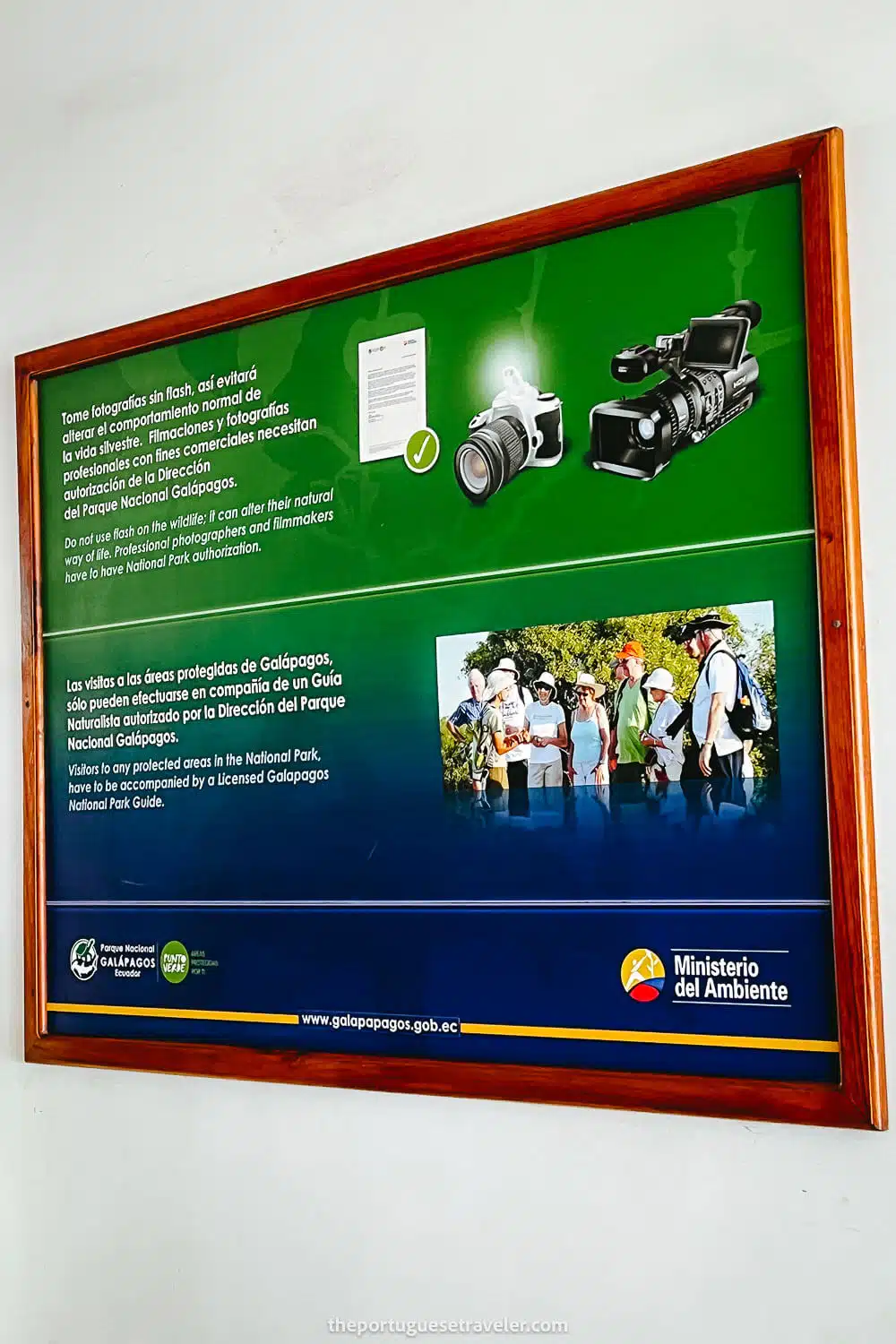
The Galapagos National Park enforces strict regulations to protect its fragile ecosystems and unique wildlife. Visitors must be accompanied by a certified naturalist guide when exploring most park areas. You are required to stay on marked trails, keep a safe distance from animals (usually at least two meters), and avoid touching or feeding wildlife.
Food, smoking, and flash photography are prohibited within park zones to prevent contamination and distress. Visitors must pay a park entrance fee upon arrival and obtain a transit control card before flying from mainland Ecuador. These measures fund conservation and help maintain tourism sustainability. Following your guide’s instructions is critical — these rules preserve the islands’ biodiversity and integrity.
How to Be a Responsible Traveler in the Galapagos Islands
Responsible travel means understanding the islands as a living evolutionary laboratory — not a theme park. Support local businesses by choosing locally owned accommodation and eating in local restaurants. Buying responsibly made souvenirs and eco-certified tours helps community development and conservation efforts.
Minimize waste by avoiding single-use plastics. Bring reusable water bottles and bags. Respect wildlife boundaries, use reef-safe sunscreen, and conserve water — these actions protect the islands’ fragile balance. Simply put, being mindful means treating every experience as a privilege and leaving as little trace as possible. This mindset is among the key things to know before visiting the Galapagos Islands.
Can I Bring Food or Snacks into the Galapagos Islands?
Bringing most fresh food into the Galapagos is strictly prohibited. To avoid introducing invasive species, all luggage and carry-ons are inspected before boarding flights from the mainland and again on arrival. Fruits, vegetables, seeds, and animal products are not allowed.
Packaged, processed snacks like granola bars or sealed nuts are generally permitted but must be declared and may be checked. If you have dietary needs or preferred snack brands, bring sealed and labeled items from home and verify they comply with rules.
Once on the islands, grocery stores and markets offer basic supplies. Though inspection may seem strict, these controls protect Galapagos’ fragile environment from non-native species that could devastate ecosystems.
Plan your next adventure with us!
Here are the links we use and recommend to plan your trip easily and safely. You won’t pay more, and you’ll help keep the blog running!



Adventures in Sri Lanka - The Ancient Ceylon
Explore The Galapagos Islands
Hiking in Switzerland & Italy
The Hidden Worlds of Ecuador
ABOUT ME

I’m João Petersen, an explorer at heart, travel leader, and the creator of The Portuguese Traveler. Adventure tourism has always been my passion, and my goal is to turn my blog into a go-to resource for outdoor enthusiasts. Over the past few years, I’ve dedicated myself to exploring remote destinations, breathtaking landscapes, and fascinating cultures, sharing my experiences through a mix of storytelling and photography.
SUBSCRIBE
Don’t Miss Out! Be the first to know when I share new adventures—sign up for The Portuguese Traveler newsletter!
MEMBER OF

RECENT POSTS


COMMUNITY
GUIDES
Need help planning? Get our interactive Ecuador and Galapagos guides with curated itineraries. Learn more…
RELATED POSTS
TRAVEL INSURANCE
Lost luggage, missed flights, or medical emergencies – can you afford the risk? For peace of mind, I always trust Heymondo Travel Insurance.
Get 5% off your insurance with my link.