
Galapagos Travel Safety

João Petersen · Last updated September 2, 2026
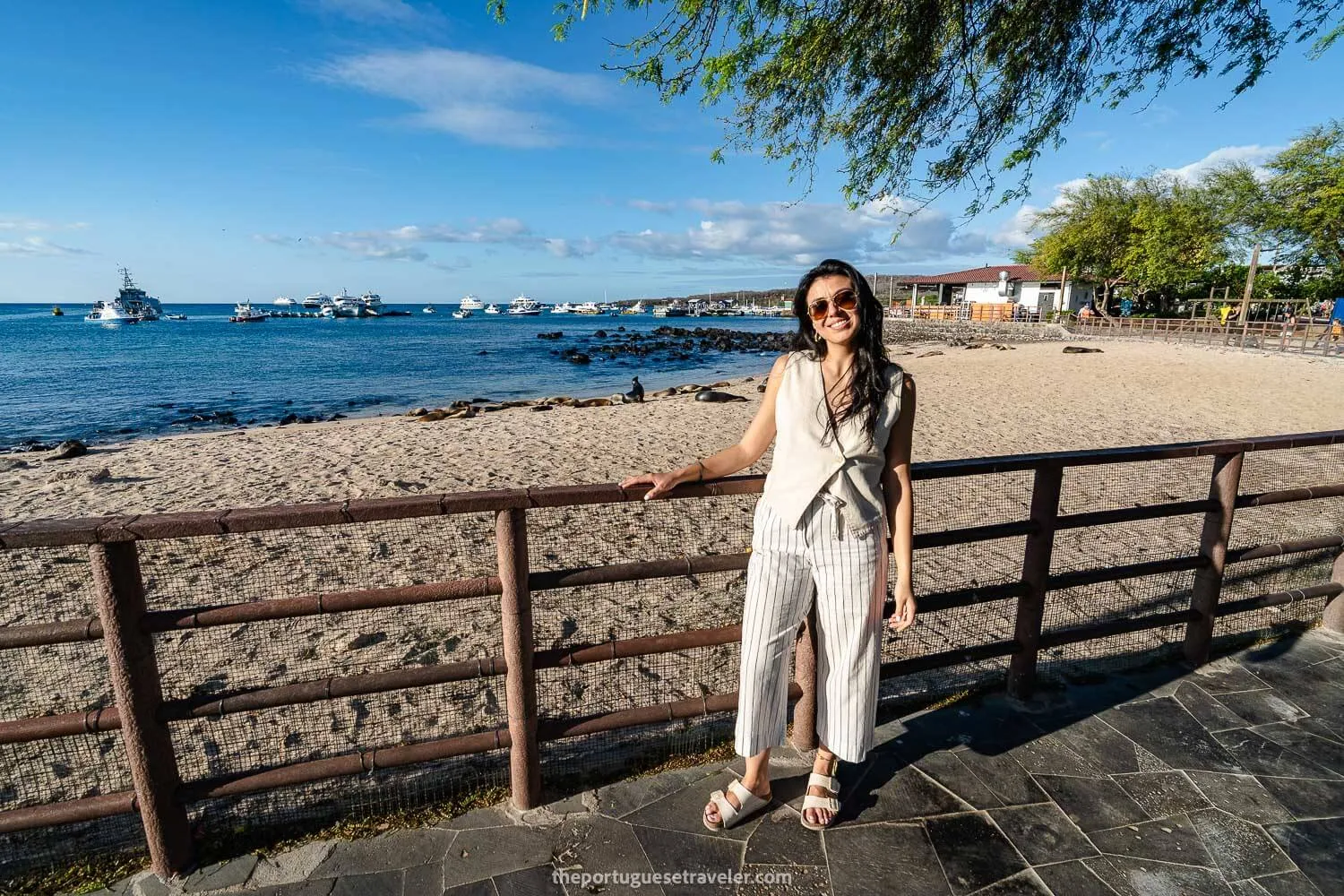
Thinking about a trip to the Galapagos and wondering whether it is safe? It is one of the questions travelers ask most before booking. For Galapagos travel safety, the short answer is that crime is low on the islands, and most of the risks come from nature: the sea, the sun and the wildlife.
This guide covers wildlife etiquette, boat safety and health precautions.
Your Galapagos Islands Essentials - Quick Guide
Short on time? This quick Galapagos guide will help you plan.
Where to Stay:
- – Finch Bay Galapagos Hotel (Santa Cruz Island)
- – Golden Bay Galapagos Hotel (San Cristobal Island)
- – Hotel Iguana Crossing (Isabela Island)
Must-Do Experiences:
- – 360 Tour (San Cristobal highlights by boat)
- – Kicker Rock Tour (Full-day snorkeling tour to Kicker Rock)
- – Bartolome Island Tour (Iconic views and marine life)
- – Floreana Island Tour (Snorkel, fishing and history)
- – Sierra Negra Volcano Tour (Half-day guided hike on Isabela Island)
- – Los Tuneles Tour (Snorkeling tour on Isabela Island)
The links in this box are affiliate links.
Tours sell out fast. Book early and plan a backup day.
Galapagos Travel Safety at a Glance: Is Galapagos Safe?
In short, yes. The Galapagos Islands are more than 1,000 km off mainland Ecuador, are managed as a strictly protected national park and UNESCO World Heritage Site, and depend almost entirely on tourism, which gives the local community every reason to keep visitors safe. Entry to the archipelago is also controlled for immigration purposes, so authorities generally know who is on the islands.
Safe does not mean risk-free. When people talk about Galapagos travel safety, they are rarely talking about crime. They are talking about boat travel between islands, ocean currents, sun exposure and close encounters with wildlife that has little fear of humans.
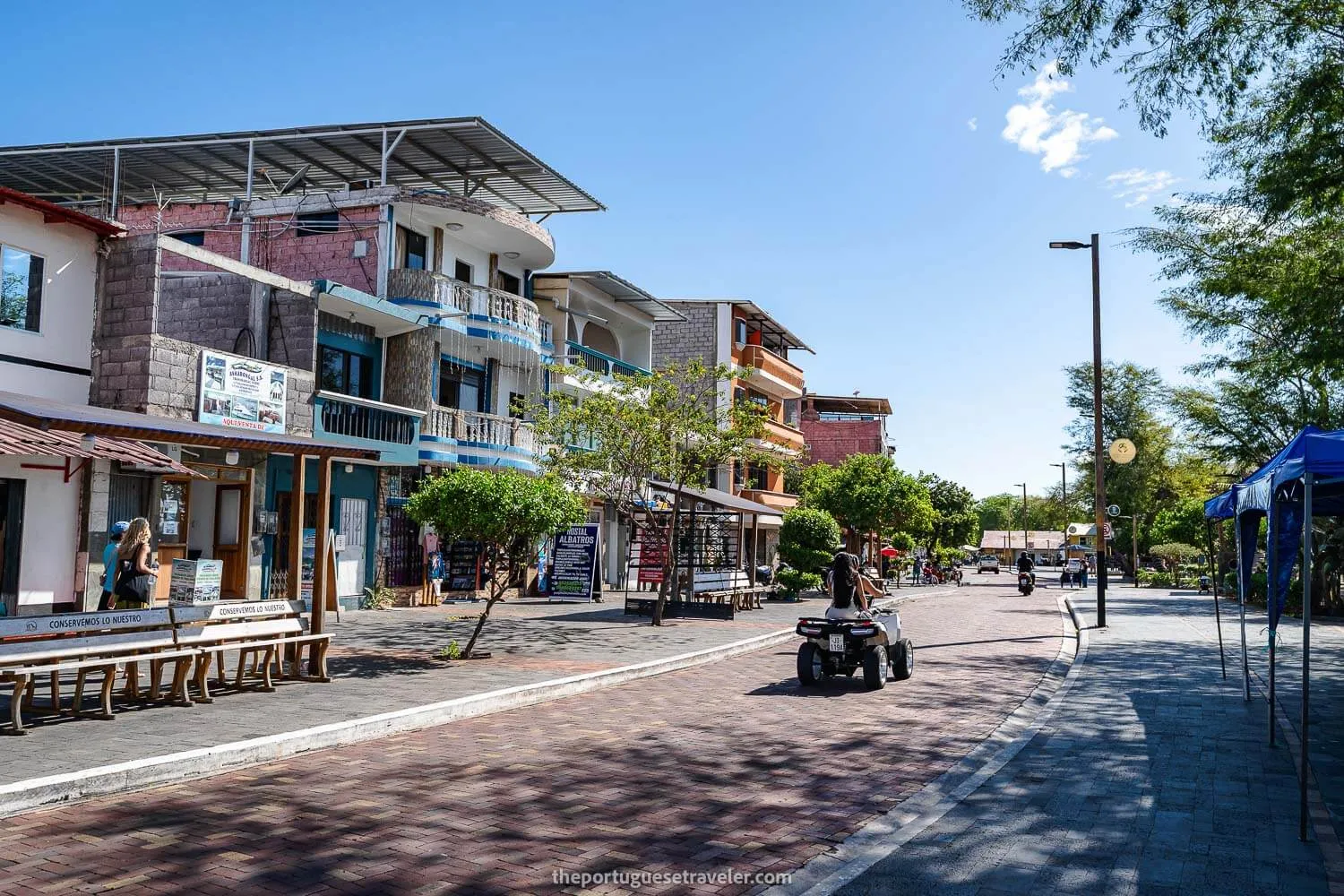
I walked around at night on all my trips and always felt very safe, and I never heard of a theft.
Galapagos Travel Safety and Crime: What You Need to Know
Crime rates in the Galapagos are very low compared with mainland Ecuador and much of South America. Petty theft can happen anywhere, so take normal precautions: do not leave valuables unattended on the beach, keep an eye on your bags in busy areas, and use your hotel safe when there is one. Serious or violent crime against tourists on the islands is rare.
The mainland is different. The UK government’s travel advice for Ecuador warns of kidnapping, armed robbery and street protests that can turn violent. If your trip includes Quito or Guayaquil before or after the Galapagos, read the safety advice for those cities separately, because the risks there are not the same as on the islands. Check your government’s current travel advice for Ecuador before you go.
Natural Disasters: Earthquakes, Tsunamis and Volcanoes
The Galapagos climate is stable and has no hurricanes, typhoons or extreme storms. The islands do sit in a seismically active part of the world, and the UK government’s travel advice notes a high risk of tsunamis in the Galapagos. The towns have marked tsunami evacuation routes leading to higher ground. I saw the signs.
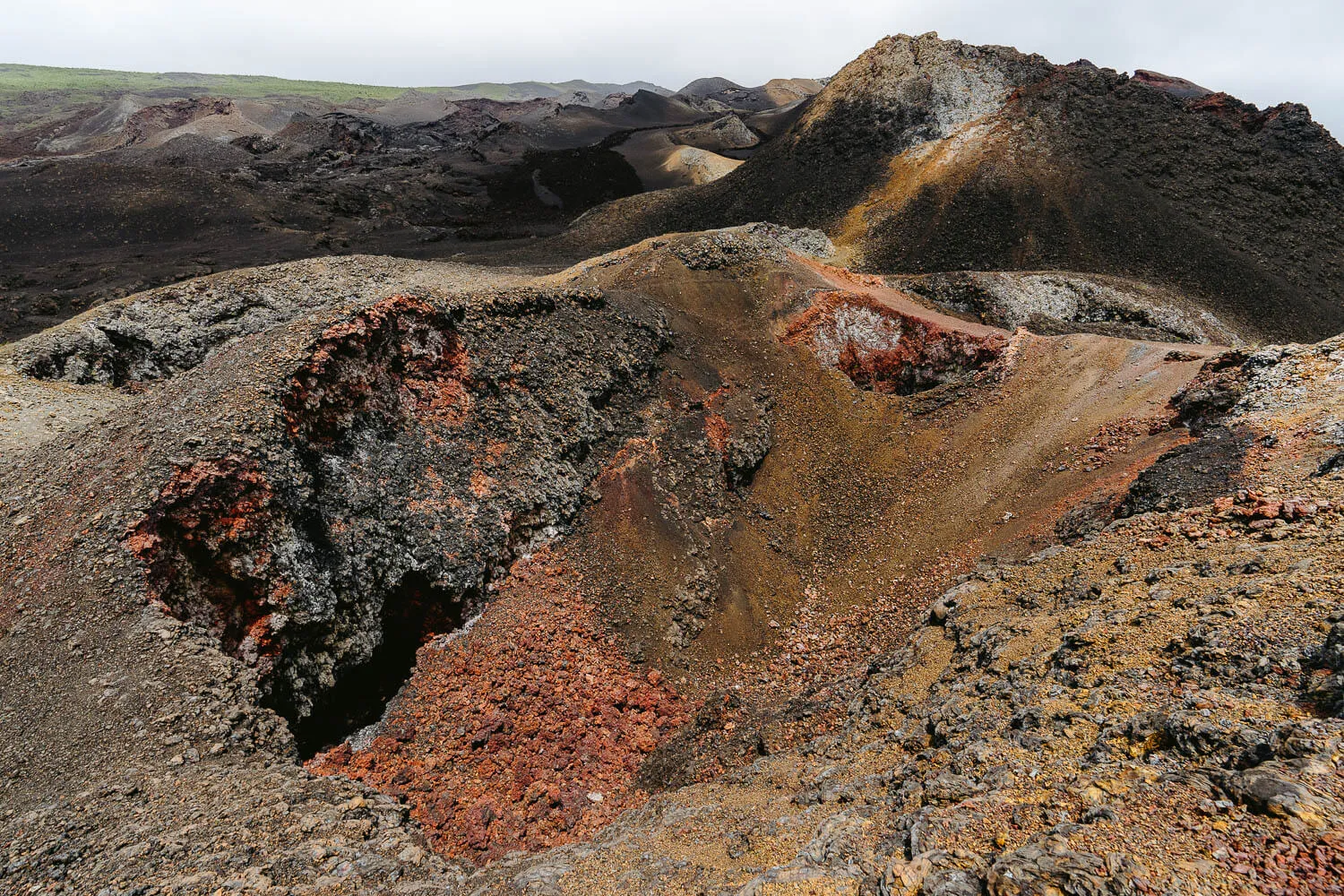
Some of the volcanoes in the Galapagos are active, and the UK travel advice says some are erupting or potentially active. Ecuadorian authorities monitor eruptions and restrict access to at-risk areas when necessary, so this is rarely something visitors need to worry about day to day. Follow any posted guidance or instructions from your guide.
Plan Your Galapagos Trip (Free Quote)
Want help organizing this trip? I recommend Happy Gringo, a travel agency in Ecuador. You can ask them for a free quote.
 Get Free Quote
Wildlife Safety: Sharing the Islands with Local Species
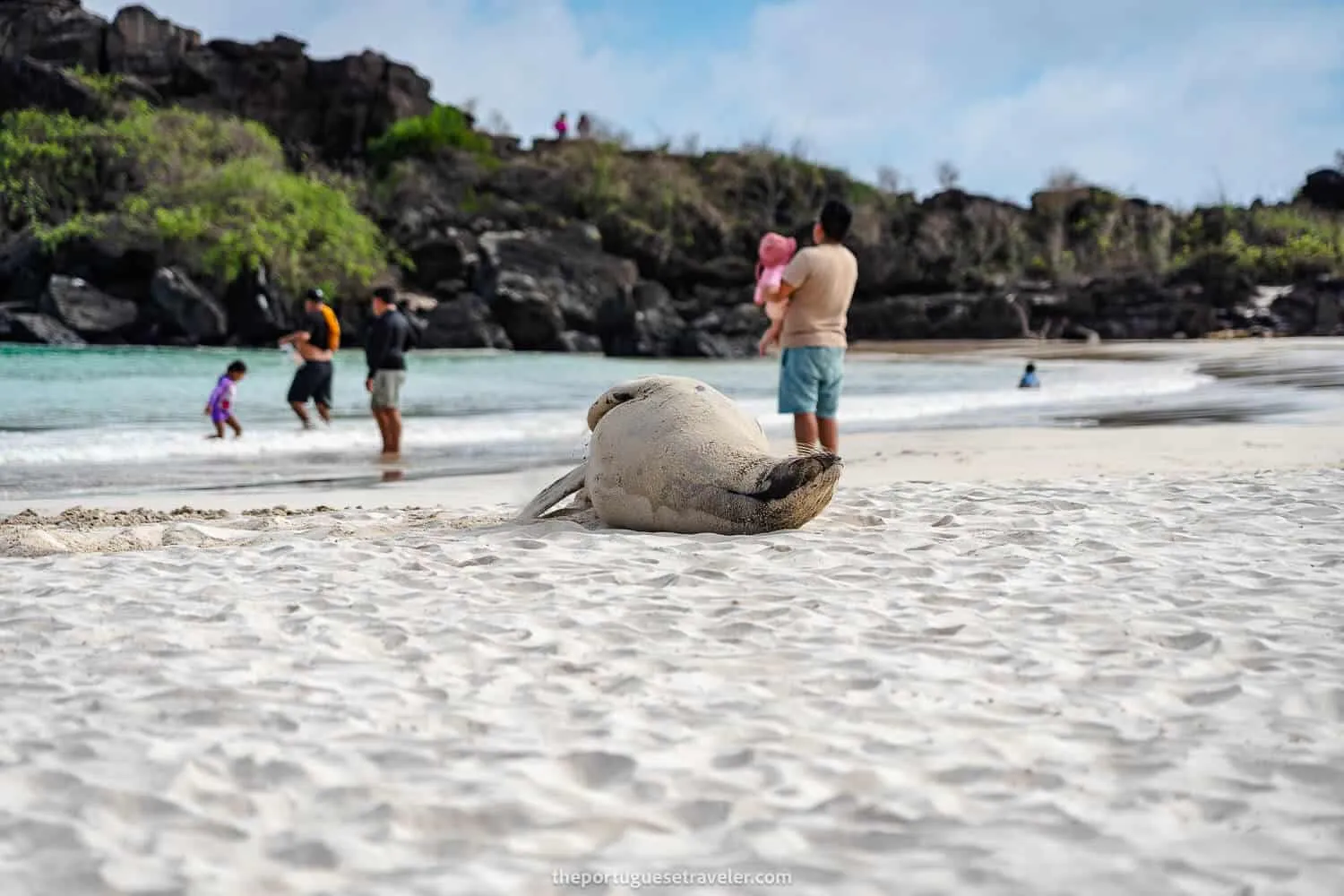
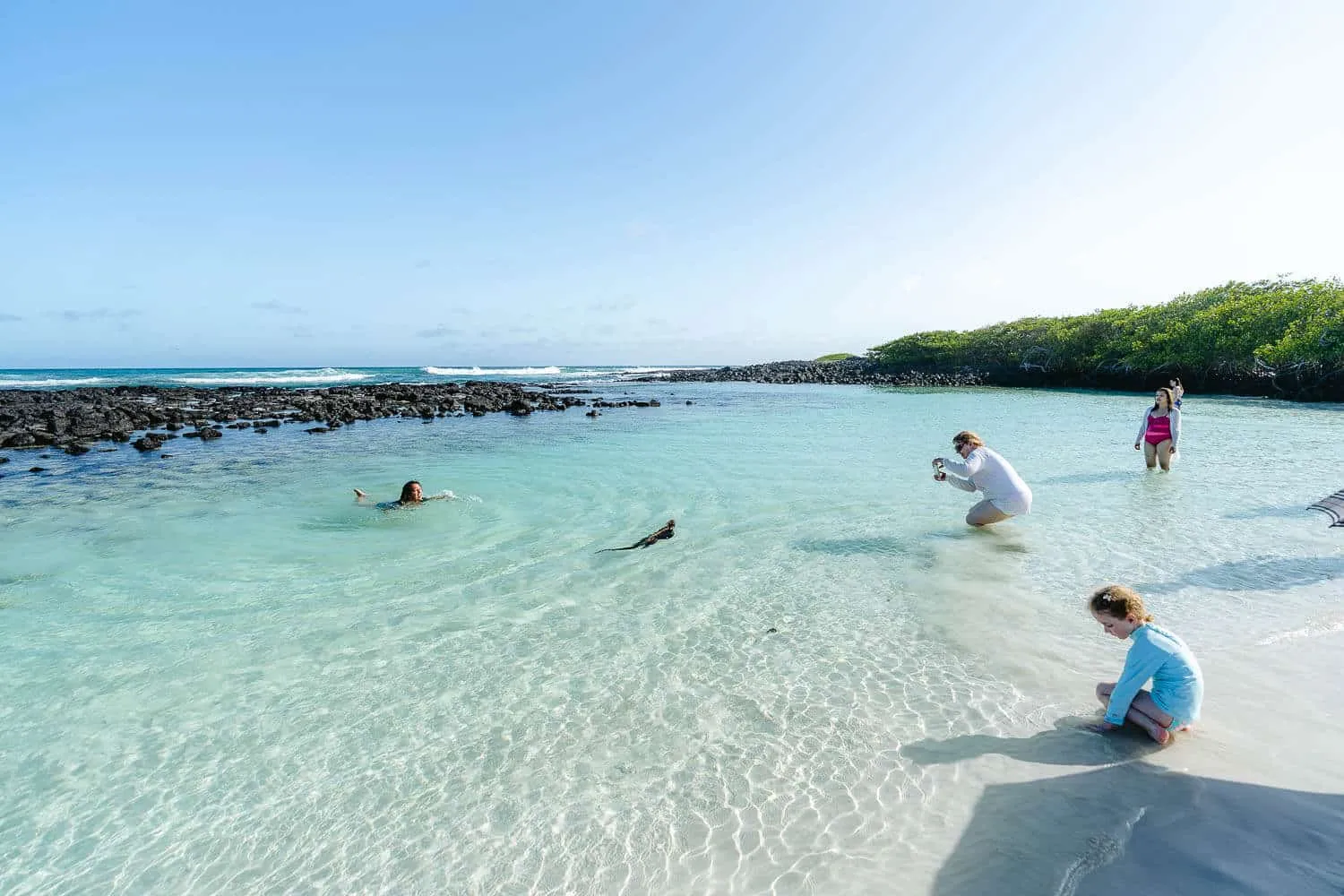
One of the best things about the Galapagos is that the wildlife shows little fear of humans. That closeness is also where Galapagos travel safety comes in. National Park rules require visitors to stay at least two meters from animals at all times, and you should never touch or feed them. Even an animal that seems relaxed can react defensively if it feels crowded or threatened.
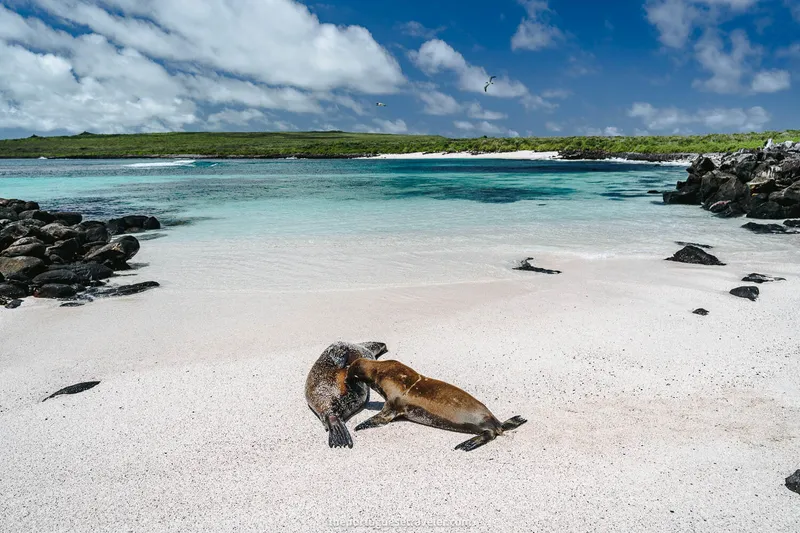
On the beach, sea lion pups walk up and sit on your towel and shoes. Adult sea lions sometimes fight, and it can be violent, so move your things off the sand and stay away.
Snorkeling or diving with sea lions, rays and reef sharks is a highlight for most visitors, and it is considerably safer than people often assume. Serious shark incidents involving tourists are extremely rare in Galapagos waters. Stay close to your guide and group and follow their instructions at each site. I dived near sharks and it was amazing.
 Read More: Take a look at our complete Galapagos Wildlife Guide - Find out which animals exist, on which islands, and how to spot them.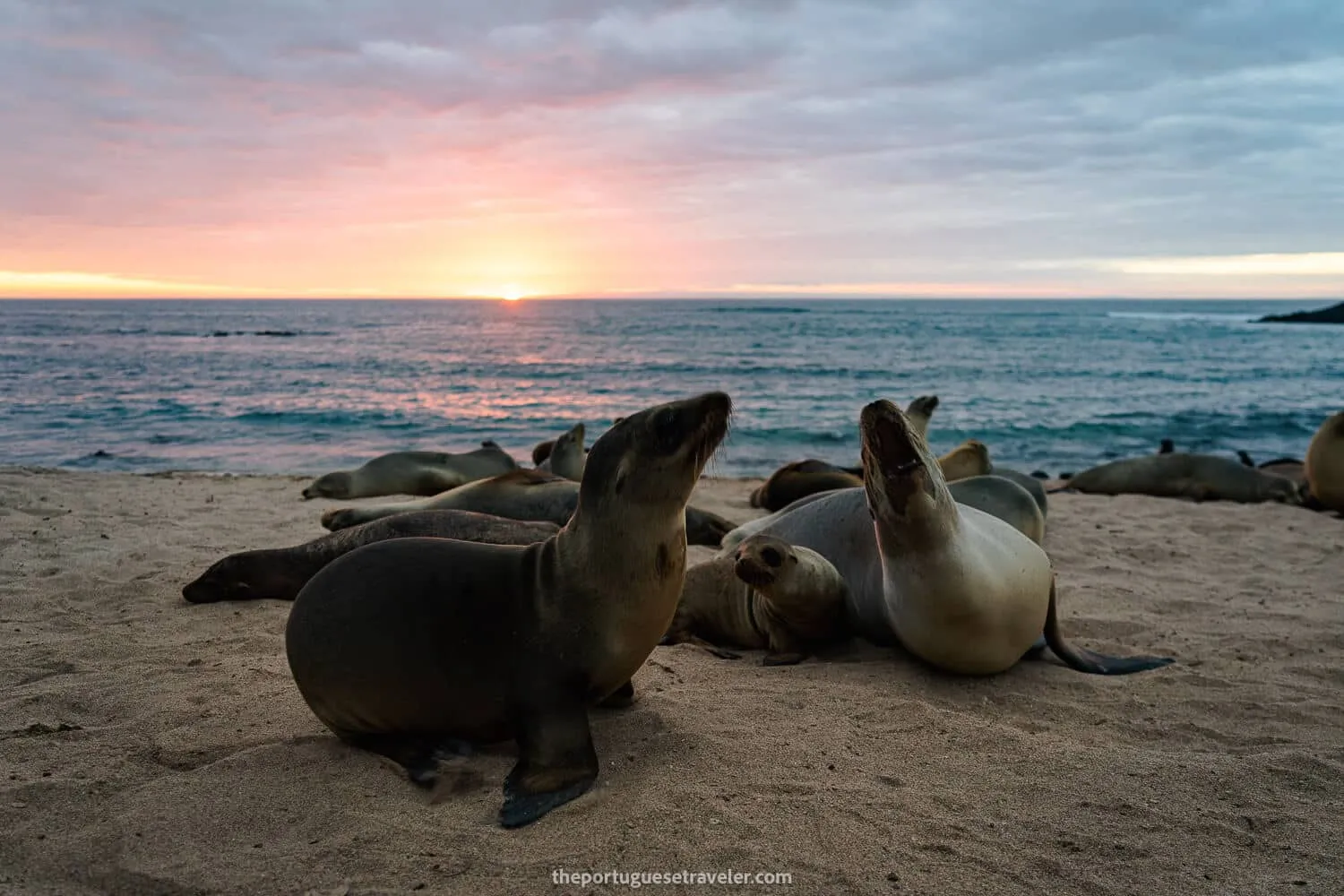
Boat and Water Safety: A Core Part of Galapagos Travel Safety
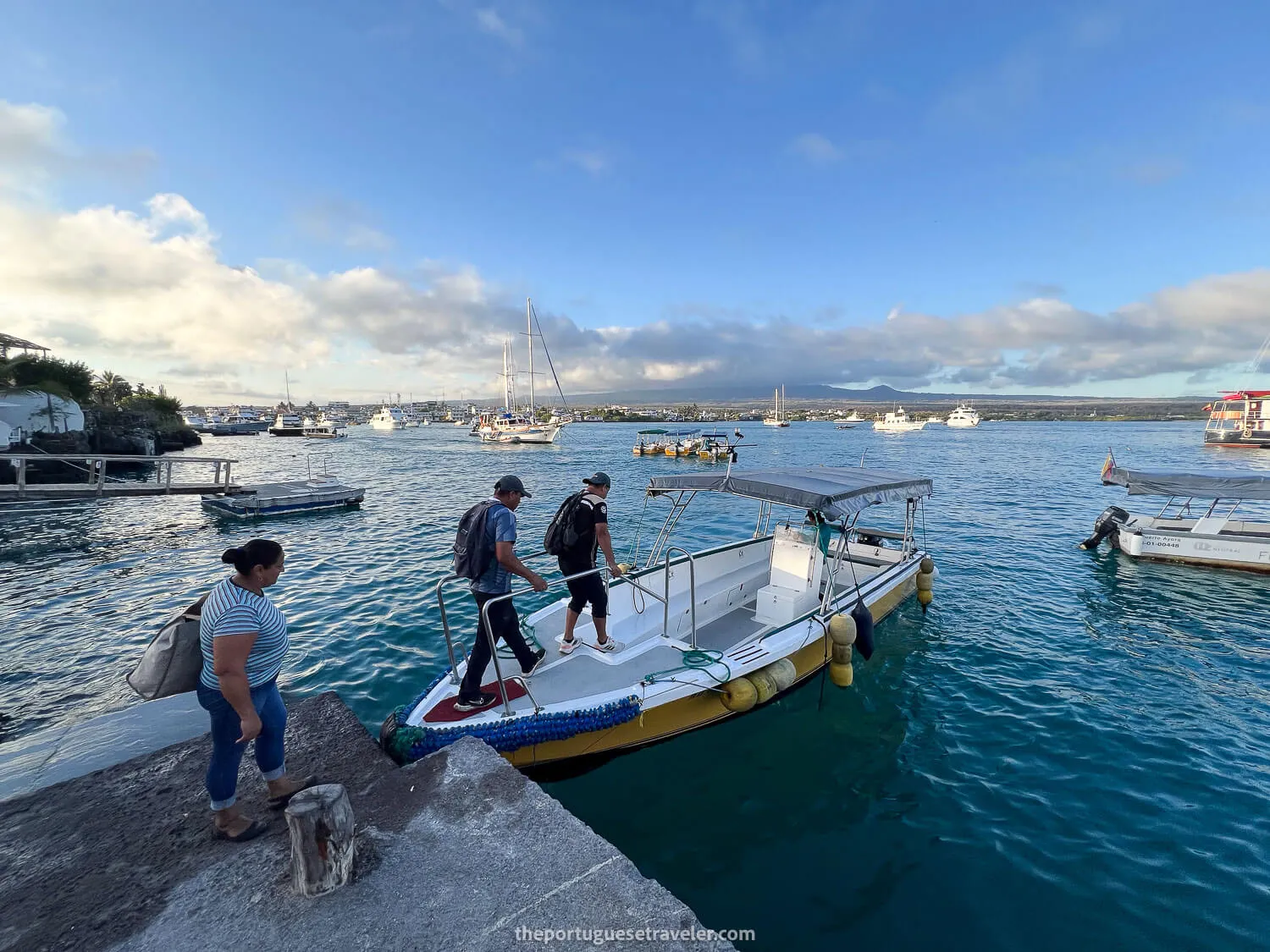
This is one of the areas where extra caution pays off. Licensed Galapagos cruise operators are well regulated, with trained crews, safety briefings and equipment such as life vests and life rafts. The UK government’s travel advice, however, warns of several serious accidents involving tour boats and smaller vessels that carry people between islands. It says some smaller boats lack proper licensing, passenger limits, engine and fuel checks, and enough life vests.
The takeaway: book with a reputable, licensed operator, and ask about safety equipment before boarding any vessel, even for a short inter-island hop. Always wear a life vest during boat transfers. When you snorkel, follow your guide, stay with the group and avoid drifting away from the panga (dinghy) pickup point.
On my trips most boats gave out life vests and were in good shape, and most were full.
Galapagos Travel Safety and Health: Medical Care, Vaccinations and Insurance
Health preparation matters because medical care on the islands is limited. There are basic medical centers on Santa Cruz, San Cristobal and Isabela that can handle everyday problems like sunburn, dehydration, minor cuts and insect bites, but they are not equipped for major emergencies or surgery. Anything serious usually needs evacuation to mainland Ecuador, which can take time to arrange and be expensive without the right coverage.
A few practical health notes:
- Check vaccination advice with your doctor or a travel clinic before you go. Malaria is not present on the islands, though it is a consideration if you also travel to coastal or Amazon Ecuador.
- Pack a basic travel health kit: sunscreen, rehydration salts, motion sickness tablets (helpful if you get seasick on boat days), insect repellent and any prescription medication you need, since availability on the islands is limited.
- Tap water is not safe to drink. Stick to bottled or purified water throughout your trip. I always drank bottled water.
- Sun exposure is the most common problem visitors run into. The equatorial sun is strong even on cloudy days, so reapply sunscreen often and stay hydrated. I got sunburned a few times, and once I had food poisoning and bought medicine at a pharmacy.
The food poisoning was on Santa Cruz. I think it was the fish after the dive, or maybe the water or the lemonade. I went to a pharmacy, rested, drank lots of liquids and took probiotics for the diarrhea, and I was back on my feet without antibiotics. Another time I felt unsafe while hiking to Playa Baquerizo Moreno without enough water.
Because medical facilities on the islands are limited and evacuation can be expensive, arrange travel insurance that includes medical treatment and medical evacuation before you go.
 Travel Insurance: Heymondo is a partner of this site and I have not used it. Here is their travel insurance; through this link you get 5% off.
Quick Galapagos Travel Safety Checklist
- Book tours and boats through licensed, reputable operators only
- Stay at least 2 meters from wildlife - never touch or feed animals
- Wear a life vest on all boat transfers, including short inter-island trips
- Stick to marked trails and stay close to your National Park guide
- Drink only bottled or purified water
- Pack sunscreen, a hat, rehydration salts, and any personal medication
- Buy travel insurance that covers medical evacuation before you leave home
- Keep a copy of your passport and travel documents separate from the originals
Final Thoughts on Galapagos Travel Safety
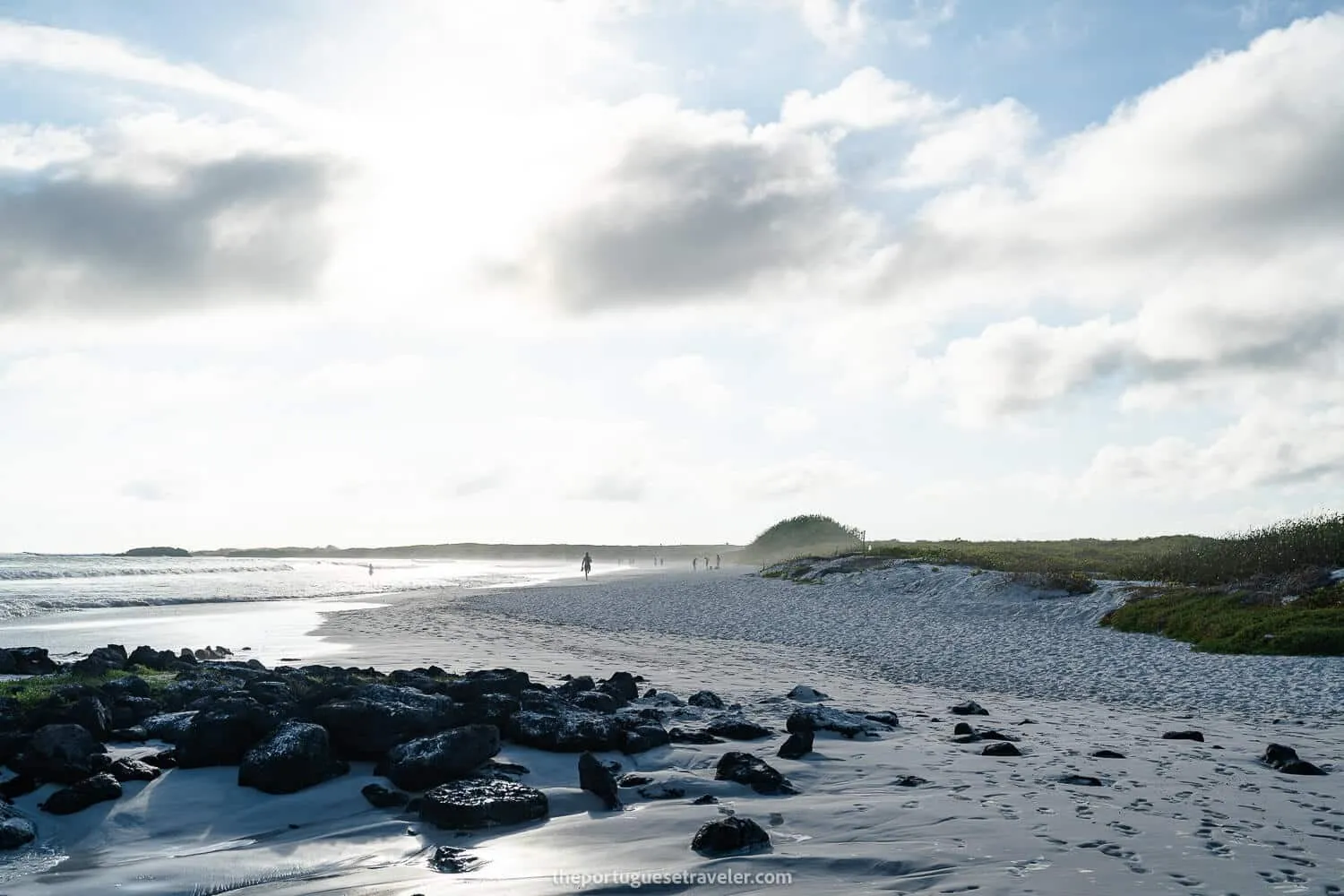
Galapagos travel safety comes down to preparation. Crime is not a real concern on the islands. The main things to plan around are boat safety, sun and water precautions, and having insurance in case something goes wrong. Do those, and you can focus on the giant tortoises, blue-footed boobies and sea lions. For the other basics every first-time visitor should know, read my things to know before visiting the Galapagos guide.
Where to Stay in The Galapagos Islands
You can stay on a cruise, which is also your hotel, or on land on Santa Cruz, San Cristobal or Isabela, in guesthouses or hotels.
I like staying on the islands and waking up to the sound of the waves, then walking to a nearby beach or town before a day tour. Book early, especially in high season.
 Accommodation: Where to stay and the best hotels and hostels on the three main islands (Santa Cruz, San Cristobal, and Isabela)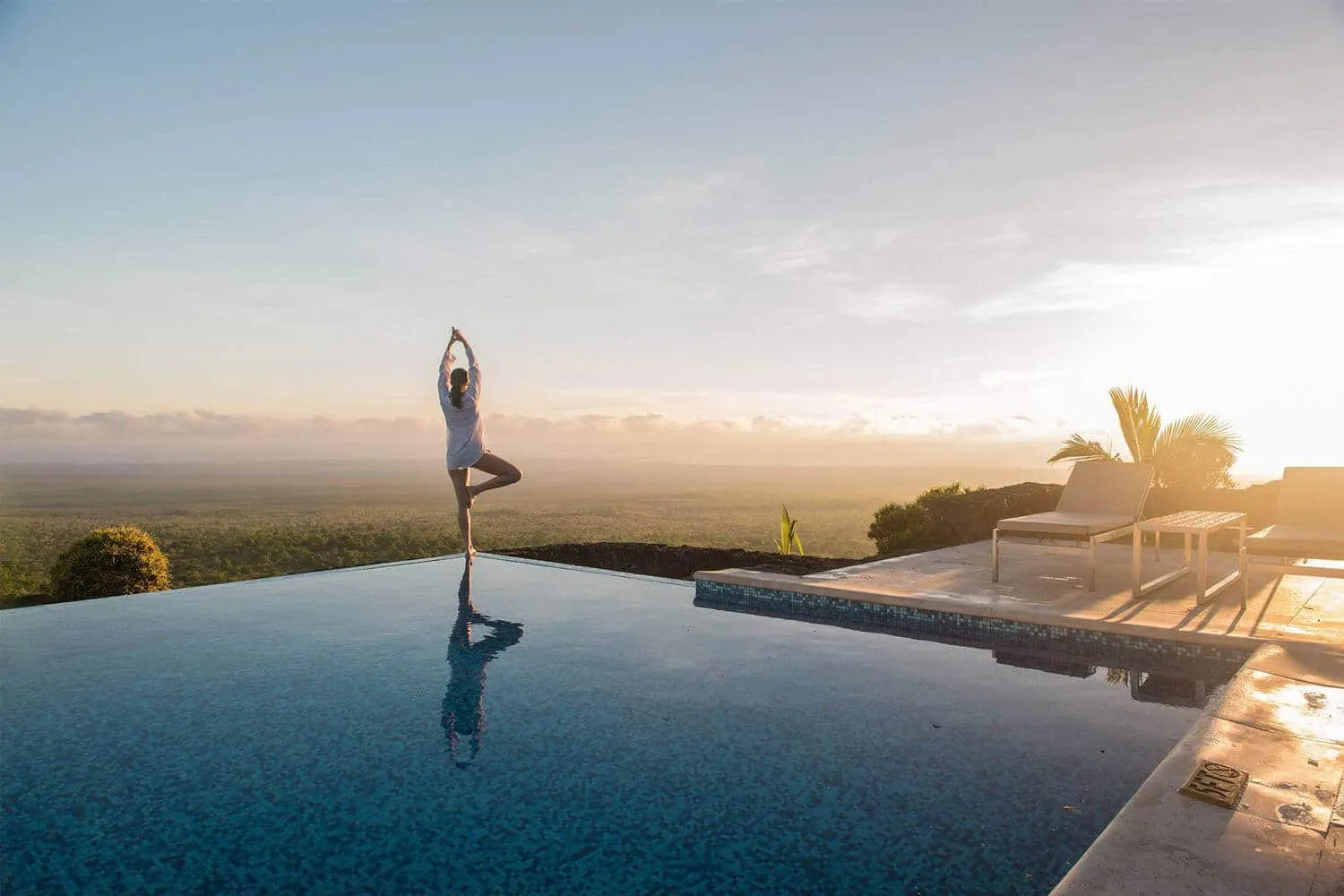
Plan your trip
The links in this box are affiliate links. You won't pay more, and they help keep the blog running. Each line says whether I have used the product.

Car Rental: Discovercars compares car rental offers from many companies.

Accommodation: Book your hotels with Booking.com or Expedia. I used Agoda in Southeast Asia.

Flights: Trip.com sells flights, hotels, train tickets, attractions and car rental. Airhelp handles compensation claims for delayed, canceled or overbooked flights and charges a 35% fee only if the claim succeeds.

Trains and Buses: I have booked with Omio several times, including from Lisbon to San Sebastian. 12Go sells tickets for trains, buses, ferries, transfers and flights across Asia and some other regions.

Tours and Tickets: I have used GetYourGuide on some trips. Viator sells tours, activities and tickets, and most have free cancellation up to 24 hours before.

Mobile eSIM: Holafly sells eSIM data plans for travel, delivered by email (5% discount). I have used Airalo, not in the Galapagos.

Travel Insurance: Heymondo sells travel insurance that covers medical issues, lost luggage, transport delays and trip cancellation, with an app that offers medical chat and 24/7 assistance. It is well reviewed, and this link gets you 5% off. Safetywing sells subscription health and travel insurance for people who travel or live abroad, covering medical treatment, emergency dental care and travel problems such as lost luggage and delays.
Loading comments…