
Galapagos Cruise vs. Island Hopping: Which Is Better for You?
Everything you need to know before deciding how to plan your Galapagos itinerary
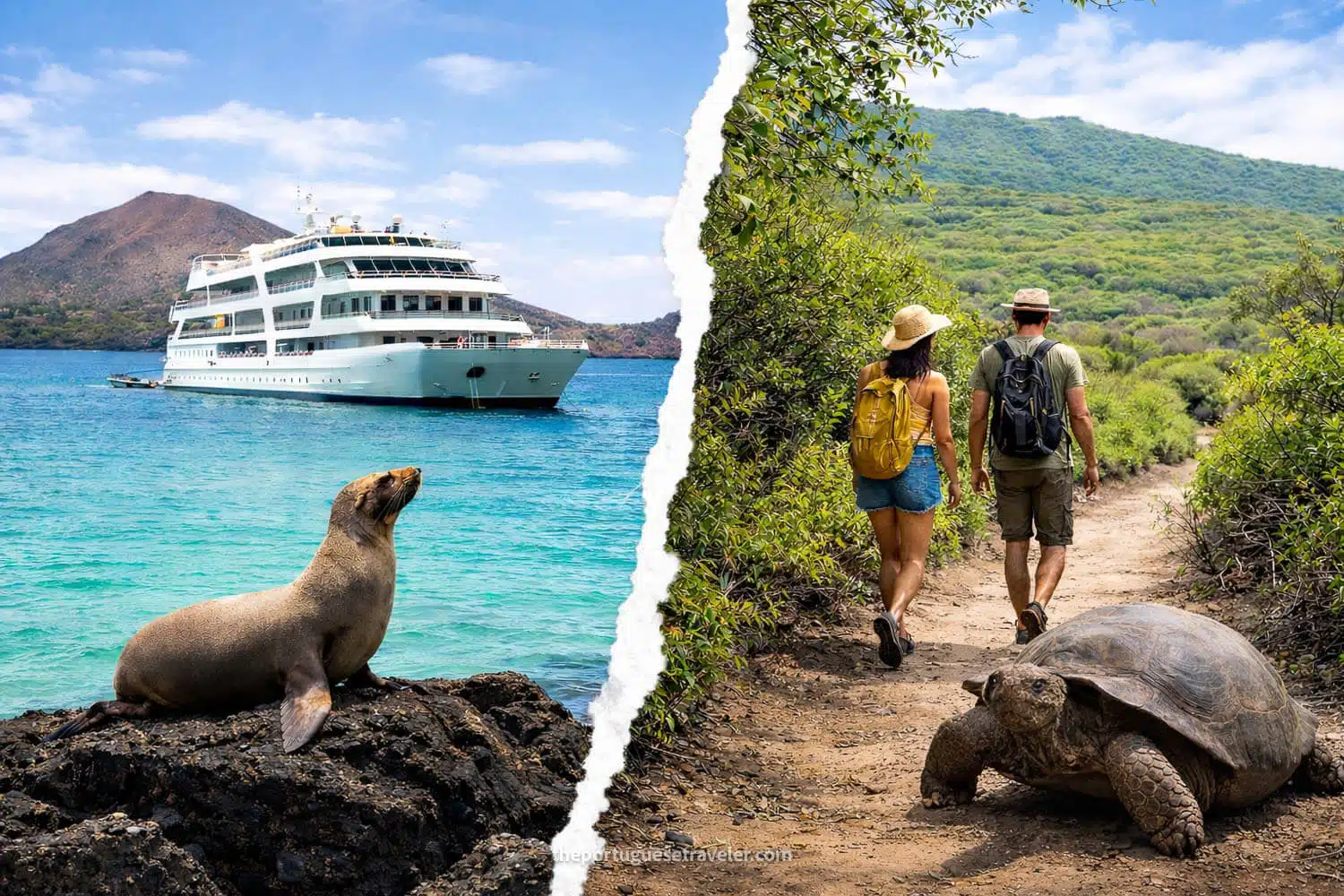
Planning a trip to the Galapagos often starts with one big question: should you explore the islands on a cruise or travel by land? The choice between Galapagos cruise vs island hopping shapes everything—from the wildlife you’ll see and how fast you move, to how much flexibility you’ll have day to day. And despite what many guides suggest, there isn’t a single “best” way to experience the islands.
A Galapagos cruise offers an all-inclusive, expedition-style journey, reaching remote islands and wildlife sites that are impossible to visit on day tours. Island hopping, on the other hand, lets you stay on inhabited islands, mix guided excursions with free time, and experience the Galapagos at a slower, more independent pace. Both options deliver unforgettable encounters with wildlife—but in very different ways.
In this guide, I break down the real differences between cruising and island hopping, based on practical planning, travel style, and time on the ground. By the end, you’ll know which option fits your budget, schedule, and expectations—so you can plan a Galapagos trip that actually matches the experience you’re looking for.
Table of Contents
Your Galapagos Islands Essentials - Quick Guide
Short on time? This quick Galapagos guide will help you plan!
Where to Stay:
– Finch Bay Hotel (Santa Cruz Island)
– Hotel Indigo by IHG (San Cristobal Island)
– Hotel Iguana Crossing (Isabela Island)
Must-Do Experiences:
– 360 Tour (San Cristobal highlights by boat)
– Kicker Rock Tour (Top snorkeling with big wildlife)
– Bartolome Island Tour (Iconic views & marine life)
– Floreana Island Tour (Snorkel, fishing & history)
– Sierra Negra Volcano Tour (Epic volcano hike)
– Los Tuneles Tour (Galapagos’ best snorkeling)
Extras you’ll Need:
– Travel Insurance with Heymondo (5% discount).
– Mobile eSim with Holafly (5% discount) or Airalo
Galapagos Cruise vs Island Hopping: What’s the Difference?
At its core, the difference comes down to where you sleep and how you move between islands. A Galapagos cruise is a floating expedition — your boat is both hotel and transport, taking you to multiple islands, including remote visitor sites that day tours from land can’t reach. Island hopping, by contrast, means staying in hotels on inhabited islands and joining day tours or exploring independently between excursions.
This single structural difference shapes the entire experience. Cruises follow fixed itineraries with guided excursions twice a day, optimized for wildlife viewing and efficient travel. Island hopping offers more freedom — you choose your tours, restaurants, and downtime — but you’ll access fewer islands overall.
Both options deliver extraordinary wildlife encounters. The real question isn’t which is better, but which style fits your travel rhythm, budget, and expectations.

What Is a Galapagos Cruise?
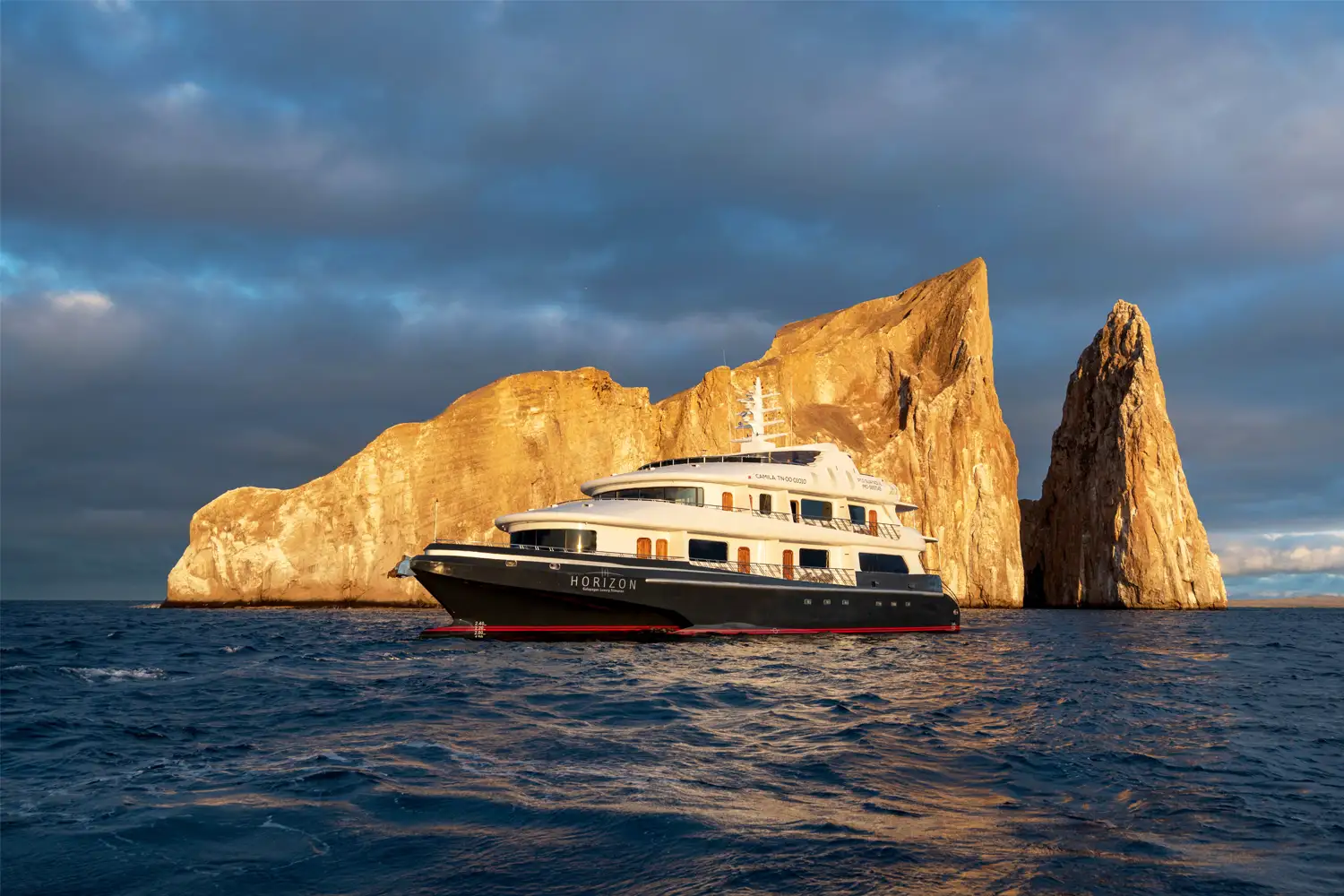
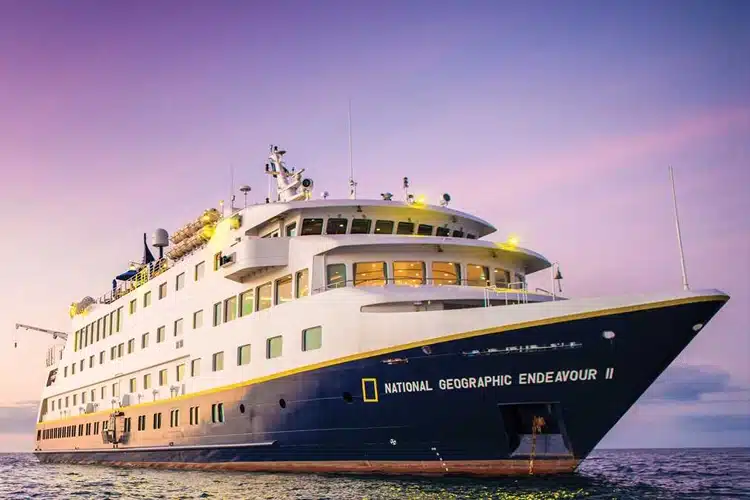
A Galapagos cruise is an all-inclusive expedition aboard a small yacht or ship designed specifically for navigating the archipelago. These vessels range from intimate 8-passenger sailboats to larger luxury expedition ships, all operating under strict National Park regulations. Cabins, dining rooms, observation decks, and onboard naturalist guides turn the boat into a moving wildlife basecamp.
Days are structured around guided shore landings and snorkeling sessions, usually two excursions per day. Because the boat relocates overnight, you wake up at a new island almost every morning — maximizing time in visitor sites and minimizing transit hassle.
For many travelers, a cruise offers the most immersive and efficient way to experience the Galapagos, especially if time is limited and wildlife is the top priority.
How Galapagos Cruises Work
Cruises operate on fixed itineraries approved by the Galapagos National Park. Each route visits a specific sequence of islands and visitor sites, balancing popular highlights with fragile ecosystems that limit daily visitors. Once on board, everything runs seamlessly — meals, excursions, permits, equipment, and guiding are all included.
Excursions are led by certified naturalist guides, usually in small groups. Mornings might involve a hike among marine iguanas and nesting seabirds; afternoons often feature snorkeling with sea lions or reef fish. Briefings happen daily, so you always know what to expect next.
Because logistics are tightly controlled in the Galapagos, this structure removes planning stress — one reason cruises remain so popular for first-time visitors.
Typical Cruise Lengths & Routes
Most Galapagos cruises are offered in blocks of 4, 5, 6, 7- or 8-day itineraries, and some operators link multiple routes for longer experiences. The difference between shorter and longer voyages is both the number of visitor sites covered and the pace of exploration.
Shorter cruises (4–5 days) generally focus on central and accessible regions, such as the northern and southern loops. These routes may include islands like Santa Cruz, North Seymour, Santiago, Bartolomé and sometimes Genovesa or Floreana depending on the specific itinerary offered by the cruise.
Longer itineraries (6–8 days and beyond) allow operators to extend to more remote areas, including parts of the western and northwestern regions such as Fernandina and further reaches of Isabela, and cover more islands overall. These extended routes give travelers more time at each stop, increasing opportunities for wildlife encounters and varied landscapes.
Cruise operators often group itineraries so that you can combine routes — for example, two 4- or 5-day segments — into longer 10–15 day voyages, but the core idea holds: longer cruises mean broader island access and more varied ecosystems, whereas shorter ones offer a concentrated but still wildlife-rich experience.
Who a Galapagos Cruise Is Best For
Cruises are ideal for travelers who prioritize wildlife variety, expert guiding, and seamless logistics. If your goal is to see as many islands and species as possible in limited time, a cruise delivers unmatched efficiency.
They also suit travelers who prefer structured days, inclusive pricing, and minimal decision-making once the trip begins. Photographers, wildlife lovers, and first-time visitors often find cruises provide the richest overall experience.
That said, cruises require comfort with boat life, fixed schedules, and less independent wandering — which is why island hopping exists as a compelling alternative.
Travel Guide, Itineraries, Map, Local Tips
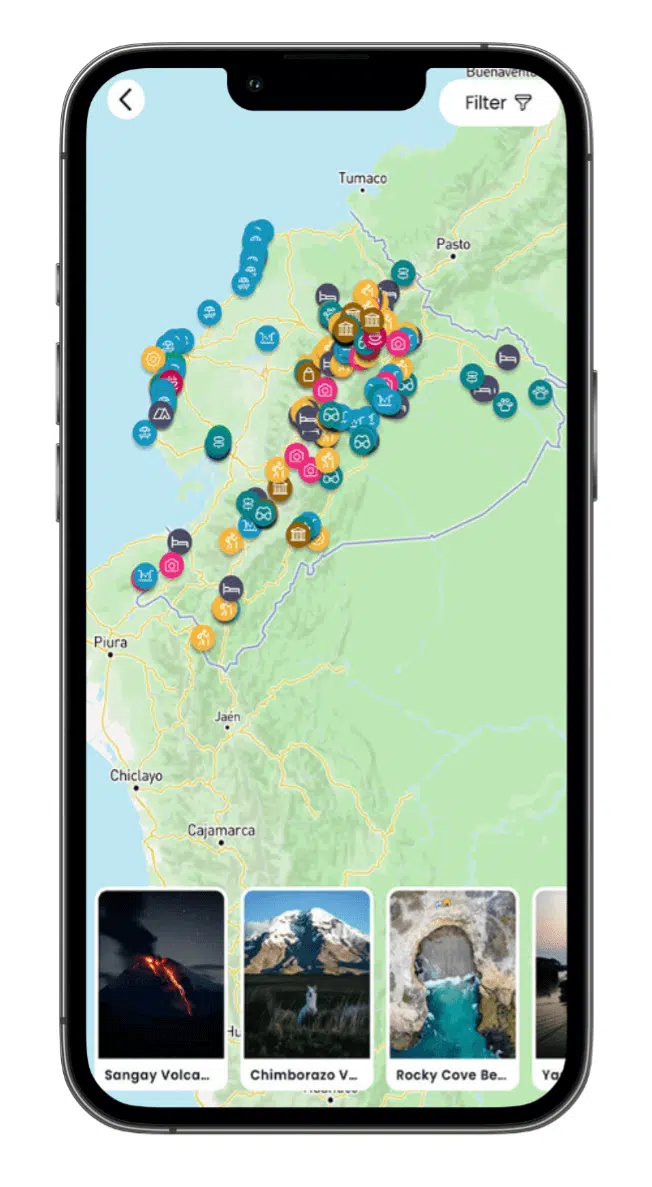
Get access to my curated list of all the best viewpoints, hiking trails, secret waterfalls, diving spots, wildlife tours, accommodations, and more, that will make your trip to Ecuador and The Galapagos unforgettable.
All of this, in an interactive guide featuring a mobile-friendly map, pre-designed itineraries, all my favourite photos, and helpful travel tips to guide your journey in this amazing unexplored country.
If you want personalized advice write me in-app and we can plan it together.

Plan Your Galapagos & South America Trip (Free Quote)
What Is Island Hopping in the Galapagos?
Island hopping means basing yourself on one or more of the inhabited islands — typically Santa Cruz, Isabela, and San Cristobal — and exploring through a mix of day tours and self-guided activities. You sleep in hotels or guesthouses and move between islands by speedboat or short flights.
Instead of waking up at a new island every day, you choose excursions based on availability, budget, and interests. One day might be a guided snorkel tour; the next might be a beach afternoon or a walk to a giant tortoise reserve.
This style feels more like a traditional trip — with restaurants, town life, and free evenings — while still delivering daily wildlife experiences.
Staying on Inhabited Islands
The three main inhabited islands each have a distinct personality. Santa Cruz is the transport hub with the widest range of hotels and tours. Isabela offers quieter, nature-focused stays and dramatic volcanic landscapes. San Cristobal blends local life with easy wildlife encounters right in town.
Accommodation ranges from simple guesthouses to boutique eco-lodges and luxury beachfront hotels. Staying on land also means access to cafés, grocery stores, local markets, and casual evening strolls — things you won’t experience on a ship.
For travelers who value space, routine, and connection with local life, land-based stays feel natural and relaxed.
Day Tours vs Independent Exploration
Most iconic wildlife sites near inhabited islands are accessed via licensed day tours. These include snorkeling trips, boat rides to uninhabited islets, and guided hikes in protected zones. Tours follow National Park rules and always include certified guides.
But island hopping also allows independent exploration where permitted — walking to tortoise reserves, lava tunnels, beaches, and viewpoints without a guide. This mix of guided structure and personal freedom defines the land-based experience.
The trade-off is that remote islands remain out of reach — but for many travelers, the balance of autonomy and wildlife access feels just right.
Who Island Hopping Is Best For
Island hopping works best for travelers who want flexibility, comfort, and slower pacing. If you like choosing your own restaurants, resting between tours, and having private hotel rooms instead of compact cabins, this style fits naturally.
It’s also appealing for longer stays, families with young children, travelers prone to seasickness, and budget-conscious visitors who prefer spreading costs across hotels and tours rather than one large cruise payment.
While it won’t reach every remote island, island hopping still delivers unforgettable wildlife — with the added bonus of living, even briefly, inside Galapagos town life.
Wildlife & Island Access: Galapagos Cruise vs Island Hopping
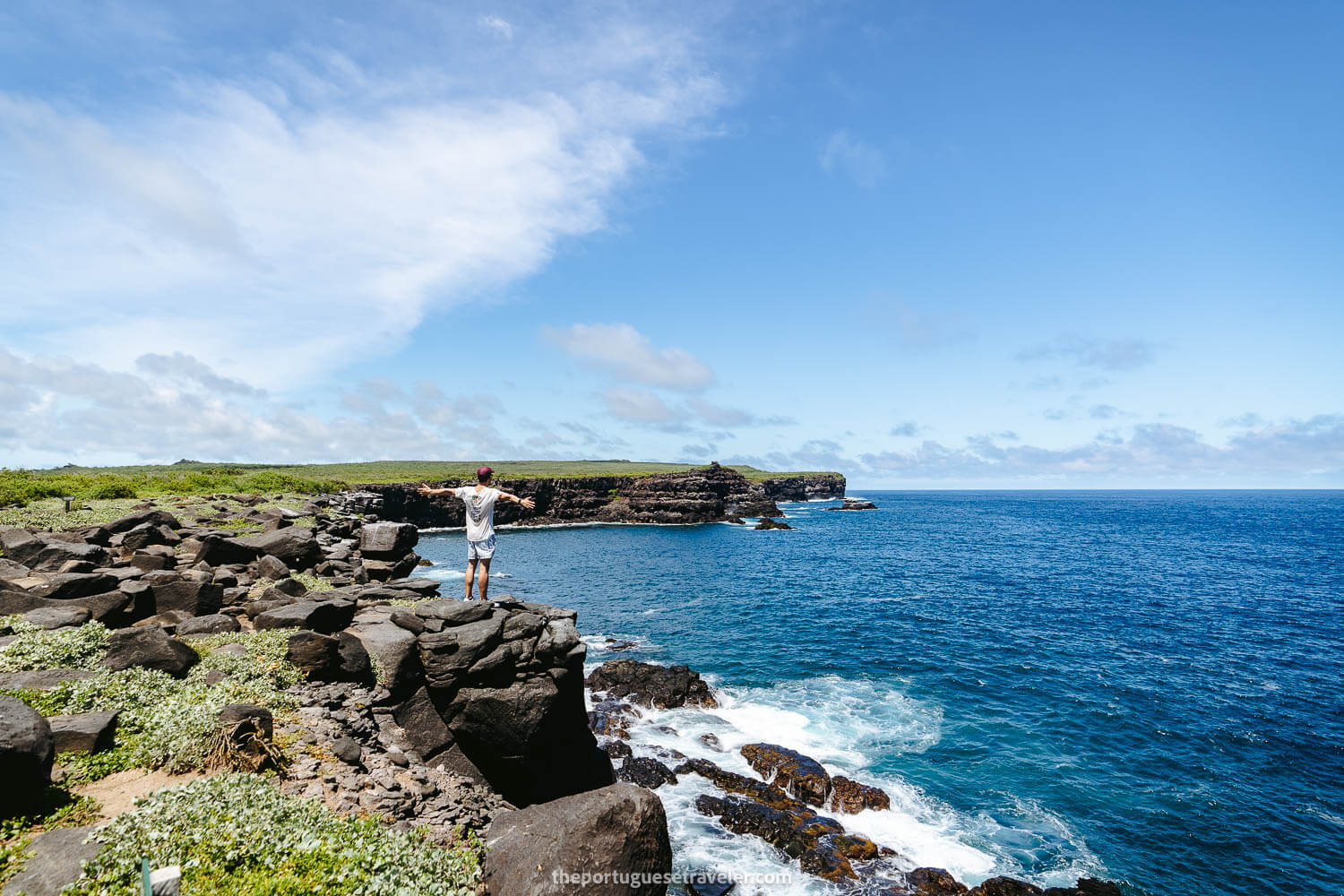
One of the biggest differences between a Galapagos cruise vs island hopping trip is how many of the archipelago’s protected visitor sites you can access. Because about 97% of the Galapagos is National Park, only designated visitor sites are open to tourists, and many of the most celebrated ones lie far from the inhabited islands where land-based travelers stay. Cruises are structured specifically to reach these sites, while island hopping typically focuses on nearby locations accessible by day trip.
Cruise itineraries are designed to move you efficiently through a wide swath of the archipelago. This means you’ll often find yourself waking up at a new island each morning, ready to explore a different ecosystem. The farther you go from the populated islands, the more varied the landscapes and wildlife you’ll encounter — from nesting seabirds and flightless cormorants to lava fields, giant tortoises, and marine iguanas in near-pristine settings.
In contrast, island hopping anchors you close to where people live: Santa Cruz, Isabela, San Cristobal, and occasionally Floreana. These islands offer abundant wildlife too, but your visit to more distant sites depends on the availability and scheduling of shared day tours. These can be excellent experiences, but they cover fewer sites and often arrive later in the day than cruise excursions.

Remote Islands Only Cruises Can Reach
Some of the Galapagos’s most iconic and biologically distinct visitor sites simply aren’t reachable on standard land-based tours. Over 70% of official visitor sites are most easily accessed by ship and are regularly included in cruise itineraries.
For example, islands like Genovesa — with its remarkable bird colonies including red-footed boobies and storm petrels — and Fernandina — home to large marine iguana populations and elusive flightless cormorants — are classic stops on western and northern routes that start from a cruise. Other cruise-only sites include Rabida’s red sand beaches, remote coves and uplifted lava fields on Santiago, and Tagus Cove on Isabela with its mix of sea lions, penguins, and cormorants.
These remote visitor sites are memorable because they combine less-visited beaches and trails with opportunities to see species that may not be as abundant near the populated islands. Simply put, the only practical way to reach a large portion of the archipelago’s protected land and water areas is by sea.
Iconic Wildlife You Can Still See by Land
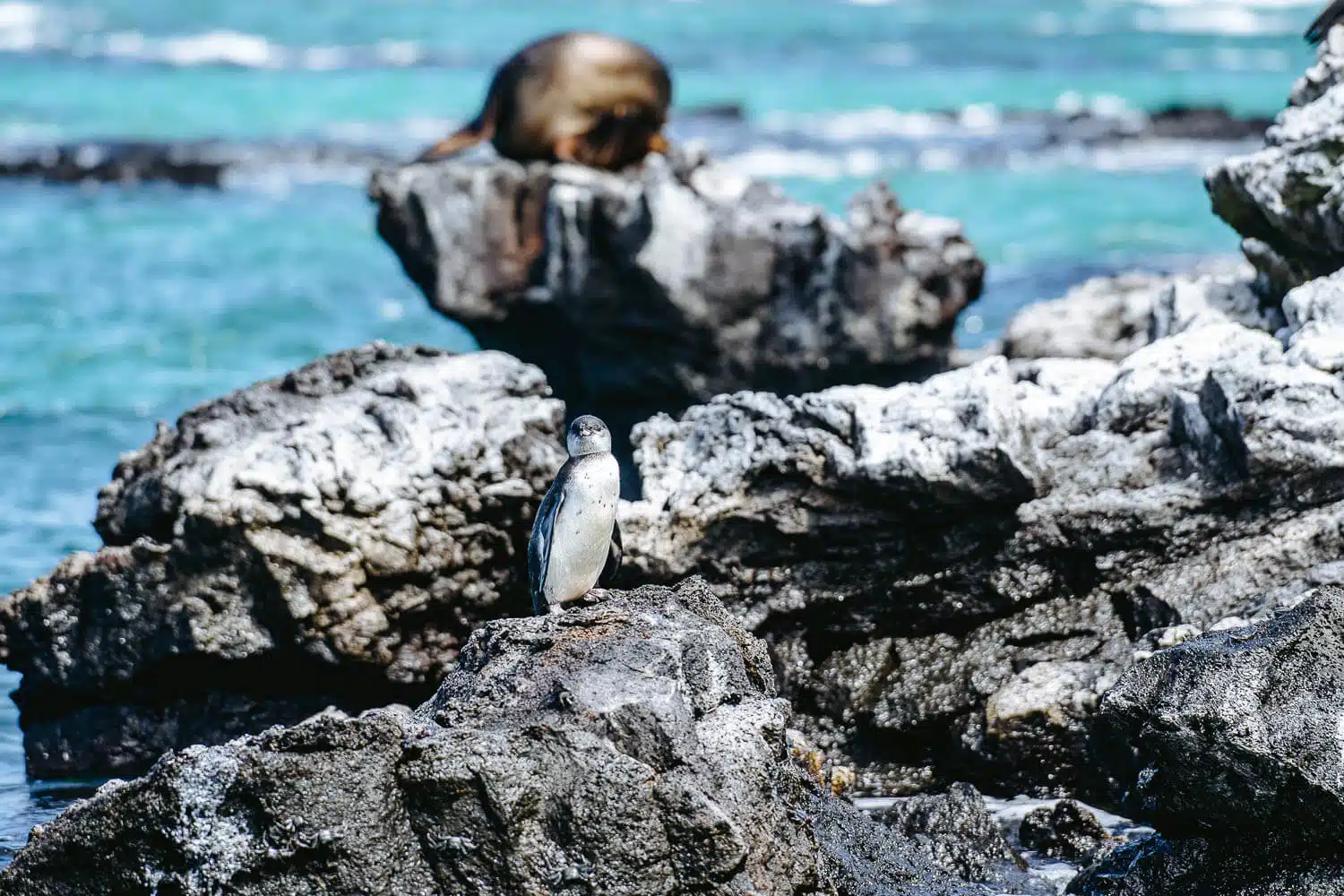
Even if you never set foot on a cruise ship, you’ll still encounter much of the Galapagos’s signature wildlife on an island-hopping itinerary. Giant tortoises roam the highlands of Santa Cruz, sea lions sunbathe on beaches, marine iguanas forage on rocky shores, and blue-footed boobies perform their famous mating dances near visitor sites accessible from land.
Many of the main islands have their own standout wildlife experiences that don’t require overnight cruising. On San Cristobal, for instance, visitors can meet sea lions and rays on day excursions or see marine turtles while snorkeling. Isabela’s beaches and lagoons host turtles, birds, and iguanas, and Santa Cruz’s tortoise reserves provide up-close encounters with giant tortoise populations.
Day-trip excursions to uninhabited but nearby islands such as North Seymour, South Plaza, and Bartolomé can also be part of land-based itineraries when permits and schedules align. While these are a smaller subset of the parks’ total 40+ visitor sites, they offer rich wildlife interaction without needing to sleep on a ship.
Snorkeling & Marine Life Encounters Compared
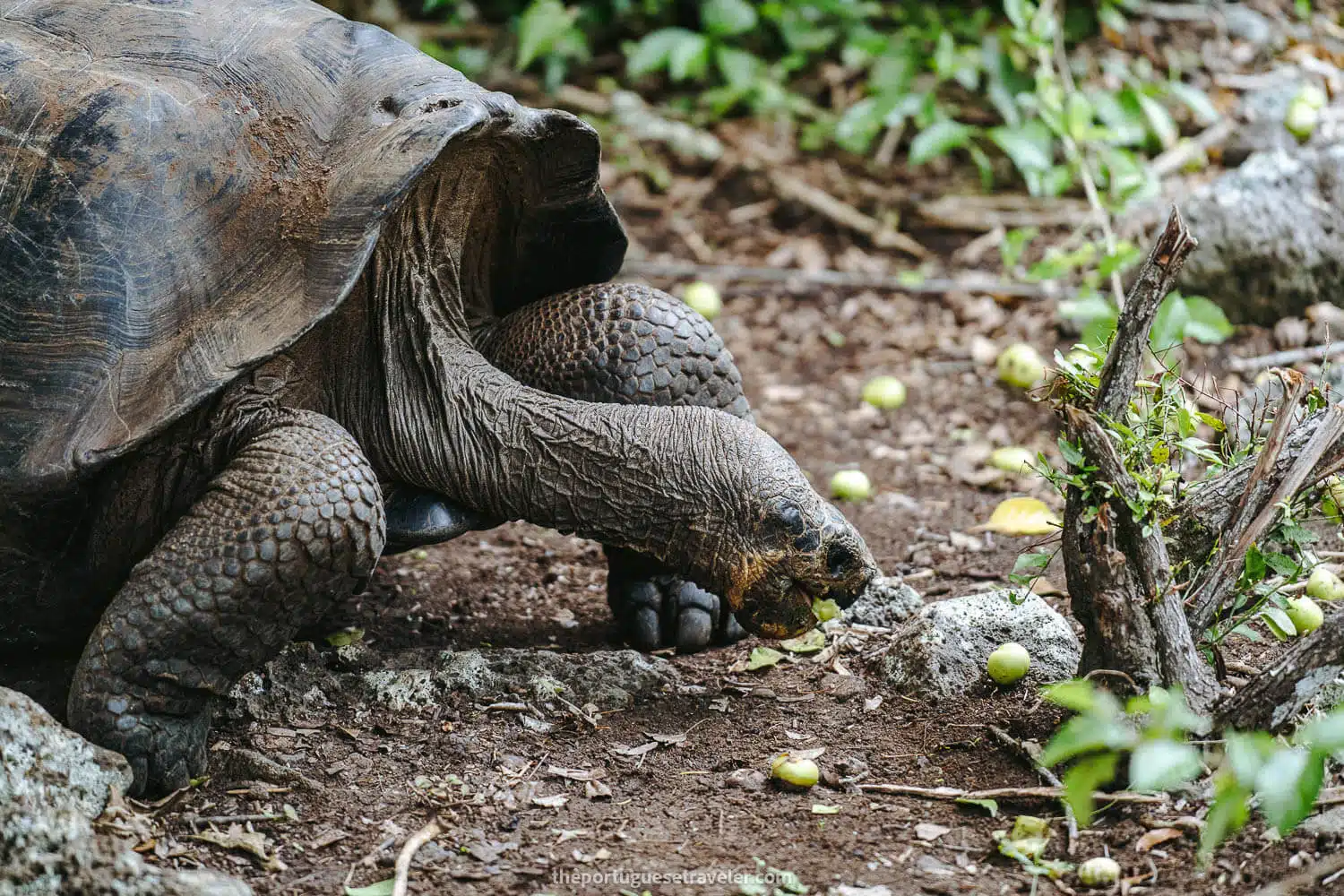
Marine life is one of the defining experiences of any Galapagos adventure, and both cruise and land-based options deliver fantastic snorkeling opportunities — though they look a little different. Cruises often include snorkeling as part of structured excursions at prime sites chosen for underwater biodiversity. Many itineraries offer snorkeling with sea lions, turtles, reef fish, rays, and even penguins in places like Gardner Bay, Devil’s Crown, and around Bartolomé.
Snorkeling from a cruise tends to be highly organized, with gear provided and naturalist guides briefing groups on what to look for before each water session. Because cruises visit a wide range of islands — including those farther off the inhabited islands — there are more options to explore varied underwater topography and wildlife.
Land-based travelers can also enjoy excellent water encounters. Many day trip operators from Santa Cruz, Isabela, and San Cristobal run snorkeling excursions to nearby reefs and coves that teem with sea turtles, rays, reef fish, sharks, and playful sea lions. The difference is that these trips are tied to your base island and involve a daily return to shore; you won’t have the same scope of rotating sites that a cruise can provide.

Daily Experience & Travel Pace: Galapagos Cruise vs Island Hopping
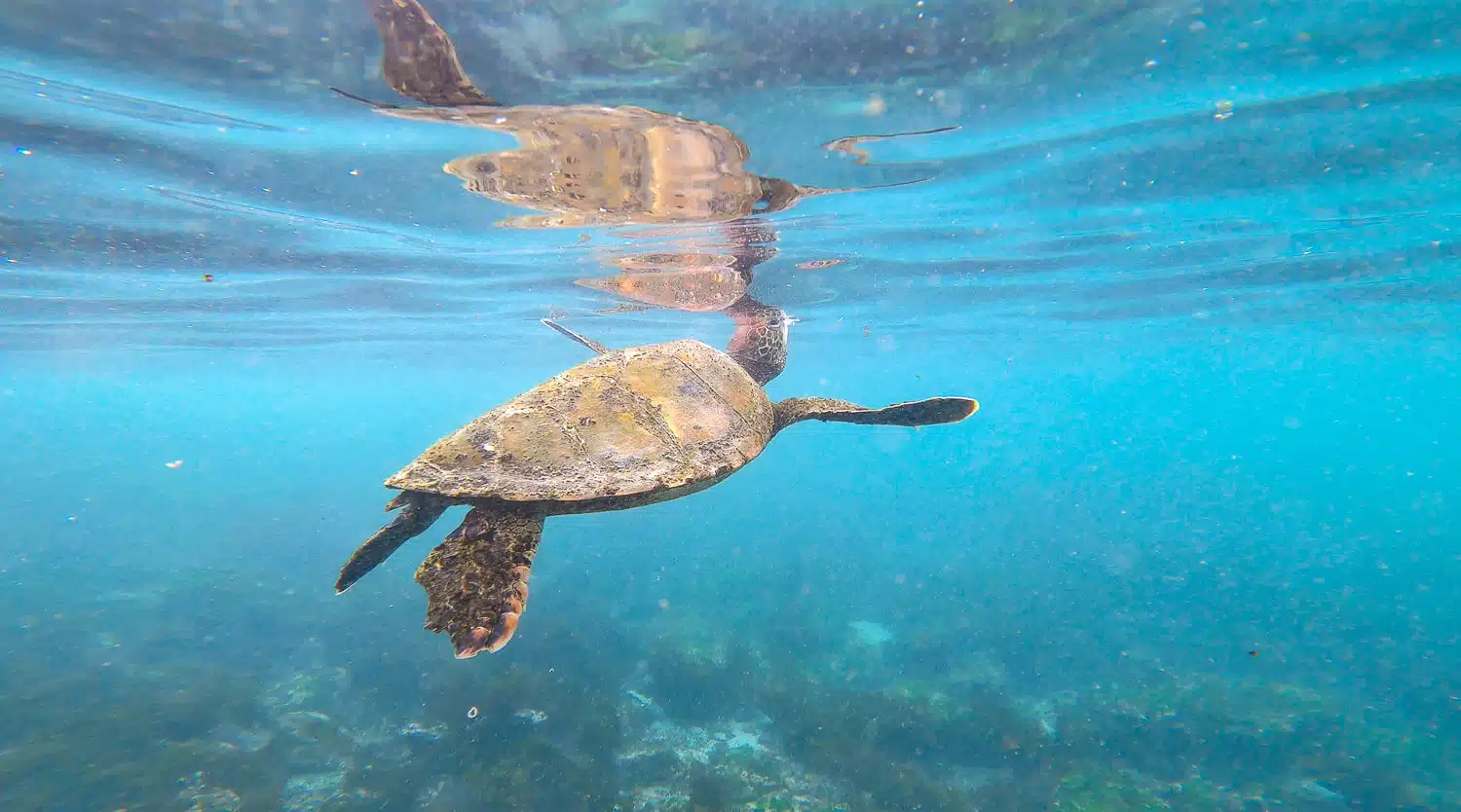
The travel rhythm on a Galapagos cruise vs island hopping trip feels very different from the moment you start. On a cruise, days are filled with planned excursions from early morning through afternoon, and each night you dock near the next destination — so by sunrise, you’re ready for your next adventure without wasting travel time.
This pace means you often fit more activities into each day. Naturalist-led hikes are scheduled around peak wildlife times, snorkeling sessions are timed for tide and light conditions, and boat moves happen overnight so you wake up already at your next location. Meals, briefings, and transitions are streamlined onboard to keep the itinerary flowing.
Island hopping, by contrast, feels more flexible and unstructured. Your “base camp” remains the same hotel for multiple nights, and each morning you set out on a boat or land tour to a visitor site, returning in the late afternoon. Depending on tides and scheduling, you might only reach farther visitor points later in the day compared to cruise guests who arrive by ship in the early morning.
A Typical Day on a Galapagos Cruise
A typical cruise day starts early: you wake up at a new location, have breakfast, and head straight into an excursion led by a certified naturalist. These mornings often focus on a land walk or wildlife trail, optimized for animal sightings and best light conditions.
Lunch on board follows the morning adventure, then another activity — often snorkeling or a panga ride — takes place in the afternoon. Because the boat moves at night, you’re already cruising to the next island while you sleep, so there’s no lost travel time during waking hours.
On longer itineraries, you might fit two excursions a day, with comprehensive briefings that explain the island’s geology, endemic species, and conservation context. This structure makes each day rich in experiences without the stress of coordinating logistics yourself.
A Typical Day Island Hopping
If you’re island hopping, your day usually begins with breakfast at your hotel followed by a transfer to a day boat or off-island excursion. These tours may involve a boat ride of 30–90 minutes before you reach the visitor site.
Once there, you’ll spend a few hours hiking or snorkeling with a guide before returning to the boat and heading back to your island base. After your final activity, you’re back in town for dinner, free time, and evenings at your own pace.
While you may only have one major adventure per day, you choose its timing and style, whether that’s a half-day snorkel, beach walk, or full-day panoramic boat tour. This autonomy is part of what makes island hopping feel more personal and relaxed.
Structure, Freedom & Downtime
Cruises are highly structured by design: official visitor sites are booked into a daily rhythm that maximizes wildlife viewing while respecting National Park rules. You’ll know each day’s plan in advance, and guides ensure transitions between hiking, snorkeling, and briefing sessions are smooth.
That structure is ideal for travelers who prefer not to manage logistics and enjoy a dense itinerary with expert support. Because the boat becomes your home for the journey, there’s little idle time unless you intentionally relax on deck or between activities.
Island hopping, on the other hand, offers more unstructured freedom and downtime. You’re not tied to the ship’s schedule, so you can linger longer at cafés, walk along town beaches at sunset, or plan rest days between tours. This slower tempo can be especially appealing to travelers who like to travel at their own pace, socialize, or adapt plans on the fly.
Comfort, Space & Amenities in a Galapagos Cruise vs Island Hopping Stay
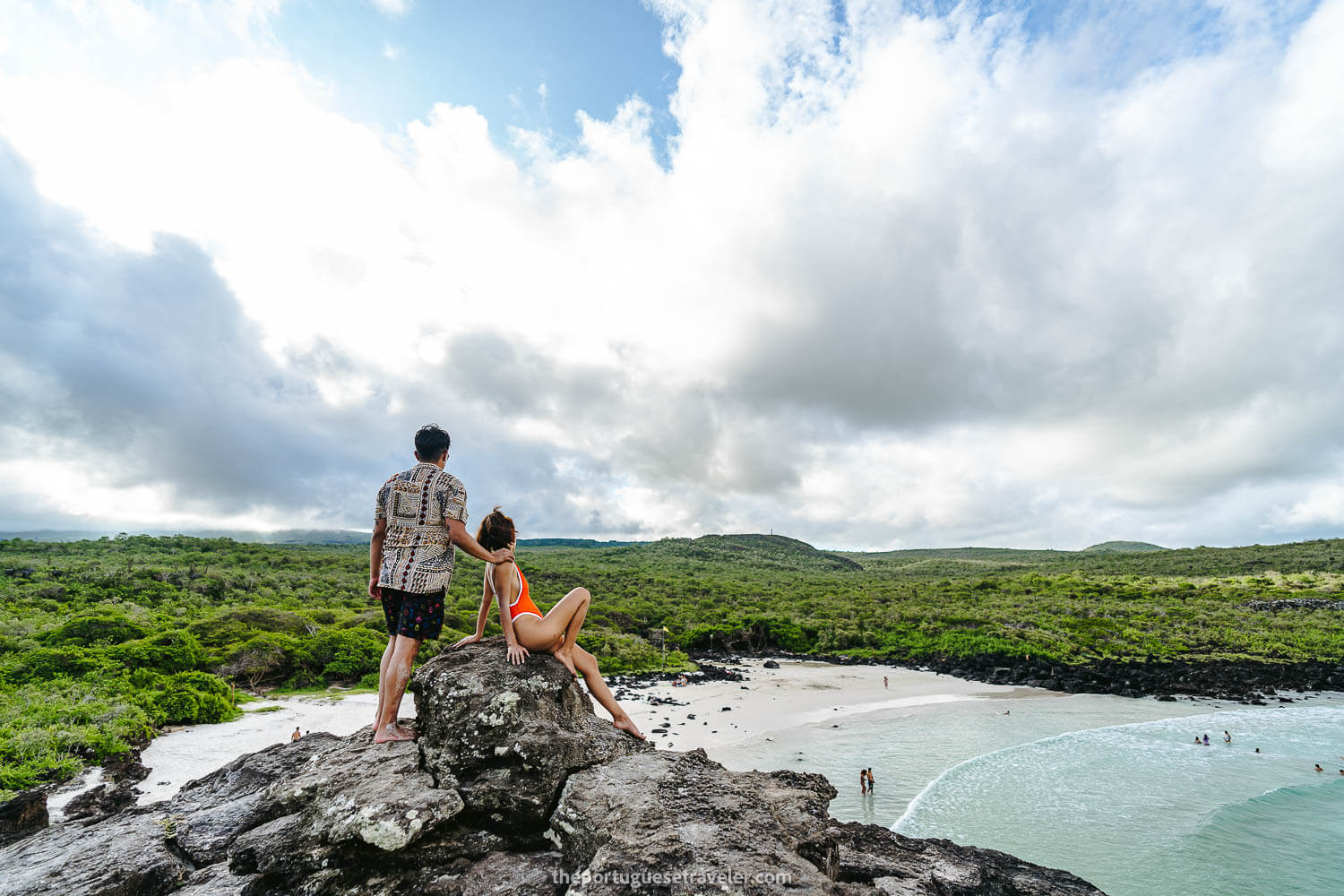
Beyond wildlife and itineraries, comfort plays a real role in deciding between a Galapagos cruise vs island hopping trip. A cruise turns your vessel into your hotel, restaurant, and transport all in one. Island hopping separates these elements — you sleep in hotels on land, dine in local restaurants, and join boats only for excursions.
Neither option is inherently “more comfortable,” but they offer very different living environments. Cruises prioritize efficiency and proximity to nature, while island hopping prioritizes personal space, routine, and land-based amenities.
Understanding how cabins, hotels, group size, and connectivity differ helps set realistic expectations before booking.
Cabins vs Hotels
On a Galapagos cruise, you’ll stay in a private cabin with an ensuite bathroom, air conditioning, and basic storage. Space is compact by design, since ships must comply with strict size and environmental regulations. Mid-range and luxury vessels offer larger cabins, ocean views, and higher-end bedding, but even luxury ships won’t match the room size of a land hotel.
Island hopping accommodations range from simple guesthouses to boutique eco-lodges and beachfront hotels. Rooms are typically larger, with more storage, outdoor space, and stronger sound insulation. You’ll also have access to hotel amenities like pools, terraces, and laundry services — things rarely available on ships.
If you value space to unpack, spread out camera gear, or simply enjoy a balcony at sunset, land-based stays naturally feel roomier.
Group Size & Social Experience
Galapagos cruises operate with small passenger limits, typically between 8 and 16 guests on most yachts, and up to around 40–100 on larger expedition ships. This creates an intimate group environment, shared meals, and daily excursions together. Many travelers enjoy the social atmosphere — swapping wildlife sightings at dinner becomes part of the experience.
Island hopping is more independent. You may join group day tours, but your hotel stay, meals, and evenings are private. This appeals to travelers who prefer flexibility, couples seeking quiet time, or families who want personal space outside excursions.
Cruises feel like a moving expedition team; island hopping feels like a classic trip with optional group activities.
Seasickness, WiFi & Onboard Comfort
Because cruises travel overnight between islands, boat motion is part of the experience. Most modern vessels are stable, and routes are planned to minimize rough crossings, but sensitive travelers should consider seasickness medication. Island hopping avoids overnight sailing entirely, with only short day-boat rides.
WiFi exists on many cruise ships but is often slow, limited, or satellite-based, and some vessels restrict usage to common areas. Island-based hotels usually offer more stable WiFi (sometimes they even have Starlink), though speeds across the Galapagos can still be inconsistent.
Cruises offer comfortable lounges, sun decks, and indoor dining areas, but downtime always happens onboard. Island hopping gives you cafés, beach walks, shops, and open-air town spaces for relaxed evenings.
Where to Stay if You're Island Hopping in The Galapagos
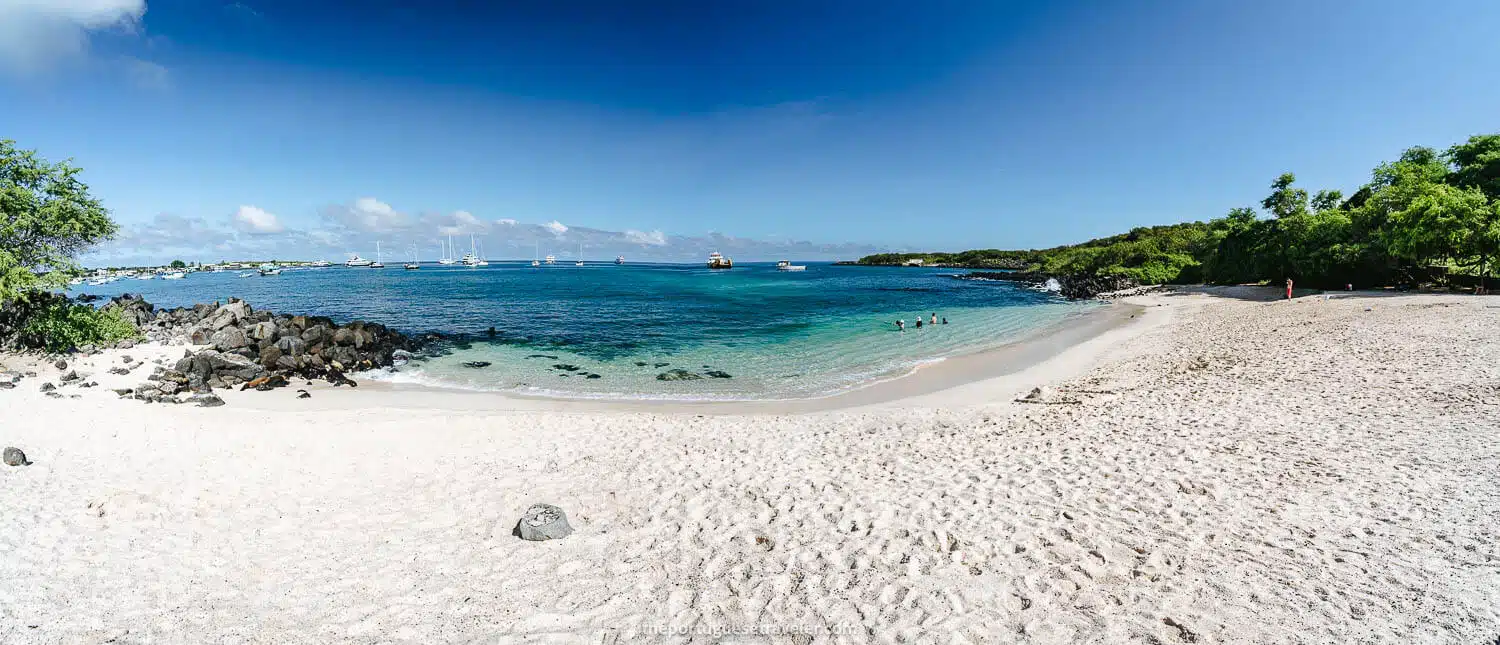
Where you stay in the Galapagos can really shape your experience. You can choose a cruise, which doubles as your floating hotel, or land-based stays on islands like Santa Cruz, San Cristobal, and Isabela, ranging from cozy guesthouses to luxury hotels with ocean views.
Personally, I love staying on the islands—it’s magical to wake up to the sound of waves and explore nearby beaches or towns before heading out on day tours. No matter what you choose, booking early is key, especially in high season, to get the best spots and make the most of your trip.

Costs & Value: Galapagos Cruise vs Island Hopping
Cost is often the deciding factor in choosing between a Galapagos cruise vs island hopping itinerary. Cruises have higher upfront prices, but include nearly all daily expenses. Island hopping spreads costs across hotels, tours, and meals, allowing more flexible budgeting.
Neither option is “cheap” — the Galapagos has high operating costs due to remoteness, import restrictions, and conservation regulations. The real difference lies in how expenses are packaged.
Understanding what’s included — and what isn’t — prevents budget surprises later.

What a Galapagos Cruise Includes
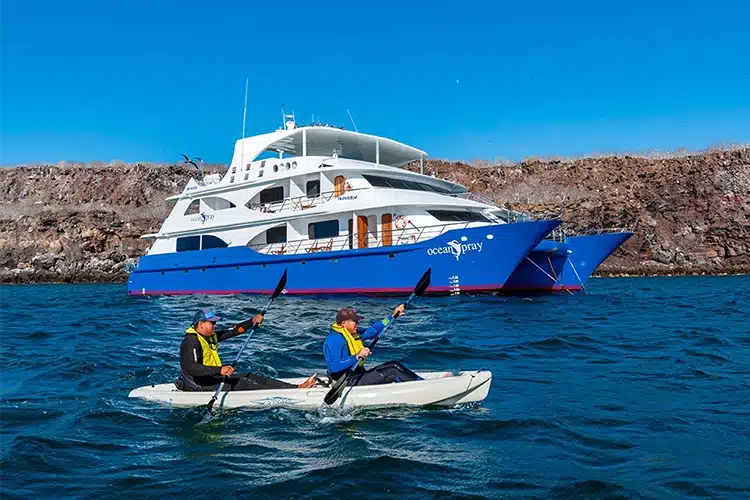
Cruise prices typically include accommodation, all meals, guided excursions, snorkeling equipment, transfers from the airport, and National Park-certified naturalist guides. Most also include inter-island navigation, kayaks or paddleboards, and briefings.
Not usually included are Galapagos National Park entrance fees, Transit Control Cards, alcoholic drinks, gratuities, and sometimes wetsuits. Flights to the Galapagos are also separate.
Because nearly everything else is bundled, cruises offer predictable budgeting once booked.
Typical Island Hopping Costs
Island hopping expenses are split across hotel nights, day tours, meals, and inter-island transport. Day tours generally include guides, equipment, and lunch, but you pay per excursion. Hotels are paid per night, and meals are purchased independently at local restaurants.
Inter-island ferries or flights add additional transport costs, and popular day tours should be booked in advance during high season.
This structure allows travelers to scale their trip — from budget guesthouses and fewer tours to boutique hotels and daily excursions.
Hidden Costs Travelers Often Miss
For both travel styles, certain costs are universal. Every visitor pays the Galapagos National Park entrance fee and the Transit Control Card upon arrival. Flights from mainland Ecuador are also a significant fixed expense.
Island hopping travelers sometimes underestimate the cumulative cost of multiple day tours, ferry tickets, and restaurant meals. Cruise travelers sometimes forget gratuities, drinks, wetsuit rentals, or optional premium excursions.
None of these costs are unexpected — but knowing them in advance makes trip planning far smoother.
Flexibility & Independence
When comparing Galapagos cruise vs island hopping, one of the biggest practical differences travellers notice is how much control you have over your schedule. Cruise itineraries are pre-set and regulated by the Galapagos National Park, which means you have a fixed plan of excursions, transfers, and meal times for the duration of your voyage.
Island hopping, on the other hand, operates with much more flexibility. You choose where to stay, what tours to take, and when to take them — subject only to local tour and ferry schedules rather than a fixed cruise roster. This allows you to personalise your days and adapt plans as you go if you want more relaxation, shopping, or extended wildlife viewing from shore.
That said, the independence of island hopping does require more advance planning and coordination — you’ll be responsible for booking hotels, inter-island ferries or flights, and daily tours so that your trip flows smoothly.
Changing Plans & Weather
Cruises maximize time on the water and at remote sites by sailing overnight and minimizing daytime travel, but they follow a fixed schedule for every day of the voyage. This means last-minute changes due to personal preference aren’t usually possible once the cruise has departed.
Weather conditions in the Galapagos can also affect itineraries. While cruises often have contingency plans (since navigation occurs at night and early mornings), heavy seas may still impact some planned stops or activities, and changes are typically at the discretion of the captain and guides.
With island hopping, you can be more reactive to weather and personal preference. If a day tour looks rough due to wind or seas, you can often choose an alternative or postpone, swap into a land-based activity, or take a rest day on the island — something far harder to do on a structured cruise.
Free Time, Restaurants & Evenings in a Galapagos Cruise vs Island Hopping Trip
Cruise life is immersive and organized: meals, briefings, and excursions are scheduled for you, and evenings onboard are typically spent socialising in common areas or relaxing on deck. While most cruises offer communal dining and lounge spaces, time in local towns after sunset is limited because you’re at sea or with the ship’s schedule.
Island hopping lets you reconnect with island life once tours wrap up for the day. You can wander local streets, sit in outdoor cafés, try regionally-inspired cuisine, enjoy fresh seafood, or sip a cocktail overlooking the bay. Many travellers find this side of the Galapagos deeply charming — it’s a chance to experience the culture, ambiance, and local hospitality of the islands, not just their wildlife.
This freedom doesn’t just apply to meals and evenings — it extends to evenings that you can spend how you prefer, whether that’s a quiet night in your hotel, a stroll along the waterfront, or a lively dinner with fellow travellers in town.
Photography, Rest Days & Slow Travel
For photographers and slow-travel enthusiasts, island hopping offers more flexibility to linger where you want and rest when you need it. Since your days aren’t packed around a cruise’s fixed excursions, you can choose the best lighting moments for sunrise or sunset shots, explore less visited spots at your own pace, and integrate downtime between tours.
Cruises provide a rich and structured itinerary, but they also follow a rhythm that is less customizable — multiple activities per day with limited downtime can be invigorating but also intense, particularly for photographers who may want to wait for ideal conditions.
If slow travel, deliberate exploration, and flexible rest days are priorities — especially on a longer trip — many travelers find island hopping better suited to that style. It allows you to shape each day around your interests, photo objectives, and energy levels.
Time-Based Recommendations for a Galapagos Cruise vs Island Hopping
Choosing between a galapagos cruise vs island hopping can also hinge on how long you plan to spend in the archipelago. Duration affects how much you can realistically see, how far you can travel, and how relaxed your itinerary feels.
Most travel guides recommend at least 5–7 nights in the Galapagos, regardless of the style you choose. A longer visit allows you to absorb wildlife encounters, enjoy multiple excursions, and avoid feeling rushed — especially if you’re island hopping, where each move between islands costs time too.
4–5 Days: Cruise or Island Hopping?
If your trip is only 4–5 days, a cruise often delivers the most efficient experience. Because cruises travel overnight and navigate between multiple islands, even a short itinerary lets you visit a variety of sites and ecosystems that would be difficult to reach with land-based day tours alone in the same timeframe.
Shorter island hopping trips can still be rewarding, especially if you base yourself on one island and enjoy local tours and nearby beaches. But keep in mind that daily travel to reach visitor sites by speedboat or ferry takes time out of the day — leaving you with fewer wildlife encounters compared with a cruise schedule.
For first-time visitors with limited vacation time, a 4–5 day cruise is frequently recommended to maximize sight-seeing and minimize logistical friction.
7–8 Days: Choosing Between a Cruise and Island Hopping
At 7–8 days, both a cruise and an island-hopping itinerary begin to show their strengths clearly. A cruise of this length typically covers most of the classic routes — northern, southern, or western loops — and reaches a broader range of unique ecosystems in a structured way.
For island hoppers, 7–8 days allows you to base on multiple islands, such as Santa Cruz, Isabela, and San Cristobal, and mix a full slate of day tours without feeling rushed. You can add rest days, explore towns and beaches, and fully experience local life while joining guided excursions that match your interests.
This duration is often regarded as a sweet spot for travelers who want deep wildlife encounters and also time to breathe, absorb the scenery, and connect with the slower pace of island life.
10+ Days: Combining a Galapagos Cruise and Island Hopping
If you have 10 days or more, many travelers choose a hybrid approach: a shorter cruise portion to hit the most remote sites, followed by island hopping on land to soak up local life, relax, and explore independent tours.
This strategy offers the best of both worlds — the structured wildlife intensity of a cruise and the freedom and comfort of land-based travel. You can extend your stay, pace yourself with rest days, and plan tours without being tied to daily cruise schedules.
Longer stays also help stretch travel days into true exploration time rather than only checking boxes on an itinerary.
Who Should Choose a Galapagos Cruise in the Galapagos?
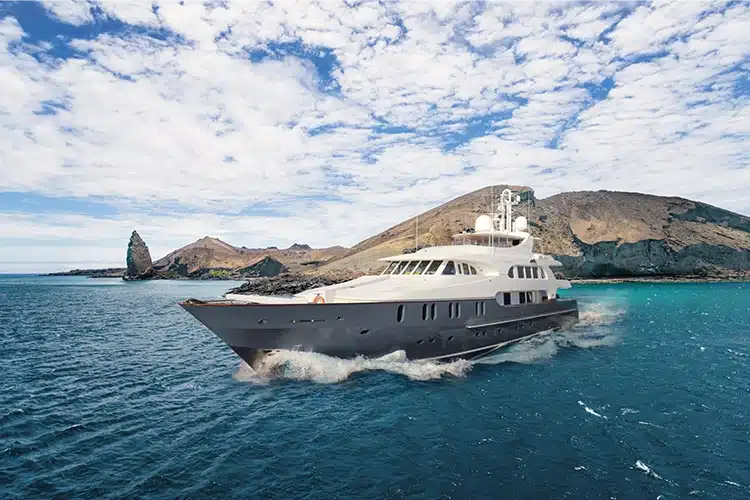
A Galapagos cruise is ideal for travelers who want to maximize wildlife encounters and island diversity in a limited timeframe. Because cruises travel to a variety of protected visitor sites — including some remote ones that are difficult or impossible to reach with daily tours from land — they offer one of the most efficient ways to experience the archipelago’s breadth of ecosystems.
Cruises are also well-suited to those who prefer a structured, all-inclusive experience. Most cruise packages include meals, accommodation, certified naturalist guides, and daily excursions, which can simplify planning and reduce logistical stress. Enthusiasts like wildlife photographers, first-time visitors, and nature lovers often choose this format for its immersion and ease.
Finally, cruises can be a good match for travelers with limited nights on the islands, as typical itineraries (5-8 days) allow you to visit multiple regions without daily transfers between towns and excursions.
Who Should Choose Island Hopping in the Galapagos?
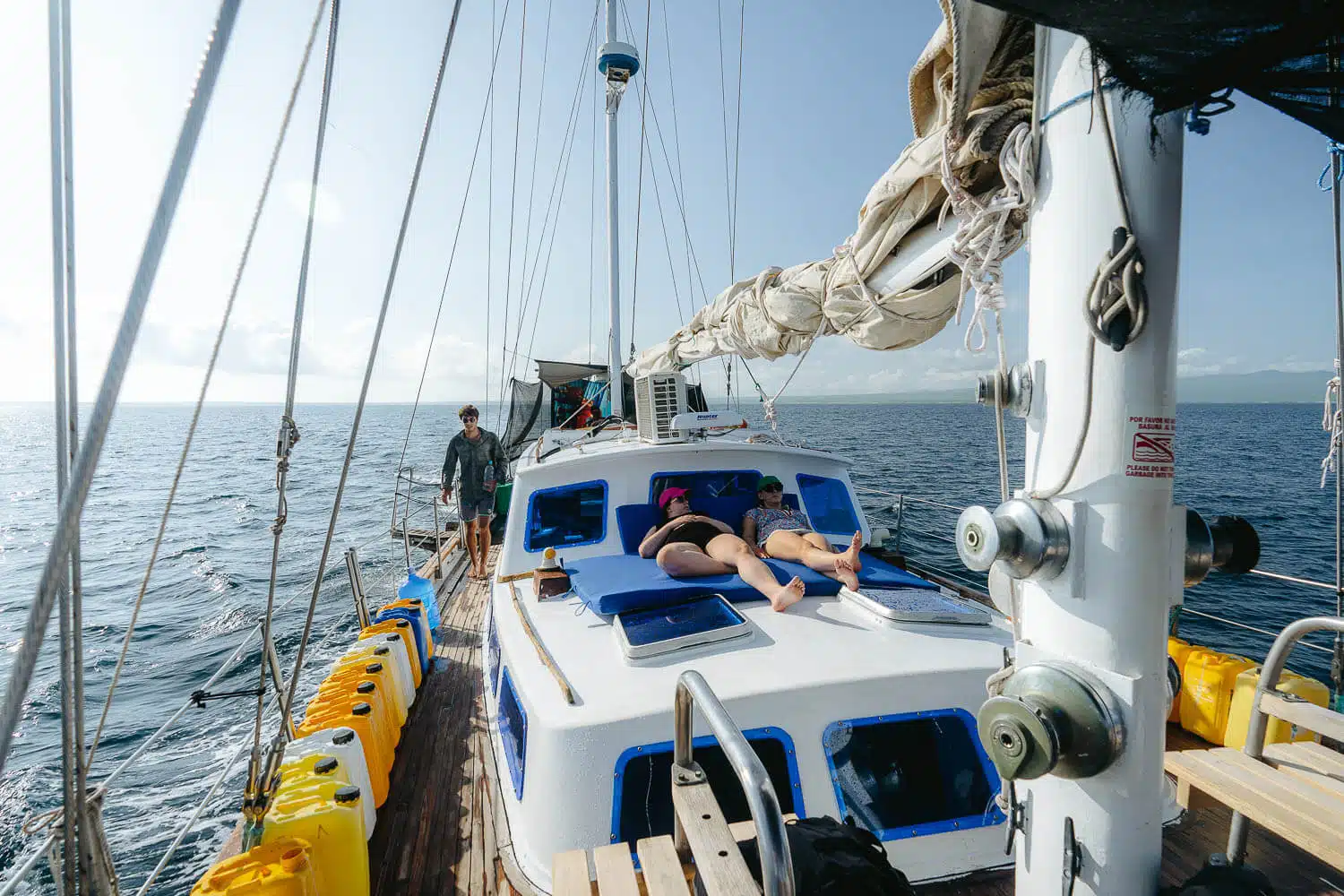
Island hopping appeals to visitors seeking flexibility, cultural immersion, and time on land. Instead of being on a ship for several nights, you stay in hotels on inhabited islands — such as Santa Cruz, Isabela, or San Cristobal — and join boat or land tours each day. This style allows you to explore at your own pace, choose your meals and restaurants independently, and enjoy evenings in town.
Island hopping also tends to be better suited to travelers who prefer larger, land-based accommodations and greater control over their schedule, including rest days, leisurely evenings, and optional activities. Because you’re not tied to a cruise itinerary, you can adapt plans spontaneously if weather or personal preference changes.
This option is often recommended for families with kids, travelers prone to seasickness, budget-conscious visitors, and those interested in experiencing local culture and cuisine — as well as people who want to explore town life and natural sites at ground level rather than strictly on guided excursions.
Can You Combine a Galapagos Cruise vs Island Hopping Trip?
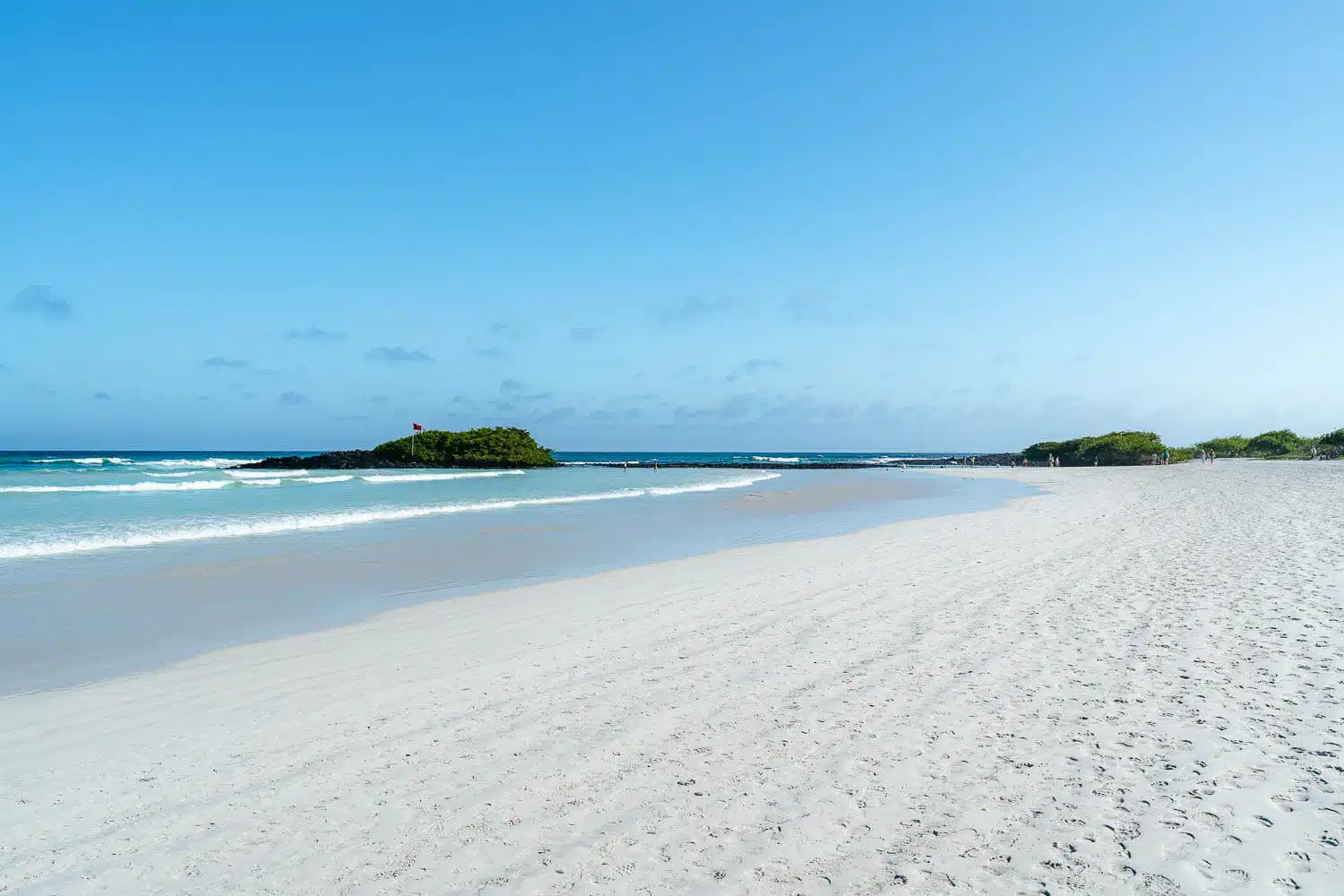
Yes — combining a Galapagos cruise and island hopping itinerary is a popular choice for travelers who want a balanced experience: structured wildlife exploration on a cruise, plus freedom and cultural immersion on land. Many travel planners and local operators recommend this hybrid approach because it allows you to enjoy the best of both worlds.
Typically, travelers might spend several days on a cruise visiting the most remote and wildlife-rich sites, then conclude with a few nights on an inhabited island like Santa Cruz or San Cristobal. On land, you can relax in a hotel, explore town markets and restaurants, or embark on additional day trips at your leisure.
This combination works especially well for trips of 10 days or more, giving you enough time to dive deep into wildlife viewing without feeling rushed while also enjoying downtime, flexibility, and cultural experiences ashore.
When It Makes Sense
A hybrid cruise + island hopping trip makes sense when:
- You have enough time (typically 10 days or more) to justify the investment and avoid feeling rushed.
- You want both remote wildlife access (via cruise) and freedom/comfort on land.
- Some in your group want structured excursions and expert guiding, while others desire independent exploration.
This format also works well for travelers who want to ease into the Galapagos experience — a few days at relaxed pace on an island before or after a more active cruise segment — or mix photography, conservation learning, and cultural experiences in one trip.
When It Doesn’t
A hybrid approach might not make sense if:
- You only have a short trip (4–7 days), in which case a focused cruise or a well-planned island hopping itinerary will deliver a more coherent experience.
- Your budget is constrained, since combining both cruise costs and land-based hotels/tours can be more expensive overall than choosing one format.
- You prefer a single mode of travel, whether fully structured (cruise) or fully independent (island hopping), rather than switching environments mid-trip.
In these cases, sticking with one primary travel style often yields a more seamless logistical flow and fewer transitions to manage.
Galapagos Cruise vs Island Hopping FAQs
Is Island Hopping Cheaper Than a Cruise?
In most cases, yes — island hopping (or land-based travel) is cheaper than a Galapagos cruise, though there are some nuances. Cruise itineraries tend to be more expensive because they are all-inclusive: they bundle cabin accommodation, meals, naturalist guides, and daily excursions into one price. Even basic Galapagos cruises often cost more per day than land packages once all inclusions are considered, because of the logistics and National Park regulations involved.
Island hopping allows you to tailor your spending: you book hotel nights and individual day tours, eat at local restaurants, and choose excursions based on budget and interest. This flexibility usually makes a land-based itinerary more budget-friendly overall, especially for shorter stays or travelers who don’t want the packaged cost of a cruise.
However, it’s important to note that if you book numerous day tours and internal travel between islands, the total can add up — but even then, most island-hopping plans remain cheaper than a comparable multi-day cruise.
Can You See the Same Wildlife Without a Cruise?
Yes — you can see a lot of the iconic Galapagos wildlife without a cruise, but the scope and variety differ. Land-based itineraries allow excellent views of giant tortoises, sea lions, marine iguanas, shorebirds, and other wildlife near the populated islands and on day trips. Popular sites accessible from hotels still deliver remarkable encounters with endemic species.
That said, cruises are designed to reach remote areas and protected visitor sites that standard day tours cannot easily access, such as some locations on Genovesa, Fernandina, and certain coves on Isabela and Santiago. These sites are often rich in species not regularly seen from the main inhabited islands, giving cruise passengers a broader wildlife portfolio overall.
So while a land-based trip can offer unforgettable moments with Galapagos wildlife, cruises generally provide higher wildlife diversity and quantity of sightings, thanks to their range and itinerary design.
Is a Galapagos Cruise Worth It for First-Time Visitors?
For many first-time visitors, yes — a cruise is often worth it, especially if your priority is wildlife variety and comprehensive island access. Longer cruises (7–8 days) are frequently recommended for newcomers because they maximize exposure to different ecosystems across the archipelago in an efficient way, and they include expert naturalist guides who help interpret the wildlife and geology.
Cruises leverage overnight navigation to minimize travel time, meaning you start your day’s wildlife experience early and cover more ground than you could with isolated day tours from land. That said, a cruise may feel structured and less flexible — you follow a planned itinerary rather than designing each day around personal preferences.
If your goals include seeing as much wildlife and island diversity as possible in one trip — and you’re comfortable with boat life and the pace of scheduled excursions — a cruise can very well be the most rewarding option for a first Galapagos visit.
Which Option Is Better for Families?
The “better” option for families really depends on ages, preferences, and how children handle travel dynamics. Island hopping tends to be more relaxed and flexible for families with young children, as you stay in hotels, control daily pacing, and avoid sleeping on a moving vessel — which can be helpful if kids are prone to seasickness or need routine. Families also benefit from choosing meal times and activities that suit their own rhythm.
Cruises, on the other hand, offer a packaged, guided experience where logistics are handled for you, and there’s usually a naturalist onboard to engage children and adults alike. Some larger vessels with more stable hulls can work well for families with older kids who are comfortable at sea, and the structure can simplify planning.
In general, island hopping might be the preferable choice for families with young children or those who want public-land amenities and freedom, while cruises can suit families with older children or teens interested in adventure and wildlife intensity.
Final Verdict: Galapagos Cruise vs Island Hopping — Which Is Right for You?
There’s no one-size-fits-all answer to the Galapagos cruise vs island hopping debate — it’s about matching your travel priorities, budget, time, and comfort preferences.
Choose a cruise if:
- Seeing the maximum wildlife diversity across remote islands is your top goal.
- You value structured, expert-guided days and want an all-inclusive experience.
- Your trip is shorter (4–8 days) and you want to cover more ground efficiently.
Choose island hopping if:
- Flexibility, independence, and customising your pace matter more to you.
- You’re budget-conscious or enjoy exploring local culture, meals, and nightlife between tours.
- You’re travelling with young children or prefer not to sleep on a boat.
Hybrid trips — a short cruise followed by several nights on land — can offer the best of both worlds if you have the time and budget for it (and are aiming for a rich, varied Galapagos experience).
Whatever path you choose, the Galapagos has a way of staying with you long after you leave. Whether you’re waking up on a boat anchored beside a volcanic shoreline, or sipping a coffee in Puerto Ayora before heading out to snorkel with sea lions, the islands deliver moments that feel almost unreal.
Lava landscapes, fearless wildlife, turquoise waters, and encounters that happen just a few feet away — it’s the kind of trip that reminds you how wild the world can still be. No matter if you choose a cruise, island hopping, or a mix of both, the Galapagos is one of those rare places that genuinely lives up to the dream.
Plan your next adventure with us!
Here are the links we use and recommend to plan your trip easily and safely. You won’t pay more, and you’ll help keep the blog running!



Adventures in Sri Lanka - The Ancient Ceylon
Explore The Galapagos Islands
Hiking in Switzerland & Italy
The Hidden Worlds of Ecuador
ABOUT ME

I’m João Petersen, an explorer at heart, travel leader, and the creator of The Portuguese Traveler. Adventure tourism has always been my passion, and my goal is to turn my blog into a go-to resource for outdoor enthusiasts. Over the past few years, I’ve dedicated myself to exploring remote destinations, breathtaking landscapes, and fascinating cultures, sharing my experiences through a mix of storytelling and photography.
SUBSCRIBE
Don’t Miss Out! Be the first to know when I share new adventures—sign up for The Portuguese Traveler newsletter!
MEMBER OF

RECENT POSTS


COMMUNITY
GUIDES
Need help planning? Get our interactive Ecuador and Galapagos guides with curated itineraries. Learn more…
RELATED POSTS
TRAVEL INSURANCE
Lost luggage, missed flights, or medical emergencies – can you afford the risk? For peace of mind, I always trust Heymondo Travel Insurance.
Get 5% off your insurance with my link.