
Easter in the Galapagos: Semana Santa Traditions (2026)
Faith, culture, and island customs during Holy Week
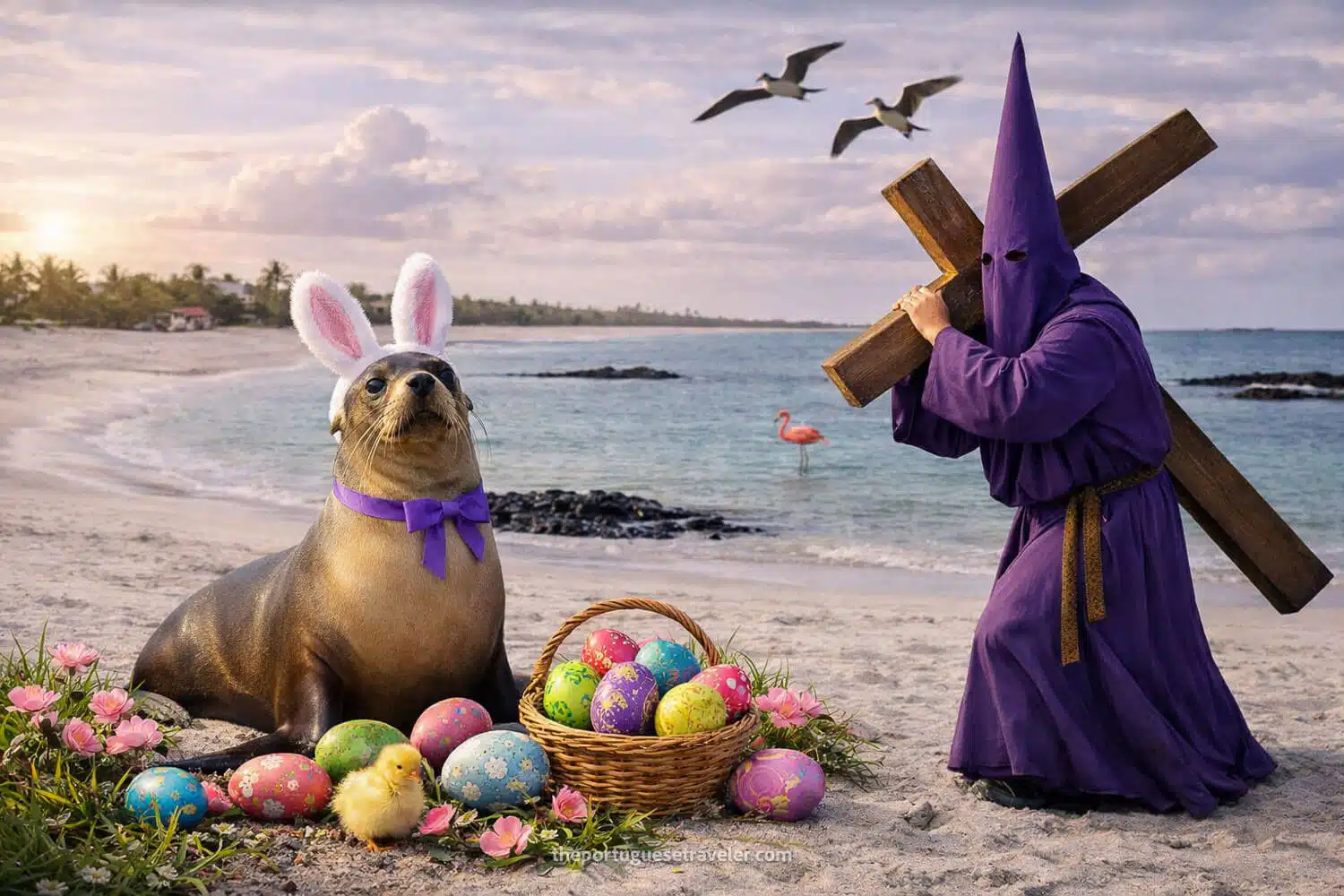
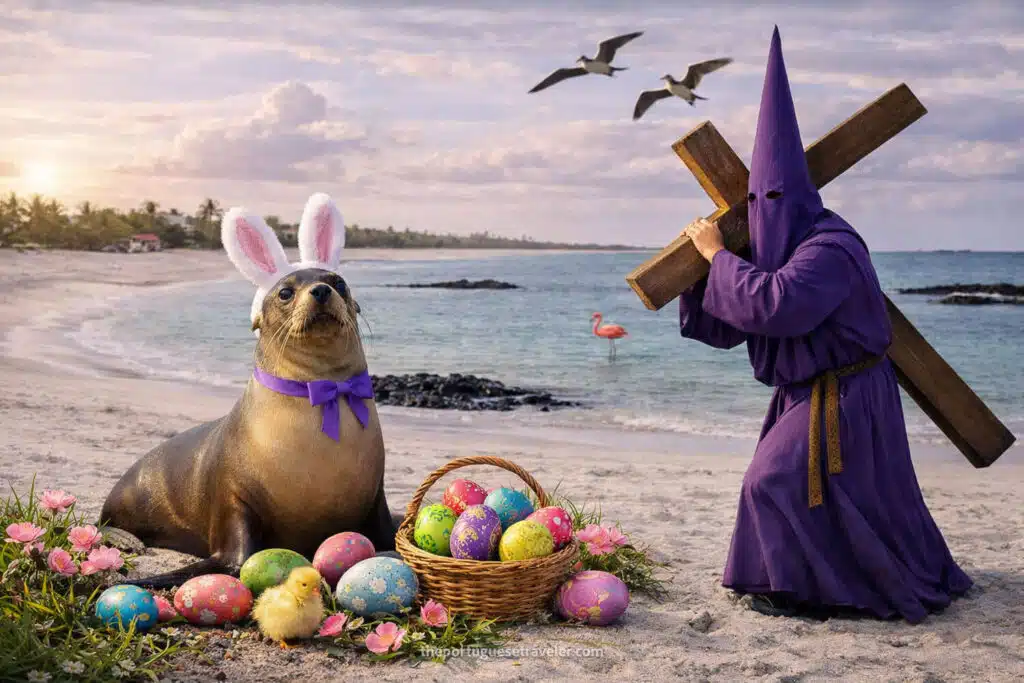
Easter in the Galapagos is quieter than Semana Santa in mainland Ecuador, but it isn’t absent of tradition. On islands like Isabela, and often on Santa Cruz and San Cristobal as well, Holy Week includes religious processions with cucuruchos, men carrying large wooden crosses, and moments of public reflection, especially on Good Friday. These events are modest in scale, deeply local, and rooted in community rather than tourism.
Semana Santa on the islands unfolds at a slower pace, shaped by small populations and the realities of living in a protected natural environment. Church services, symbolic processions, and family gatherings form the core of the celebrations, while everyday life continues quietly around them. You won’t find the crowds or intensity of Quito or Cuenca, but the religious meaning of the week is still very present.
For travelers, Easter in the Galapagos offers a rare balance: warm-season weather, active wildlife, and subtle but authentic cultural traditions happening alongside regular tours and island life. This guide breaks down what Semana Santa in the Galapagos is really like — from processions and traditional food to travel logistics, wildlife conditions, and whether visiting during Holy Week makes sense for your trip.
Table of Contents
Your Galapagos Islands Essentials - Quick Guide
Short on time? This quick Galapagos guide will help you plan!
Where to Stay:
– Finch Bay Hotel (Santa Cruz Island)
– Hotel Indigo by IHG (San Cristobal Island)
– Hotel Iguana Crossing (Isabela Island)
Must-Do Experiences:
– 360 Tour (San Cristobal highlights by boat)
– Kicker Rock Tour (Top snorkeling with big wildlife)
– Bartolome Island Tour (Iconic views & marine life)
– Floreana Island Tour (Snorkel, fishing & history)
– Sierra Negra Volcano Tour (Epic volcano hike)
– Los Tuneles Tour (Galapagos’ best snorkeling)
Extras you’ll Need:
– Travel Insurance with Heymondo (5% discount).
– Mobile eSim with Holafly (5% discount) or Airalo
Easter in the Galapagos: What It’s Really Like
Easter in the Galapagos feels quietly powerful. There are no massive crowds or dramatic spectacles like on mainland Ecuador—but Semana Santa is very much present, woven into daily island life in a way that feels sincere and unforced.
During Holy Week, you’ll notice a shift in atmosphere. Streets become calmer, churches fill with locals, and religious processions move slowly through towns where sea lions nap on benches and fishing boats still head out at dawn. Faith, nature, and everyday life coexist without competing for attention.
What makes Easter in the Galapagos special is this contrast: deeply rooted Catholic traditions unfolding inside a protected natural paradise, where celebrations adapt to the islands rather than dominate them.
Why Visit the Galapagos During Easter & Semana Santa?
From a travel perspective, Easter is one of the strongest times of year to visit the Galapagos. March and April bring warm temperatures, calmer seas, and excellent snorkeling and diving conditions. Wildlife activity is high, and visibility underwater is often at its best.
Semana Santa also adds a cultural layer that most visitors don’t associate with the islands. While the celebrations are far more understated than in cities like Quito or Cuenca, Easter is one of the few moments when you can witness local religious traditions, community processions, and family-centered rituals that aren’t staged for tourism.
It’s a balanced season: busier than low months, but generally more relaxed than Christmas or peak summer travel—making it ideal for travelers who want both culture and nature without extremes.
Travel Guide, Itineraries, Map, Local Tips
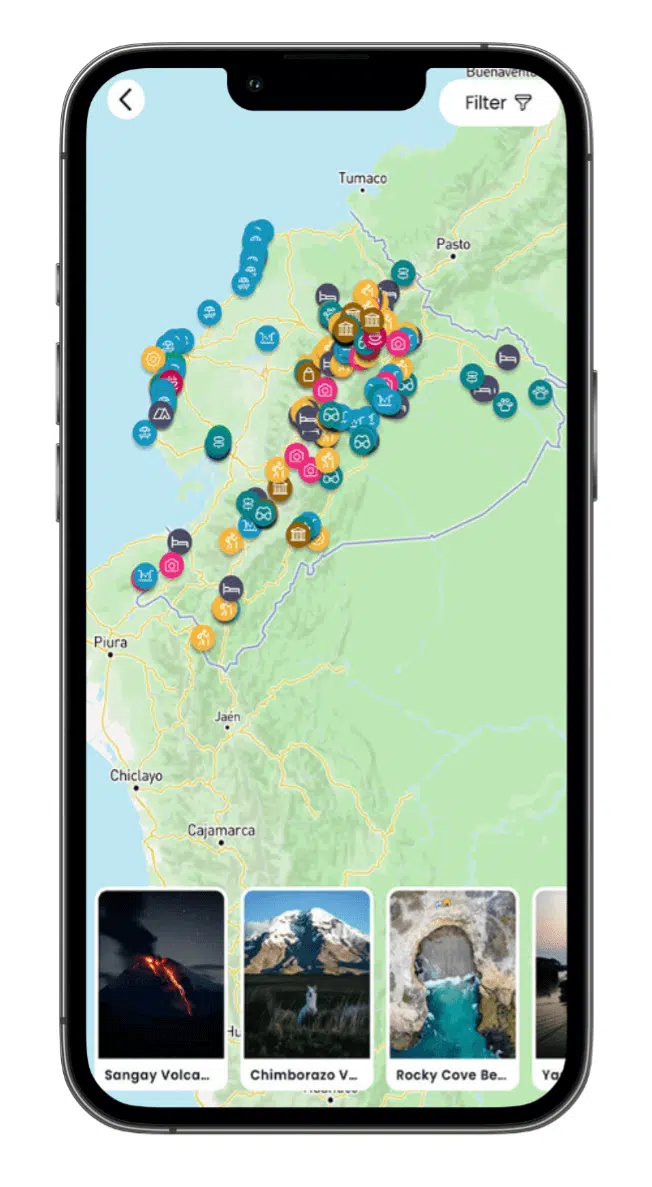
Get access to my curated list of all the best viewpoints, hiking trails, secret waterfalls, diving spots, wildlife tours, accommodations, and more, that will make your trip to Ecuador and The Galapagos unforgettable.
All of this, in an interactive guide featuring a mobile-friendly map, pre-designed itineraries, all my favourite photos, and helpful travel tips to guide your journey in this amazing unexplored country.
If you want personalized advice write me in-app and we can plan it together.

Plan Your Galapagos & South America Trip (Free Quote)
How Easter In the Galapagos is Celebrated
Semana Santa in the Galapagos follows the Catholic calendar observed across Ecuador, but celebrations are shaped by island life—smaller, more intimate, and deeply community-driven.
The main islands—Santa Cruz, San Cristobal, and Isabela—all observe Holy Week, with Good Friday standing out as the most significant day. Over the past decade, participation has grown, and processions like Jesús del Gran Poder have become meaningful expressions of local faith rather than symbolic imports from the mainland.
Palm Sunday (Domingo de Ramos) in the Galapagos
Palm Sunday marks the official beginning of Semana Santa. Churches across the islands hold Masses commemorating Jesus’ entry into Jerusalem, symbolized by palm fronds carried and blessed by the faithful.
Locals often bring simple palm leaves—sometimes lightly woven—to church, where they are blessed and later kept in homes as symbols of protection and faith. The day sets a reflective tone for the week ahead rather than a festive one.
A lesser-known detail is that Semana Santa is determined by an astronomical event. Easter begins on the first Sunday following the first full moon of spring—a reminder that religious tradition, nature, and celestial cycles have long been intertwined, even in a place as remote as the Galapagos.
Good Friday in the Galapagos (Viernes Santo)
Good Friday is the most solemn and visually striking day of Holy Week in the Galapagos.
In Santa Cruz, the penitential procession of Jesús del Gran Poder has been held for more than ten years and continues to grow in participation. The procession typically begins in the afternoon, moving from the highlands toward Puerto Ayora over several kilometers.
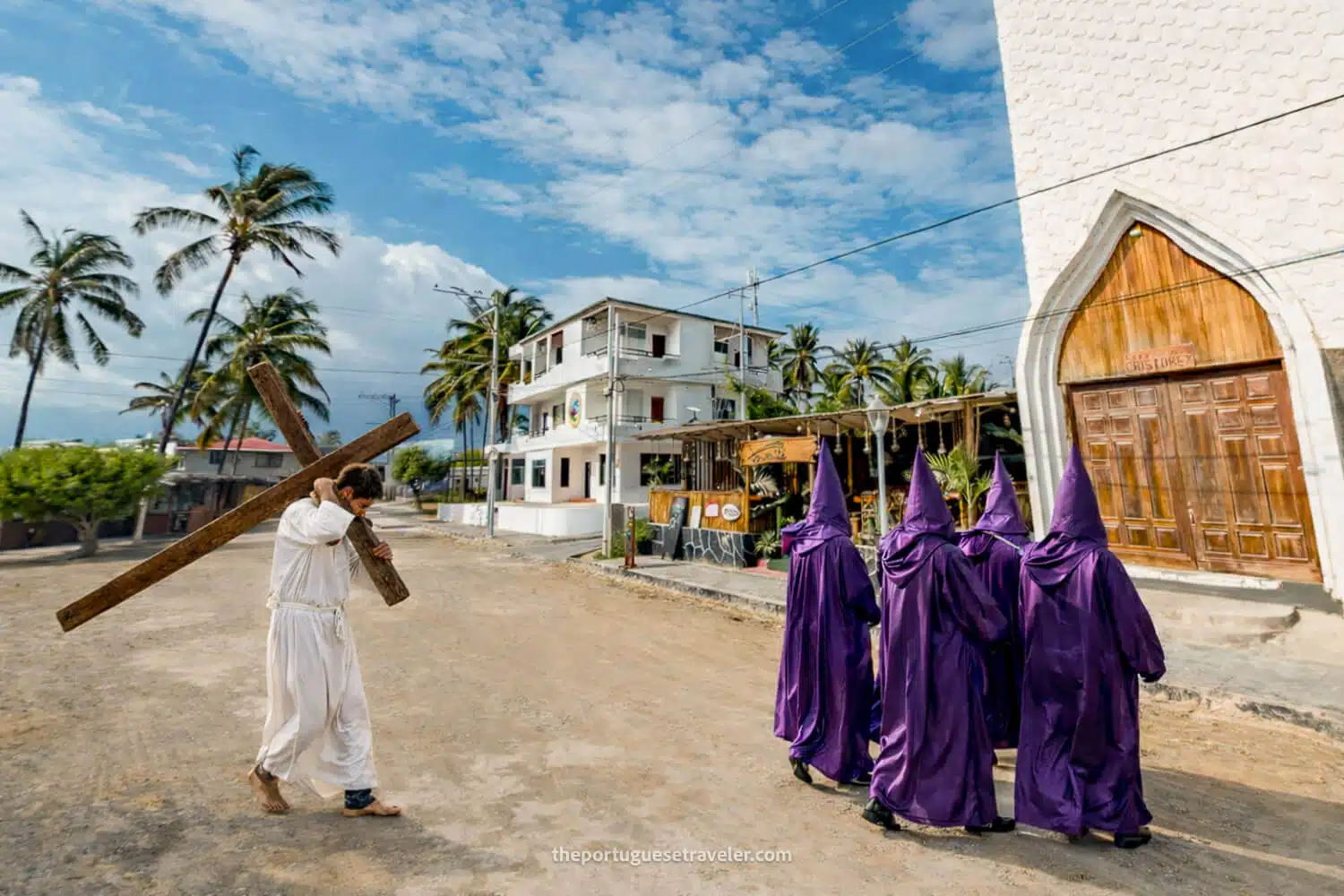
Participants include cucuruchos dressed in purple robes and pointed hoods, men carrying large wooden crosses, and figures representing the Stations of the Cross. Many walk barefoot as an act of penance, while residents watch quietly along the route.
On Isabela Island, similar expressions of devotion take place, including men carrying heavy crosses through town—simpler in scale, but equally powerful. Across the islands, Good Friday brings a noticeably quieter rhythm: some businesses close or shorten hours, meat is traditionally avoided, and families gather later for shared meals.
Easter Sunday in the Galapagos (Domingo de Resurrección)
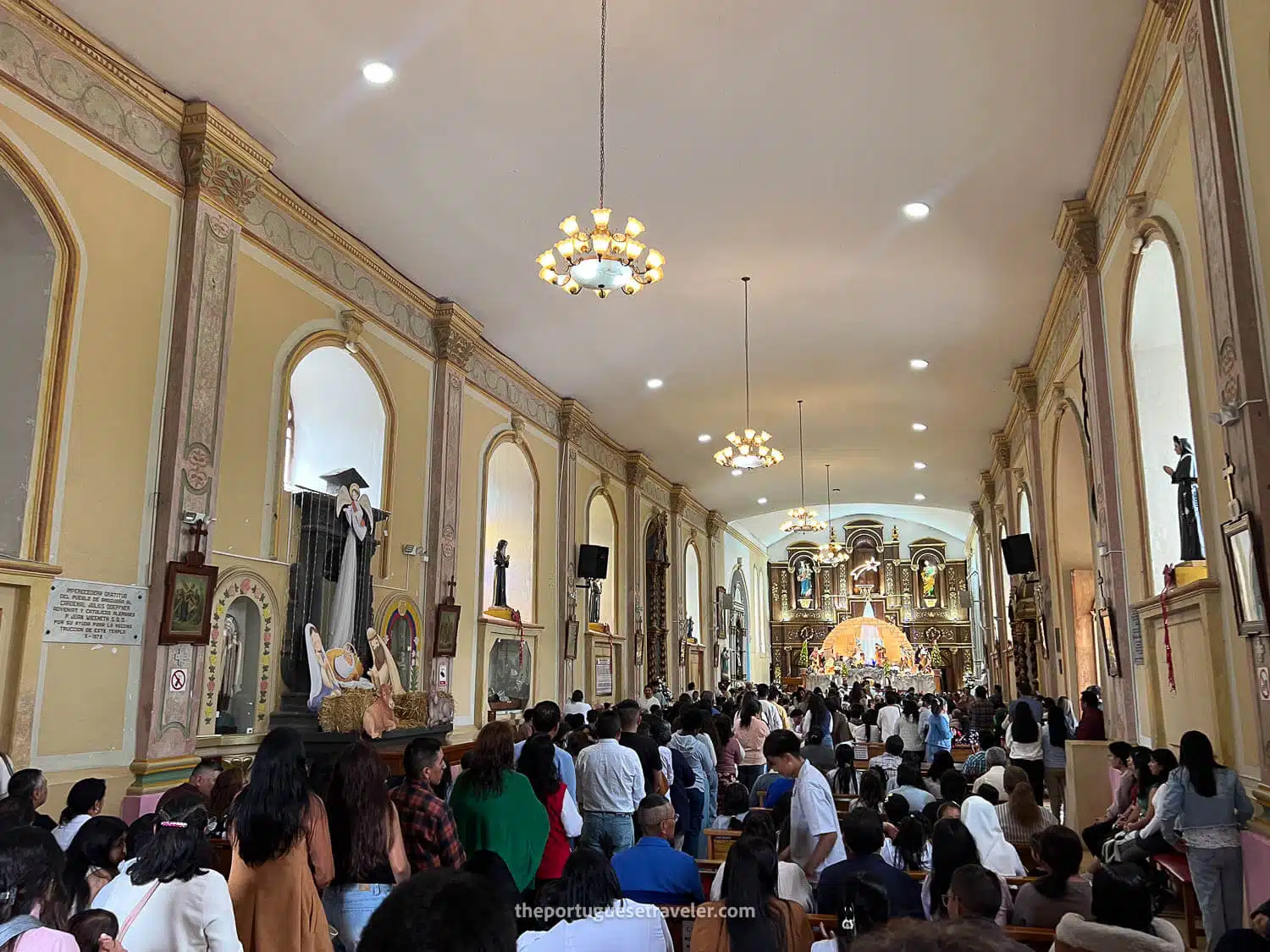
Easter Sunday marks a clear emotional shift. Morning Masses celebrate the Resurrection, followed by family lunches and relaxed gatherings.
By late morning or early afternoon, the islands largely return to their usual pace. Tours run as normal, restaurants reopen fully, and visitors head back to beaches, boats, and snorkeling sites. Compared to the introspective tone of Good Friday, Easter Sunday in the Galapagos feels calm, communal, and quietly uplifting.
Traditional Easter Food in the Galapagos
Food plays a central role during Semana Santa in Ecuador, and the Galapagos is no exception. While the islands don’t have a completely separate Easter cuisine, families and restaurants follow mainland traditions closely—especially when it comes to avoiding red meat and preparing dishes tied specifically to Holy Week.
During Easter, you’ll notice menus shift slightly. Certain dishes appear only for a few weeks each year, and for many locals, Easter flavors are inseparable from family gatherings, shared preparation, and long meals that stretch across the afternoon.
Fanesca: Ecuador’s Easter Dish in the Galapagos
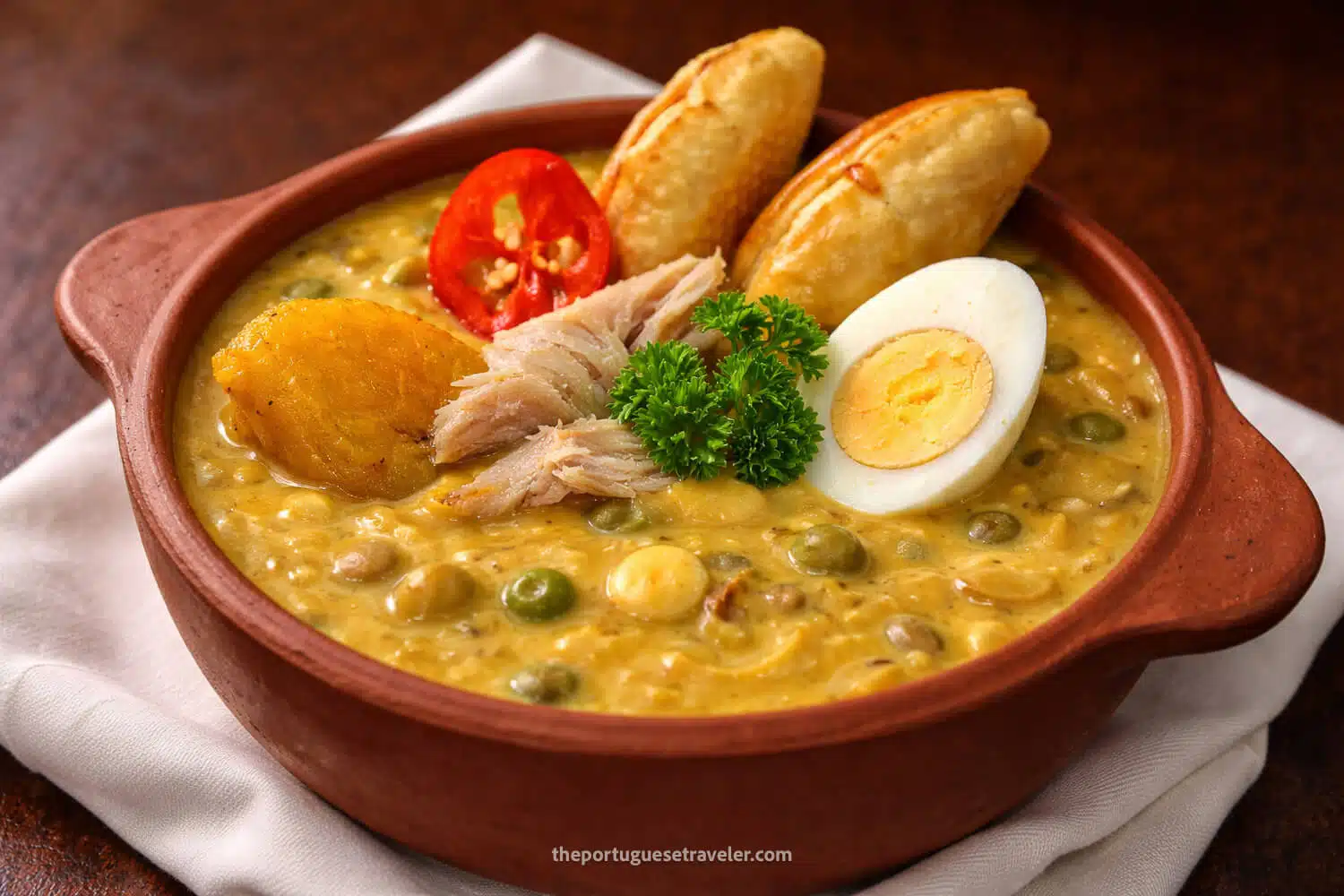
Fanesca is the undisputed centerpiece of Semana Santa food in the Galapagos and across Ecuador. This rich, once-a-year soup is traditionally prepared only during Holy Week and requires days of preparation, often bringing families together long before it’s served.
The dish is built around 12 different grains and legumes, representing the twelve apostles, combined with salted fish (bacalao), which symbolizes Christ. Typical ingredients include corn, fava beans, chochos (lupini beans), peas, lentils, rice, squash, peanuts, milk, cheese, onions, garlic, cumin, and achiote. The result is a thick, comforting soup that’s both filling and deeply symbolic.
What many visitors don’t realize is that the bacalao used for fanesca in Ecuador is traditionally sourced from the deep waters surrounding the Galapagos Islands. Each year, hundreds of thousands of pounds of this fish are caught in Galapagos waters and transported to the mainland specifically for the Semana Santa season. Even so, this supply is not enough to meet national demand.
To fill the gap, Ecuador also relies on imports and on locally caught fish that are salted and dried to substitute bacalao, including species like dorado, bonito, lisa, and sierra. These alternatives are prepared using the same salting and drying methods and are widely accepted as part of the tradition, especially in recent years.
In the Galapagos, fanesca is prepared in homes and served in local restaurants throughout Holy Week, particularly on Santa Cruz and San Cristóbal. It’s usually accompanied by hard-boiled eggs, fried plantains, small empanadas, and fresh cheese, making it a complete meal on its own.
More than just a religious dish, fanesca reflects Ecuador’s geography and history—from the waters of the Galapagos to coastal fishing towns and Andean kitchens—coming together in a single bowl during Semana Santa.
Other Easter Foods You’ll See in the Galapagos
Beyond fanesca, Semana Santa brings a handful of seasonal foods that appear on family tables, in bakeries, and near churches across the islands.
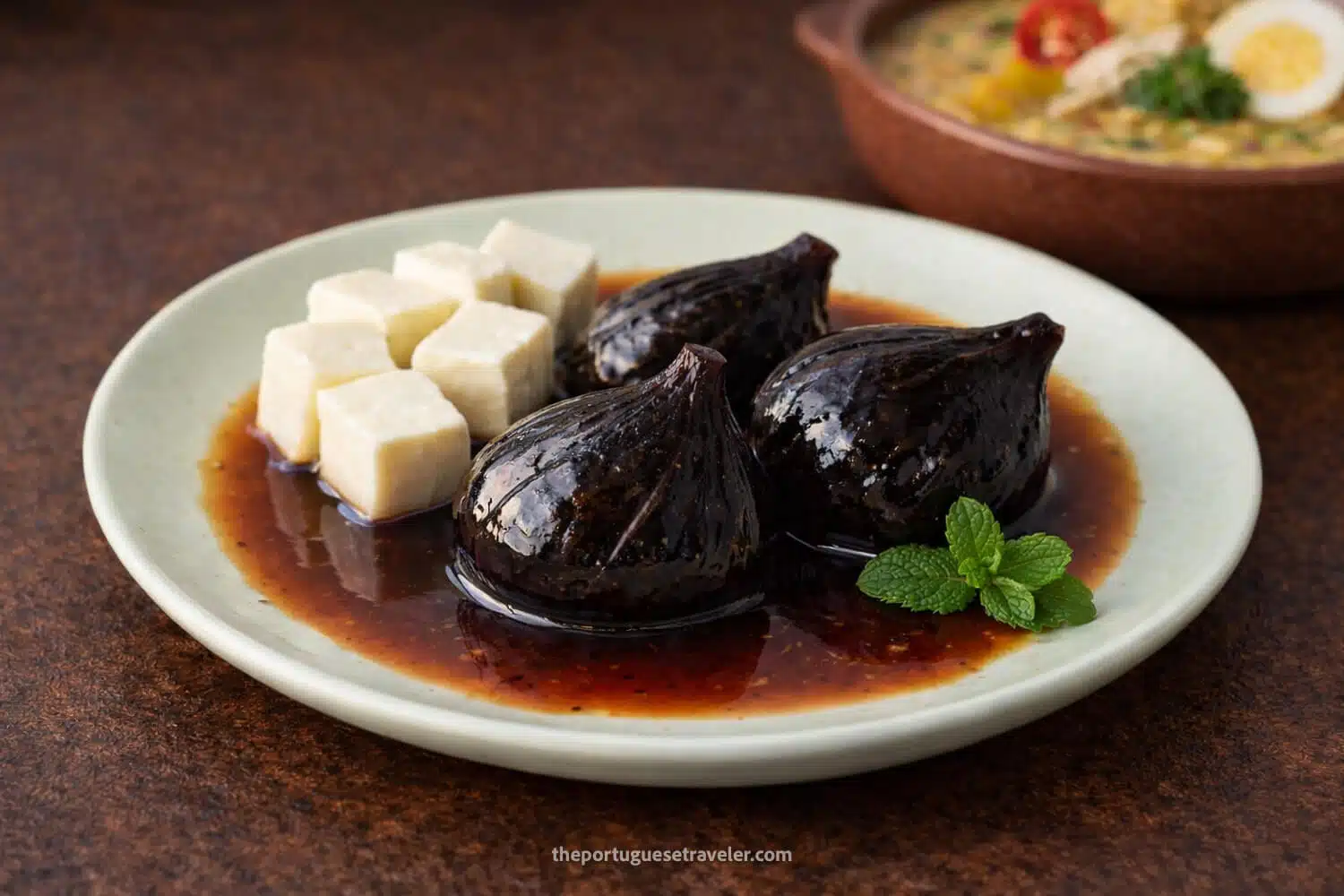
One of the most traditional desserts is higos con queso—figs slowly cooked in panela syrup until soft and glossy, then served warm with slices of fresh white cheese. The combination of sweet and salty is simple, comforting, and strongly associated with Holy Week.
Another staple is arroz con leche, a creamy rice pudding flavored with cinnamon and sometimes cloves, typically served after Easter meals. Humitas, steamed corn cakes wrapped in corn husks, are also common and often prepared at home during the week.
Outside churches—especially on Good Friday—you’ll often find empanadas de viento, airy fried cheese empanadas lightly dusted with sugar. While they’re eaten year-round, they’re particularly tied to Semana Santa and church-going traditions.
Together, these dishes turn Easter in the Galapagos into more than a religious observance—it becomes a seasonal culinary moment that connects the islands to Ecuador’s broader cultural and historical traditions.
Easter Atmosphere & Daily Life on the Islands
Semana Santa in the Galapagos feels quieter and more reflective than on mainland Ecuador, but it’s still deeply present in daily life. On inhabited islands like Santa Cruz, San Cristóbal, and Isabela, church bells mark key moments of the week, and local families attend services together—especially on Palm Sunday and Good Friday.
Public processions, such as the Jesús del Gran Poder walk on Santa Cruz, become important community events, drawing residents from different neighborhoods rather than large crowds of visitors. The pace slows slightly, meals become more traditional, and there’s a stronger sense of routine and togetherness among locals.
Tourism doesn’t disappear, but during Holy Week, the islands feel less rushed—more grounded in local rhythms than usual.
What the Galapagos Feels Like During Semana Santa
If you’re visiting during Easter, expect a calmer, more local-facing version of the Galapagos. Mornings are peaceful, afternoons warm and unhurried, and evenings often centered around family dinners or church activities rather than nightlife.
Good Friday is the most noticeable day: some businesses open later, streets near churches become busier, and you’ll see people dressed for services rather than tours. Outside of religious moments, though, the islands remain unmistakably Galapagos—sea lions nap on benches, fishermen unload their catch, and visitors still head out for snorkeling or island tours.
It’s a subtle cultural shift rather than a disruption, and for many travelers, it adds depth to the experience.
Are Shops, Restaurants & Tours Open During Easter?
Yes—most shops, restaurants, and tours remain open during Semana Santa, especially in tourist areas. That said, a few differences are worth noting:
- Good Friday is the quietest day: some small local shops may close or operate reduced hours.
- Restaurants usually stay open, though family-run places might close briefly in the afternoon.
- Tours, day trips, and cruises generally operate as normal, especially those booked in advance.
- Supermarkets and pharmacies remain open, but with shorter hours on major religious days.
If you’re planning specific tours or restaurant visits, booking ahead is smart—but Easter does not significantly disrupt travel plans in the Galapagos.
Galapagos Weather During Easter (March–April)
Semana Santa usually falls between late March and April, right in the middle of the Galapagos warm and wet season. This is one of the warmest times of year on the islands and, despite the name, one of the most pleasant for travelers.
Daytime temperatures typically hover around 28–31°C (82–88°F), with warm evenings that rarely require more than a light layer. The sea is also at its warmest, making swimming and snorkeling especially comfortable—often without a wetsuit.
Rain during Easter tends to come in short, tropical showers, mostly in the afternoons or in the highlands. These bursts of rain rarely last long and are followed by sunshine. Rather than being disruptive, they help transform the islands into a lush, green landscape, particularly inland on Santa Cruz and San Cristóbal.
Humidity is noticeable but manageable, and sun exposure can be intense even on cloudy days. Sun protection is essential year-round, and a light rain jacket is useful for excursions, especially if you’re visiting the highlands.
Overall, Easter weather in the Galapagos feels warm, vibrant, and alive—ideal for wildlife viewing, snorkeling, and island exploration, with very few downsides beyond the occasional passing shower.

Galapagos Wildlife During Easter
Semana Santa usually falls in late March or April, right in the heart of the warm and wet season in the Galapagos. This is one of the most dynamic periods of the year for wildlife, when breeding, nesting, hatching, and courtship rituals are all happening at once.
Seasonal rains transform the highlands into a lush green landscape, food becomes more abundant, and both land and marine species are highly active. Despite being part of a major holiday week, wildlife rhythms remain completely unaffected, and daily tours continue to deliver exceptional encounters across the islands.
Marine Life During Easter in the Galapagos
Warm sea temperatures during Easter make this one of the most comfortable times of year for snorkeling and swimming, often without the need for a wetsuit. While warmer waters bring slightly fewer nutrients, marine life remains easy to spot—and some species actually prefer these conditions.
During Semana Santa, you can commonly encounter:
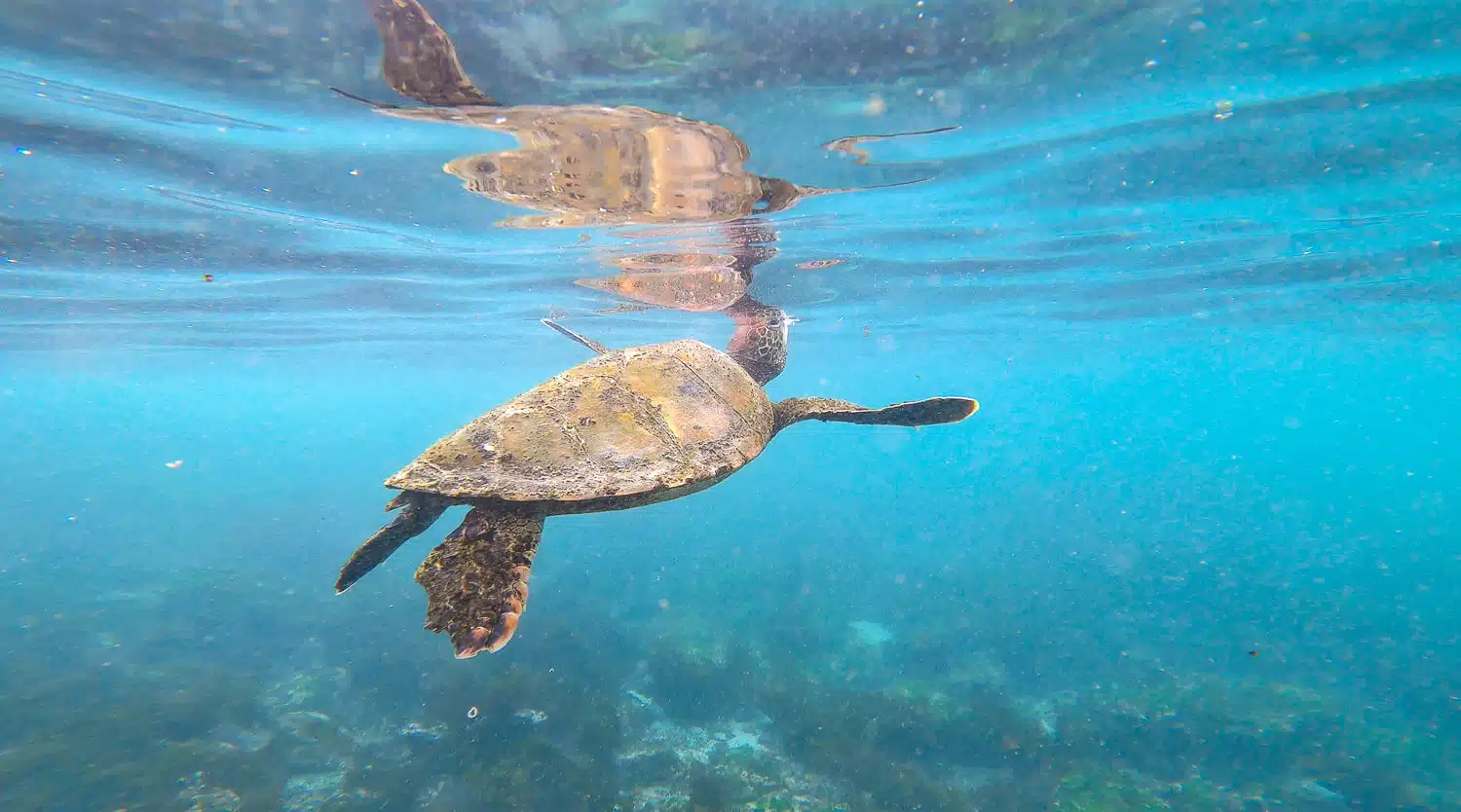
- Green sea turtles, with eggs hatching on beaches like Bachas (Santa Cruz) and Cormorant Point (Floreana)
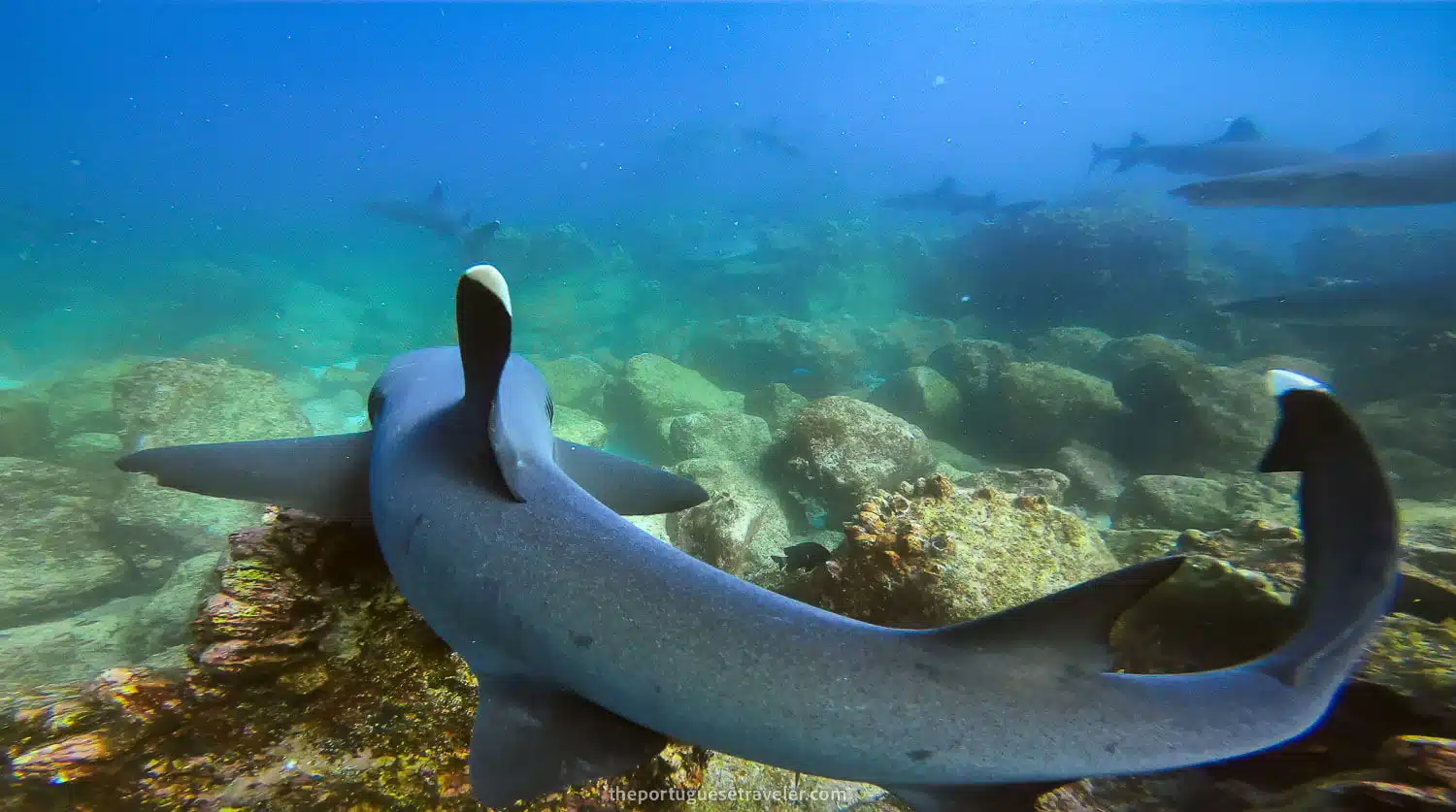
- White-tipped reef sharks resting on sandy bottoms and lava ledges
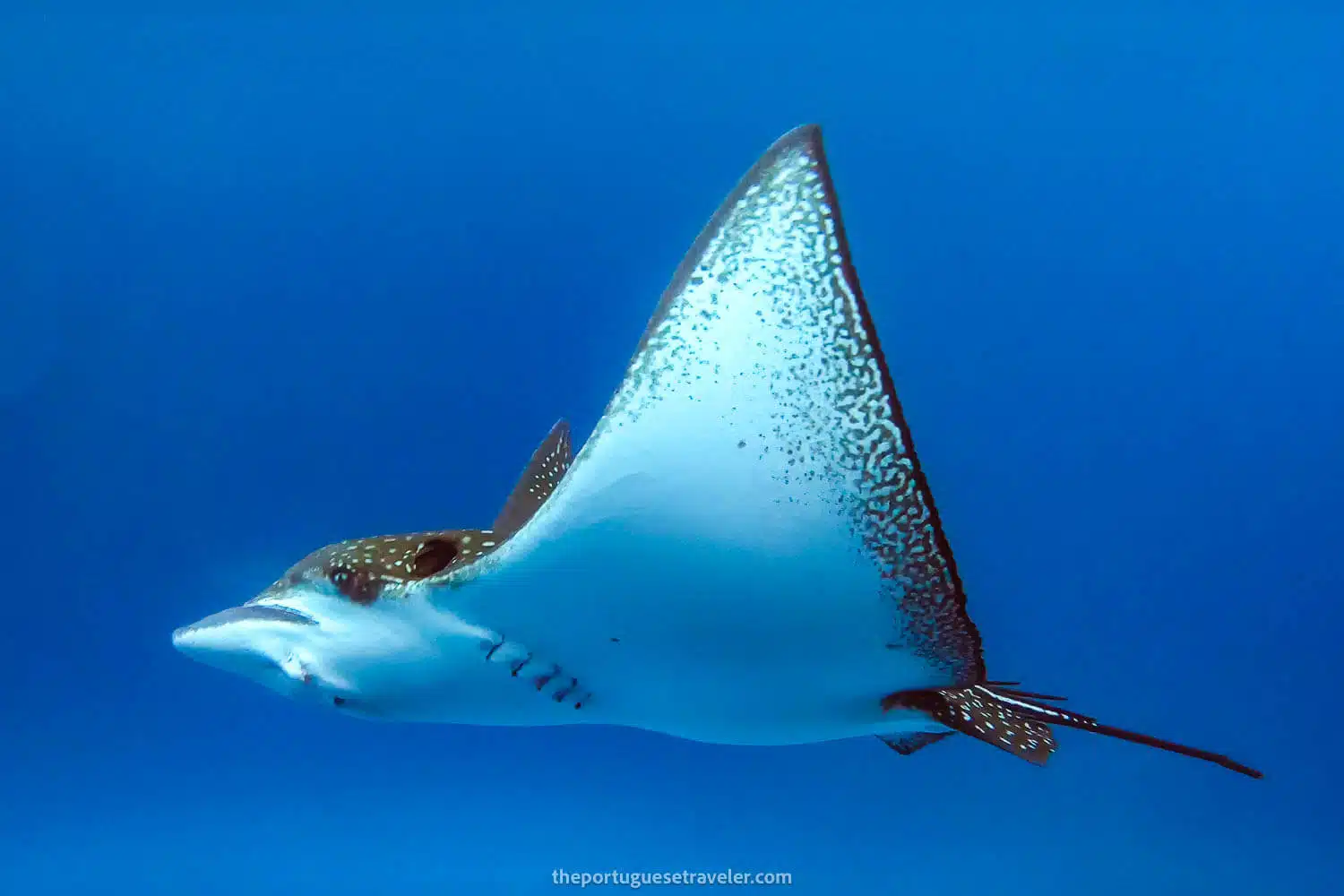
- Rays, including eagle rays and golden rays, gliding through shallow waters
- Large schools of colorful reef fish
April is also a strong month for hammerhead sharks and manta rays, particularly around deeper sites and remote islands such as Wolf and Darwin for divers. Easter sits in a sweet spot where underwater visibility is good and marine encounters are still frequent.
Birdlife & Nesting Season Around Semana Santa
Easter coincides with a peak period for birdlife activity across the archipelago. Many species are either courting, nesting, or actively raising chicks, making this an especially rewarding time for birdwatchers.
Highlights around Semana Santa include:
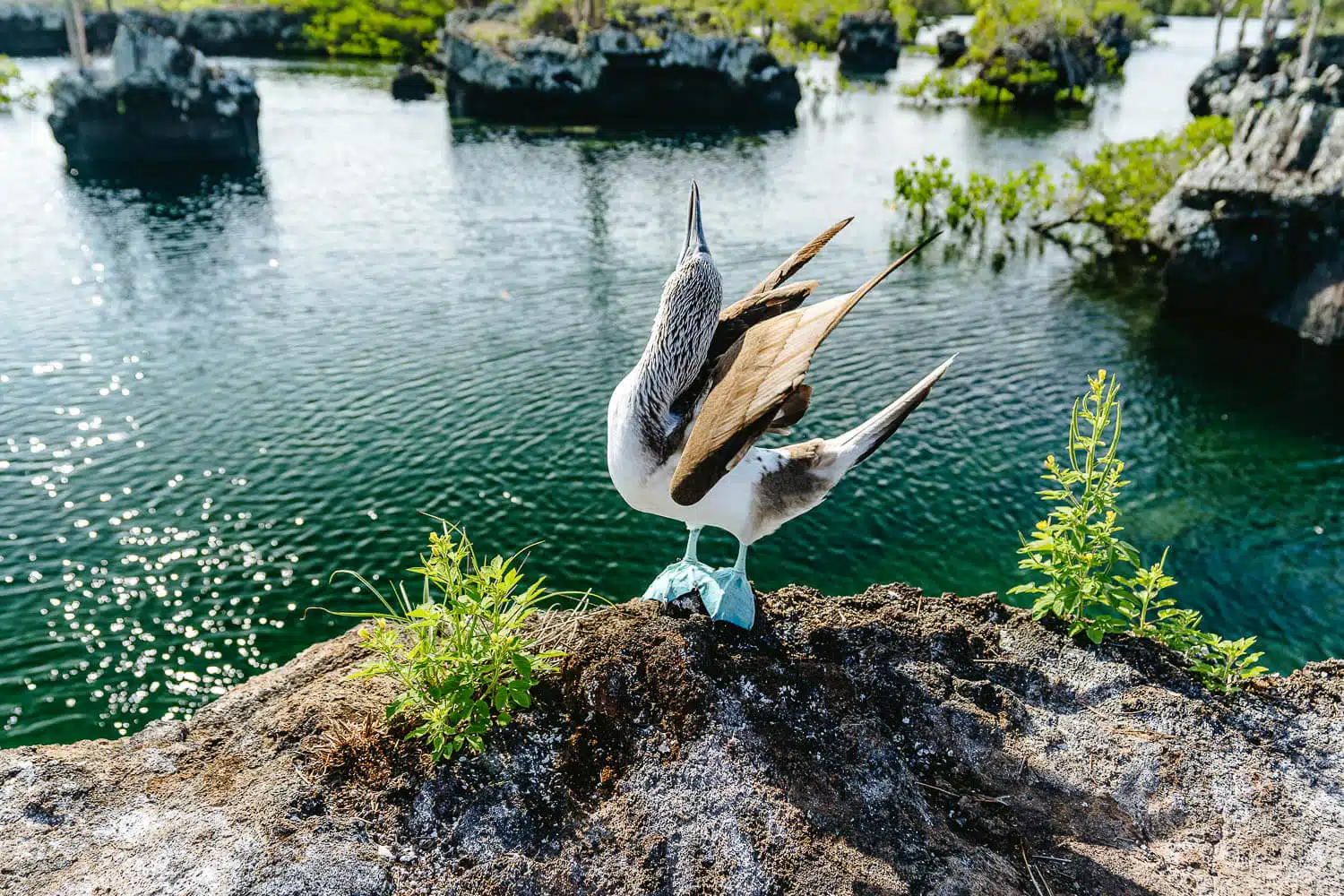
- Blue-footed boobies performing their famous courtship dances, lifting their vividly blue feet in exaggerated mating displays
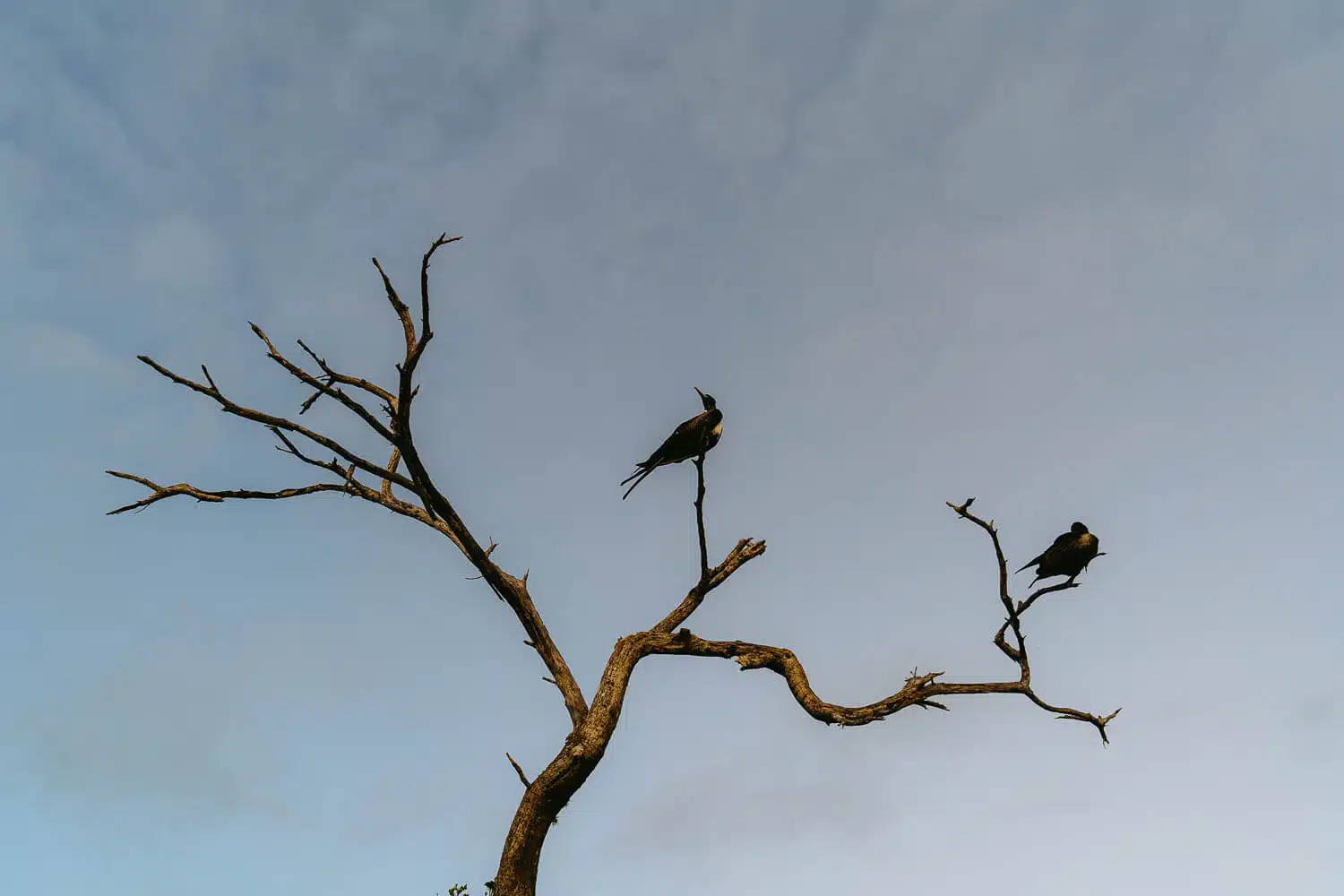
- Frigatebirds, with males inflating their red throat pouches to attract mates
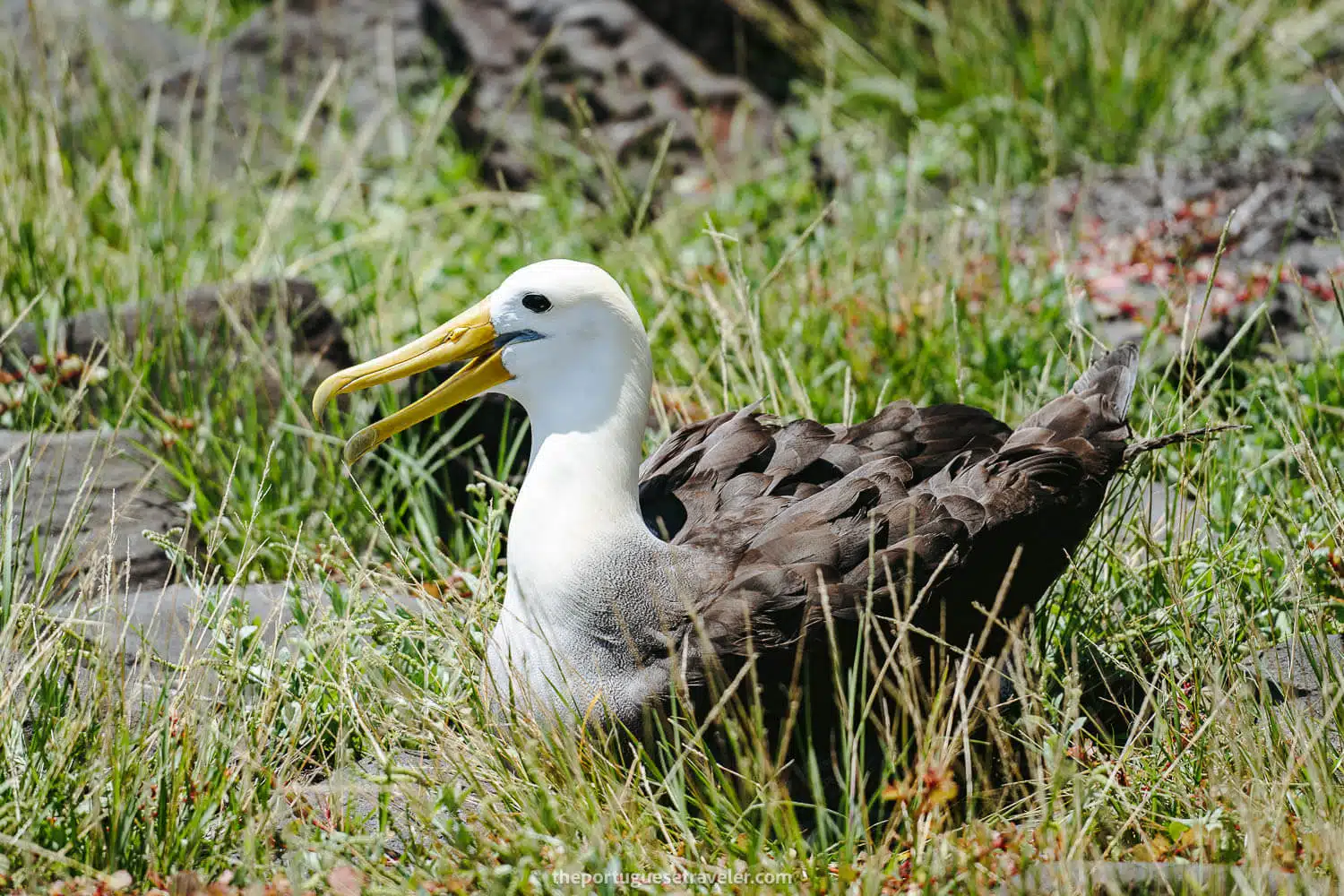
- Waved albatrosses returning to Española Island, engaging in beak-clacking courtship rituals as they reconnect with lifelong partners
- Darwin’s finches actively feeding and nesting, particularly visible near trails and towns
Because birds are so active during this period, you don’t need specialized tours to see them—many encounters happen during standard excursions.
Reptiles & Land Wildlife During Easter
Warm temperatures and seasonal rains make Easter an excellent time for land wildlife encounters. The highlands are green and productive, encouraging movement and visibility among terrestrial species.
During Semana Santa, visitors often see:
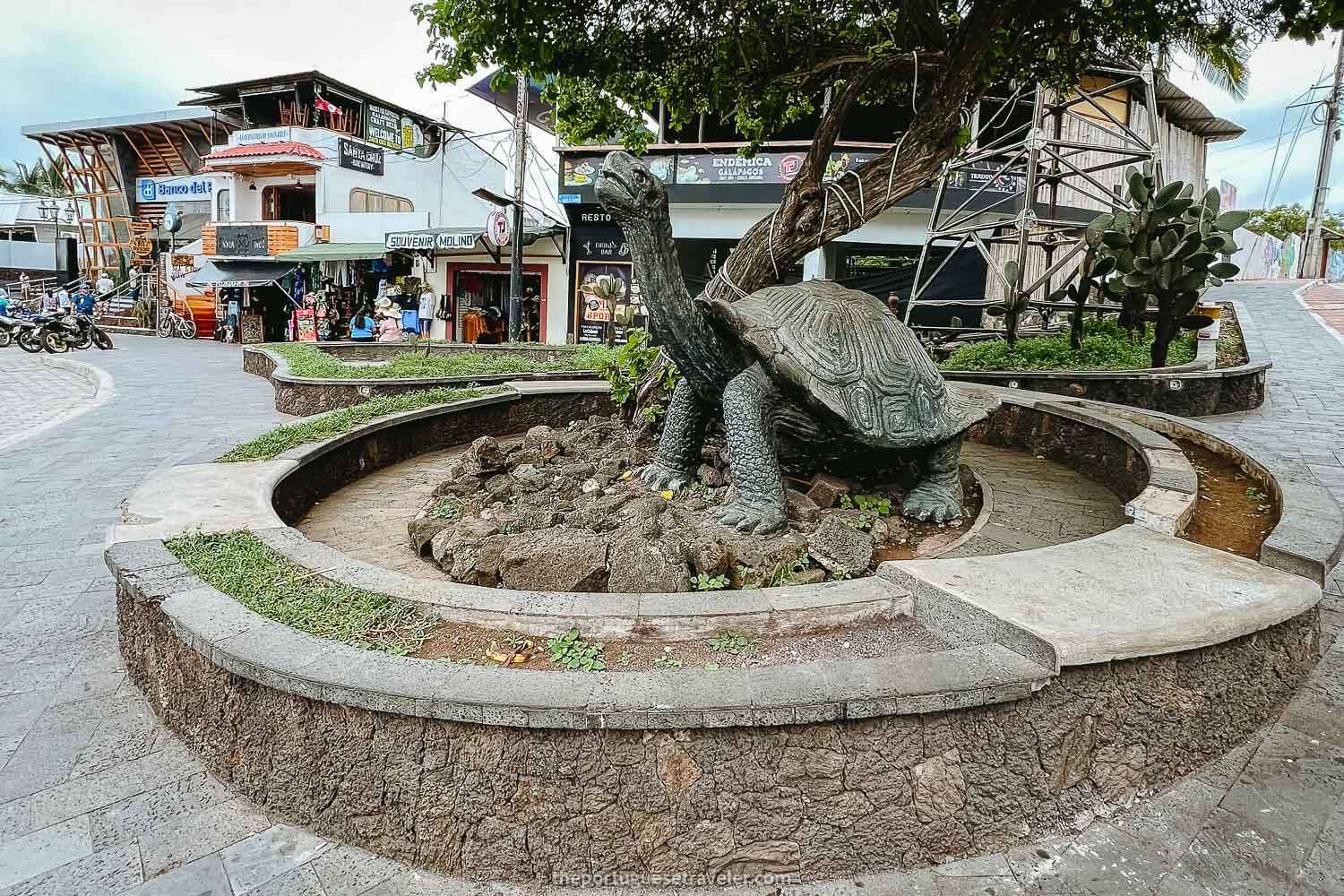
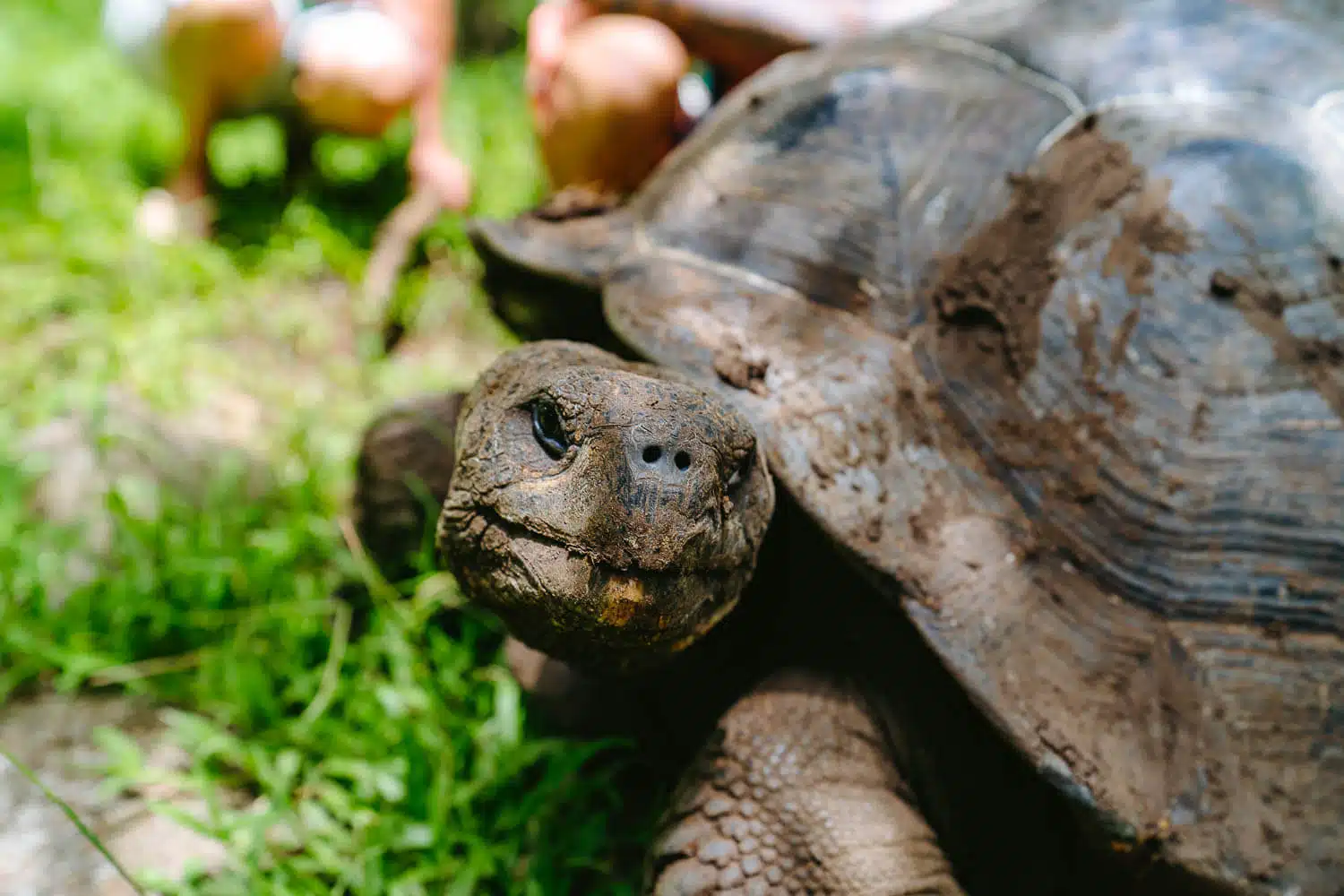
- Giant tortoises roaming feeding areas in the highlands of Santa Cruz and San Cristobal
- Land iguanas active on islands like North Seymour and South Plaza, with some eggs hatching during this period
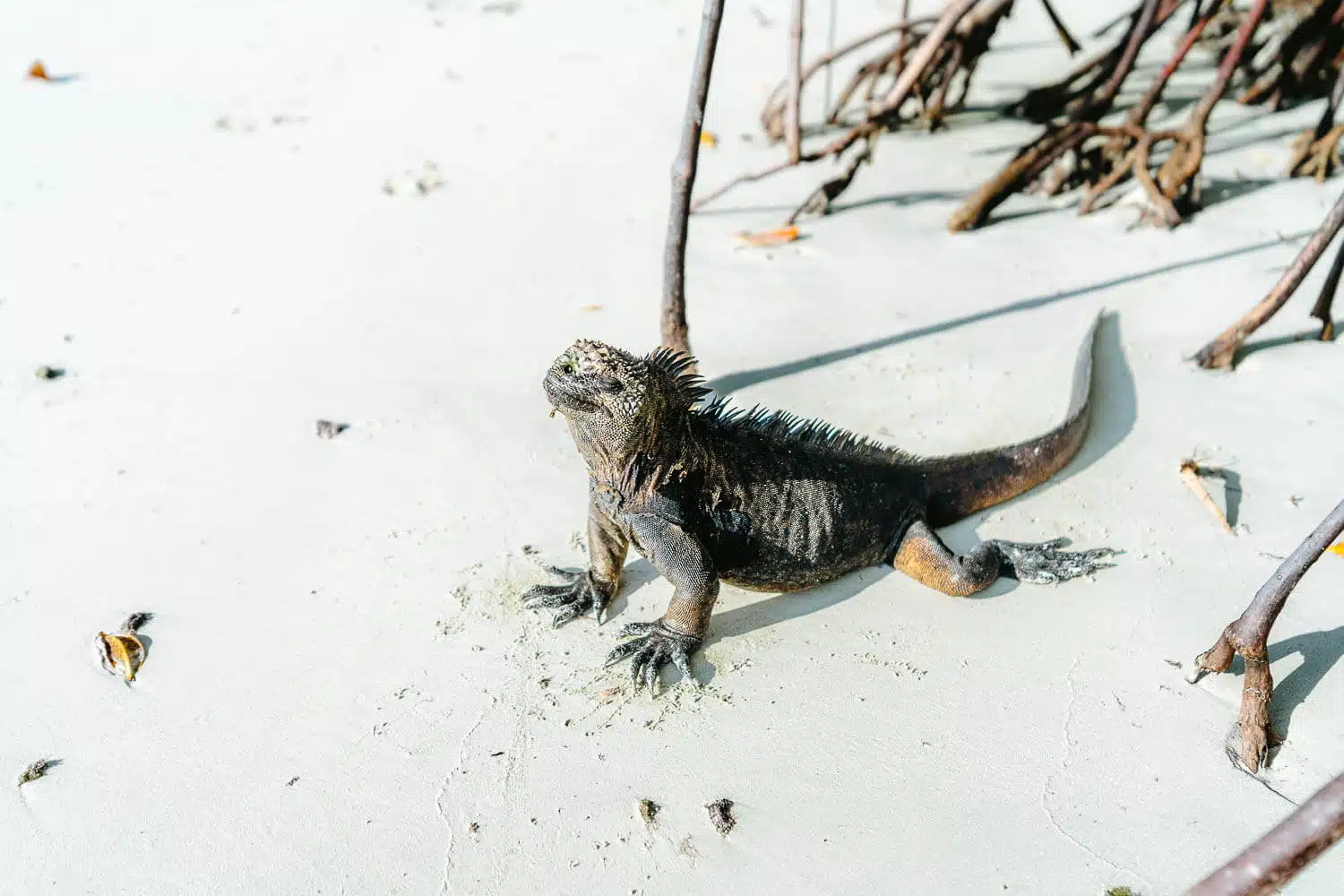
- Marine iguanas basking along the coastlines, piled together on lava rocks to absorb warmth
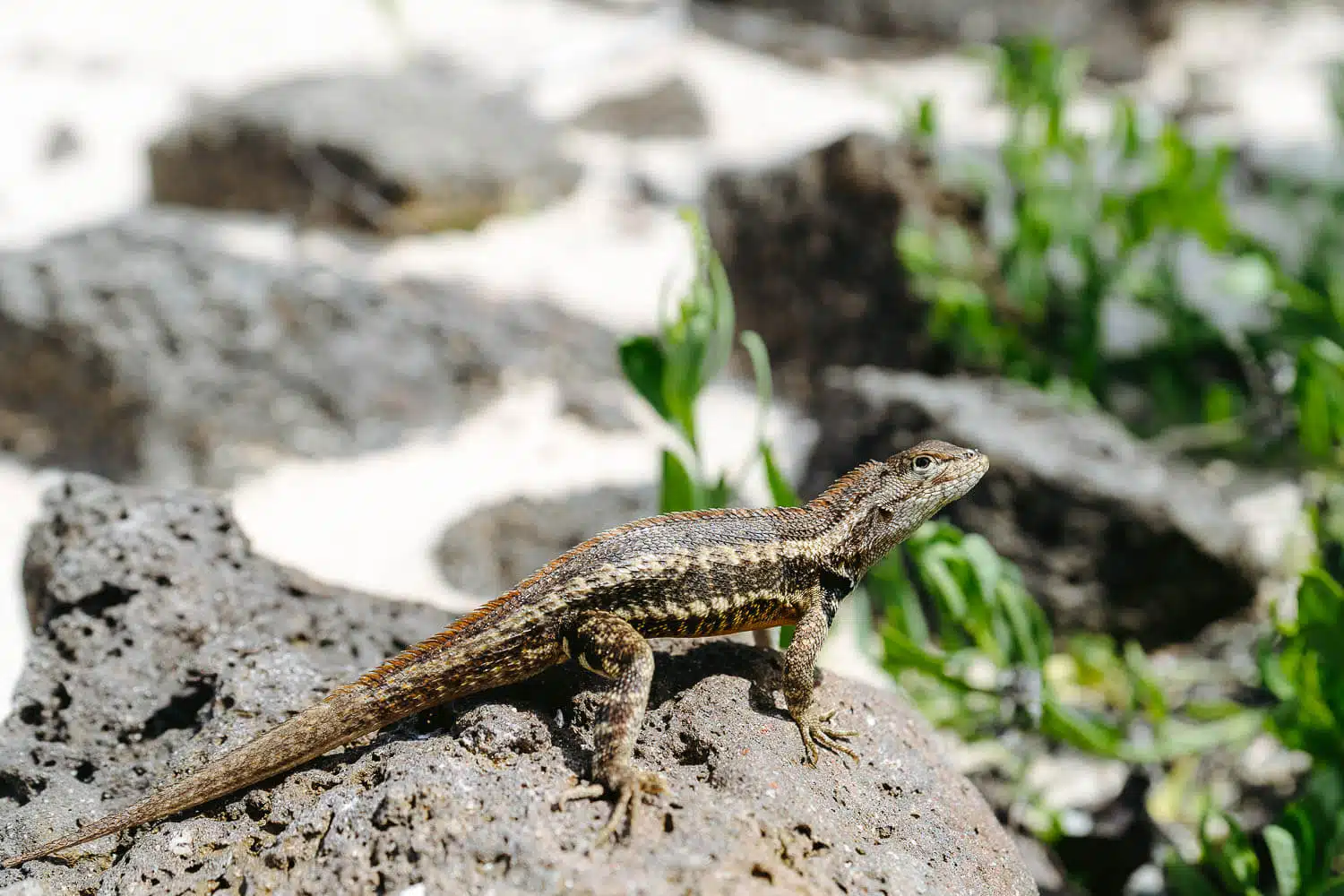
- Lava lizards darting across sunlit paths and volcanic terrain
The warmer climate means reptiles spend more time out in the open, making sightings more frequent and easier than during cooler months.
Is Easter a Good Time to Visit the Galapagos?
Yes—with a few important caveats. Easter falls during the warm and wet season, which means lush landscapes, warm seas, and excellent wildlife activity both on land and in the water. Snorkeling conditions are comfortable, and many species are in active breeding or nesting phases.
The main trade-off isn’t weather or wildlife—it’s demand. Semana Santa is one of the most important holidays in Ecuador, and domestic travel spikes significantly. If you plan well and book ahead, Easter can be a fantastic time to visit. If you expect last-minute flexibility or low-season pricing, it’s less ideal.
How Busy Is the Galapagos During Easter & Semana Santa?
Easter week is one of the busiest periods of the year for domestic tourism. Ecuadorians travel heavily to the islands, especially to Santa Cruz and Isabela, and flights from the mainland often sell out weeks in advance.
Puerto Ayora and Puerto Villamil feel livelier than usual, with full hotels, busy waterfronts, and a more festive local atmosphere. Tours still operate normally, but popular day trips can fill up faster, and restaurant wait times increase—especially on Good Friday and Easter weekend.
Outside of Easter week itself, late March and April return to more moderate crowd levels.
Galapagos Easter Prices & Holiday Costs
Easter sits in a shoulder-to-peak hybrid zone price-wise. While it’s not as expensive as Christmas, New Year, or summer high season, prices do rise across the board during Semana Santa.
Flights from mainland Ecuador see the sharpest increases, followed by mid-range hotels and popular land-based tours. Cruises also book up early, though pricing tends to be more stable than land-based travel during this period.
Once Easter week passes, April often brings better value and occasional last-minute deals—especially for flexible travelers.
Is Visiting the Galapagos During Easter Worth It?
For many travelers, yes—especially if wildlife, warm water, and cultural atmosphere matter more than absolute cost savings. Easter adds a local rhythm to island life, with religious processions, family gatherings, and a noticeably Ecuadorian feel.
However, it’s not the best time if your priority is solitude or budget travel. Easter in the Galapagos is about experiencing the islands at their most social and seasonal, not at their quietest.
Is Galapagos at Easter Worth It on a Budget?
Generally, no—at least not during Holy Week itself. Between higher airfares, limited accommodation availability, and strong local demand, Easter is one of the harder times to visit the Galapagos cheaply.
That said, travelers who plan well in advance, stay in guesthouses, and focus on land-based itineraries can still manage costs—especially if traveling just before or just after Semana Santa.

When Easter in the Galapagos Is Worth the Cost
Easter in the Galapagos makes sense if you’re traveling with intention and are comfortable paying a premium for timing. From a natural standpoint, it’s one of the most dynamic periods of the year: warm seas, active marine life, nesting birds, and lush highlands all come together at once. Snorkeling conditions are excellent, wildlife encounters are frequent, and the overall feel of the islands is vibrant rather than dry or subdued.
Beyond nature, Semana Santa adds cultural depth that most visitors never experience. Religious processions, quieter mornings, and family gatherings bring a different rhythm to island life, especially in towns like Puerto Ayora and Puerto Villamil. If you enjoy seeing destinations as locals experience them—rather than only as tourist hubs—and you’re booking well in advance, Easter can feel especially meaningful and memorable.

When Semana Santa in the Galapagos Probably Isn’t Worth It
Semana Santa may not be the right time if budget flexibility is limited or if you prefer a slower, quieter version of the islands. Easter week is a peak domestic travel period in Ecuador, which means higher airfares, fewer hotel options, and tours that sell out quickly. Prices rise across the board, and spontaneous planning becomes much harder.
It can also feel busier than many travelers expect, particularly in town centers and on popular day tours. If your ideal Galapagos trip involves minimal crowds, last-minute deals, or total freedom to change plans on the fly, traveling just outside the Easter window will deliver a similar wildlife experience with fewer people and noticeably lower costs.
Planning Your Easter Trip to the Galapagos
Planning a Galapagos trip around Easter requires more foresight than other times of year. Semana Santa is one of Ecuador’s biggest holidays, so flights from the mainland fill quickly and accommodation on the islands becomes limited. The key is committing early: once dates are set, book flights, hotels, and tours together rather than leaving pieces open.
It’s also important to build a realistic itinerary. Easter week often means fixed tour schedules, fewer last-minute options, and busier town days, especially on Good Friday and Easter Sunday. Planning island days and tour days in advance helps avoid disappointment and ensures you still experience the wildlife and landscapes the Galapagos is known for.
Land-Based vs Cruise Travel During Easter in the Galapagos
Cruise travel during Easter is the more controlled and predictable option. Cruises operate on fixed itineraries, include meals and guides, and are less affected by town-level crowds. For travelers visiting during Semana Santa, this can feel smoother and more immersive, especially if you want to focus on wildlife without navigating busy ports each day.
Land-based travel offers more flexibility but requires careful planning during Easter. Hotels in Puerto Ayora, Puerto Baquerizo Moreno, and Puerto Villamil book up early, and popular day tours often sell out. Land trips work best if everything is reserved in advance and you’re comfortable with busier towns and a more local, festive atmosphere.

How Far in Advance Should You Book a Galapagos Easter Trip?
For Easter travel, booking three to six months in advance is strongly recommended, especially if Semana Santa falls in April. Flights are often the first bottleneck, followed by mid-range hotels and well-rated cruises. Waiting too long usually means higher prices and fewer choices.
If you’re planning a cruise or traveling as a family, earlier is better. Land-based travelers sometimes find availability closer to the date, but it’s risky during Easter week. Unlike quieter months, last-minute deals are uncommon during Semana Santa due to strong domestic demand.
Where to Stay in the Galapagos for Easter
Santa Cruz is the most popular base during Easter, offering the widest range of hotels, restaurants, and tours. It’s also where Semana Santa processions and church activities are most visible. Staying near Puerto Ayora puts you close to the action but also means more crowds.
Isabela and San Cristobal tend to feel calmer, even during Easter. Puerto Villamil in particular maintains a slower pace, making it a good choice if you want a quieter experience while still seeing local celebrations. Regardless of the island, booking accommodation well in advance is essential during Easter.

Final Thoughts on Spending Easter in the Galapagos
Easter in the Galapagos is a unique blend of wildlife, warm weather, and local tradition. It’s not the quietest or cheapest time to visit, but it offers a deeper look at island life beyond tourism, with religious processions, family gatherings, and a festive atmosphere that contrasts with the usual laid-back rhythm.
If you value cultural context as much as wildlife—and you’re willing to plan ahead—Semana Santa can be an incredibly rewarding time to experience the Galapagos. With the right expectations and preparation, Easter becomes not just a holiday trip, but a richer and more connected way to see the islands.
Easter in the Galapagos FAQs
Planning a trip to the Galapagos around Easter often raises a few important questions—how busy the islands get, whether tours still operate, and if the holiday affects park rules or wildlife access. This FAQ section covers the most common concerns travelers have when visiting during Semana Santa, so you can plan your trip with realistic expectations and no surprises.
Is Easter in the Galapagos Quiet or Busy?
Easter in the Galapagos is busier than average, especially during Holy Week from Good Friday through Easter Sunday. Towns like Puerto Ayora and Puerto Baquerizo Moreno see a noticeable increase in local visitors from mainland Ecuador, and flights, ferries, and hotels fill quickly. That said, the islands never feel chaotic—once you’re out on a boat, snorkeling site, or national park trail, the experience remains calm and nature-focused.
Outside of town centers and church areas, many visitors are surprised by how quickly the crowds thin out. Early mornings, wildlife excursions, and island interiors still offer the quiet, immersive feel the Galapagos is known for.
Are Tours Running During Easter & Semana Santa?
Yes, tours run as normal during Easter, including snorkeling trips, island-hopping tours, day boats, and cruises. Galapagos National Park regulations remain unchanged, and licensed guides operate throughout Semana Santa.
The main difference is availability. Popular tours can sell out days or even weeks in advance, particularly during Easter weekend. Booking tours ahead of time is strongly recommended, especially if you’re traveling independently rather than on a cruise.
Is Easter in the Galapagos Family-Friendly?
Easter is a very family-friendly time to visit the Galapagos. Warm water temperatures make snorkeling easier for children, wildlife is active and visible, and towns feel lively with families out in the evenings. Local celebrations tend to be calm and respectful rather than loud or chaotic.
Families should plan schedules carefully, as transportation and tours are busier than usual. However, with advance planning, Easter offers a welcoming atmosphere and an excellent balance between nature, culture, and relaxation.
Do Easter Celebrations Affect Wildlife Rules or Park Access?
No, Easter celebrations do not affect wildlife protection rules or national park access. The Galapagos National Park operates under the same strict regulations year-round, including limits on visitor numbers, guided access, and wildlife interaction rules.
Fireworks, bonfires, and disruptive celebrations that could harm wildlife are restricted or prohibited, especially during sensitive nesting and breeding seasons. While Easter is culturally important for local communities, conservation remains the top priority, ensuring that wildlife experiences stay protected and unchanged for visitors.
Plan your next adventure with us!
Here are the links we use and recommend to plan your trip easily and safely. You won’t pay more, and you’ll help keep the blog running!



Adventures in Sri Lanka - The Ancient Ceylon
Explore The Galapagos Islands
Hiking in Switzerland & Italy
The Hidden Worlds of Ecuador
ABOUT ME

I’m João Petersen, an explorer at heart, travel leader, and the creator of The Portuguese Traveler. Adventure tourism has always been my passion, and my goal is to turn my blog into a go-to resource for outdoor enthusiasts. Over the past few years, I’ve dedicated myself to exploring remote destinations, breathtaking landscapes, and fascinating cultures, sharing my experiences through a mix of storytelling and photography.
SUBSCRIBE
Don’t Miss Out! Be the first to know when I share new adventures—sign up for The Portuguese Traveler newsletter!
MEMBER OF

RECENT POSTS

COMMUNITY
GUIDES
Need help planning? Get our interactive Ecuador and Galapagos guides with curated itineraries. Learn more…
RELATED POSTS
TRAVEL INSURANCE
Lost luggage, missed flights, or medical emergencies – can you afford the risk? For peace of mind, I always trust Heymondo Travel Insurance.
Get 5% off your insurance with my link.