
Best Time to Visit the Galapagos Islands
Month-by-Month Guide (2026)
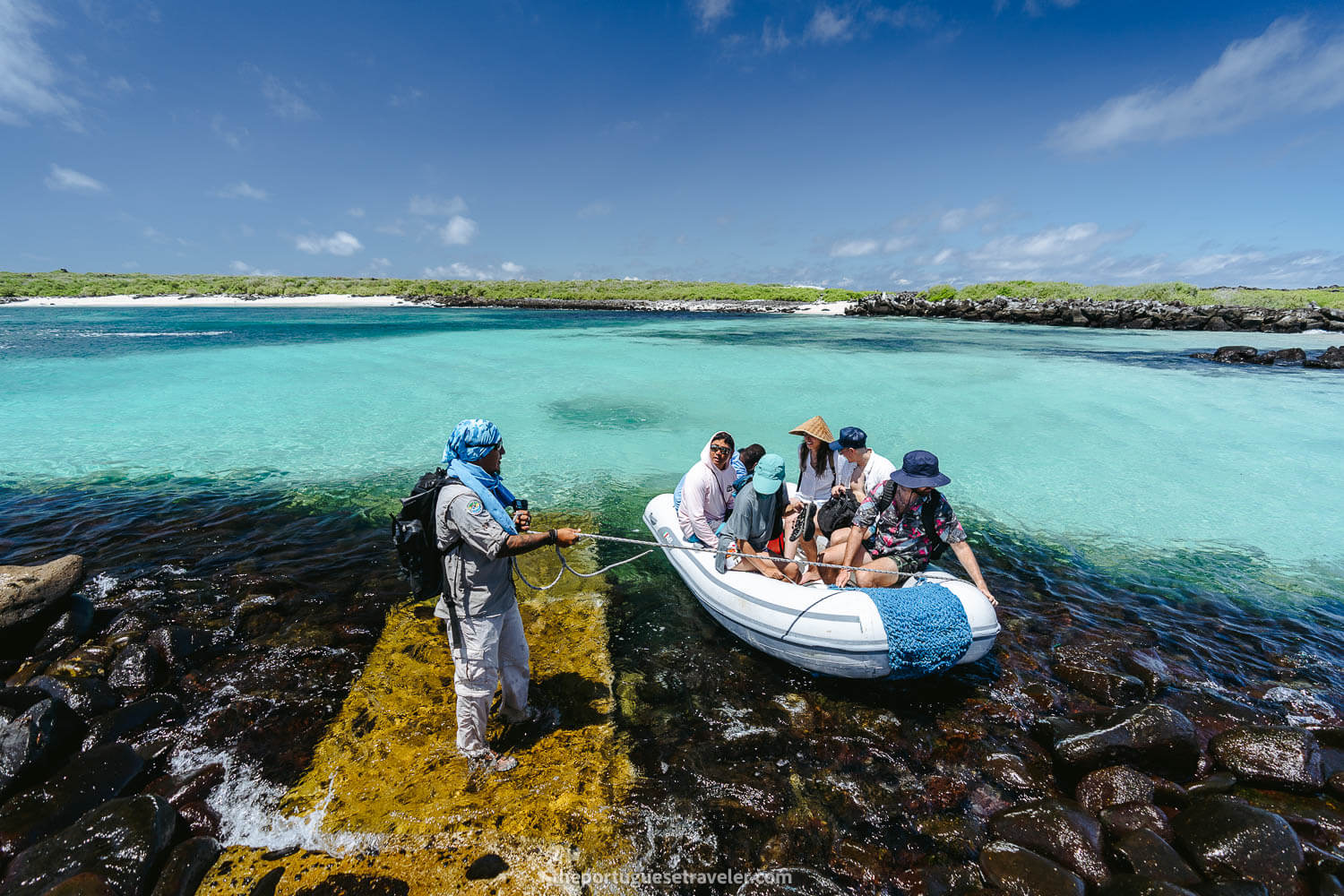
When planning a trip to the Galapagos, one of the biggest concerns travelers have is timing. People often worry about choosing the wrong month—bad weather, rough seas, missing iconic wildlife moments, or paying premium prices in high season. The truth is, there isn’t really a “bad” time to go, but each season offers a unique experience. That’s why knowing the best time to visit the Galapagos Islands can make all the difference.
In this guide, I’ll walk you through what to expect with Galapagos weather, the best months for spotting wildlife, how timing affects activities like snorkeling, hiking, and relaxing on the islands, plus what to know about prices and crowds. By the end, you’ll have a clear idea of when to plan your trip depending on your priorities.
Table of Contents
Your Galapagos Islands Essentials - Quick Guide
Short on time? This quick Galapagos guide will help you plan!
Where to Stay:
– Finch Bay Hotel (Santa Cruz Island)
– Hotel Indigo by IHG (San Cristobal Island)
– Hotel Iguana Crossing (Isabela Island)
Must-Do Experiences:
– 360 Tour (San Cristobal highlights by boat)
– Kicker Rock Tour (Top snorkeling with big wildlife)
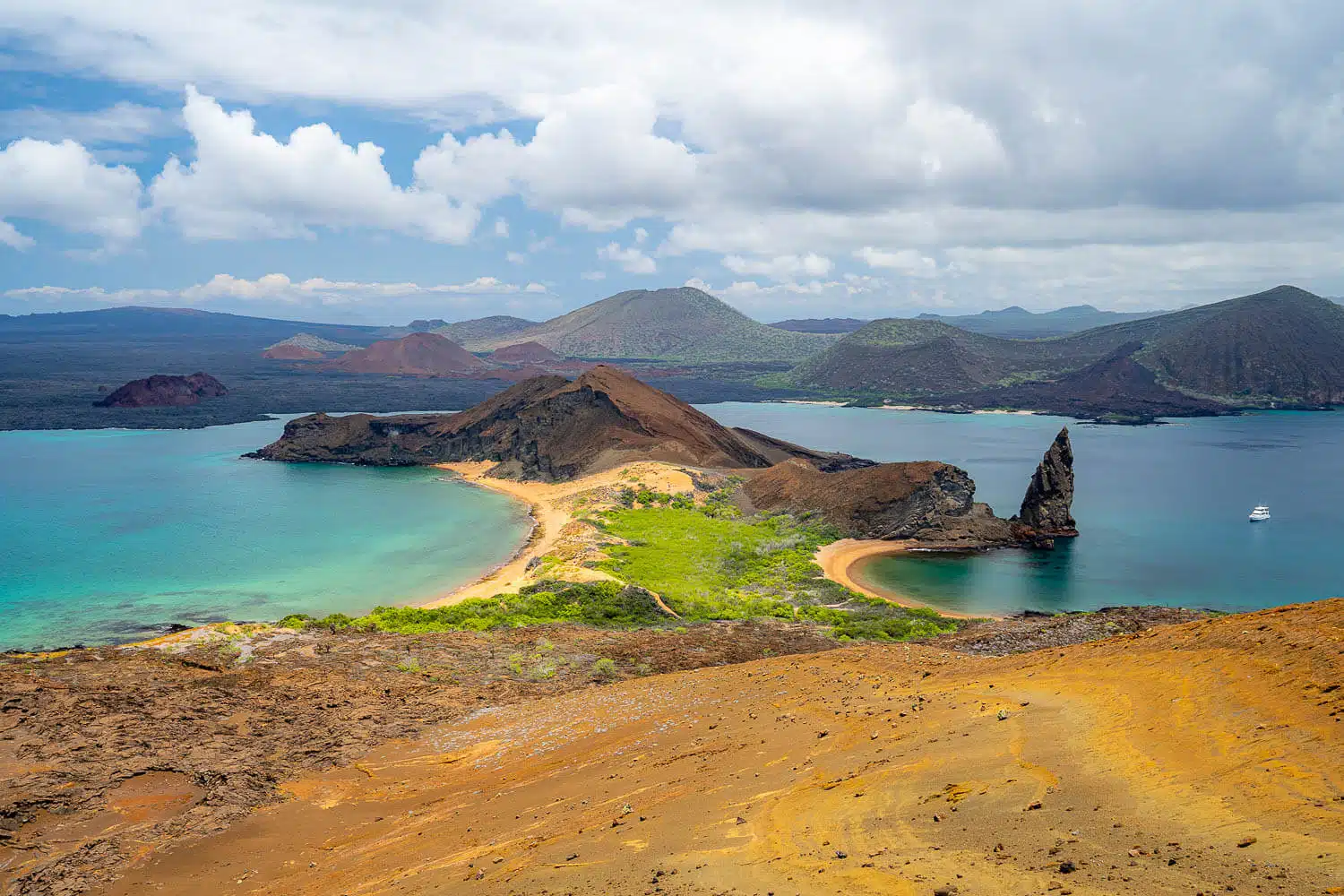
– Bartolome Island Tour (Iconic views & marine life)
– Floreana Island Tour (Snorkel, fishing & history)
– Sierra Negra Volcano Tour (Epic volcano hike)
– Los Tuneles Tour (Galapagos’ best snorkeling)
Extras you’ll Need:
– Travel Insurance with Heymondo (5% discount).
– Mobile eSim with Holafly (5% discount) or Airalo
Galapagos Weather and Seasons: When to Visit
One thing I quickly learned when planning my own trip is that the Galapagos doesn’t really follow the typical “four seasons” we’re used to. Out here, it’s all about the ocean currents, which shape everything—from the climate to the wildlife. Instead of spring, summer, autumn, and winter, you get two distinct seasons: the warm/wet season and the cool/dry season. Both are amazing in their own way, and deciding the best time to visit the Galapagos Islands really comes down to what kind of experience you’re looking for.
Warm/Wet Season (Dec–May)
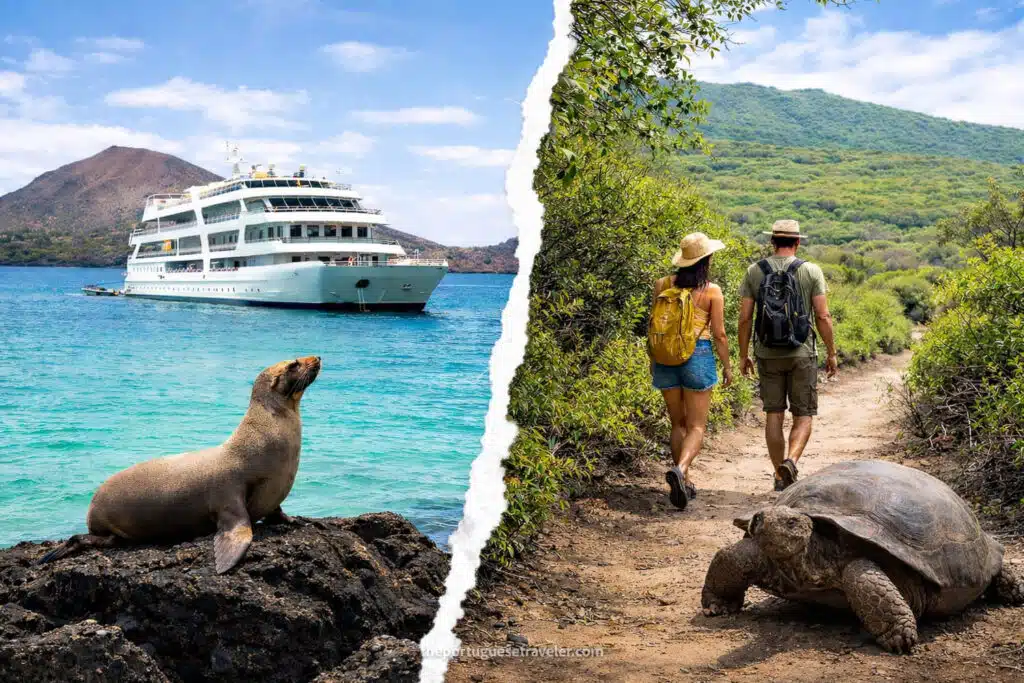
This is when the islands feel at their sunniest and most inviting. Days are warm, the skies are usually clear, and the seas are calmer. Snorkeling is incredible during this time, with crystal-clear visibility that makes it easy to spend hours floating alongside sea lions, turtles, and schools of fish. On land, wildlife is busy nesting and mating, so there’s always something to see.
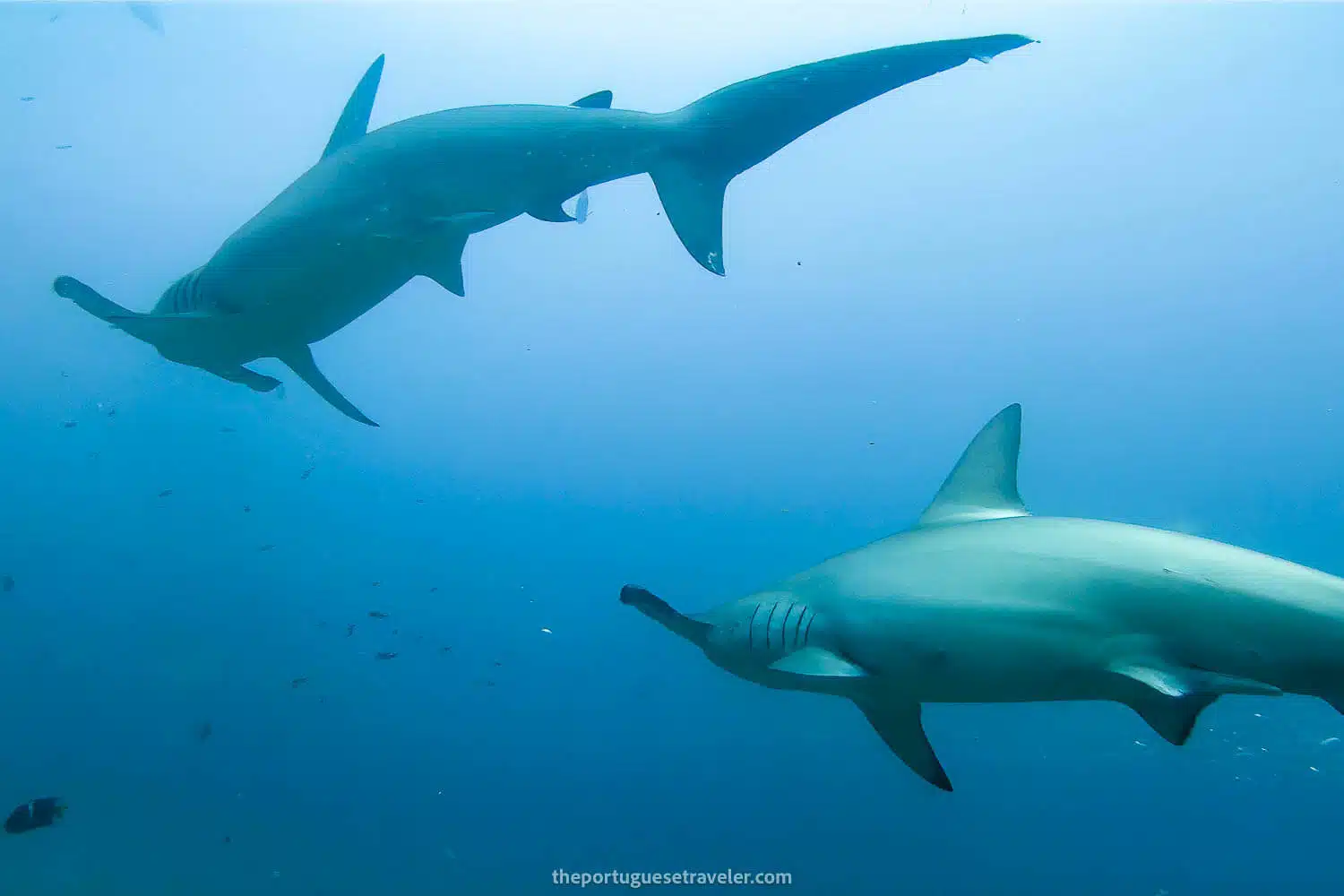
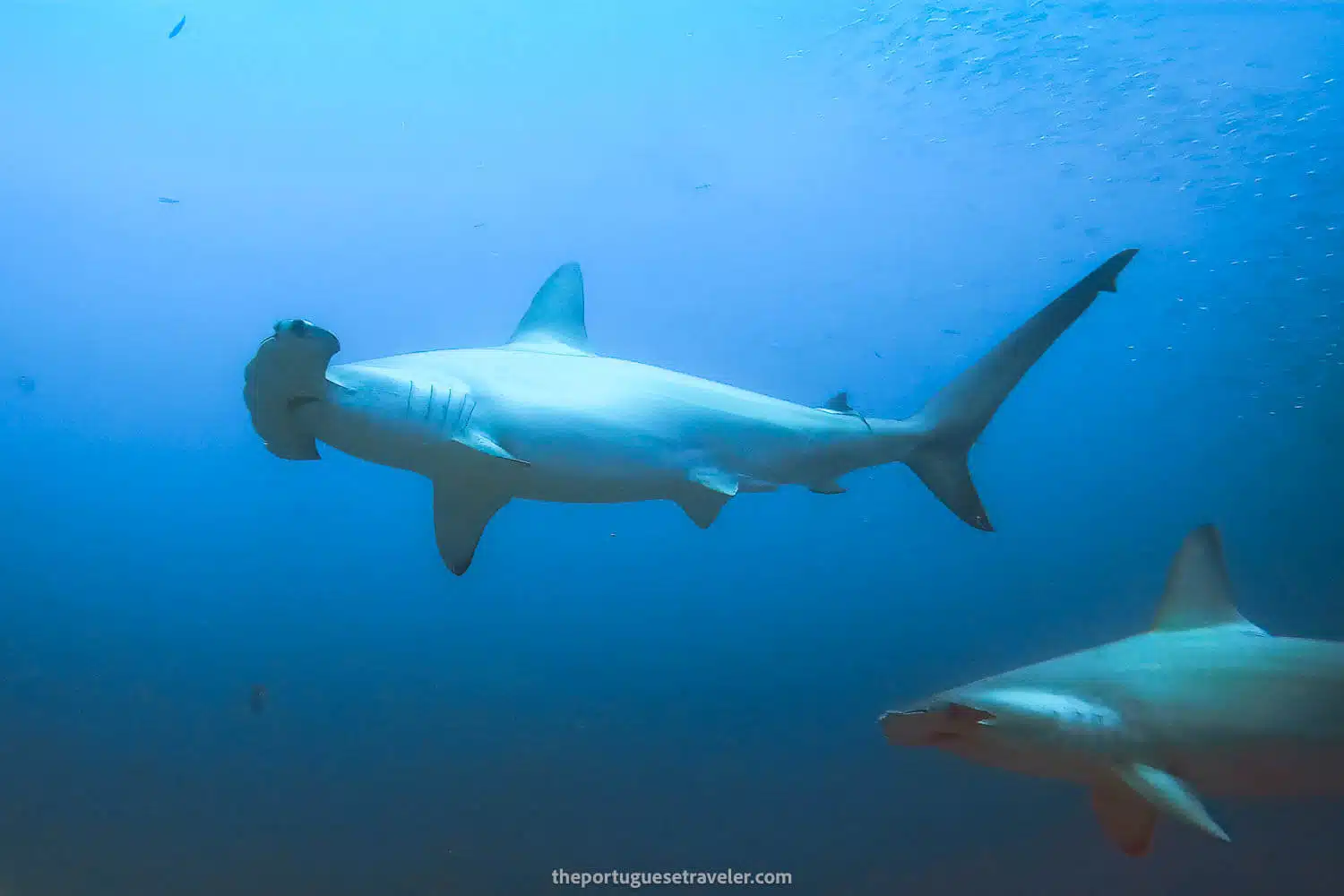
This is also the season I’ve always chosen for my own trips to the Galapagos. Underwater, I still had some amazing encounters—hammerheads, Galapagos and reef sharks, rays gliding past, and plenty of turtles. Every dive felt like a wildlife documentary unfolding in front of me. Still, I know the cool/dry season is famous for even more action, with larger schools of hammerheads and higher chances of spotting whale sharks. It’s an experience I haven’t had yet, but one that’s definitely on my list.
Cool/Dry Season (Jun–Nov)
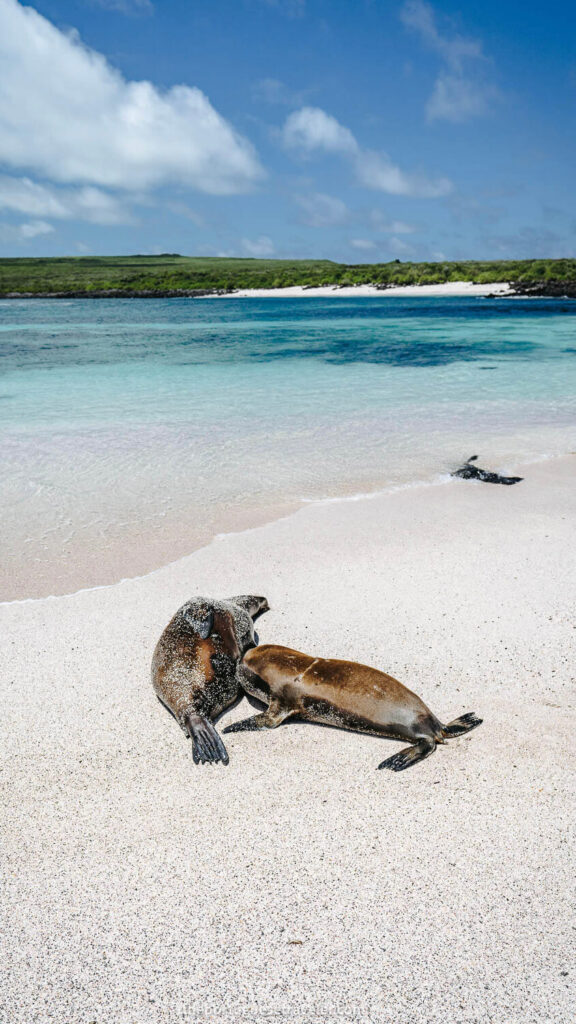
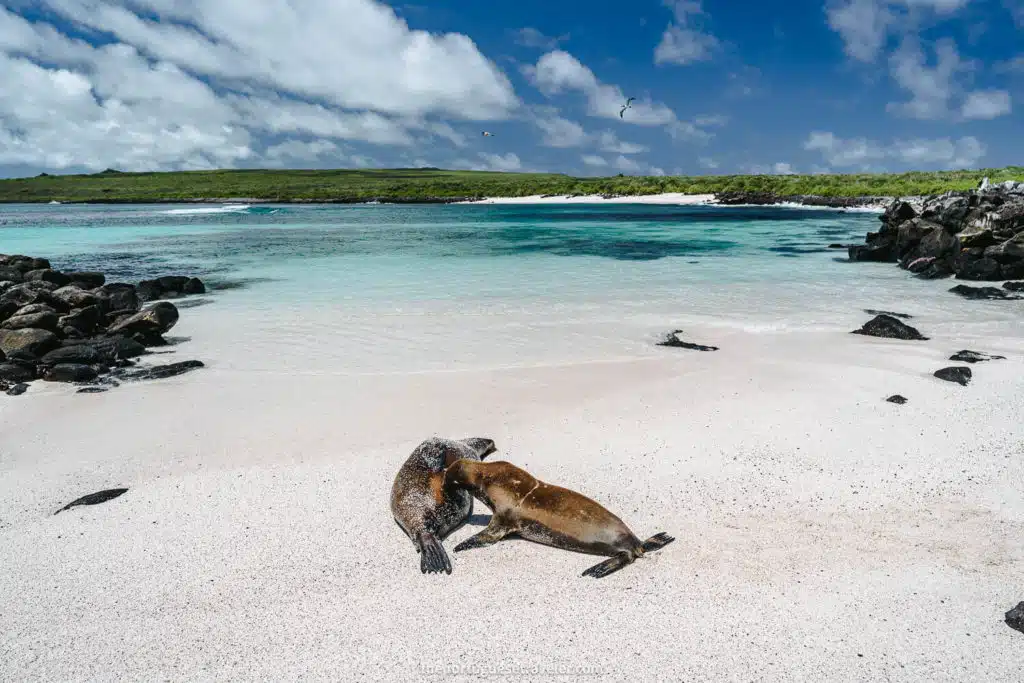
The vibe shifts completely once the Humboldt Current arrives. The air and water are cooler, the seas a little rougher, and the skies often hazy. But this is the season divers dream about: nutrient-rich waters attract huge marine life, from massive schools of hammerheads to manta rays and, if you’re lucky, whale sharks. On the islands, it’s also baby season—sea lion pups fill the beaches, playful and noisy, making it one of the most heartwarming sights you’ll ever see.
Travel Guide, Itineraries, Map, Local Tips
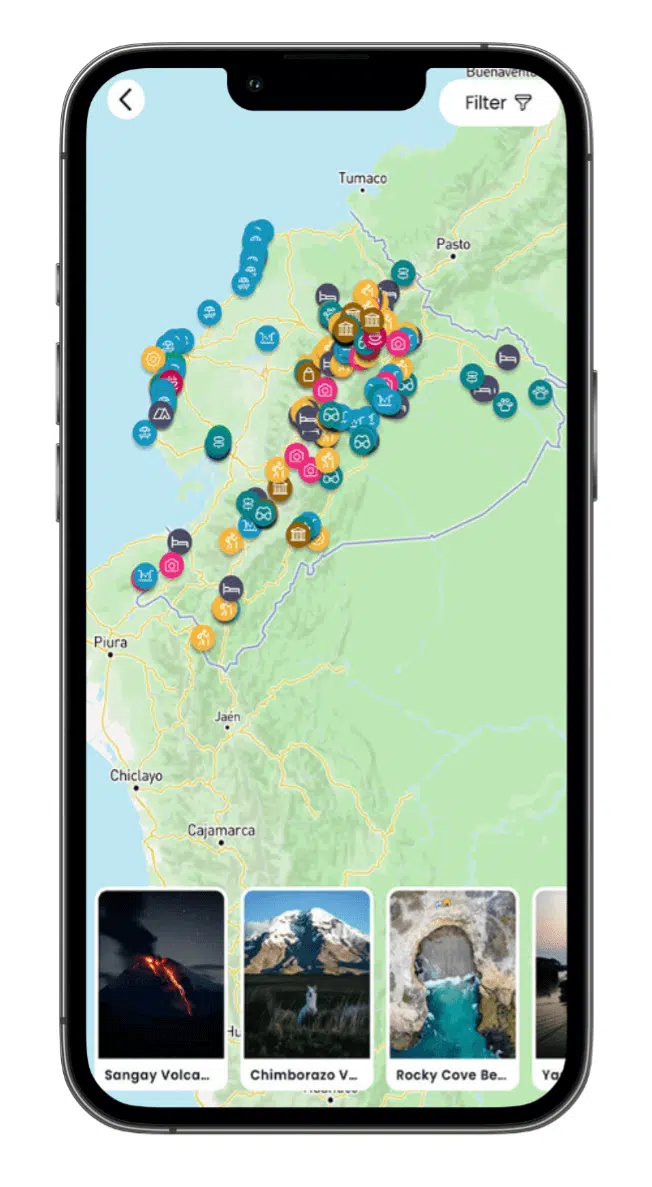
Get access to my curated list of all the best viewpoints, hiking trails, secret waterfalls, diving spots, wildlife tours, accommodations, and more, that will make your trip to Ecuador and The Galapagos unforgettable.
All of this, in an interactive guide featuring a mobile-friendly map, pre-designed itineraries, all my favourite photos, and helpful travel tips to guide your journey in this amazing unexplored country.
If you want personalized advice write me in-app and we can plan it together.

Plan Your Galapagos & South America Trip (Free Quote)
Best Time to Visit the Galapagos Islands for Wildlife
The Galapagos is a year-round wildlife wonderland, but many travelers wonder about the best time to visit the Galapagos Islands to catch the “bucket list” animals. Here are some of the most sought-after species and when they’re at their best:
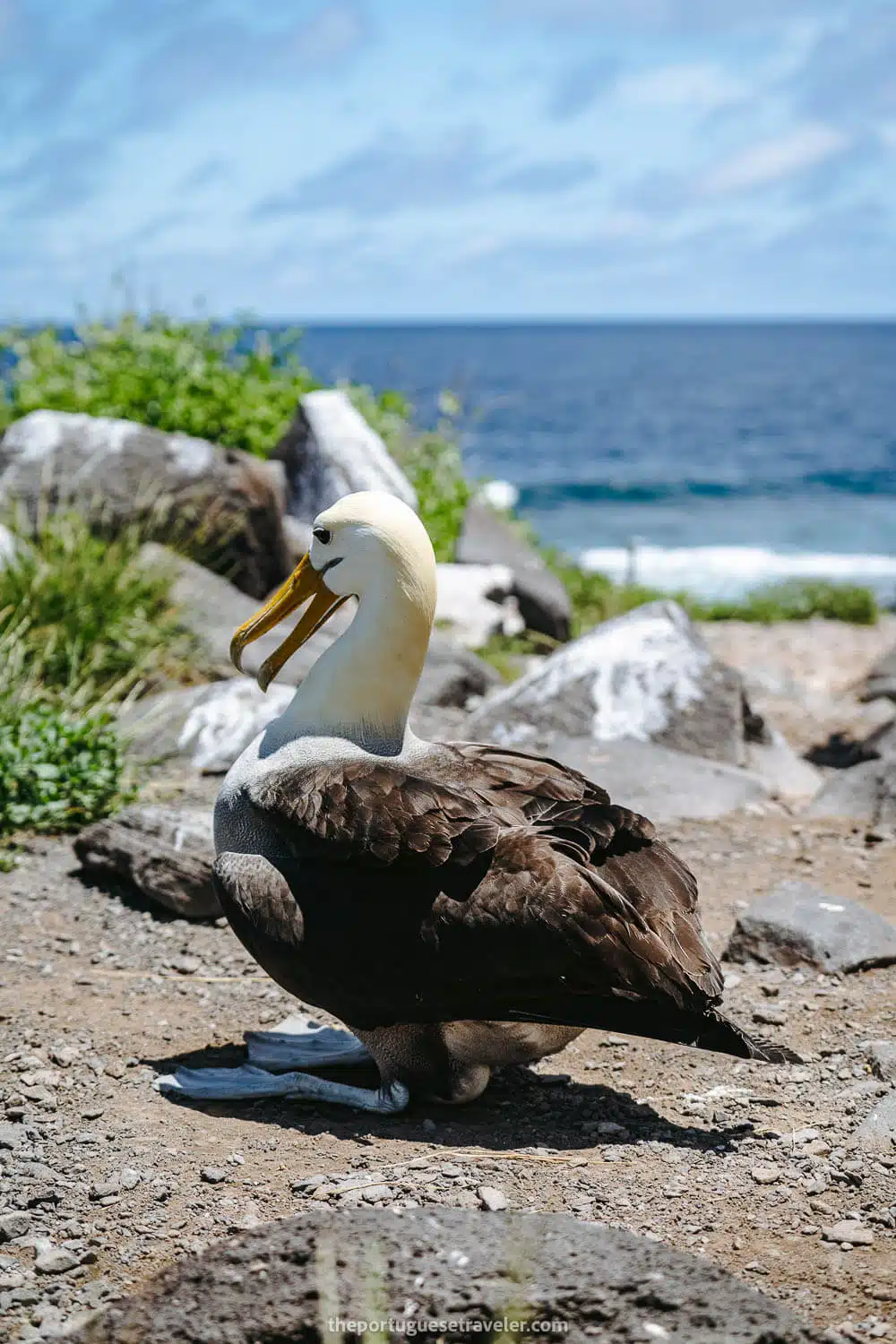
- Waved albatross – on Española from April to December; courtship in April–May, chicks in June–August, fledglings depart in December.
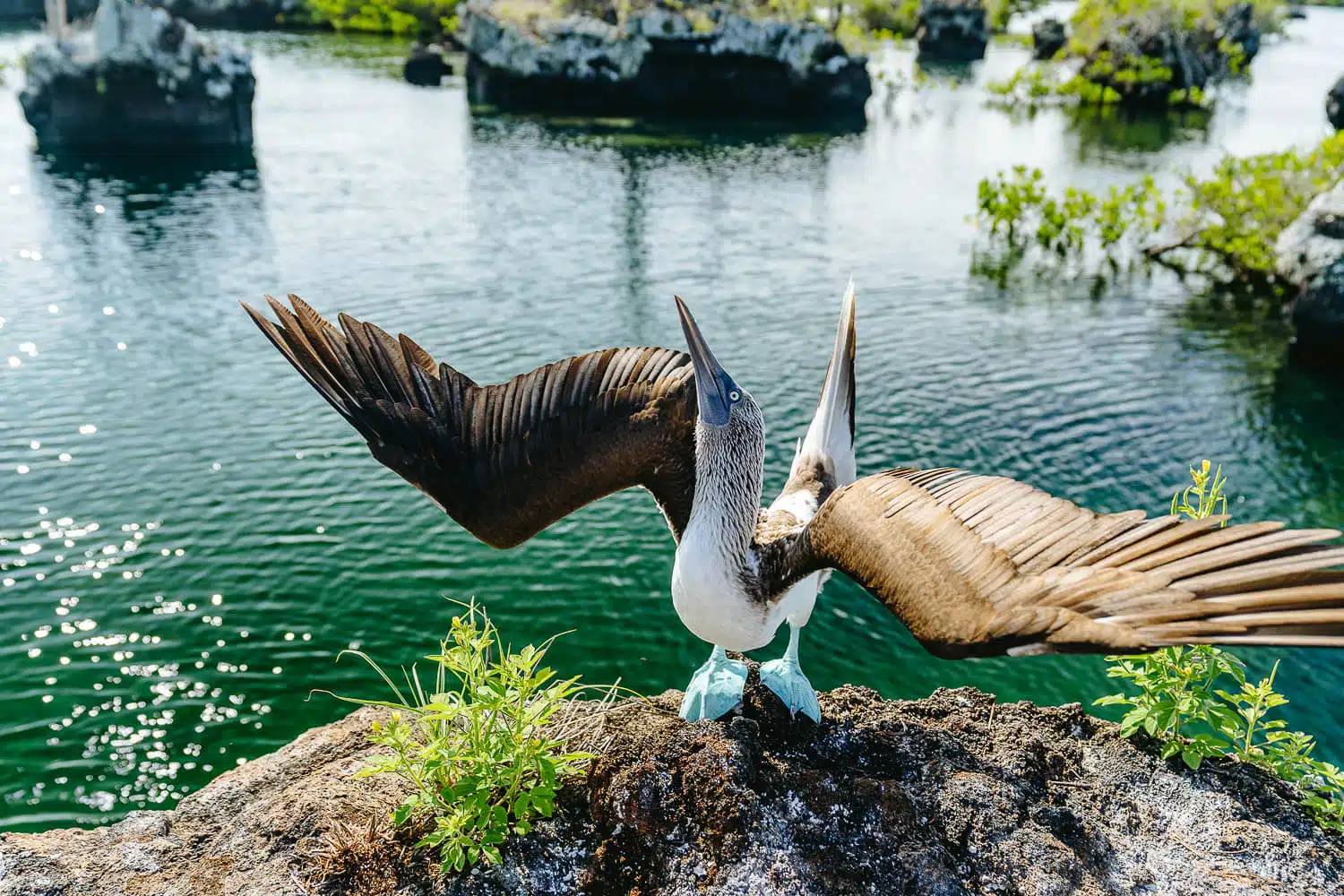
- Blue-footed boobies – courtship dances in April and May, nesting through November, chicks appear in October.
- Giant tortoises – migrations between June and August (down from the highlands) and July–October (back up), egg-laying October–December.
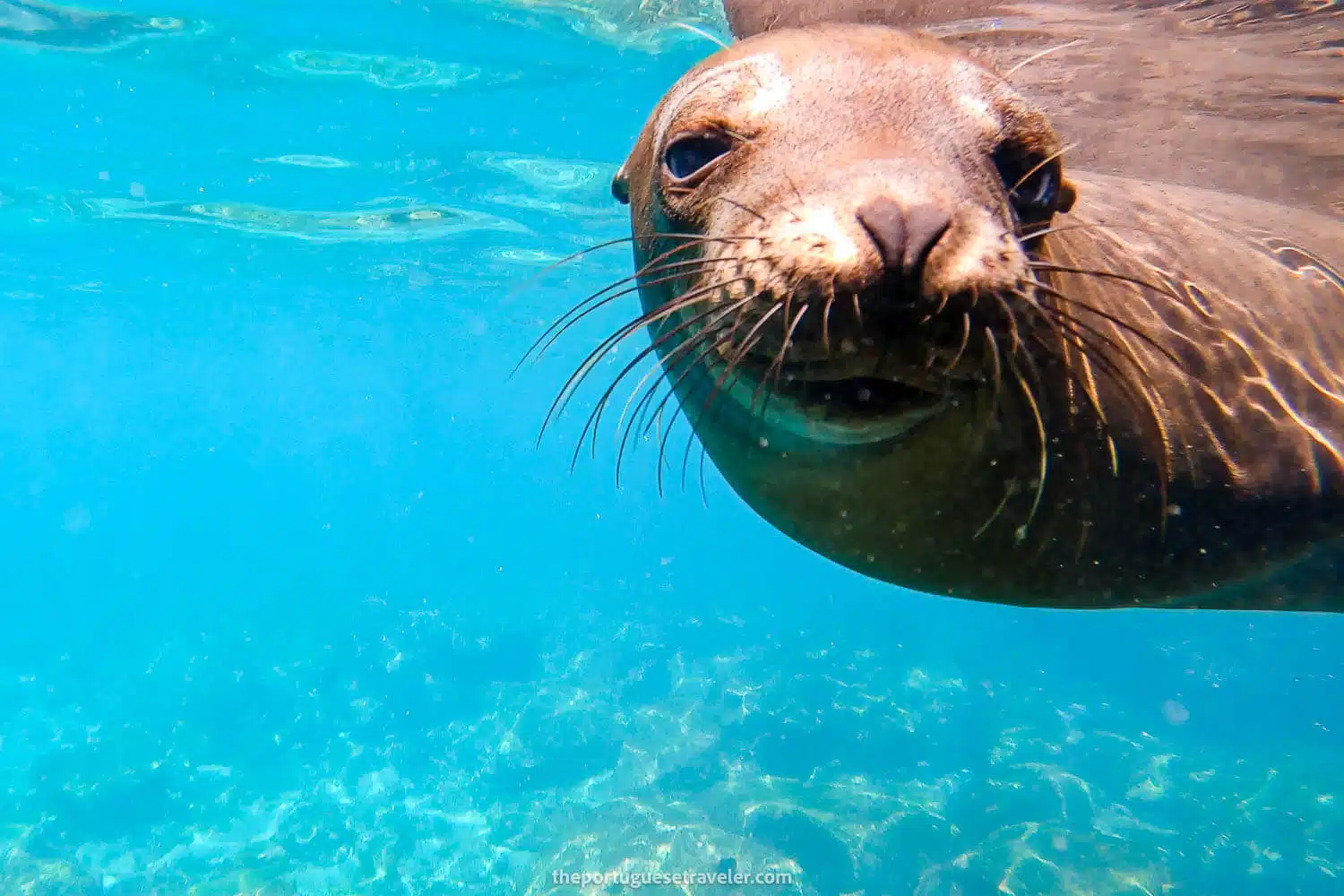
- Sea lions – pupping season August–December, playful pups abundant September–February.
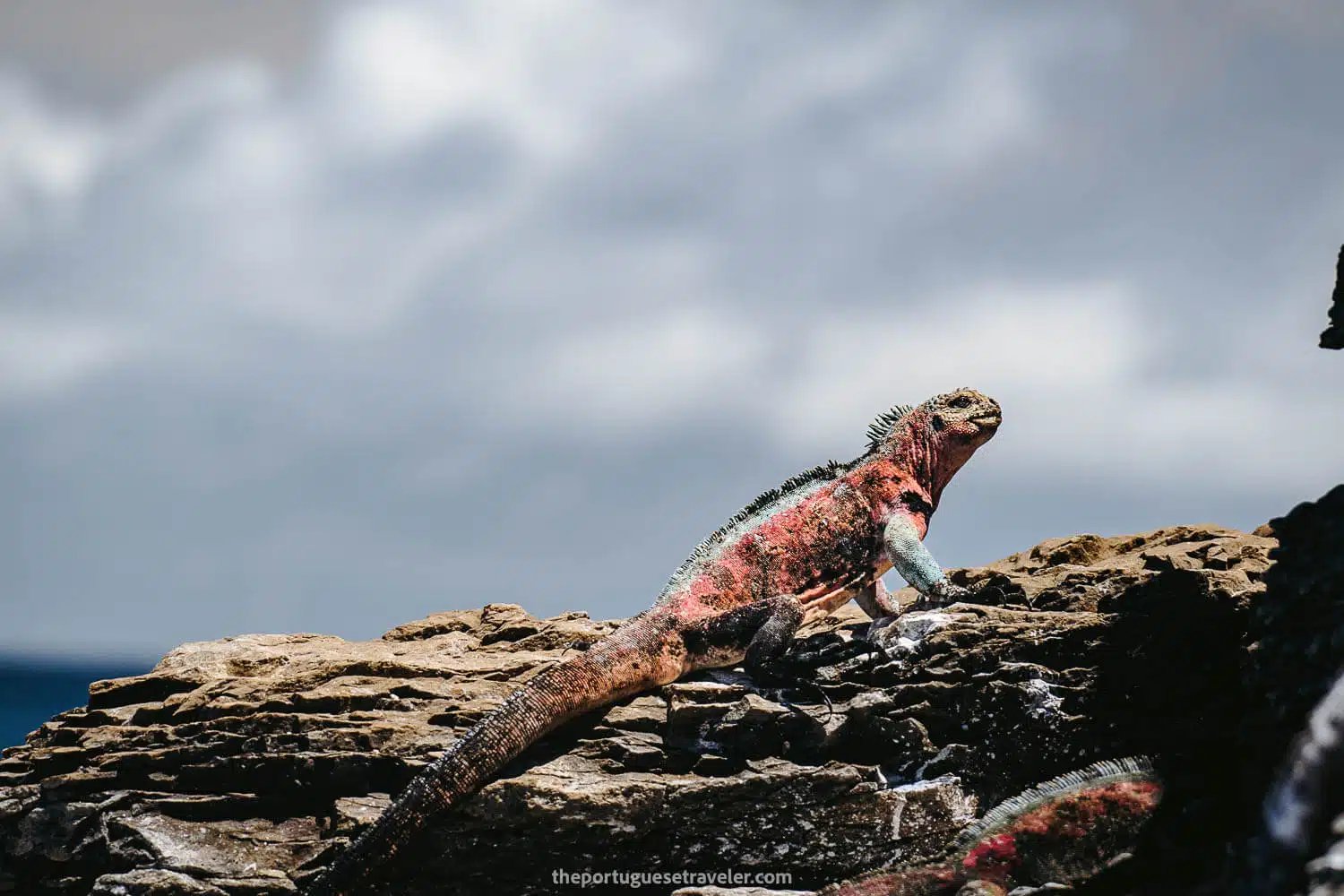
- Marine iguanas – brightest breeding colors on Española in January, mating December–February, nesting and hatchlings March–May.
- Green sea turtles – nesting January–March, hatching April–June, mating November–December.
- Whale sharks – best chance at Darwin and Wolf islands from June to November.
- Hammerhead sharks – schooling around Darwin and Wolf, especially June–November.
- Manta rays – most common around the central islands from December to May.
So if one of these species is on your wishlist, timing your trip around their natural rhythms can make your visit even more unforgettable.
Year-Round Highlights
- Red-footed and Nazca (masked) boobies nesting
- Flightless cormorants, penguins, and greater flamingos breeding
- Magnificent and great frigatebirds nesting
January
- Darwin’s finches and land birds begin nesting
- Marine iguanas (Española) turn bright green and red
- Pacific green sea turtles start laying eggs
February
- Bahama pintail ducks breeding
- Flamingos nesting
- Galapagos doves at peak nesting
- Penguins move to cooler western waters
March
- Giant tortoises migrate to lower nesting sites
- Red-footed booby chicks (Genovesa)
- Marine iguanas nesting (Fernandina)
- Waved albatross begin arriving after the spring equinox
April
- Waved albatross courtship (Española)
- Sea turtle hatchlings emerge
- Land iguana hatchlings appear
- Brown pelicans nesting (Tagus Cove)
- Blue-footed boobies begin courtship (North Seymour)
May
- Marine iguana hatchlings (Fernandina)
- Galapagos snakes, hawks, and herons hunt baby iguanas
- Large flocks of shearwaters arrive
- Waved albatross mating and egg-laying (Española)
- Storm petrels nesting (Genovesa)
June
- Waved albatross chicks appear
- Humpback whales arrive (through September)
- Blue-footed boobies nesting (through November)
- Bryde’s whales active near Kicker Rock (through November)
- Whales and dolphins common across the islands
- Whale sharks and hammerheads are more frequent at Darwin and Wolf
July
- Peak waved albatross chick season
- Giant tortoises migrate back to Santa Cruz highlands
- American oystercatchers nesting
- Common gallinules nesting
August
- Sea lion pups born
- Galapagos hawks courting (Española, Santiago, Fernandina)
- Swallow-tailed gulls nesting peak (Genovesa)
- Giant tortoises are abundant in the Santa Cruz highlands
September
- Galapagos hawks nesting (through October)
- Sea lion pupping and breeding season (through December)
- Penguins courting (Bartolomé)
- Most seabirds at nesting sites
- Peak whale shark and hammerhead activity (Darwin/Wolf)
October
- Lava herons nesting
- Fur seal breeding (through December)
- Giant tortoises laying eggs (Santa Cruz)
- Blue-footed booby chicks appear
November
- Brown noddy terns breeding
- Storm petrels begin second nesting season
- Sea lion pups are playful and curious
- Pacific green sea turtles mating in the water
- Last peak month for whale sharks and hammerheads
December
- Waved albatross fledglings depart Española
- Marine iguanas begin mating (through February)
- Sea lion pups are abundant in the central and southern islands
- Giant tortoises are still laying eggs (through March)
- Bryde’s whales and dolphins are active across the archipelago
- Manta rays are more frequent around the central islands
Whenever you visit, the Galapagos delivers incredible encounters—but if you dream of massive schools of hammerheads, a beach filled with newborn sea lions, or the clumsy dances of albatross couples, timing your trip will make your adventure even more magical.
If you want more information about the Galapagos Wildlife, check the official Galapagos Conservation Trust Website
Best Time to Visit the Galapagos Islands for Activities
When planning your trip, it’s not just about the wildlife—you’ll also want to think about the kinds of activities you’re most excited to do. Whether it’s slipping into the water with sea lions, photographing dramatic volcanic landscapes, or simply enjoying a quiet walk along a beach, the Galapagos offers something unforgettable year-round. Deciding the best time to visit the Galapagos Islands really depends on your priorities, since each season has its own perks for different kinds of adventures.
Snorkeling & Diving
For anyone who can spend hours in the water, the warm season (December–May) is close to perfect. The seas are generally calmer, the visibility is excellent, and the warmer temperatures make long snorkel sessions comfortable. This is also the season when colorful reef fish, playful sea lions, and sea turtles are especially easy to spot in the shallows.
On the other hand, divers often prefer the cool season (June–November). The currents bring in a surge of nutrients that attract larger marine life, making it the prime time for sightings of whale sharks, hammerheads, and manta rays around the northern islands. The water is cooler and a bit choppier, but for big-animal encounters, this season is hard to beat.
Hiking & Photography
Both seasons have their own kind of beauty on land. During the wet season, the islands are lush and green, with wildflowers and fresh vegetation creating striking backdrops for wildlife. This is also the time when many land animals are nesting, so you’ll have plenty of opportunities to capture intimate moments of courtship and new life.
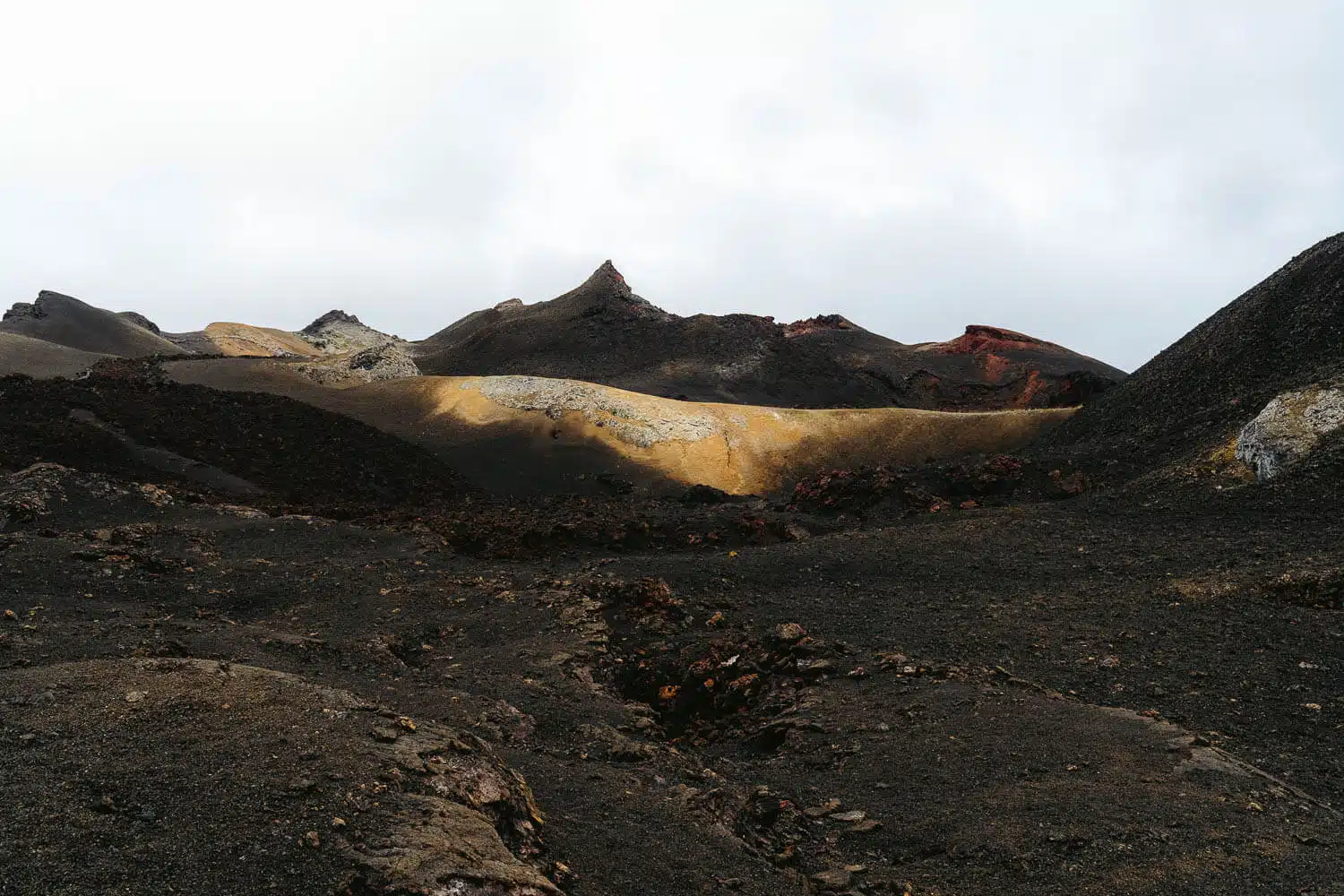
In the dry season, the landscapes transform—drier, more rugged, with golden light and moody skies that are a dream for photographers looking for dramatic contrasts. Trails are usually less muddy, making hikes a little easier, and the cooler air can make longer walks more comfortable.
Relaxing & Day Tours
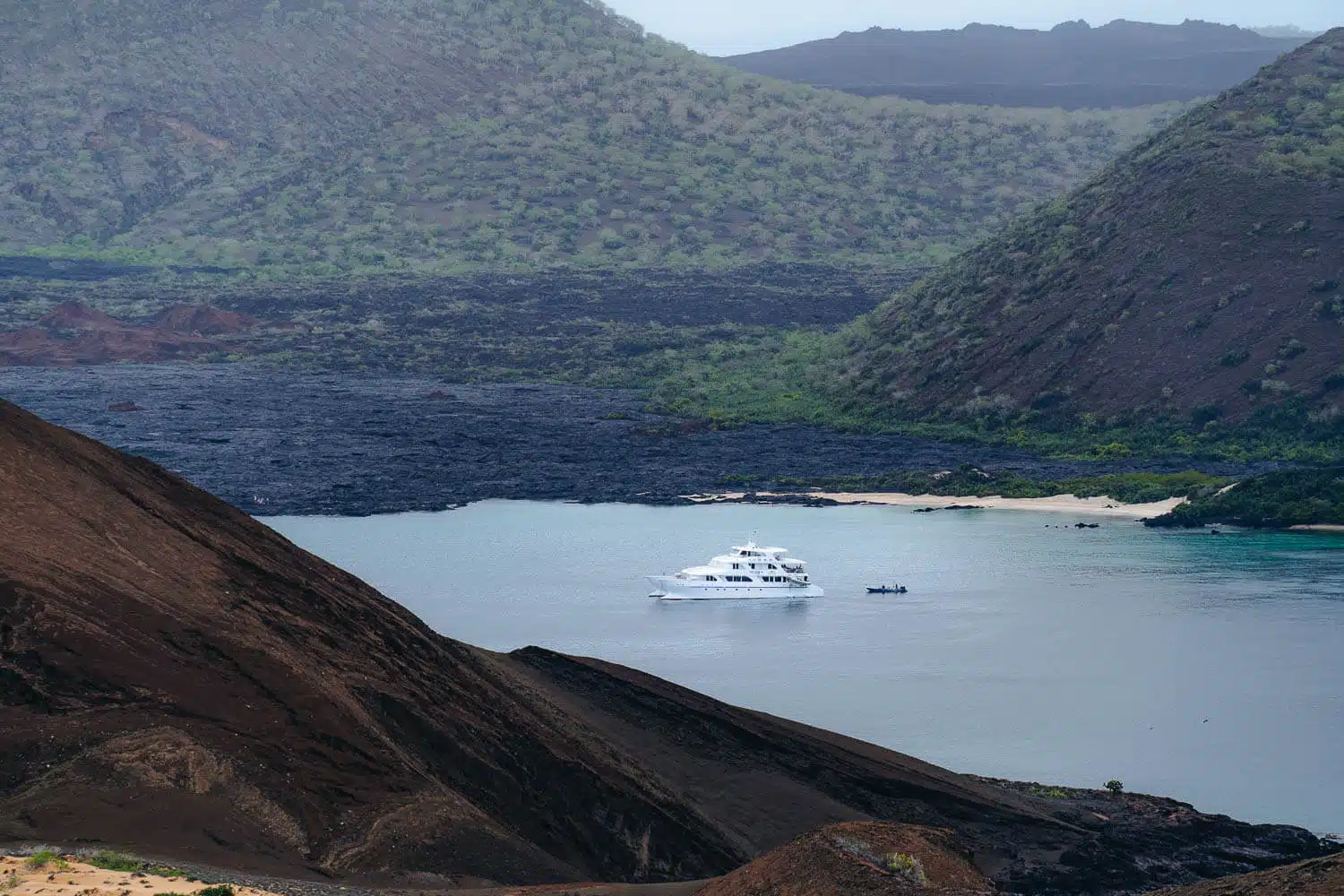
Not every trip needs to be packed with action, and the Galapagos is just as magical if you take it slow. The warm season (December–May) is especially pleasant for those who prefer relaxation, since the weather is sunnier and the seas are calmer, making inter-island boat rides much smoother. This is also the most comfortable time for leisurely day tours, whether it’s visiting a giant tortoise reserve, exploring a lava field, or simply strolling through a local town before unwinding on a quiet beach.
Best Time to Visit the Galapagos for Prices and Crowds
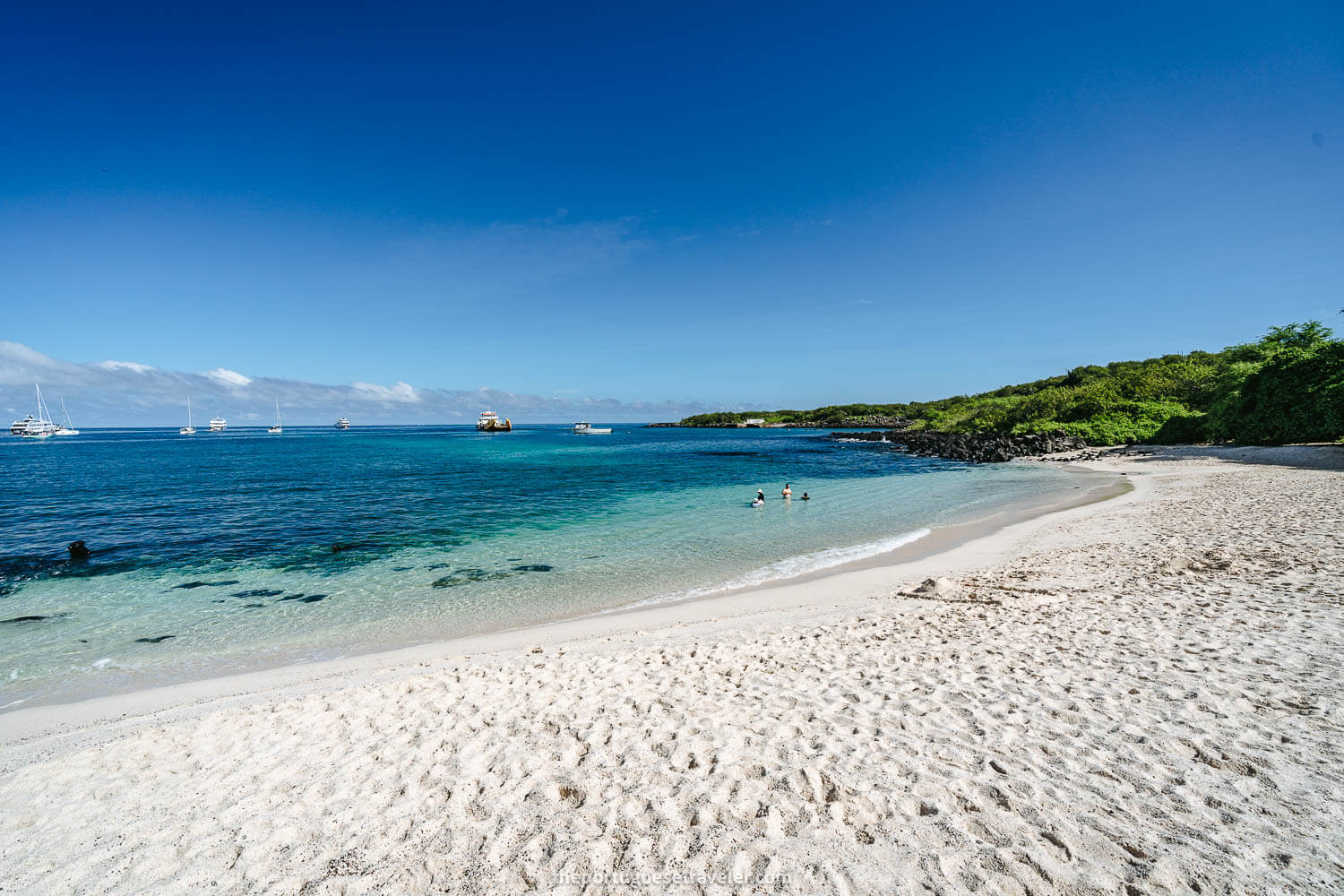
Timing affects not just the experience but also your budget. The busiest (and most expensive) times are around Christmas, New Year, Easter, and the northern summer months (June–August). Flights and cruises often sell out months in advance. By contrast, September, October, and early December tend to be much quieter—hotels have more availability, tours are easier to arrange, and prices are often lower.
If you’re flexible, traveling just before or after these peak periods can be ideal. These “sweet spot months” balance good weather, exciting wildlife activity, and smaller crowds, making them some of the most rewarding times to explore the islands.
Events in the Galapagos
The Galapagos isn’t a festival-driven destination in the traditional sense, but throughout the year, there are several local celebrations tied to island identity, conservation, and community life. If your trip overlaps with one of these dates, you may notice parades, cultural events, or special activities—mostly centered around the inhabited islands.
February
- Galapagos Provincialization Day (February 12)
This date commemorates the provincialization of the Galapagos. Celebrations take place mainly in Santa Cruz and San Cristobal, with civic parades, colorful floats, cultural performances, nautical competitions, cycling events, and artistic programs. It’s one of the liveliest periods of the year locally, without significantly affecting tourism logistics.
- Cantonization of Santa Cruz & San Cristobal (February 18)
A few days later, Santa Cruz and San Cristobal celebrate their cantonization. Expect community-focused festivities, including civic parades, music and dance performances, sports events, and public celebrations that reflect everyday island life rather than large-scale tourism festivals.
March
- Discovery of the Galapagos (March 10)
This date marks the accidental discovery of the islands in 1535 by Fray Tomás de Berlanga. The occasion is usually recognized with artistic, cultural, and gastronomic events, as well as sporting activities aimed at both locals and visitors.
- Cantonization of Isabela (March 16)
Isabela Island celebrates its cantonization with civic and military parades, popular dances, artistic presentations, floats, and sporting competitions. If you’re staying on Isabela around this time, it’s a great opportunity to see a more local, community-driven side of the islands.
April
- International Earth Day (April 22)
Earth Day holds special meaning in the Galapagos. Activities often focus on environmental awareness, conservation efforts, and community initiatives. Events may include educational programs, clean-up actions, and sports activities promoting sustainability.
June
- World Environment Day (June 5)
Organized mainly by the Galapagos National Park, this day features environmental activities such as native species planting, ecological restoration projects, and conservation-focused initiatives, particularly around Santa Cruz.
July
- Creation of the Galapagos National Park (July 4)
On July 4, the islands commemorate the creation of the Galapagos National Park in 1959, Ecuador’s first protected area. The date is marked with scientific presentations, conservation reports, cultural activities, and artistic performances highlighting the importance of protecting the archipelago.
September
- Galapagos as a UNESCO World Heritage Site (September 8)
This celebration honors Galapagos’ designation as a Natural World Heritage Site. Activities often include civic programs, educational events, cultural contests, mural unveilings, and music and dance performances.
- International Tourism Day (September 27)
Throughout September, the islands mark International Tourism Day with cultural, educational, environmental, sporting, and gastronomic events, often involving both residents and visitors.
- Lobster Festival (late September)
One of the most distinctive local events, the Lobster Festival celebrates a key Galapagos product while promoting responsible fishing and consumption. Events typically include live cooking, lobster-based dishes, food fairs, open houses, and the “Lobster Route”, making it a highlight for travelers interested in local cuisine.
October
- Coffee Festival (early October)
Galapagos’ highland coffee production is celebrated with a festival that brings together local farmers. Visitors can attend open houses, taste local coffee, and visit farms to learn about the process from cultivation to packaging.
Accommodation Options for your Galapagos Trip
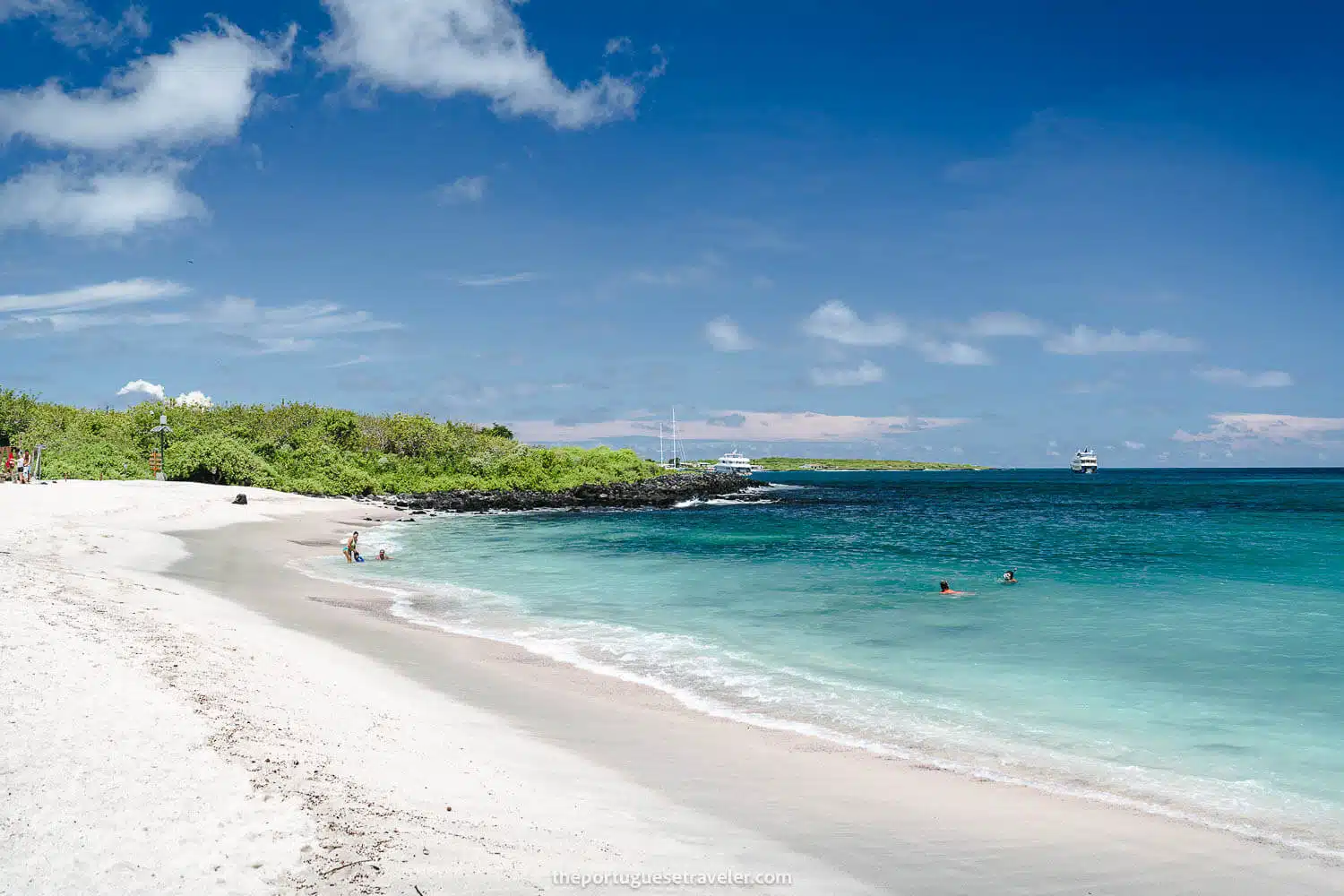
Where you stay in the Galapagos can really shape your experience. You can choose a cruise, which doubles as your floating hotel, or land-based stays on islands like Santa Cruz, San Cristobal, and Isabela, ranging from cozy guesthouses to luxury hotels with ocean views.
Personally, I love staying on the islands—it’s magical to wake up to the sound of waves and explore nearby beaches or towns before heading out on day tours. No matter what you choose, booking early is key, especially in high season, to get the best spots and make the most of your trip.
My Experience Visiting the Galapagos Islands
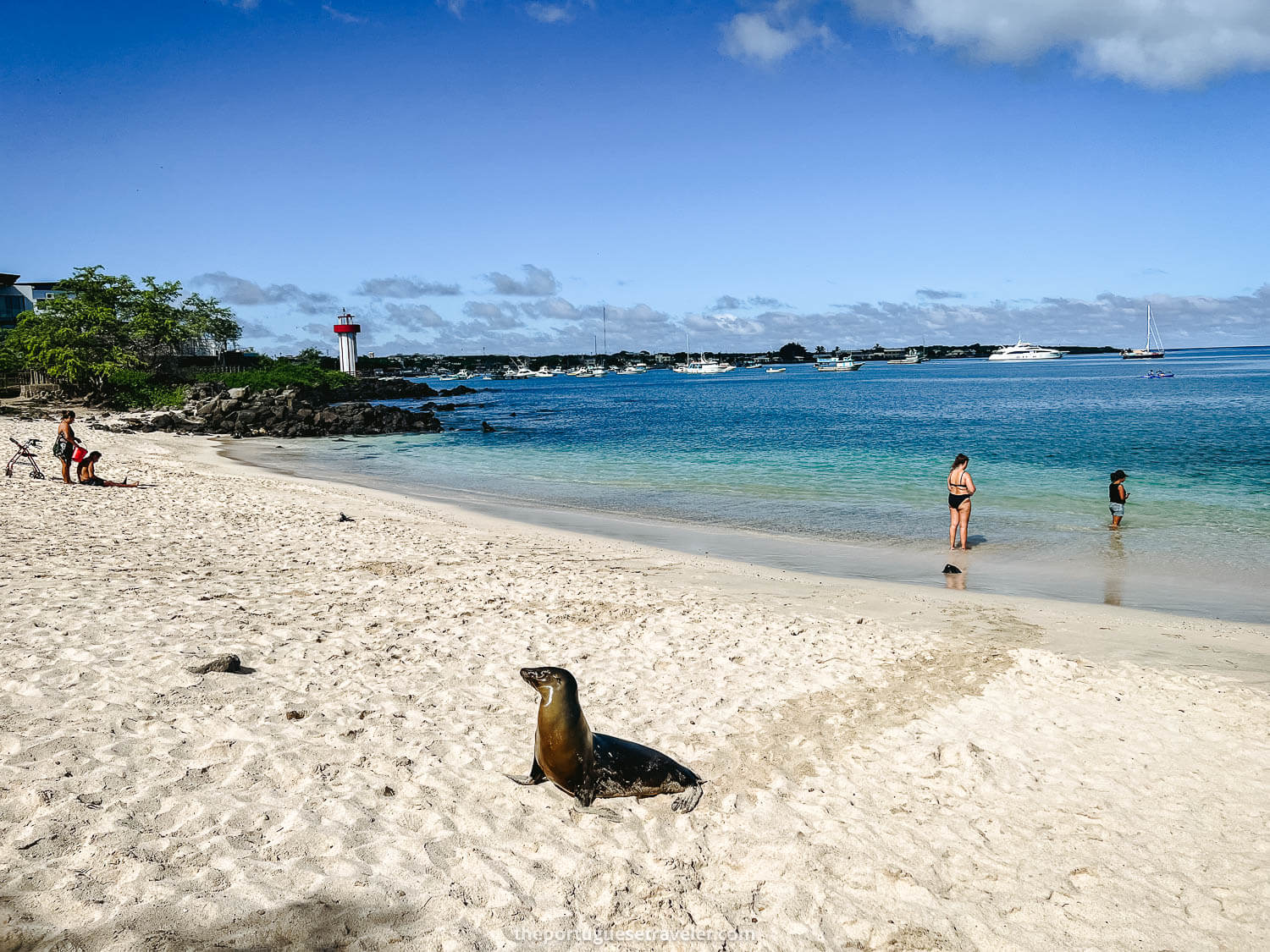
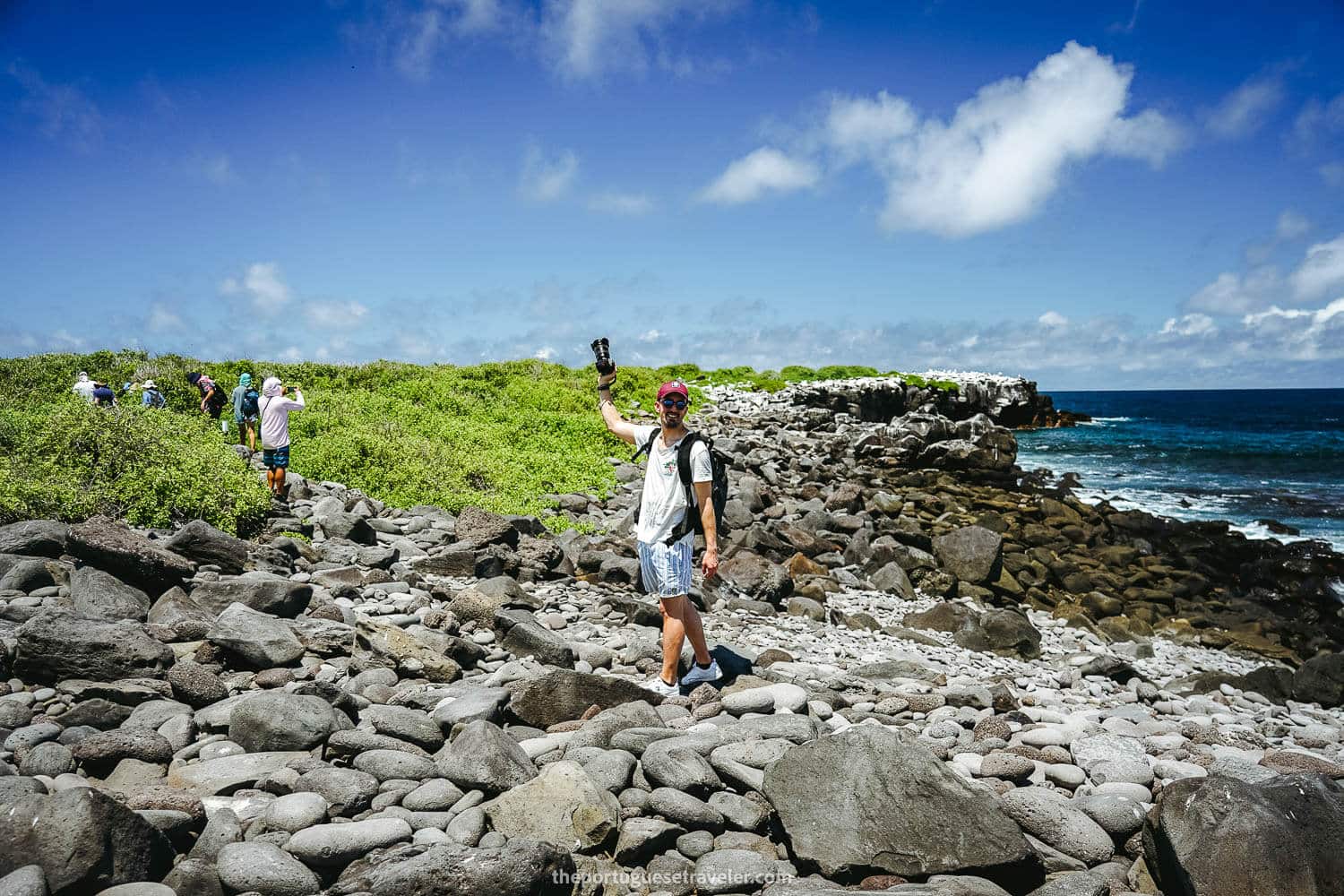
I’ve been to the Galapagos several times, and by coincidence, always around April. The first time, I explored all three main islands, did almost every daily tour to the neighboring islands, and went on several dives. The second time, I stayed with Ecuadorian friends in San Cristóbal—the coziest of the islands, like a small fishermen’s village full of sea lions. Honestly, I could have stayed there for a month; it was so calm and relaxed.
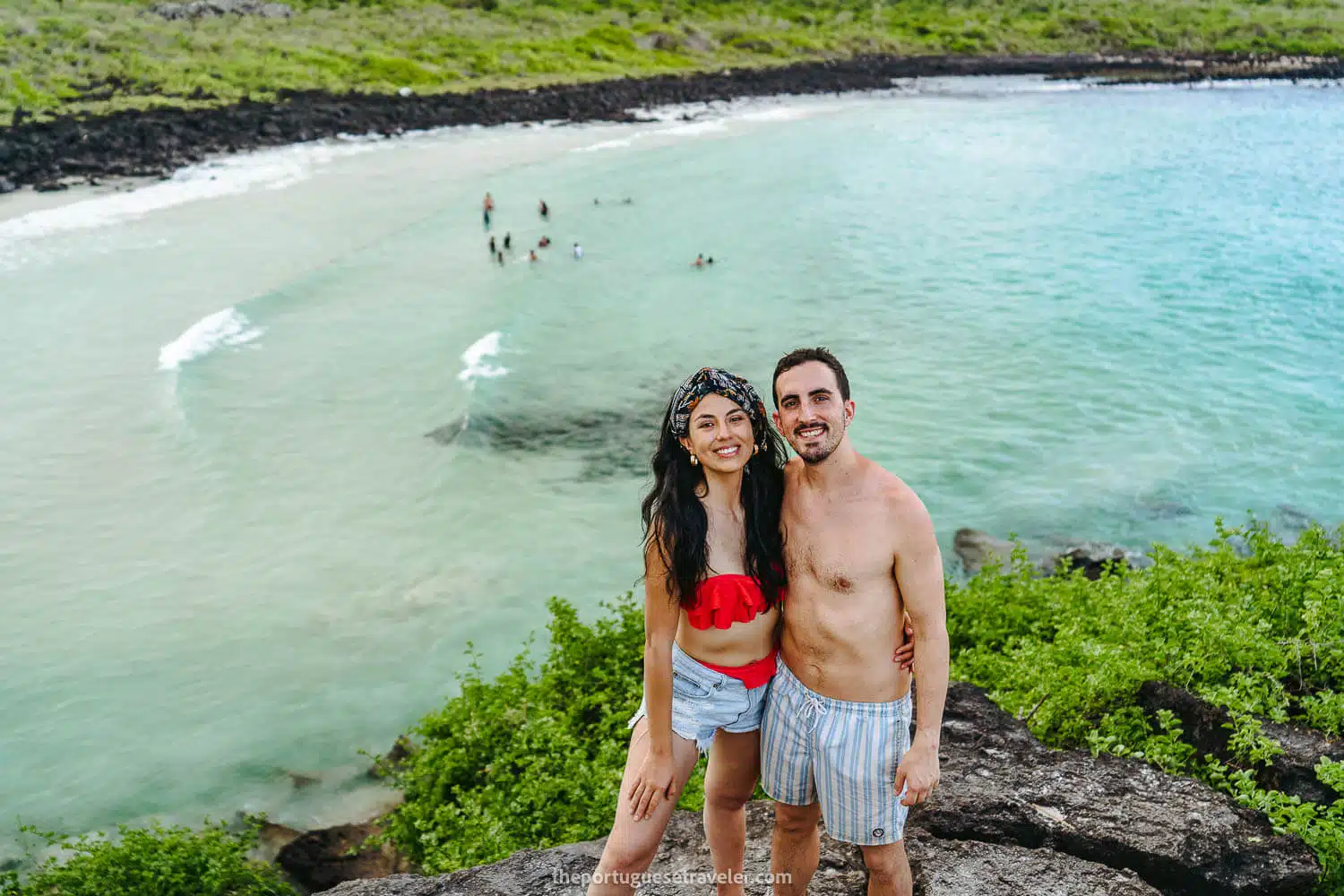
During that second trip, I finally saw hammerheads at Kicker Rock and enjoyed some stunning sunsets and clear skies on the beaches of San Cristobal, perfect for capturing the most beautiful turquoise water photos. I also loved soaking in the local vibe and simply relaxing on the island. I’ll be coming back in January 2026 with my mother, and I’m looking forward to experiencing the same wonderful climate as before, enjoying the islands at a slower pace, and truly appreciating the uniqueness and tranquility of this enchanted archipelago.
Conclusion: When Is the Best Time to Visit the Galapagos Islands?
The truth is, there isn’t a single “best” time—it depends on what matters most to you. If you’re dreaming of calm seas, sunny skies, and endless snorkeling, aim for December to May. If spotting whale sharks and hammerhead schools is your priority, then June to November will give you those unforgettable encounters.
Either way, the Galapagos never fails to impress. Every season has its own magic, and no matter when you go, you’ll return with stories you’ll be telling for years.
If you want some inspiration for planning your trip, I’ve put together a separate article with four suggested Galapagos itineraries—ranging from 4, 5, 7, and 10 days—that you can check out here.
Plan your next adventure with us!
Here are the links we use and recommend to plan your trip easily and safely. You won’t pay more, and you’ll help keep the blog running!



Adventures in Sri Lanka - The Ancient Ceylon
Explore The Galapagos Islands
Hiking in Switzerland & Italy
The Hidden Worlds of Ecuador
ABOUT ME

I’m João Petersen, an explorer at heart, travel leader, and the creator of The Portuguese Traveler. Adventure tourism has always been my passion, and my goal is to turn my blog into a go-to resource for outdoor enthusiasts. Over the past few years, I’ve dedicated myself to exploring remote destinations, breathtaking landscapes, and fascinating cultures, sharing my experiences through a mix of storytelling and photography.
SUBSCRIBE
Don’t Miss Out! Be the first to know when I share new adventures—sign up for The Portuguese Traveler newsletter!
MEMBER OF

RECENT POSTS


COMMUNITY
GUIDES
Need help planning? Get our interactive Ecuador and Galapagos guides with curated itineraries. Learn more…
RELATED POSTS
TRAVEL INSURANCE
Lost luggage, missed flights, or medical emergencies – can you afford the risk? For peace of mind, I always trust Heymondo Travel Insurance.
Get 5% off your insurance with my link.