
Galapagos Rules and Regulations

João Petersen · Last updated September 2, 2026
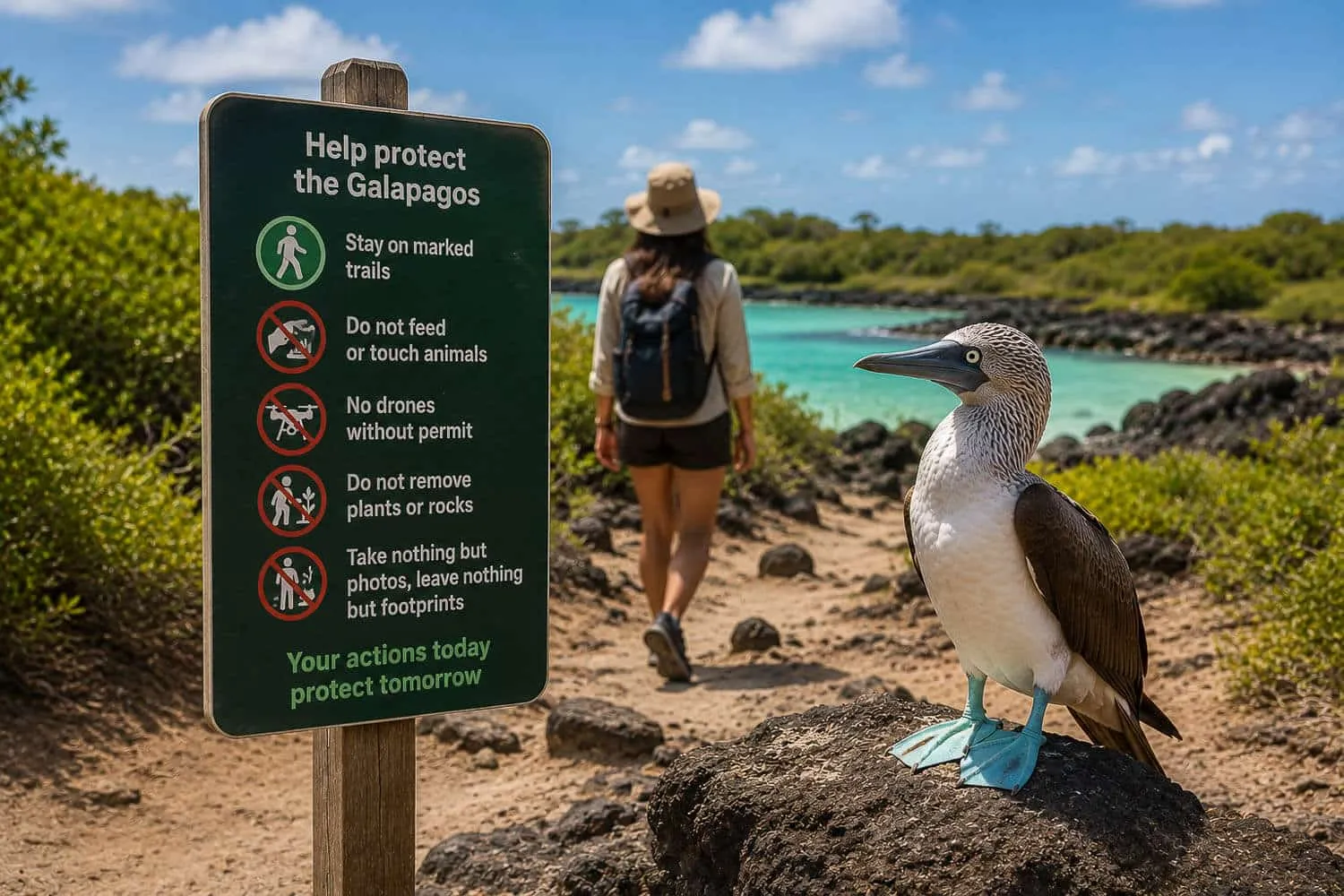
The Galapagos rules and regulations apply almost everywhere a visitor goes. About 97% of the islands is National Park, and the same rules cover you on a cruise ship and in a hotel in town. This page covers two things: the paperwork you need before you fly, and the rules for how to behave once you are on the islands.
The rules exist because many animals here do not run from people. That only stays true if visitors keep their distance.
Your Galapagos Islands Essentials - Quick Guide
Short on time? This quick Galapagos guide will help you plan.
Where to Stay:
- – Finch Bay Galapagos Hotel (Santa Cruz Island)
- – Golden Bay Galapagos Hotel (San Cristobal Island)
- – Hotel Iguana Crossing (Isabela Island)
Must-Do Experiences:
- – 360 Tour (San Cristobal highlights by boat)
- – Kicker Rock Tour (Full-day snorkeling tour to Kicker Rock)
- – Bartolome Island Tour (Iconic views and marine life)
- – Floreana Island Tour (Snorkel, fishing and history)
- – Sierra Negra Volcano Tour (Half-day guided hike on Isabela Island)
- – Los Tuneles Tour (Snorkeling tour on Isabela Island)
The links in this box are affiliate links.
Tours sell out fast. Book early and plan a backup day.
Why the Galapagos Rules and Regulations Exist
The Galapagos became Ecuador’s first National Park in 1959, and UNESCO named the islands a World Heritage Site in 1978. The Galapagos National Park Directorate (GNPD) manages the archipelago together with the Charles Darwin Foundation. The rules cover everything from how close you can stand to a marine iguana to how many people can visit a site at once.
Tourism has grown a lot since the 1960s, and hundreds of thousands of people now visit each year. That brings money to Ecuador and to conservation, and it is also why the rules matter. While you are there, you are looking after the ecosystem.
Galapagos Entry Regulations: What Happens Before You Land
These are the steps you deal with before you reach any visitor site. Most articles about park rules skip them.
- Transit Control Card (TCT): A mandatory card that costs $20. You can buy it online on the government portal before you travel and show the QR code at the Consejo de Gobierno counter in the Quito or Guayaquil airport before you check in. You can also pay the $20 at the counter. Check the official site before you go. Your luggage is screened at the airport for restricted items like fresh fruit, seeds or plants.
- Galapagos National Park entrance fee: Paid in cash when you arrive at the Baltra or San Cristobal airport. It is $200 for most international adults and $100 for children under 12. The fee is paid once and funds conservation and park management. Fees change, so check current rates with your tour operator.
- Galapagos Biosafety Affidavit: A sworn declaration you complete online up to 48 hours before your flight, confirming that you are not bringing prohibited biological material into the islands.
- Travel and health insurance: Travel insurance is strongly recommended in case of flight delays or missed connections. Ask your tour operator whether they want proof of insurance.
- Passport validity: Most nationalities do not need a visa for stays under 90 days, but your passport must be valid for at least six months beyond your travel dates.
None of this is negotiable. Arrive without the TCT or the affidavit and you will not be allowed to board your flight to the islands.
On my trips the TCT queue was long the first time and empty the second time. The affidavit was quick: I showed my completed form and they gave me a document that I could not lose. I believe you hand it back at the end of your stay. I paid every fee in cash, and my bags went through a scanner without being opened.
The screening was like an airport X-ray, and some bags were opened. I did not see much control of shoes or walking sticks, but that may be something they check.
At San Cristobal airport the park fee was cash only, and there was a queue. After that you collect your bags, and the exit where you can take a taxi into town is about five meters away.

TCT control queue in Quito - you can scan the QR Code and connect to the Wifi at the airport to fill it up
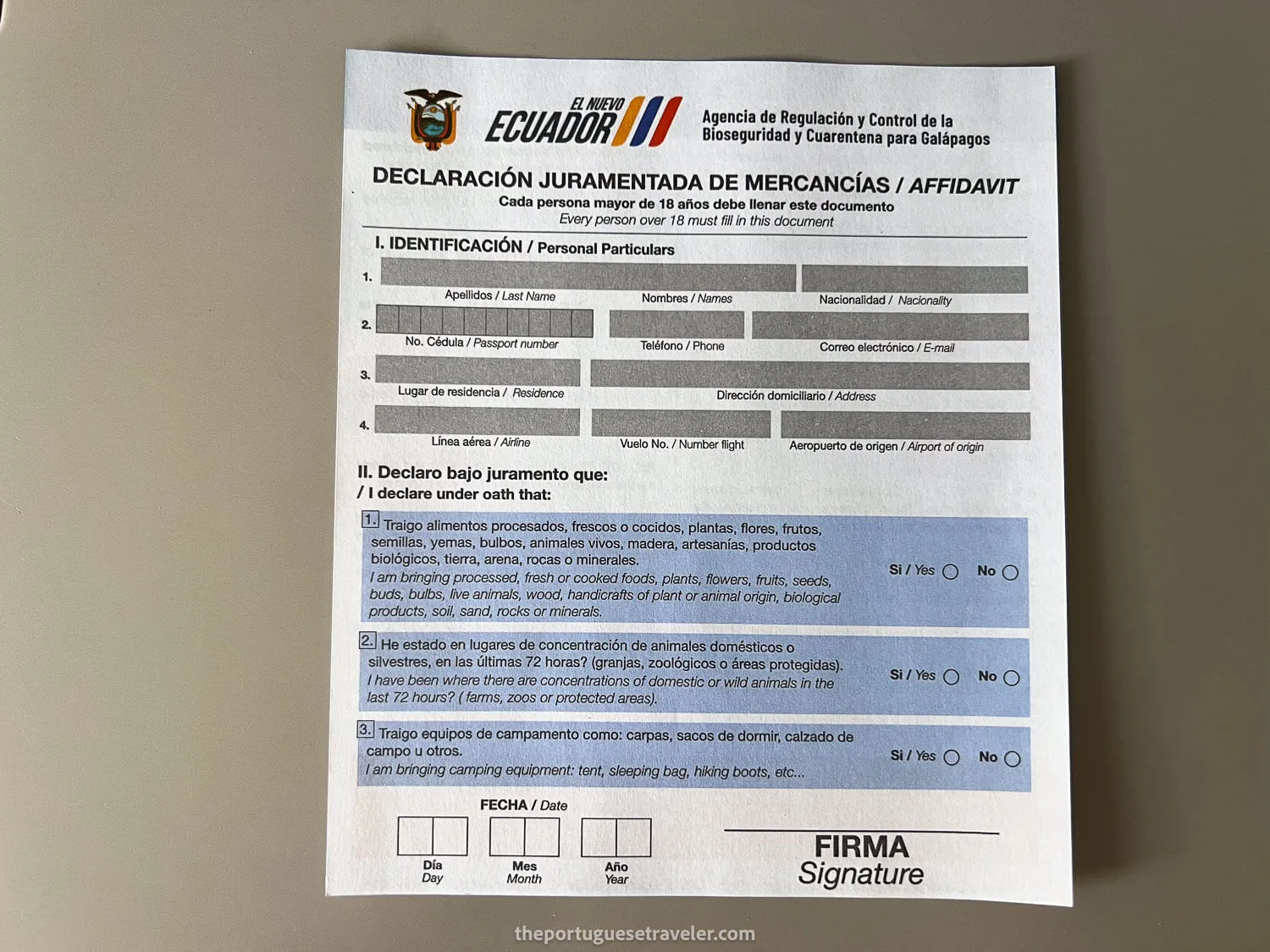
Affidavit document to enter Galapagos - customs declaration of goods

Customs control and luggage screening at Quito Airport - On the right of the terminal’s entrance
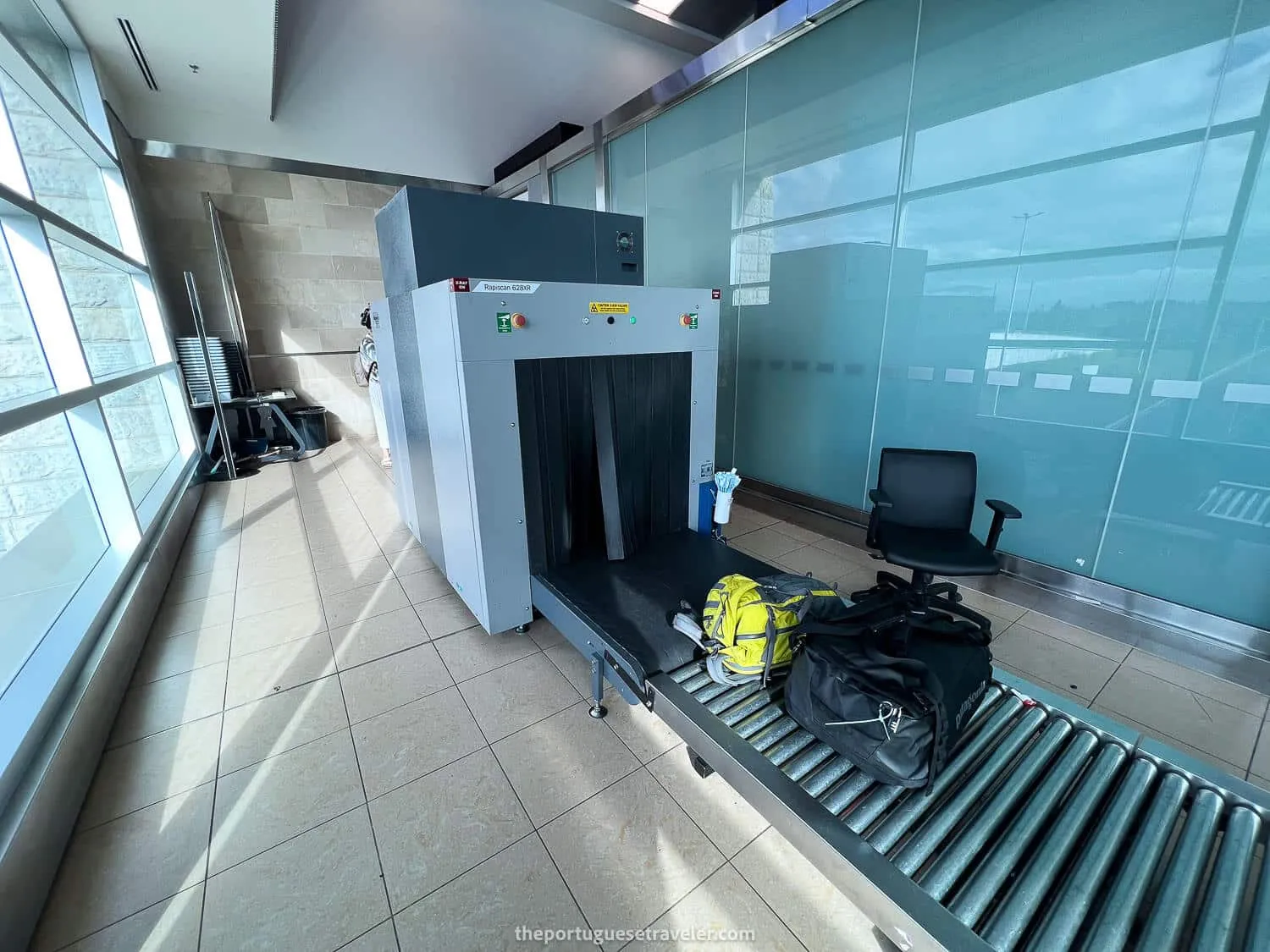
Luggage control at Quito Airport
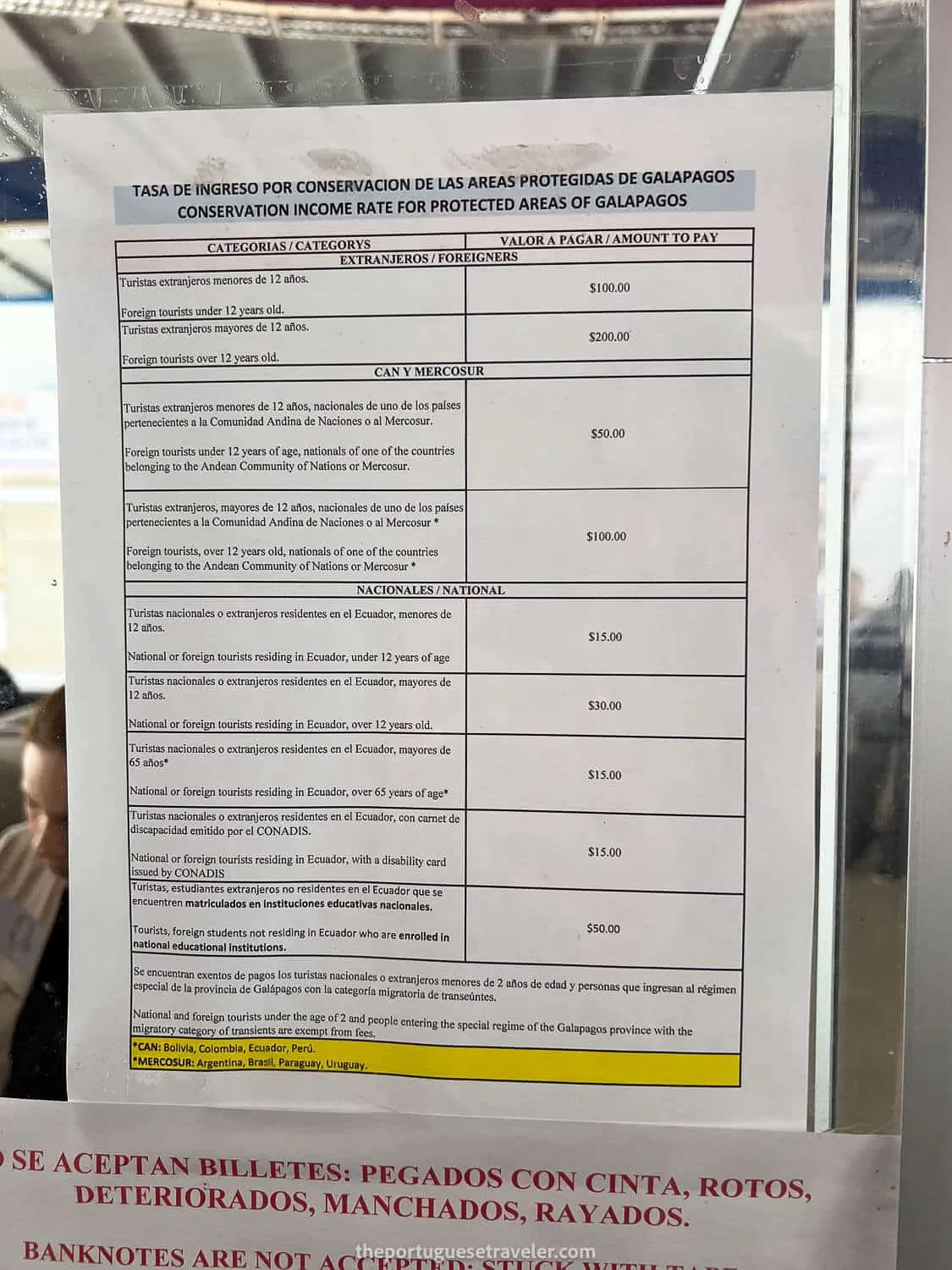
2026 updated prices of the entrance fee to the Galapagos Islands
The Core Galapagos National Park Rules for Wildlife and Behavior
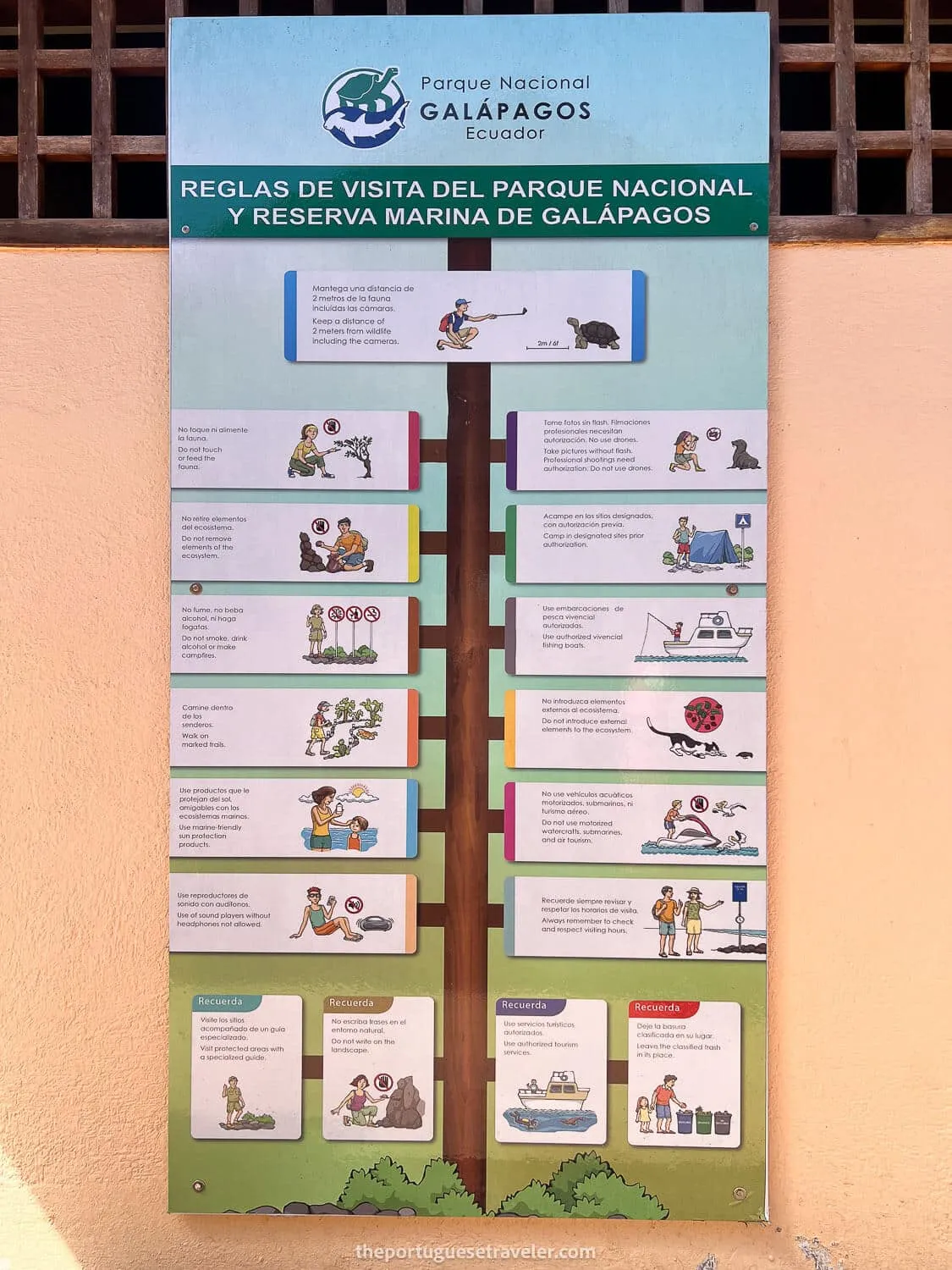
Once you are on the ground, a separate set of rules covers how you behave inside the park. The wording differs a little between the GNPD, the Charles Darwin Foundation and tour operators, but the substance is the same in every official source. The rules are grouped by theme below.
Guides, Boats, and Access
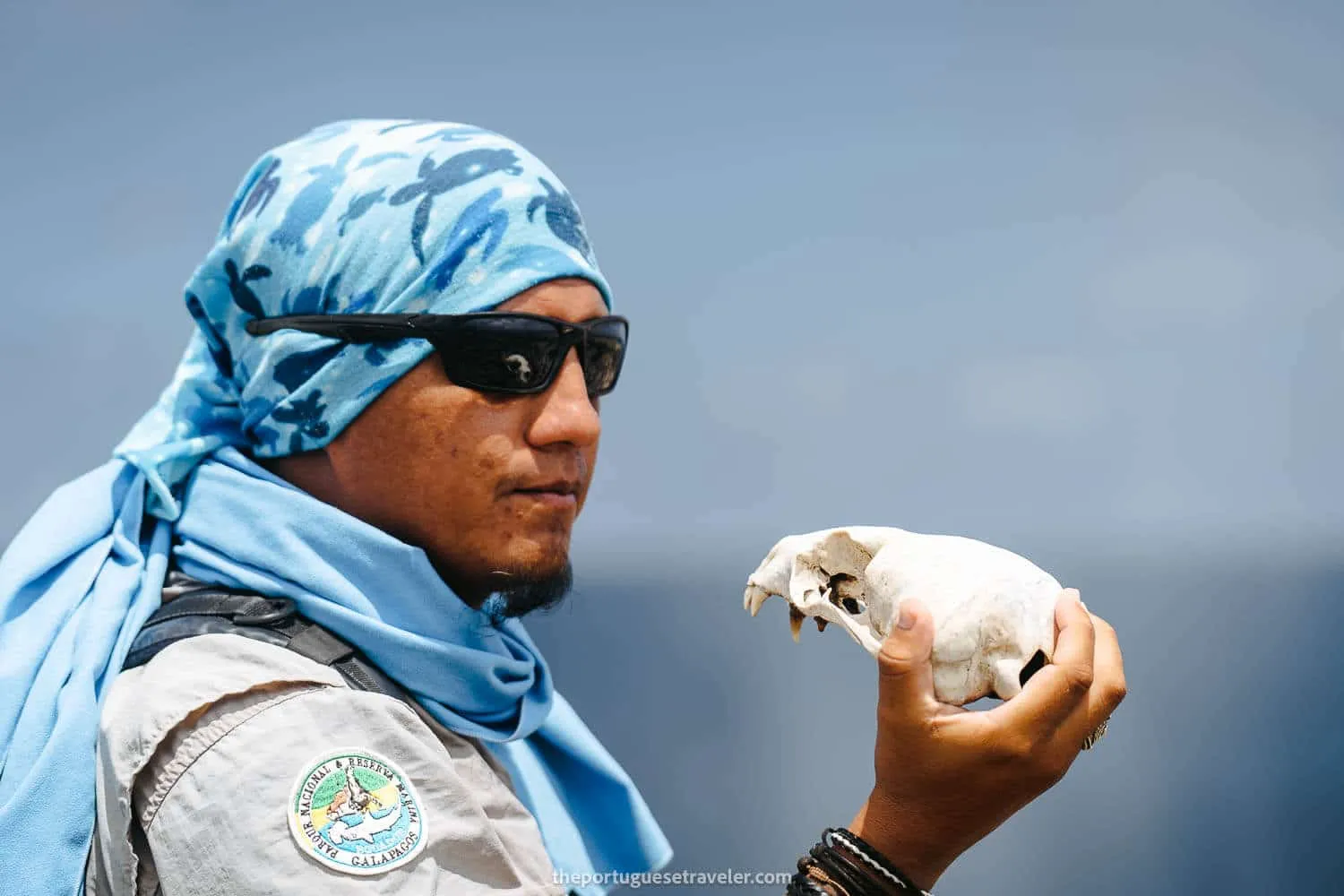
- Every visit to a protected site inside the National Park must be with a naturalist guide certified by the GNPD. You cannot visit these sites on your own.
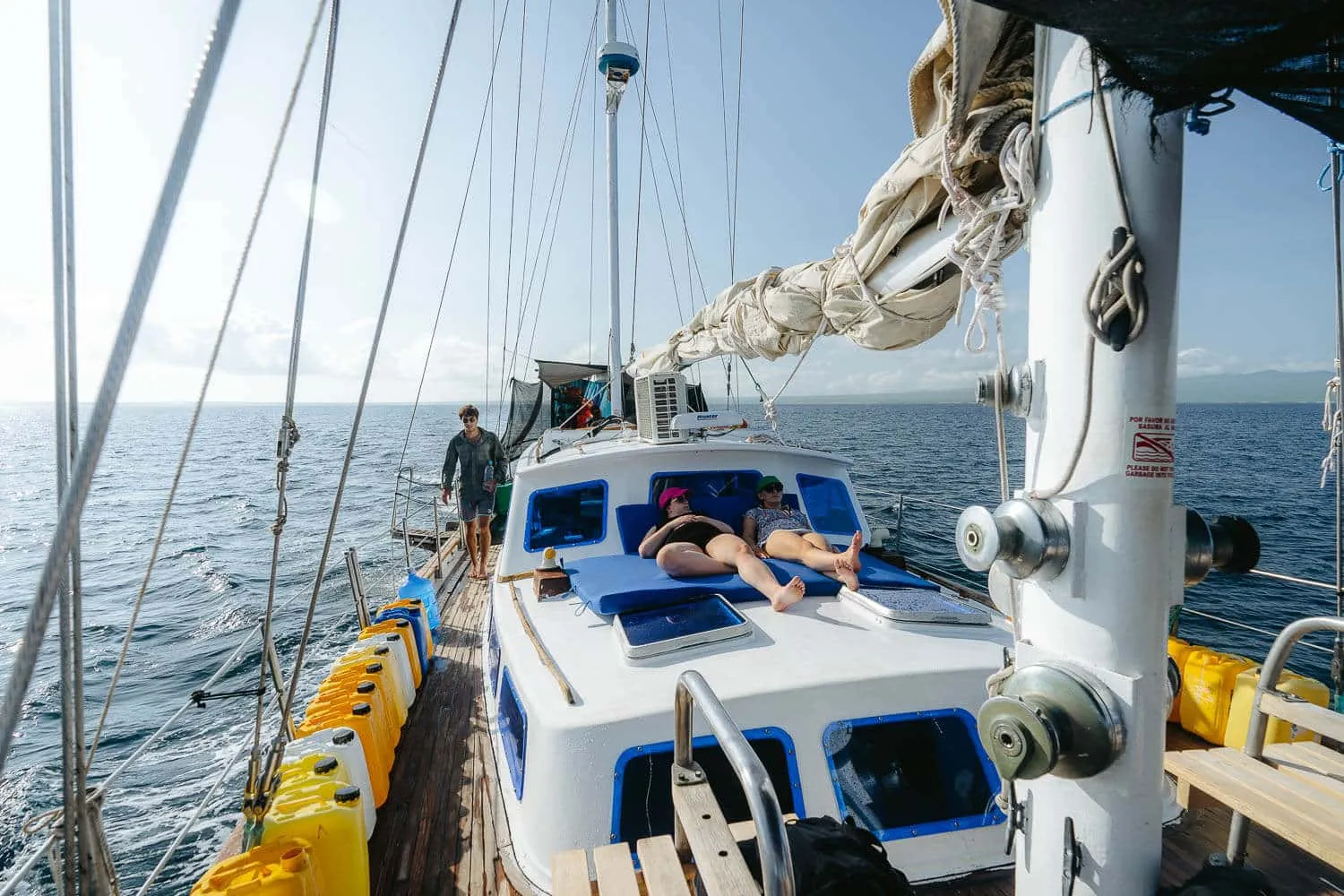
- You can only travel with tour operators and boats that are authorized to operate in the park and the Marine Reserve. Privately owned yachts cannot dock at visitor sites without official approval.
- The park has set visiting hours, generally 6:00 a.m. to 6:00 p.m. Snorkeling and diving stop in the late afternoon, except in a few designated night-diving zones.
What surprised me most was that all tours need a naturalist guide. You cannot do much on your own, not even hikes, except at a few places.
Keeping Your Distance From Wildlife
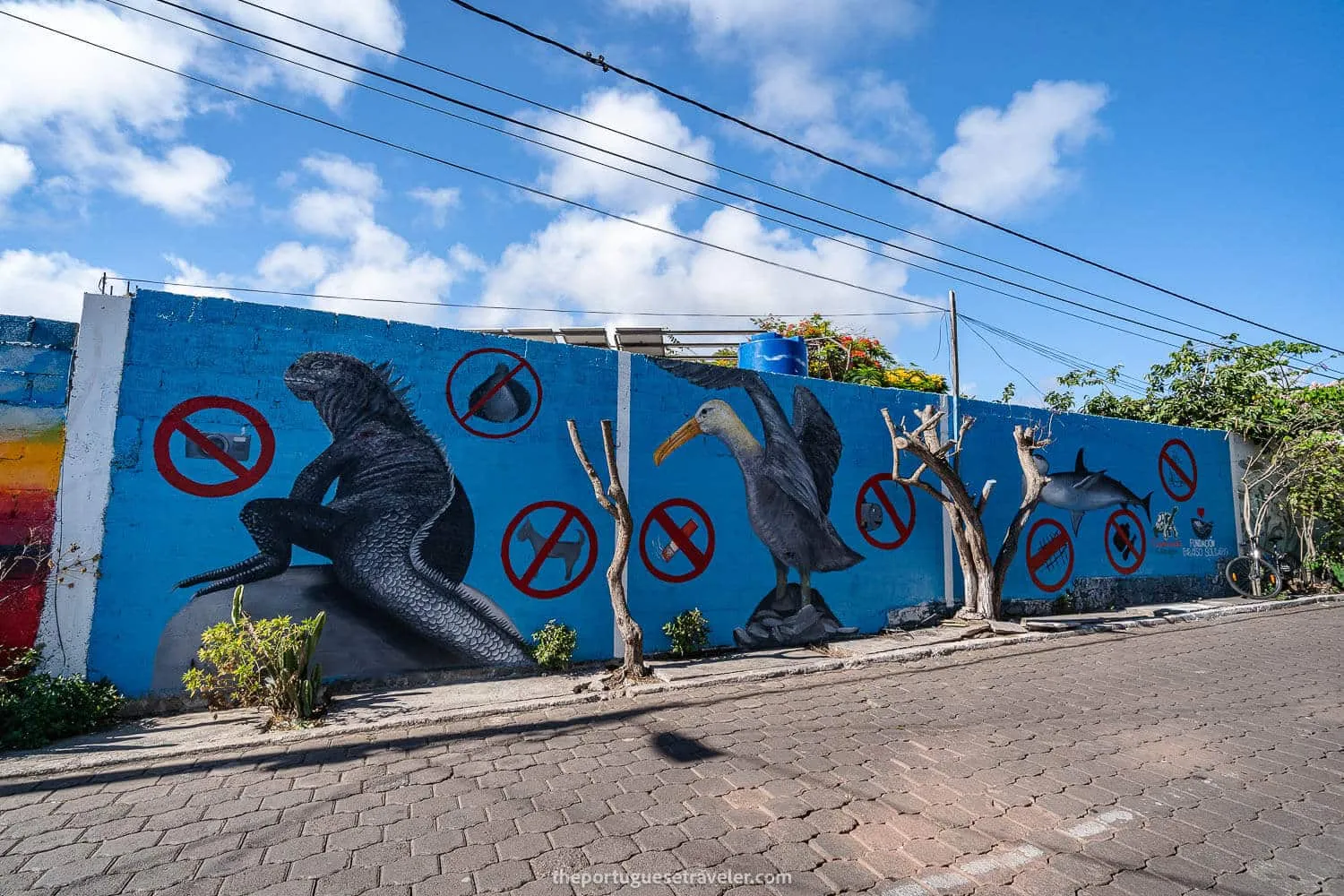
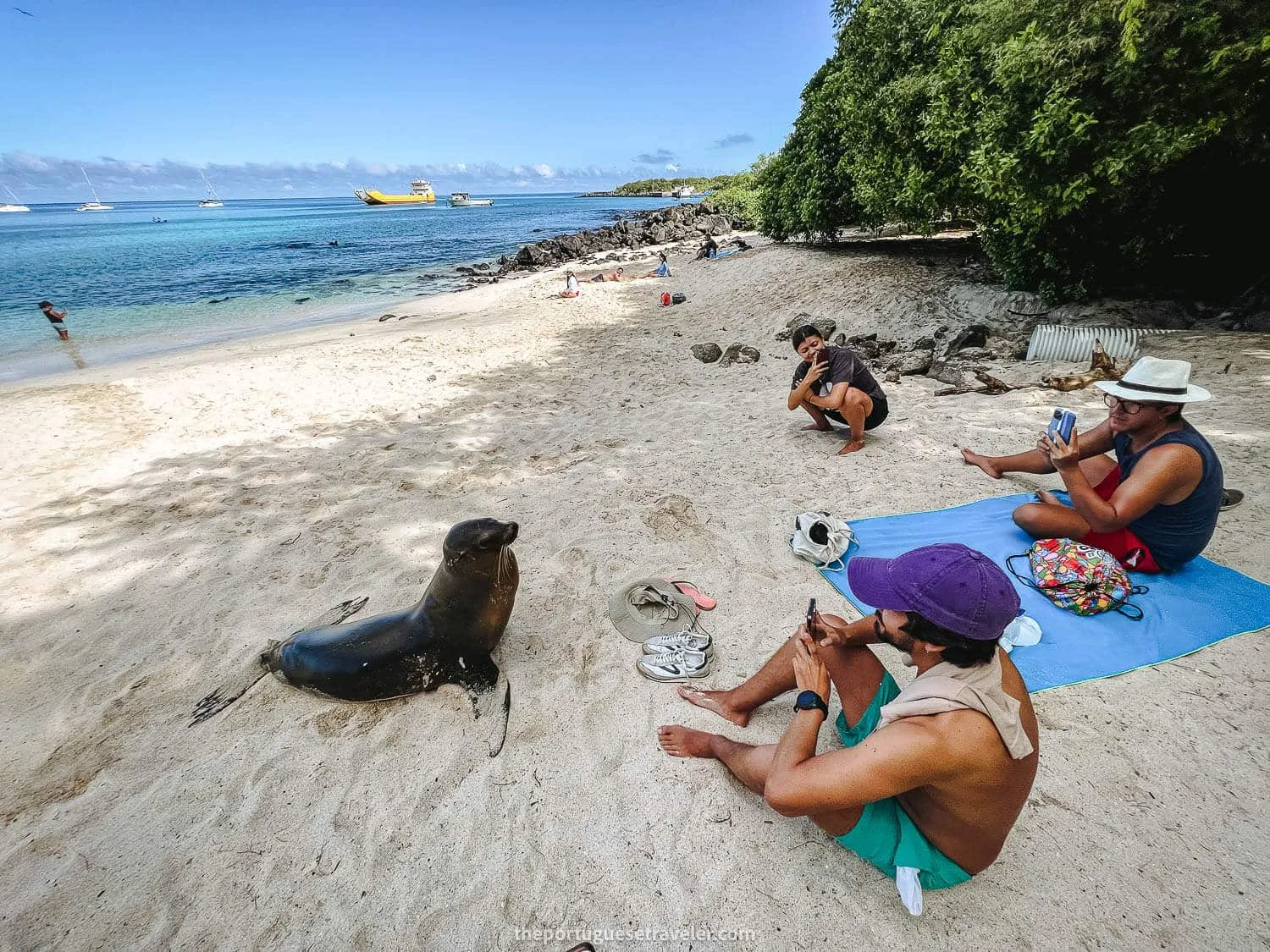
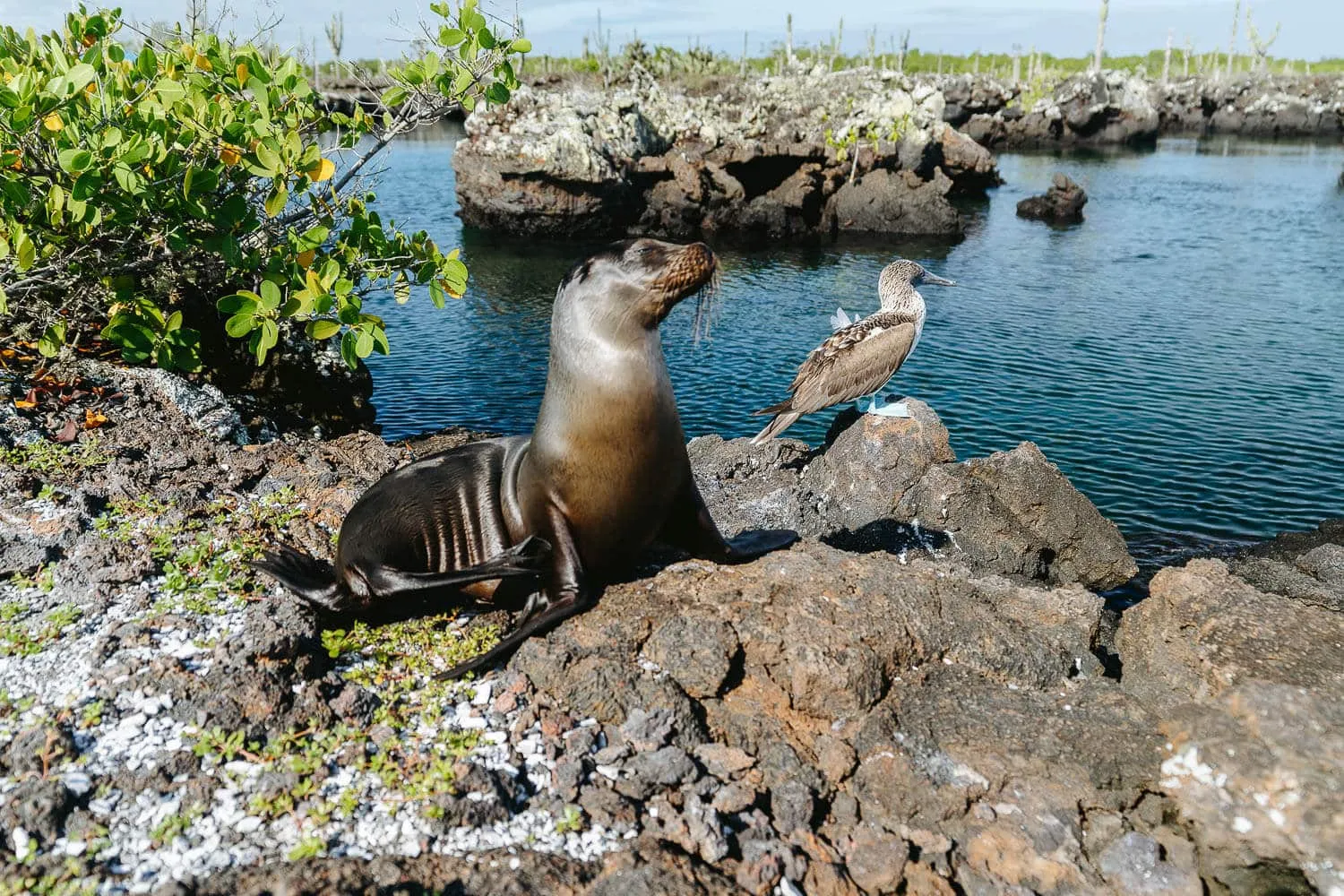
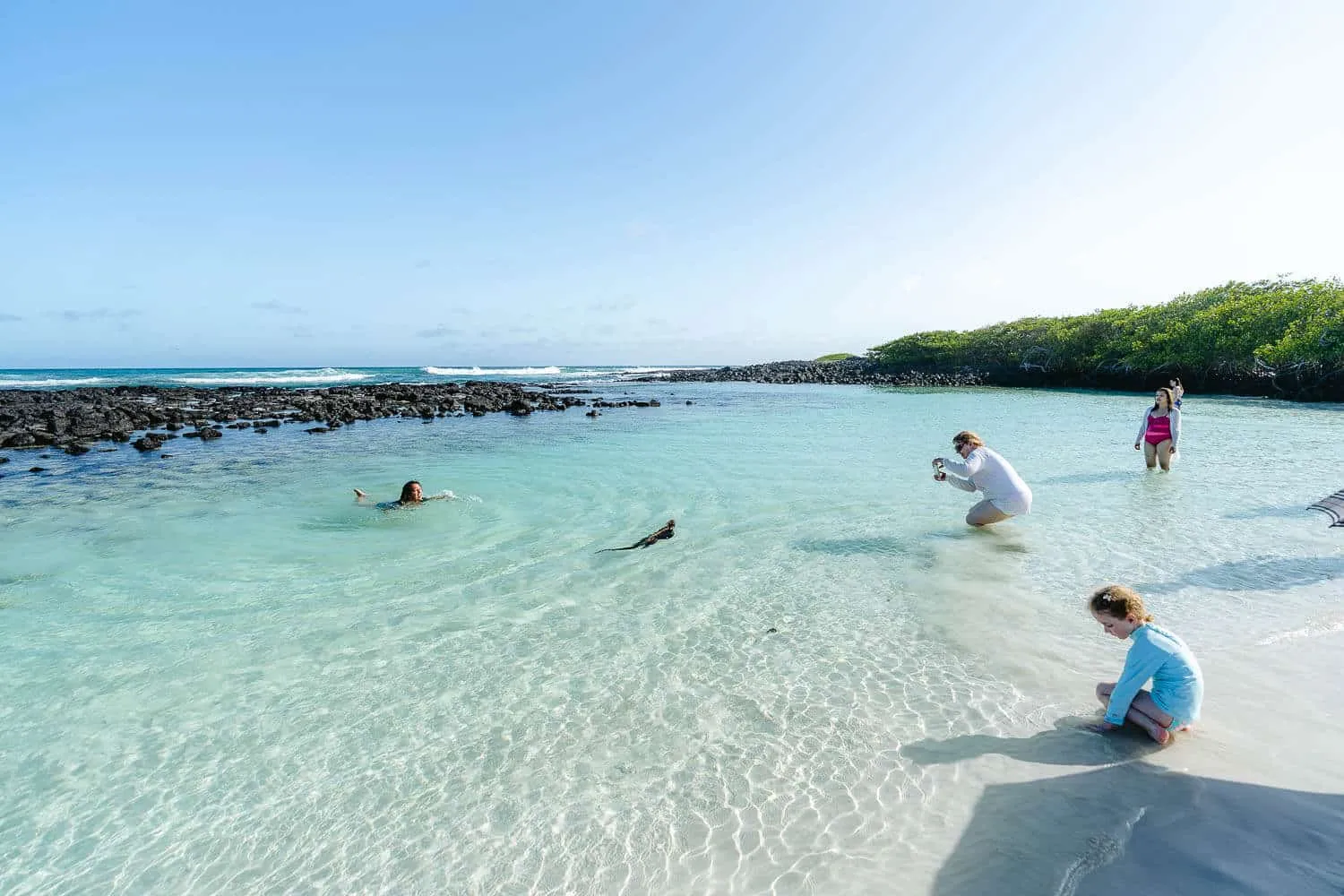
- Stay at least 2 meters (6 feet) from all wildlife, including when you use a camera. This applies even if an animal comes to you first.
- Never touch or feed animals. Feeding can cause serious health problems for species that have evolved around a very specific diet.
- Flash photography is not allowed near wildlife, because the sudden light can startle or disorient animals.
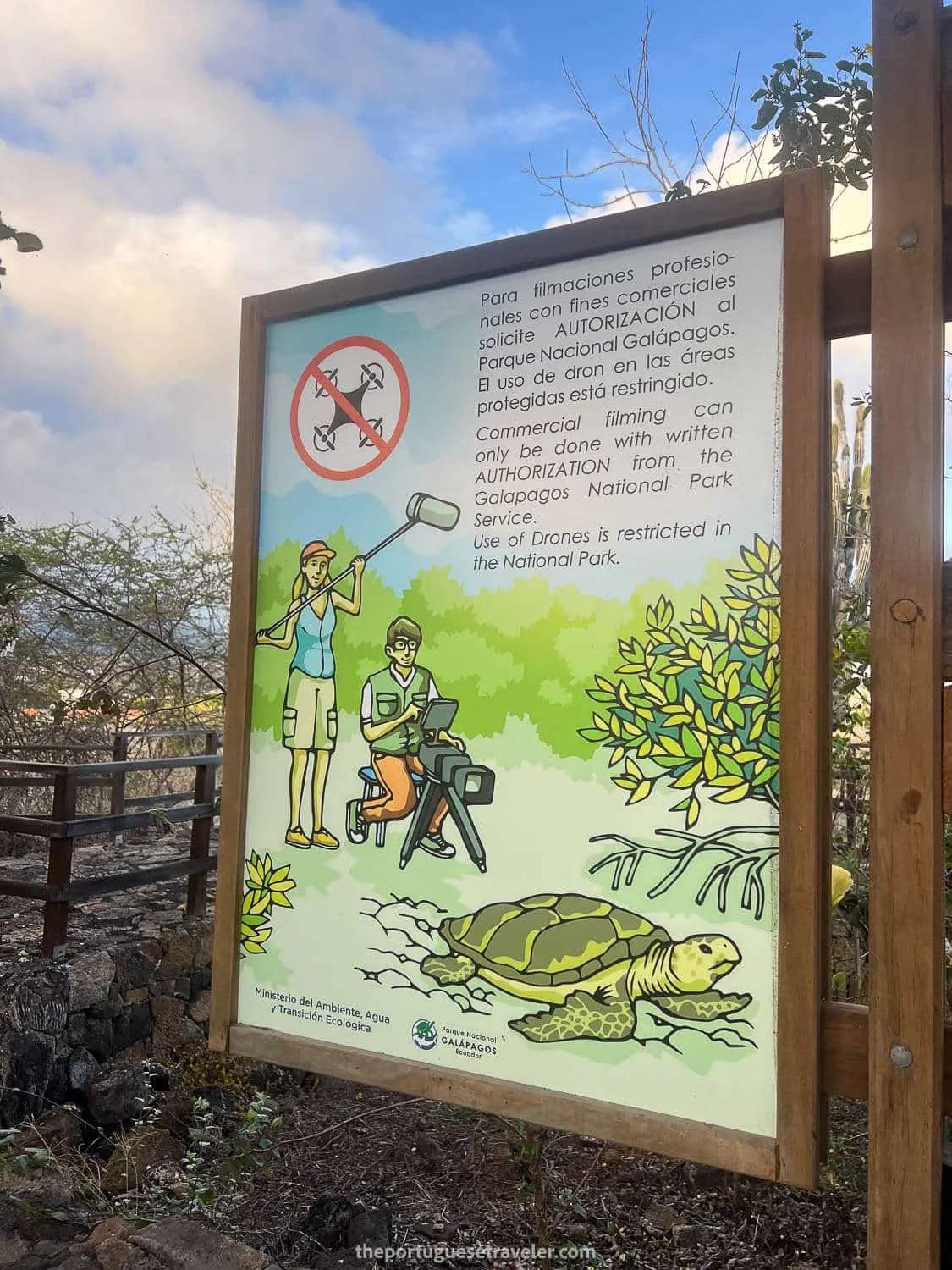
- Drones are not allowed for tourists or for fun in the park. Only approved science, park work, news and commercial filming can use them, and each one needs written permission from the GNPD. Professional photography and filming need the same permission. The park asks for the request well ahead of the trip, so ask the park office early and check the official site before you go.
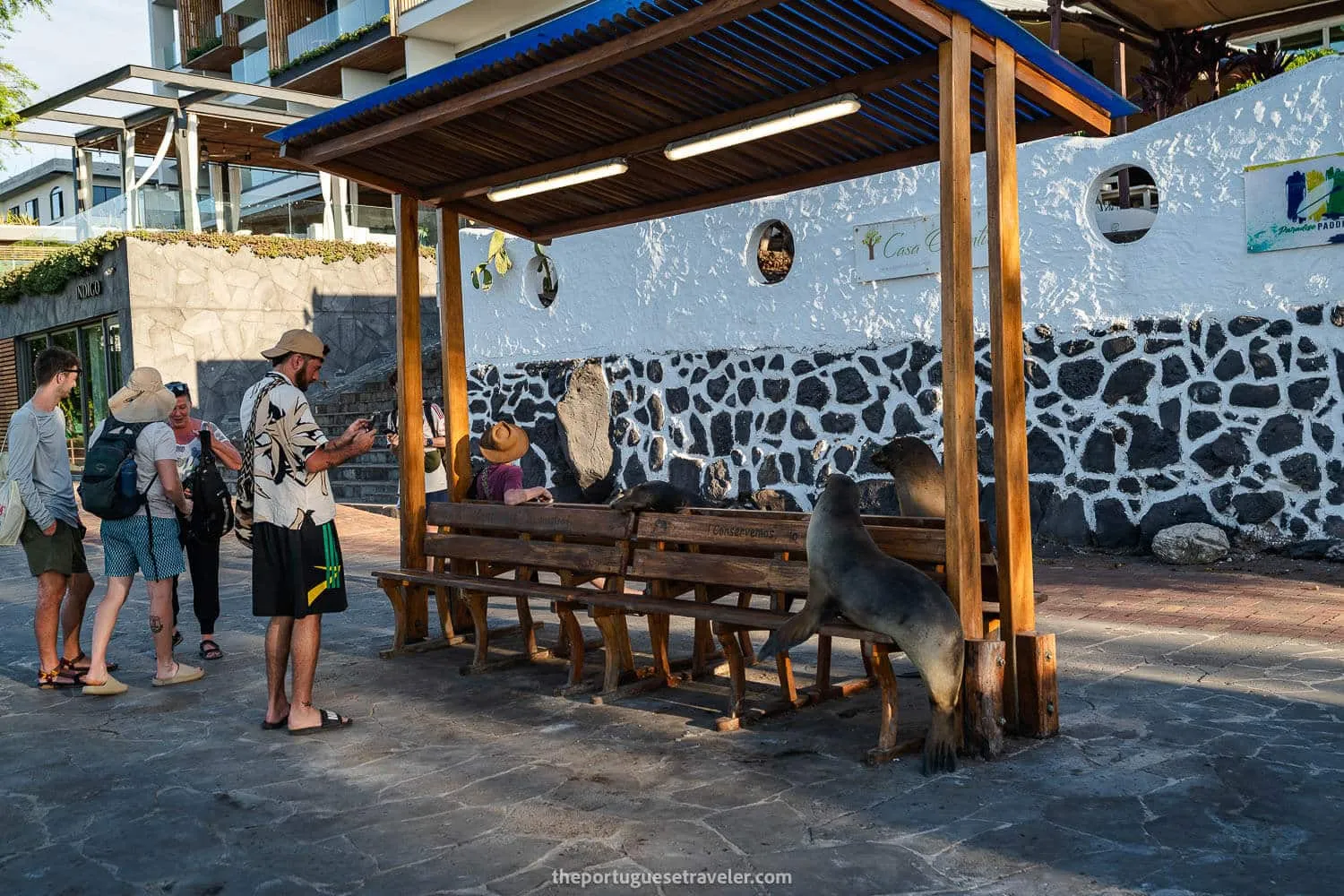
In practice the animals often come to you. Sea lion pups walk up and sit on your bag, and you have to move. Adult sea lions sometimes fight on the beach, and it can be violent, so move your things off the sand quickly and stay away.
I did not see visitors break the rules. Still, people end up close to baby sea lions, because it is almost impossible not to: they come to you no matter what.
 Read More: Take a look at our complete Galapagos Wildlife Guide - Find out which animals exist, on which islands, and how to spot them.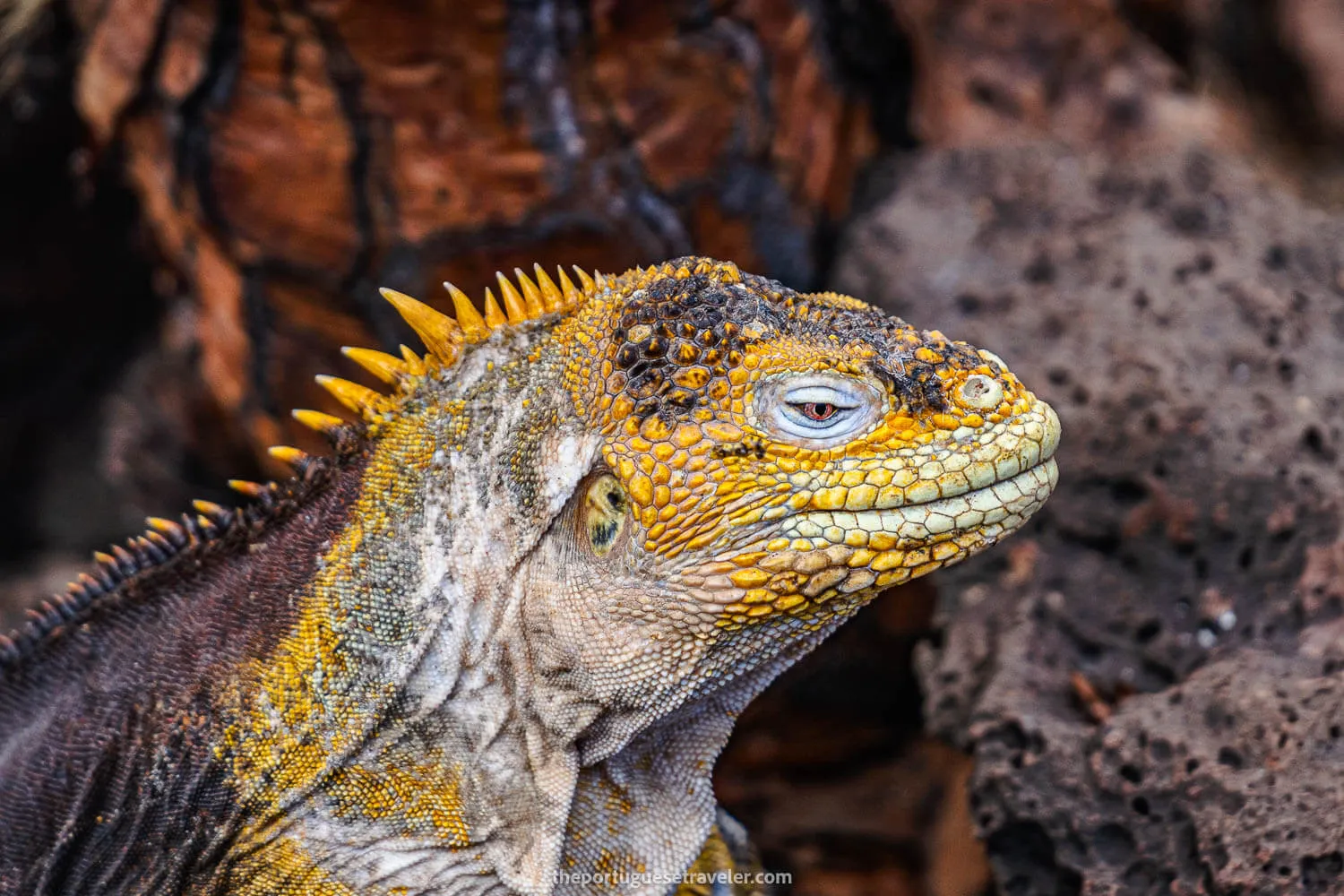
Trails, Waste, and Leaving No Trace
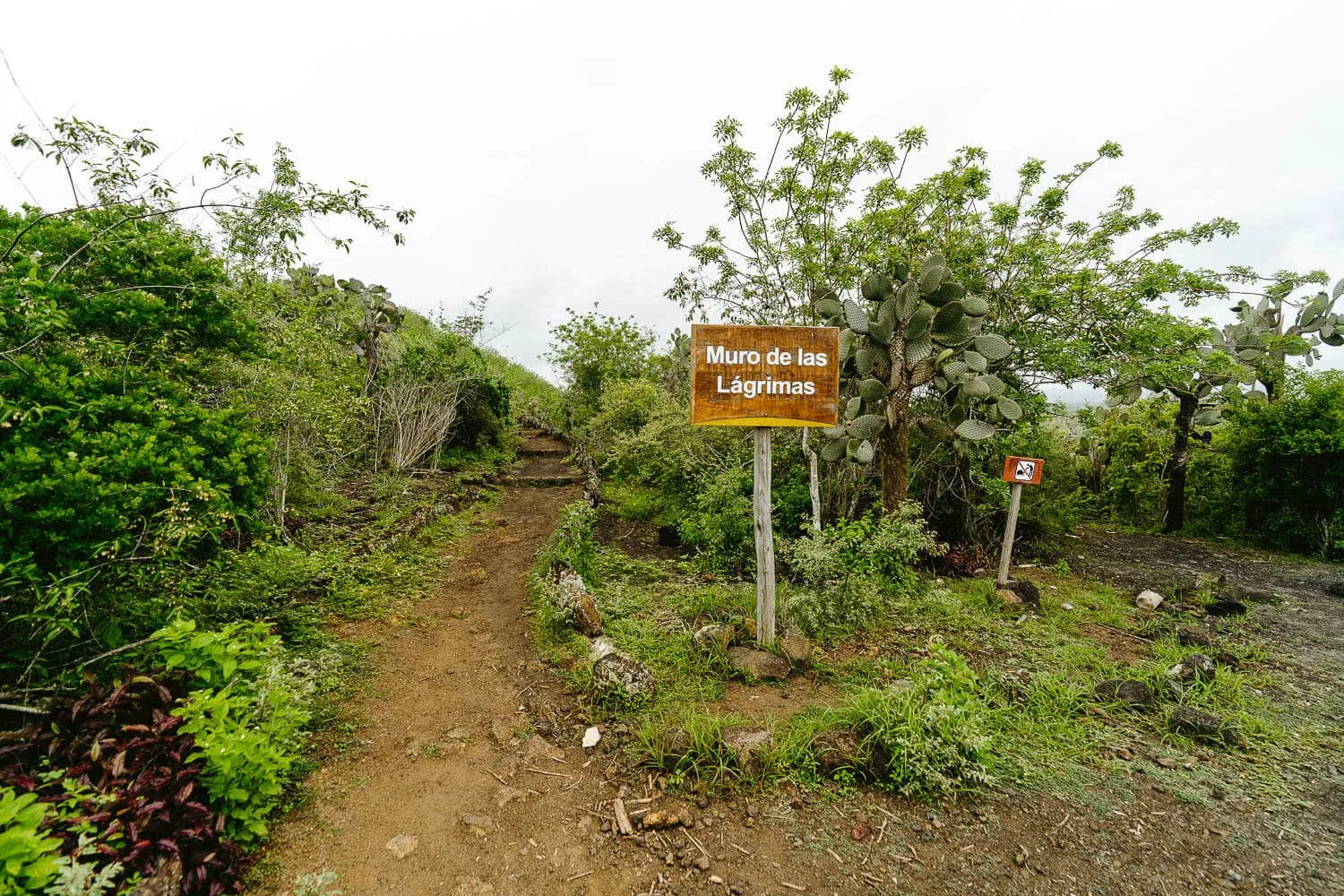
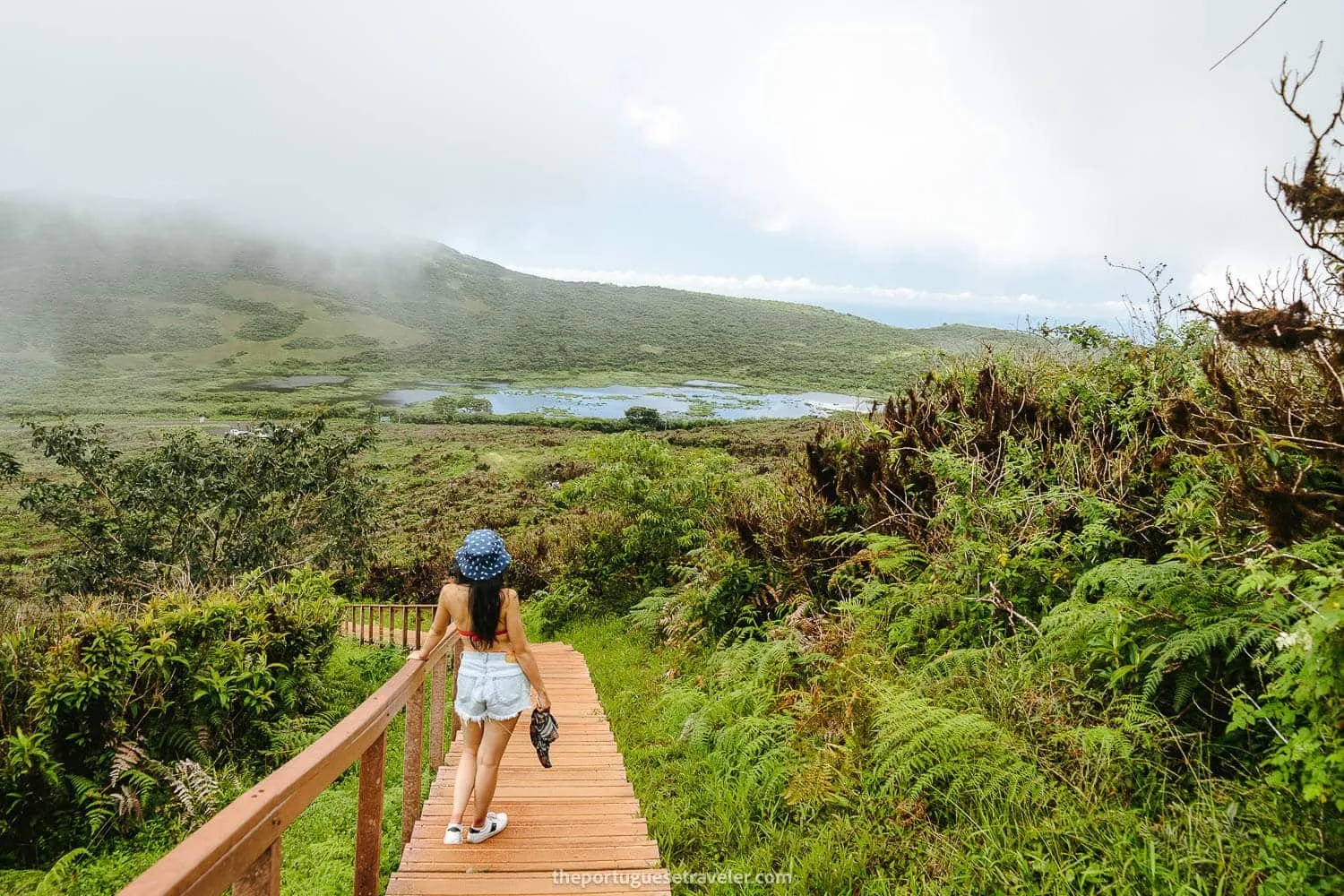
- Stay on the marked trails at every visitor site. They protect fragile habitats and keep you safe.
- Do not write on, carve into or otherwise mark rocks, trees or structures.
- Take out everything you bring in. Throw trash away or recycle it on your boat or in a town, because there is rarely a bin at a remote visitor site.
- Never remove anything from the environment, however small. Shells, lava rock, sand, coral and plants all stay where they are.
Protecting the Islands From Outside Threats
- Do not bring food, seeds, plants or animals into the archipelago. Invasive species are one of the biggest threats to native wildlife.
- Use only reef-safe, mineral-based sunscreen, because chemical sunscreens damage coral and marine life. Check the park’s current list of allowed sunscreens before you pack.
- Single-use plastics such as bags, straws and plastic bottles are restricted in the Galapagos and generally cannot be brought into the islands.
I brought a reef-safe sunscreen with me. Bags are also scanned at the pier in Santa Cruz, when you arrive from or leave for other islands. I saw this on trips from San Cristobal and from Isabela.
Activities With Extra Restrictions
- Camping is allowed only in a few designated areas, and you must request authorization from a GNPD office at least 48 hours in advance.
- Fishing is limited to authorized tour boats doing catch-and-release (“vivencial”) fishing. Catch limits are strict, and protected species like sharks and rays are off limits.
- Smoking, drinking alcohol and campfires are prohibited throughout the park, mainly because of wildfire risk.
- Motorized water sports, submarines and aerial tourism, such as jet skis or scenic flights, are not allowed anywhere in the park or the Marine Reserve. Kayaking, snorkeling and paddleboarding are the alternatives.
- Phones, radios and other devices that make sound must be used with headphones, so they do not disturb wildlife or other travelers.
Plan Your Galapagos Trip (Free Quote)
Want help organizing this trip? I recommend Happy Gringo, a travel agency in Ecuador. You can ask them for a free quote.
 Get Free Quote
What Happens If You Break the Galapagos Rules
Breaking the rules can have real consequences. The Ecuadorian government can issue fines, expel visitors from a site or from the islands, and revoke the operating licenses of guides or tour companies that allow violations. Guides know their own certification is at risk, which is why they are strict about distance and trail rules even when animals come close.
Common Mistakes Visitors Make
Even well-meaning travelers slip up on a few things:
- Packing the wrong sunscreen. Bring mineral-based (zinc oxide or titanium dioxide) sunscreen from home. It is not always easy to find locally.
- Treating two meters as a suggestion. Galapagos animals are unafraid of people, which makes it tempting to get closer for a photo. The distance rule applies however calm an animal seems.
- Forgetting the Biosafety Affidavit. It has to be completed online in advance, not on paper at the airport.
- Bringing fresh produce as a snack for the flight. Fruit, seeds and plant material are exactly what the luggage inspection looks for.
- Booking with an unauthorized operator. Confirm that your boat or tour company is certified by the GNPD before you book. It affects both safety and which sites you can legally visit.
Frequently Asked Questions about the Galapagos Rules and Regulations
Do the Galapagos rules and regulations apply to day-trippers as well as cruise passengers? Yes. Anyone who enters a protected National Park site needs a certified guide and must follow the same distance, trail and waste rules, whether they stay on a cruise ship, a live-aboard yacht or a hotel on an inhabited island.
How much does it cost to enter the Galapagos National Park? There are two payments. The Transit Control Card is $20, paid before departure. The National Park entrance fee is $200 for most international adults, paid in cash on arrival. Both can change, so check current rates with your tour operator before you travel.
Can I visit the Galapagos Islands without a guide? Only within the four populated towns and a small number of designated sites. Anywhere inside the protected areas, which is most of the archipelago, needs a naturalist guide certified by the GNPD.
Is it true I can’t bring my own snorkel or hiking gear? You can bring your own gear. The restrictions are on organic and biological material (food, plants, seeds, soil on hiking boots), not on personal equipment. For sunscreen, check the park’s current list of allowed sunscreens.
Final Thoughts on the Galapagos Rules and Regulations
The rules can look long, but they come down to one idea: observe, do not interfere. Keep your distance, stay on the trail, take out what you bring in, and travel with a licensed guide and operator. If this is your first trip, my things to know before visiting the Galapagos guide puts these rules next to the rest of the practical basics.
Where to Stay in The Galapagos Islands
You can stay on a cruise, which is also your hotel, or on land on Santa Cruz, San Cristobal or Isabela, in guesthouses or hotels.
I like staying on the islands and waking up to the sound of the waves, then walking to a nearby beach or town before a day tour. Book early, especially in high season.
 Accommodation: Where to stay and the best hotels and hostels on the three main islands (Santa Cruz, San Cristobal, and Isabela)
Plan your trip
The links in this box are affiliate links. You won't pay more, and they help keep the blog running. Each line says whether I have used the product.

Car Rental: Discovercars compares car rental offers from many companies.

Accommodation: Book your hotels with Booking.com or Expedia. I used Agoda in Southeast Asia.

Flights: Trip.com sells flights, hotels, train tickets, attractions and car rental. Airhelp handles compensation claims for delayed, canceled or overbooked flights and charges a 35% fee only if the claim succeeds.

Trains and Buses: I have booked with Omio several times, including from Lisbon to San Sebastian. 12Go sells tickets for trains, buses, ferries, transfers and flights across Asia and some other regions.

Tours and Tickets: I have used GetYourGuide on some trips. Viator sells tours, activities and tickets, and most have free cancellation up to 24 hours before.

Mobile eSIM: Holafly sells eSIM data plans for travel, delivered by email (5% discount). I have used Airalo, not in the Galapagos.

Travel Insurance: Heymondo sells travel insurance that covers medical issues, lost luggage, transport delays and trip cancellation, with an app that offers medical chat and 24/7 assistance. It is well reviewed, and this link gets you 5% off. Safetywing sells subscription health and travel insurance for people who travel or live abroad, covering medical treatment, emergency dental care and travel problems such as lost luggage and delays.

Loading comments…